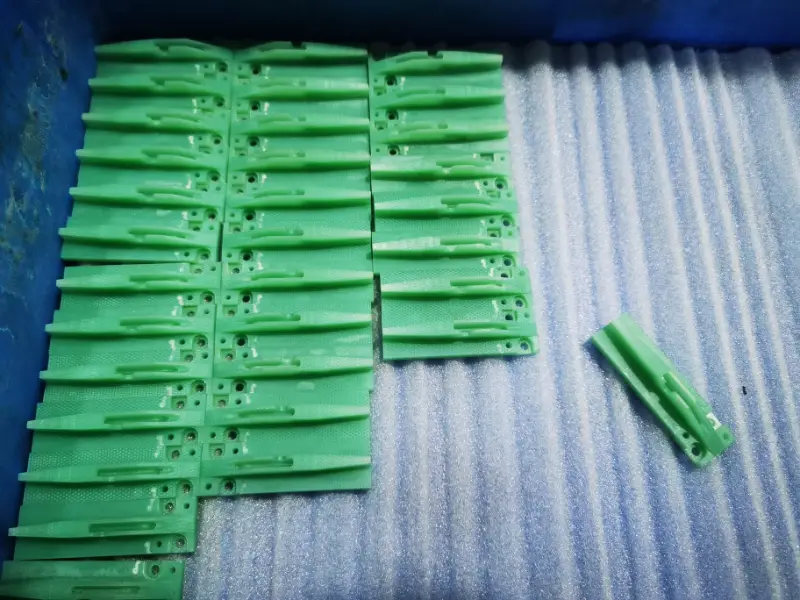



ينتمي كل من G10 وFR4 إلى شرائح الألياف الزجاجية الإيبوكسية. ويكمن الفرق الأساسي بين المادتين في استخدام تركيبات مثبطة للهب. ويؤثر هذا الاختلاف بشكل مباشر على الخواص الميكانيكية وتصنيفات مقاومة الحريق والتكاليف وطرق المعالجة وسيناريوهات التطبيق. تقدم هذه المقالة مقارنة كاملة من حيث مقدمة المواد وتصنيفها وخصائصها الميكانيكية وخصائصها الميكانيكية وخصائصها الكهربائية ومقاومتها للحريق وتقنية المعالجة والتكلفة والتطبيقات والاختيار، وتغطي جميع النقاط الرئيسية لاختيار المواد الهندسية.
مقدمة المواد الأساسية
1.1 G10
- إن G10 عبارة عن صفائح من الألياف الزجاجية الإيبوكسية غير المثبطة للهب والمحددة في معايير NEMA.
- إنه مصنوع من قماش من الألياف الزجاجية وراتنج الإيبوكسي النقي المضغوط تحت درجة حرارة عالية وضغط مرتفع.
- الموضع الرئيسي: ركيزة هيكلية عالية القوة، مع إعطاء الأولوية للعزل والقوة الميكانيكية.
- المعايير المطبقة: nema li-1، mil-i-24768/27.
- تصنيف القابلية للاشتعال: UL94 HB، احتراق أفقي، غير قابل للاشتعال.
1.2 1.2 FR4
- FR4 هي نسخة مطوّرة مثبطة للهب تعتمد على G10، مع إضافة مثبطات اللهب الفوسفورية النيتروجينية لتلبية مواصفات السلامة من الحرائق.
- الموضع الرئيسي: العزل الكهربائي والركيزة الهيكلية العامة، المادة السائدة في صناعة الإلكترونيات.
- المعايير المطبقة: NEMA LI-1 وIPC-4101 وUL94 وغيرها من معايير الصناعة الأخرى.
- تصنيف القابلية للاشتعال: UL94 V-0، ذاتية الإطفاء عند إبعادها عن مصدر الاشتعال، لا تقطر أثناء الاحتراق.
تصنيف المواد والدرجات
تصنيفات G10 الشائعة
- G10 القياسي: نوع عام عالي القوة وغير مثبط للهب.
- G10/ FR4: G10 المعدل المثبط للهب G10 المعدل والموازن بين القوة ومقاومة الحريق.
- G11:: النوع المعزز بدرجة حرارة عالية، مع مقاومة أفضل للحرارة وثبات أفضل للأبعاد.
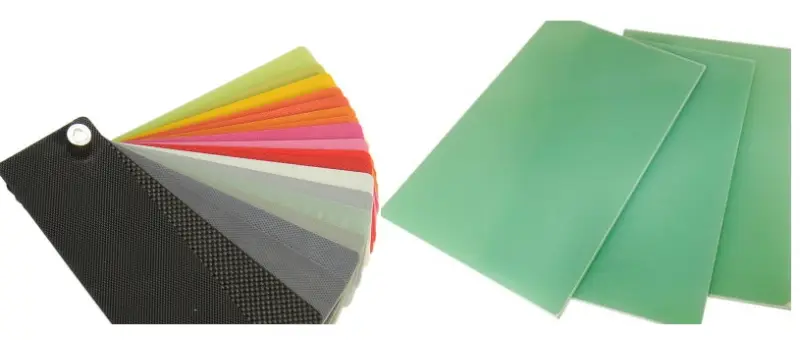
- G10 الملون: يُستخدم في الغالب للزينة أو المقابض، متوفر بألوان مختلفة.
تصنيفات FR4 الشائعة
- FR4 القياسي: Tg حوالي 130 درجة مئوية، لمركبات ثنائي الفينيل متعدد الكلور العامة وأجزاء العزل.
- متوسطة Tg FR4: Tg حوالي 150 درجة مئوية، مناسبة لعمليات اللحام الخالية من الرصاص.
- درجة حرارة Tg العالية FR4: درجة حرارة أعلى من 170 درجة مئوية، وتستخدم في المعدات العسكرية والسيارات والمعدات عالية الطاقة.
- FR4 الخالي من الهالوجين: نوع صديق للبيئة منخفض الدخان، يستخدم في الغالب في الإلكترونيات الطبية وإلكترونيات السيارات.
- FR4 عالي التردد ومنخفض الخسارة: لمعدات الإشارات والاتصالات عالية السرعة ومعدات الاتصالات.
مقارنة الأداء الأساسي
3.1 الخواص الميكانيكية
| الخصائص | G10 | FR4 | وصف الفرق |
|---|---|---|---|
| قوة الانثناء | 380-480 ميجا باسكال | 310-380 ميجا باسكال | G10 أعلى من 15%-20% |
| قوة الشد | 310-380 ميجا باسكال | 280-340 ميجا باسكال | أداء G10 أفضل |
| قوة الانضغاط | 290-340 ميجا باسكال | 250-300 ميجا باسكال | أداء G10 أفضل |
| مقاومة الصدمات | عالية | متوسط-عالي | G10 أعلى بحوالي 25% أعلى بحوالي 25% |
| ثبات الأبعاد | ممتاز | جيد | المستويات المماثلة |
| امتصاص الماء | 0.1% تقريبًا | 0.1%-0.2% تقريبًا | G10 أقل قليلاً |
3.2 مقاومة الحريق والخصائص الحرارية
- لا يحتوي G10 على تأثير مثبط للهب؛ فهو يحترق باستمرار في اللهب المكشوف ولا يمكن استخدامه في التطبيقات المطلوبة للحماية من الحرائق.
- تفي FR4 بتصنيف UL94 V-0، وهي ذاتية الإطفاء في غضون 10 ثوانٍ بعد مغادرة مصدر الاشتعال، وتتوافق مع معايير السلامة للمنتجات الإلكترونية والكهربائية.
- تتراوح درجة حرارة التشغيل على المدى الطويل لكليهما بين 130-150 درجة مئوية؛ ويمكن أن تتجاوز الإصدارات ذات درجة الحرارة العالية 170 درجة مئوية.
3.3 الخواص الكهربائية
- قوة العازل الكهربائي: كلاهما 15-50 كيلو فولت/ملم، على نفس المستوى.
- ثابت العزل الكهربائي: 4.2-4.8 عند 1 ميجا هرتز.
- وعمومًا، تتميز FR4 بعزل كهربائي أكثر اتساقًا، مما يجعلها أكثر ملاءمة لمركبات ثنائي الفينيل متعدد الكلور ومكونات العزل عالية الجهد.
ملخص المزايا والعيوب
مزايا G10
- قوة ميكانيكية أعلى، ومقاومة أفضل للانحناء والصدمات.
- لا توجد مثبطات لهب، ومقاومة أفضل قليلاً للعوامل الجوية ومقاومة للماء.
- خيارات ألوان غنية لأجزاء المظهر مثل الزخرفة والمقابض.
- نظام إيبوكسي نقي، سطح أنعم بعد المعالجة.
عيوب G10
- غير مثبط للهب ولا يمكن استخدامه في التطبيقات المطلوبة للحماية من الحرائق.
- أقل توريدًا من FR4 على نطاق أوسع من FR4، ومهلة زمنية أطول لبعض المواصفات.
مزايا FR4
- تصنيف اللهب V-0، يتوافق مع معايير السلامة العالمية السائدة، ونطاق تطبيق أوسع.
- مادة قياسية في صناعة الإلكترونيات، وتكلفة أقل وإمدادات مستقرة.
- مجموعة كاملة من الدرجات للاحتياجات المختلفة: درجة الحرارة العادية، ودرجة الحرارة العالية، والتردد العالي، والخالية من الهالوجين.
- عملية تصنيع ثنائي الفينيل متعدد الكلور الناضجة، وأفضل توافق للحفر والحفر والتصفيح.
عيوب FR4
- قوة ميكانيكية أقل قليلاً من G10 بسبب مثبطات اللهب.
- امتصاص الماء أعلى قليلاً من G10 النقي تحت درجات الحرارة والرطوبة العالية.
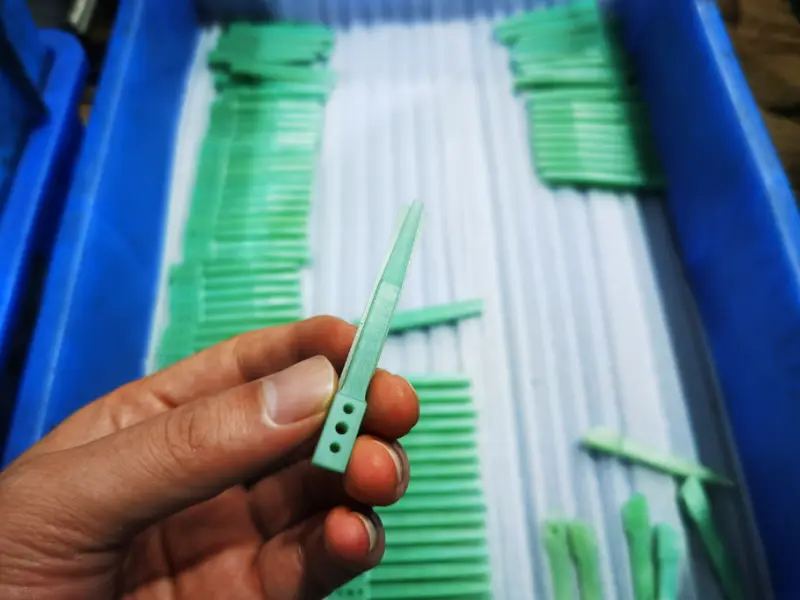
تقنيات واحتياطات المعالجة المدعومة
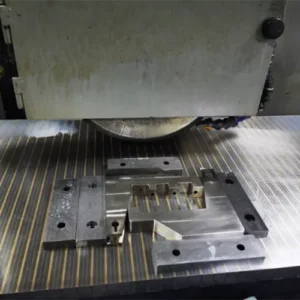
يتسم كل من G10 وFR4 بخصائص معالجة متشابهة؛ فكلاهما شديد الكشط ويتطلب أدوات قطع صلبة.
تقنيات المعالجة الشائعة
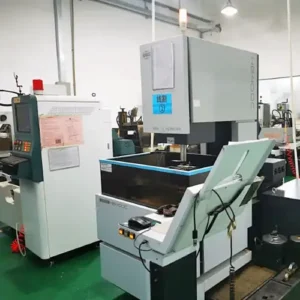
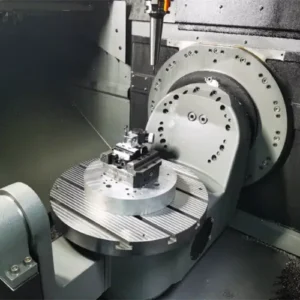
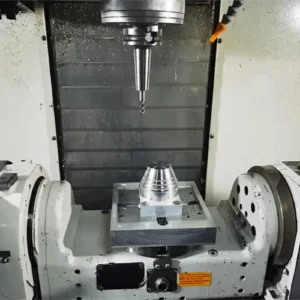
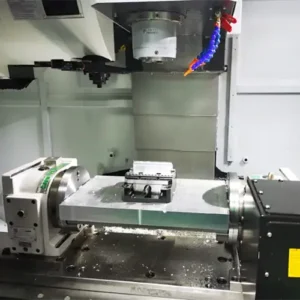
- القطع: التفريز باستخدام الحاسب الآلي الرقميوالقطع بنفث الماء والقطع بالليزر FR4 أكثر ملاءمة للمعالجة بالليزر.
- الحفر: حفر عالي السرعة باستخدام مثاقب كربيد، مع التركيز على إزالة البُرادة بسلاسة.
- الطحن: جاف أو بأقل قدر ممكن من سائل التبريد لتجنب التشويه.
- الصنفرة: باستخدام أحزمة كاشطة أو عجلات جلخ؛ تتوفر تشطيبات غير لامعة أو غير منسوجة.
- المعالجة السطحية: طباعة الشاشة والطلاء والتلصيق؛ ويفضل استخدام مادة الإيبوكسي اللاصقة.
احتياطات المعالجة
- يجب أن تكون الأدوات من الكربيد أو مغلفة بالماس؛ فالألياف الزجاجية تبلى الأدوات بسرعة.
- يوصى باستخدام سرعة عالية للمغزل ومعدل تغذية منخفض لتقليل التقطيع والتشويه.
- تحكم في تبديد الحرارة لتجنب كربنة الراتنج أو التفكك الناتج عن ارتفاع درجة الحرارة.
- غبار الألياف الزجاجية ضار؛ لذا يلزم شفط الغبار واستخدام معدات الحماية.
- ملاحظة خاصة ب FR4: مثبطات اللهب FR4 قد تطلق غازات ضئيلة عند درجات الحرارة العالية؛ تأكد من التهوية أثناء القطع بالليزر.
- ملاحظة خاصة بـ G10: غير مثبط للهب وتجنب التلامس المباشر مع اللهب المكشوف أو اللحام بدرجة حرارة عالية.
مجالات التطبيق النموذجية ومكوناته
تطبيقات G10
- الأجزاء الهيكلية: التركيبات الفضائية، والحشوات الميكانيكية، والأقواس.
- الأدوات اليدوية: مقابض السكاكين ومقابض الأدوات الخارجية.
- المعدات البحرية: قطع غيار بحرية، أقواس عازلة للماء.
- المعدات الرياضية: ألواح التزلج، الأجزاء الهيكلية النموذجية.
- أجزاء العزل: حشيات العزل عالية الجهد في المناطق غير الواقية من الحريق.
تطبيقات FR4
- ركائز ثنائي الفينيل متعدد الكلور: الإلكترونيات الاستهلاكية، والتحكم الصناعي، والسيارات، ومعدات الاتصالات.
- العزل الكهربائي: أسافين فتحات المحركات، وعزل المحولات، ومفاتيح العزل.
- الأجزاء الهيكلية: ألواح المعدات، وحشيات تبديد الحرارة، وتركيبات الاختبار.
- إلكترونيات السيارات: لوحات العزل BMS، أقواس المصابيح.
- الطاقة الجديدة: عزل حزمة البطارية، وألواح عزل قضبان التوصيل.
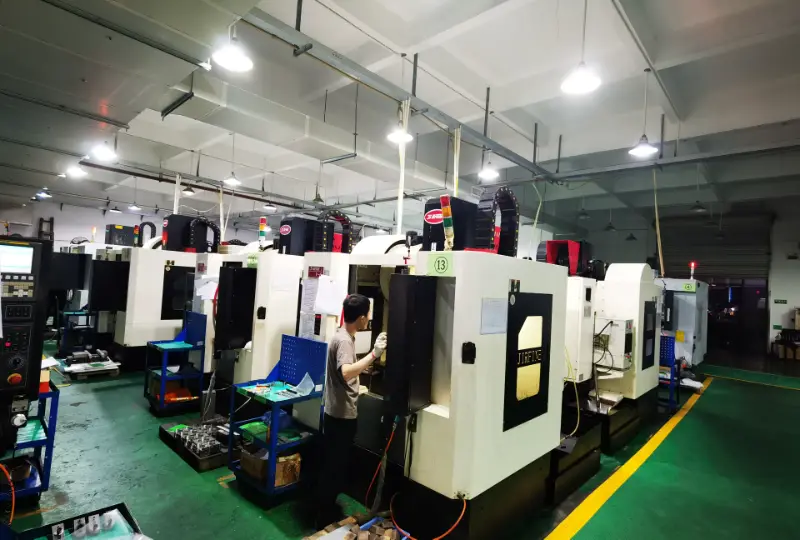
مقارنة التكلفة
سعر الورقة (لكل كجم، السماكة القياسية 1-3 مم)
- فرنك 4: 4.6-5.0 دولار أمريكي/كجم
- G10: 5.0-6.5 دولار أمريكي/كجم
- فرق السعر: G10 G10 أعلى من FR4 G10 10%-30%
تكلفة المعالجة
- تكاليف التصنيع باستخدام الحاسب الآلي والحفر باستخدام الحاسب الآلي: نفس التكاليف تقريباً لكليهما.
- يتسبب G10 في تآكل أقل قليلاً للأدوات وثبات أفضل في المعالجة.
- في إنتاج ثنائي الفينيل متعدد الكلور، تتميز FR4 بتكلفة إجمالية أقل بكثير وعمليات أكثر نضجًا.
دليل الاختيار
- مطلوب الامتثال للسلامة من الحرائق، من أجل ثنائي الفينيل متعدد الكلور أو العزل الكهربائي → اختر FR4.
- قوة أعلى، ومظهر ملون، وهياكل تحت الماء أو غير مقاومة للحريق → اختر G10.
- الميزانية محدودة، الإنتاج الضخم → اختر FR4.
- الأجزاء الهيكلية العسكرية/الفضائية، والمقابض، والأجزاء المقاومة للتآكل → اختر G10.
الخاتمة
G10 وFR4 هي مواد ألياف زجاجية إيبوكسية متجانسة وغير متجانسة.
- يركز G10 على القوة الهيكلية الخالصة: قوة أعلى ولكن غير مثبطة للهب.
- تركز تقنية FR4 على مثبطات اللهب وتعدد الاستخدامات: تفي بمعايير السلامة والاستخدامات الأوسع نطاقاً.
G10 أفضل من حيث الأداء الميكانيكي، في حين أن FR4 أفضل من حيث مقاومة الحريق والتوافق الكهربائي. يتميز FR4 بتكلفة أقل، وكلاهما متشابهان في صعوبة المعالجة. بالنسبة للاختيار الهندسي، يوصى بأخذ متطلبات مثبطات اللهب كمعيار أول، ثم وضع اللمسات الأخيرة على الاختيار بناءً على احتياجات القوة والميزانية ومتطلبات المظهر.