
في مجال التصنيع الآلي باستخدام الحاسب الآلي والتصنيع الميكانيكي، فإن البرونز مادة هندسية لا يمكن استبدالها بسهولة. مقارنةً بالمواد العادية الفولاذ الكربونيأو الفولاذ المقاوم للصدأ أو النحاس الأصفر، يوفر البرونز مزايا فريدة من نوعها في مقاومة التآكل، والأداء المضاد للتآكل، وخصائص الانزلاق، واستقرار الخدمة على المدى الطويل. ونتيجة لذلك، فإنه يستخدم على نطاق واسع في المحامل، والبطانات، والتروس الدودية، ومكونات المضخات والصمامات، والتجهيزات البحرية، والهياكل المنزلقة للخدمة الشاقة.
يركز هذا المقال على التصنيع الآلي للبرونز ويقدم تحليلاً منهجيًا من وجهات نظر هندسية متعددة، بما في ذلك معايير المواد، والخصائص الميكانيكية خماسية الأبعاد، وطرق التصنيع الآلي، وسيناريوهات التطبيق، وآليات التآكل، واستراتيجيات الصيانة، مما يساعد القراء على اكتساب فهم شامل للبرونز في تطبيقات التصنيع الآلي.
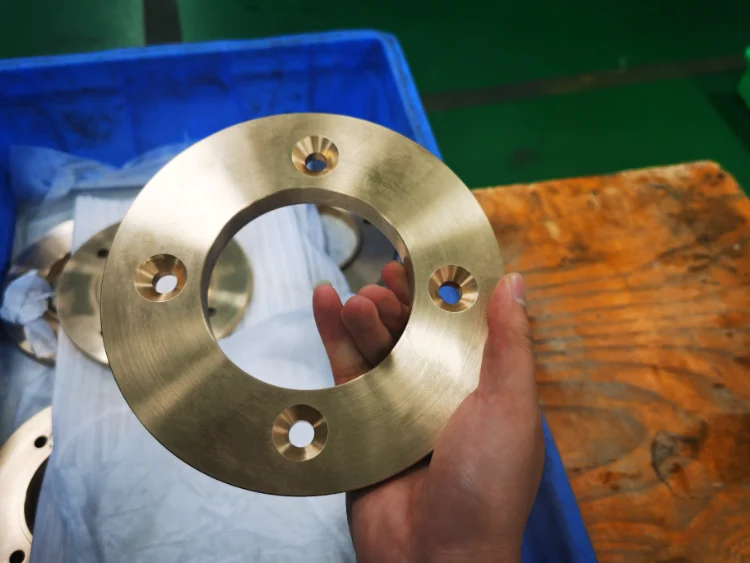
ما هو البرونز؟ التعريف الهندسي والطبيعة المادية
التعريف الهندسي للبرونز
في السياق الهندسي، يشير مصطلح "البرونز" بشكل عام إلى السبائك ذات الأساس النحاسي. وتشمل الأنظمة الشائعة ما يلي:
- برونز القصدير: تشمل الدرجات النموذجية C90500 و C90700 و C93200 (SAE 660، المعروف باسم البرونز المحمل)
- ألومنيوم برونزي: مثل C95400 و C95500 (قوة عالية ومقاومة للتآكل، تستخدم على نطاق واسع في الهندسة البحرية)
- برونز السيليكون: مثل C65500 (القوة المتوازنة ومقاومة التآكل وقابلية اللحام)
- الفوسفور البرونزي: مثل C51000 و C52100 (مرونة جيدة ومقاومة للتآكل، وغالبًا ما تستخدم للصفائح الرقيقة ومكونات الزنبرك، ولكنها أيضًا قابلة للتشغيل الآلي)
تأثير عناصر السبائك على الأداء
يتكون البرونز من عناصر سبائك متعددة، وتمنح العناصر المختلفة درجات البرونز المختلفة مزايا أداء فريدة من نوعها.
- القصدير (Sn): يحسن من مقاومة التآكل ومقاومة الإجهاد
- الألومنيوم (Al): تعزز بشكل كبير من القوة ومقاومة التآكل
- السيليكون (Si): يحسن الخواص الميكانيكية الكلية وقابلية اللحام
- الفوسفور (P): يعزز المرونة ومقاومة الإجهاد والتعب
- الرصاص (Pb): يحسن خصائص مقاومة الاحتكاك وقابلية التشغيل الآلي
الفروق الجوهرية بين البرونز والنحاس النقي
بالمقارنة مع النحاس النقي، يضحي البرونز بكمية صغيرة من التوصيل الكهربائي والحراري مقابل قوة أعلى، ومعامل احتكاك أقل، وسلوك خدمة أكثر استقرارًا. وهذا هو السبب الأساسي في استخدام البرونز على نطاق واسع في التشغيل الآلي والتطبيقات الميكانيكية.
الخواص الميكانيكية للبرونز (فهم على المستوى الهندسي)
نطاقات الملكية الميكانيكية المشتركة
| الممتلكات | النطاق النموذجي (القيم البرونزية الشائعة) | الوصف |
|---|---|---|
| الكثافة (ρ) | 7.4 - 8.9 جم/سم مكعب | معظم البرونز أخف قليلاً من الفولاذ أو ما شابهه |
| معامل المرونة (E) | 95-125 جيجا باسكال | أقل من الفولاذ (حوالي 200 جيجا باسكال)، ولكنها صلبة بما فيه الكفاية |
| قوة الشد (UTS) | 250-750 ميجا باسكال | يمكن أن يكون برونز الألومنيوم أعلى؛ أما برونز المحمل فهو معتدل |
| قوة الخضوع (YS) | 100-500 ميجا باسكال | ترتبط ارتباطًا وثيقًا بالمعالجة الحرارية والشغل على البارد |
| الاستطالة | 5%-35% | أداء البرونز المحمل والبرونز السيليكوني جيد |
| صلابة برينل (HB) | 60-200+ HB 60-200+ | برونز الألومنيوم والبرونز الفوسفوري أكثر صلابة |
| الموصلية الحرارية (k) | 30-80 واط/م-ك (نموذجي) | أقل من النحاس النقي ولكنه لا يزال جيداً |
| الاحتكاك/مضاد للاحتكاك | ممتاز | من الأسباب الرئيسية لاستخدام البرونز في البطانات |
تساعد الاستطالة العالية على مقاومة الصدمات ومنع الكسر الهش، بينما تحقق الصلابة المعتدلة التوازن بين مقاومة التآكل وقابلية التشغيل الآلي.
لماذا لا يسعى البرونز إلى "القوة القصوى"
لا تكمن القيمة الهندسية للبرونز في إحلاله محل الفولاذ عالي القوة، ولكن في توفير مزيج متوازن من القدرة على التحميل المستقر، والاحتكاك المنخفض، والعمر التشغيلي الطويل.

الدرجات القياسية الدولية للبرونز (ASTM / UNS / SAE)
تختلف سبائك البرونز المختلفة اختلافًا كبيرًا في قابلية التشغيل الآلي والقوة ومقاومة التآكل والتكلفة. لذلك، عند مناقشة تصنيع البرونز آليًا، من الضروري تحديد درجات وأنظمة السبائك بوضوح.
| النوع البرونزي | الدرجة القياسية الدولية | المعيار المطبق |
|---|---|---|
| برونز القصدير المحتوي على رصاص (برونز محمل) | C93200/C93200 / SAE 660 | ASTM B505 |
| برونز القصدير | c90700 / c90500 | ASTM B505 |
| ألومنيوم برونزي | c95400 / c95500 | ASTM B148 |
| برونز السيليكون | C65500 | ASTM B30 |
| الفوسفور البرونزي | C51000 / C52100 | ASTM B139 |
تحدد أرقام UNS المواد بشكل فريد، بينما تحدد معايير ASTM التركيب الكيميائي والخصائص الميكانيكية.
5 مقارنة الخصائص الميكانيكية للأبعاد بين المواد البرونزية المختلفة
تستند المقارنة التالية إلى قوة الشد وقوة الخضوع والصلابة والاستطالة وقابلية التشغيل الآلي.
| درجة UNS | الشد ميجا باسكال | العائد ميجا باسكال | الصلابة HB | الاستطالة % | قابلية التصنيع |
|---|---|---|---|---|---|
| C93200 | 240-310 | 125-170 | 65-90 | 10-20 | عالية |
| C90700 | 275-345 | 150-200 | 70-100 | 15-30 | مرتفع نسبيًا |
| C90500 | 260-310 | 140-180 | 65-95 | 20-35 | مرتفع نسبيًا |
| C95400 | 620-760 | 275-450 | 140-190 | 10-18 | متوسط |
| C95500 | 655-790 | 380-550 | 170-220 | 8-15 | منخفضة |
| C65500 | 380-550 | 170-310 | 100-150 | 20-35 | مرتفع نسبيًا |
| C51000 | 350-500 | 250-420 | 100-150 | 5-20 | متوسط |
| C52100 | 440-620 | 350-550 | 130-180 | 5-15 | منخفضة |
الأسباب الجذرية لاختلافات الأداء
تنتج اختلافات الأداء بشكل أساسي عن نسب تركيب السبائك، وبنية الحبيبات وظروف الصب أو المعالجة.
مزايا المواد البرونزية وعيوبها
المزايا
- مقاومة التآكل والأداء المضاد للتآكل
- مقاومة قوية للتآكل (خاصة السيليكون وبرونز الألومنيوم في البيئات البحرية)
- التخميد الاهتزازي والضوضاء المنخفضة
- توصيل حراري وكهربائي جيد مقارنة بالفولاذ
- قابلية ممتازة للسبك والتشغيل الآلي
العيوب
- تكلفة المواد أعلى من الفولاذ الكربوني
- يعتمد حد القوة على نظام السبيكة
- تحتوي بعض أنواع البرونز على الرصاص وهي غير مناسبة لاستخدامات الطعام أو مياه الشرب
- عرضة لالتصاق الأداة أو الحافة المتراكمة إذا كانت معلمات القطع غير مناسبة
وعادةً ما يتم اختيار البرونز لطول عمر النظام وثباته بدلاً من أقل تكلفة للمواد.

عمليات التصنيع المتاحة للبرونز
البرونز عبارة عن سبيكة نحاس هندسية قابلة للتشغيل الآلي بدرجة كبيرة، ولكن تُظهر أنظمة السبائك المختلفة اختلافات كبيرة في أداء القطع. لذلك، يجب اختيار عمليات التشغيل الآلي بناءً على هندسة القِطع ومتطلبات الدقة وظروف الخدمة.
الخراطة باستخدام الحاسب الآلي الرقمي
الخراطة باستخدام الحاسب الآلي الرقمي هي أكثر عمليات التصنيع الآلي للبرونز شيوعًا، وتستخدم بشكل أساسي في الأجزاء الدوارة مثل البطانات والأكمام وحلقات التآكل. يمكن تحقيق أبعاد مستقرة أثناء الخراطة.
تجنب معدلات التغذية المنخفضة للغاية لمنع الاحتكاك وتلطيخ السطح. بالنسبة لبرونز الألومنيوم عالي القوة، يجب تقليل سرعات القطع للتحكم في تآكل الأداة.
التفريز باستخدام الحاسب الآلي الرقمي
التفريز باستخدام الحاسب الآلي الرقمي مناسب للأجزاء البرونزية المعقدة أو غير الدوارة مثل أجسام الصمامات، والفلنجات، والمنزلقات، وقواعد التثبيت. ويستخدم على نطاق واسع في التصنيع الآلي باستخدام الحاسب الآلي الموجه للتصدير.
بسبب البُرادة المستمرة، يجب الاهتمام بإخلاء البُرادة وهندسة الأداة لتقليل الالتصاق والعيوب السطحية.
الحفر والثقب والتثقيب والتوسيع
تُعد عملية تصنيع الثقوب شائعة في المكونات البرونزية، خاصةً بالنسبة لثقوب المحامل والتجميع. يمكن حفر الثقوب البسيطة مباشرة، بينما تتطلب الثقوب عالية الدقة ثقبًا أو ثقبًا أو توسيعًا مشتركًا.
يعد تكسير البُرادة وتبديد الحرارة أمرًا بالغ الأهمية لتجنب عدم استقرار الأبعاد أو تلف السطح.
الثقب والخيوط
البرونز مناسب بشكل عام للبراغي ويستخدم عادة في أجسام الصمامات والموصلات. البرونز القصديري والبرونز الحامل بشكل موثوق.
بالنسبة لبرونز الألومنيوم عالي القوة، يوصى باستخدام زيت القطع أو تفريز اللولب لتقليل خطر كسر الصنبور أو تمزق اللولب.
الطحن والشحذ والتشطيب
للقِطع البرونزية التي تتطلب تشطيبًا سطحيًا عاليًا أو تفاوتات ضيقة, الطحن أو يمكن استخدام الشحذ، كما هو الحال بالنسبة لتجاويف المحامل الدقيقة.
ونظرًا لأن البرونز لين نسبيًا، يجب التحكم في ضغط المعالجة والمعلمات بعناية لتجنب تلطيخ السطح أو ارتفاع درجة الحرارة الموضعي.
الصب + التصنيع الآلي الثانوي
يُعد الصب مع التصنيع الآلي الثانوي باستخدام الحاسب الآلي أكثر طرق التصنيع شيوعًا وفعالية من حيث التكلفة للأجزاء البرونزية. يوفر الصب الأشكال شبه الصافية، بينما يضمن التصنيع الآلي الأبعاد الحرجة.
يعتبر هذا النهج مثاليًا للمكونات البرونزية المتوسطة إلى الكبيرة أو المعقدة أو المنتجة على دفعات مثل المحامل وأجسام الصمامات وأغطية المضخات.
معالجة السطح وما بعد المعالجة
بعد التصنيع الآلي، لا تتطلب الأجزاء البرونزية عادةً سوى إزالة الحواف أو الشطب أو الصقل البسيط. قد تتلقى بعض الأجزاء ذات المظهر أو التخزين زيتًا واقيًا أو سفعًا رمليًا.
لا يعتمد البرونز بشكل عام على الطلاءات السطحية لتحسين الأداء، وقد تؤدي المعالجات الكيميائية غير السليمة إلى زيادة مخاطر التآكل.
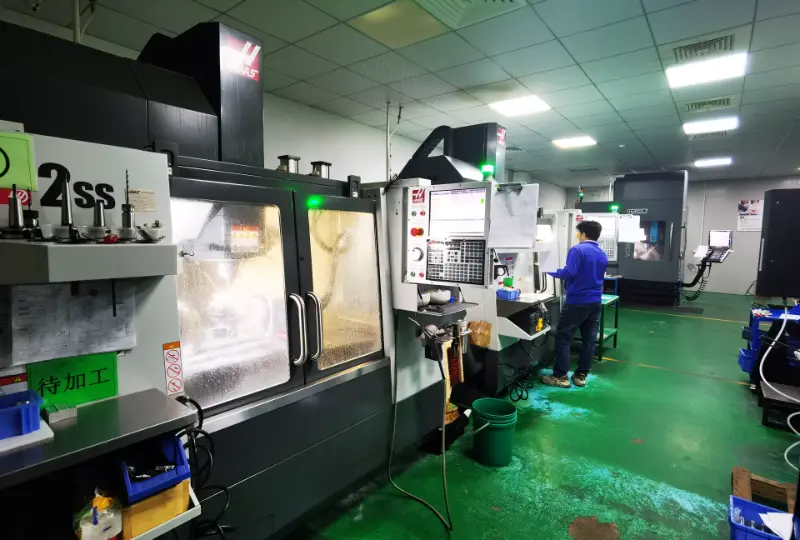
مجالات التطبيق والمكونات المشتركة
ناقل الحركة الميكانيكي وأجزاء التآكل
- البطانات، والمحامل، والمنزلق، وغسالات التآكل
- تروس دودية برونزية مقترنة بديدان فولاذية لتقليل الضوضاء والتآكل
أنظمة المضخات والصمامات
- أجسام الصمامات، ومقاعد الصمامات، والبكرات، وحلقات تآكل المضخة، ومقاعد منع التسرب
- يفضل استخدام برونز الألومنيوم أو برونز السيليكون في مياه البحر أو البيئات المالحة
المعدات البحرية والبحرية
- مكونات المروحة، وبطانات العمود، والمثبتات المقاومة لمياه البحر، وتجهيزات سطح السفينة
- السبيكة النموذجية: برونز الألومنيوم
التطبيقات الكهربائية والمقاومة للانفجار
- تستخدم بعض التطبيقات الخصائص منخفضة الشرر لسبائك النحاس، وفقًا للمعايير ذات الصلة
أفضل المواد البرونزية للتشغيل الآلي
لسهولة الخراطة والطحن، والفعالية العالية من حيث التكلفة، والإنتاج المستقر:
- C93200 / SAE 660 (برونز المحمل)
قابلية ممتازة للتشغيل الآلي، ومقاومة التآكل، وأداء ممتاز ضد التآكل. مناسب للبطانات والمحامل ومكونات التآكل.
لقوة عالية ومقاومة عالية لمياه البحر:
- C95400 (ألومنيوم برونزي)
أقوى وأكثر مقاومة للتآكل، ومناسبة للمكونات البحرية ومكونات المضخات/الصمامات الحرجة والمضخات/ الصمامات الحساسة، ولكن مع تآكل أعلى للأدوات.
لمقاومة التآكل وقابلية اللحام:
- C65500 (برونز السيليكون)
مظهر جيد، ومقاومة التآكل، وقابلية اللحام، ومناسبة للأجهزة الساحلية والمثبتات المقاومة للتآكل.
مقارنة قابلية التشغيل الآلي بين البرونز والنحاس الأصفر
في معظم الحالات، يكون البرونز أصعب في الماكينة من النحاس الأصفر.
يوفر العديد من النحاس الأصفر، وخاصةً النحاس المحتوي على رصاص، قدرة ممتازة على كسر البُرادة ومقاومة منخفضة للقطع، مما يؤدي إلى سلاسة في التشغيل الآلي.
البرونز بشكل عام أكثر صلابة ومقاومة للتآكل، مما قد يؤدي إلى استمرار البُرادة وتلطيخ السطح وزيادة تآكل الأداة، خاصةً مع برونز الألومنيوم.
ومع ذلك، فإن البرونز المحمل (C93200) ليس من الصعب بشكل خاص في الماكينة - فقط أقل تسامحًا من النحاس الأصفر الذي يتم تشكيله بحرية.
كيفية تنظيف الأجزاء البرونزية؟ هل يمكن استخدام WD-40؟
طرق التنظيف الموصى بها
غبار خفيف أو بصمات أصابع خفيفة:
ماء دافئ ومنظف معتدل وقطعة قماش ناعمة. جففيها جيداً بعد الشطف.
بقايا الزيت أو سائل التقطيع:
مزيل الشحوم المحايد أو كحول الأيزوبروبيل (IPA). تأكد من التجفيف الكامل بعد التنظيف.
أكسدة خفيفة أو سواد خفيف:
منظفات النحاس/البرونز الخفيفة، أو عصير الليمون المخفف أو الخل متبوعًا بالشطف والتجفيف الفوري. يجب أن يكون التنظيف الحمضي قصير الأجل فقط.
هل يمكن استخدام WD-40؟
نعم، ولكن في المواقف المناسبة فقط.
الاستخدامات المناسبة ل WD-40:
- إزاحة الرطوبة
- إزالة الزيت الخفيف
- حماية مؤقتة من الصدأ أو التآكل
غير موصى به لـ:
- الأسطح التي تتطلب الطلاء أو الربط أو استخدام المواد اللاصقة
- التشحيم طويل الأجل للمكونات المنزلقة الدقيقة
تتمثل الطريقة الأكثر أمانًا في: التنظيف ← التجفيف ← استخدام زيت أو شمع واقي مناسب بناءً على ظروف الخدمة.
المواد التي يمكن أن تتآكل البرونز
البرونز مقاوم للتآكل بشكل عام ولكنه ليس محصناً ضد التآكل.
البيئات عالية الخطورة
- البيئات المحتوية على الأمونيا (NH₃)، والتي قد تسبب التآكل الإجهادي
- الأحماض القوية أو الأحماض المؤكسدة مثل حمض النيتريك
- البيئات المحتوية على الكبريتيد (H₂S)، مما يتسبب في ظهور أغشية كبريتيدية سوداء
- بيئات غنية بالكلوريد (مياه البحر، رذاذ الملح)، مما يؤدي إلى التآكل الناتج عن التنقر أو التآكل الشقوق
- التآكل الجلفاني عند التلامس مع معادن غير متشابهة في الإلكتروليتات
نصائح عملية للوقاية العملية
- تجنب التعرض لفترات طويلة للأحماض أو القلويات القوية
- يفضل الألومنيوم أو برونز السيليكون للبيئات الساحلية
- استخدام العوازل أو المواد المانعة للتسرب أو الطلاءات لعزل المعادن غير المتشابهة
هل البرونز معدن خردة ثمين؟
وعموماً، يعتبر البرونز معدن خردة ثمين نسبياً.
وباعتباره سبيكة أساسها النحاس، فإن البرونز له قيمة عالية في إعادة التدوير، ويُصنَّف كمعدن غير حديدي عالي القيمة.
ومع ذلك، تعتمد قيمة الخردة على نوع السبيكة، والنقاء، والتلوث برقائق الصلب أو الطلاءات، وظروف السوق المحلية.
يوصى بفصل البُرادة البرونزية حسب نوع السبيكة أثناء التصنيع الآلي، حيث يمكن أن تكون الفروق في الأسعار كبيرة.
هل يمكن أن يكون البرونز حادًا مثل الفولاذ؟
يمكن شحذ البرونز إلى حافة حادة للغاية، ولكن لا يمكن أن يحافظ على حدته مثل الفولاذ.
يحقق الفولاذ المقوى للأدوات صلابة أعلى ومقاومة أعلى للتآكل من خلال المعالجة الحرارية، مما يؤدي إلى الاحتفاظ بحافة أفضل.
تفتقر معظم أنواع البرونز إلى الصلابة المطلوبة لحواف القطع التي تدوم طويلاً وتميل إلى التبلّد أو التدحرج بسهولة أكبر.
ولذلك، يمكن شحذ البرونز بشكل مؤقت ولكنه ليس مثاليًا لتطبيقات أدوات القطع.
الخاتمة
لا يتعلق تصنيع البرونز آليًا باختيار سبيكة نحاسية فحسب، بل يتعلق بالموازنة بين الأداء الميكانيكي وقابلية التشغيل الآلي ومقاومة التآكل وموثوقية الخدمة طويلة الأجل. من خلال فهم درجات البرونز الدولية، والخصائص الميكانيكية الرئيسية، وعمليات التصنيع المناسبة، ومخاطر التآكل، وطرق الصيانة المناسبة، يمكن للمهندسين والمشترين اتخاذ قرارات أكثر استنارة بشأن المواد والتصنيع.
سواء تم استخدامه في المحامل، أو البطانات، أو التروس الدودية، أو مكونات المضخات والصمامات، أو التطبيقات البحرية، يظل البرونز مادة هندسية مجربة توفر أداءً مستقرًا عبر مجموعة واسعة من ظروف التشغيل. يعد الاختيار الصحيح للمواد واستراتيجية التصنيع المناسبة أمرًا ضروريًا لتحقيق مزايا البرونز في التصنيع الآلي باستخدام الحاسوب إذا كنت ترغب في معرفة المزيد من التفاصيل أو الحصول على سعر تصنيع البرونز، فلا تتردد في تواصل معنا.