في أنظمة السباكة والصرف الصحي، فإن خزانة الأوفست شفة ليس مكونًا قياسيًا مستخدمًا بشكل متكرر. ومع ذلك، عندما يكون أنبوب تصريف المرحاض غير محاذٍ ولا يكون نقل السباكة إلى مكان آخر ممكناً، فإنه غالباً ما يصبح واحدة من أكثر الحلول فعالية من حيث التكلفة وأقلها خطورة. يعد فهم حدود تطبيقها وخيارات المواد وطرق التركيب وعمليات التصنيع أمرًا ضروريًا لكل من المهندسين والمشترين.
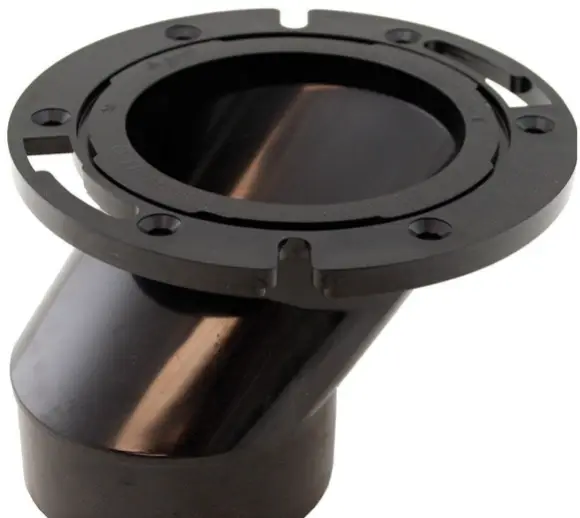
ما هي شفة خزانة الإزاحة؟
شفة خزانة الإزاحة هي شفة المرحاض التي يكون مخرجها إزاحة أفقية من الخط المركزي للشفةتسمح بالربط بين المرحاض وأنبوب التصريف غير المحاذي تماماً. على عكس الشفاه المستقيمة القياسية، فهي لا تهدف إلى مسار التصريف الأكثر مباشرةً ولكنها بدلاً من ذلك تعوض عن اختلال المحاذاة الموضعية.
من من المنظور الهندسي، فإن شفة الإزاحة هي المكون التصحيحي الوظيفي، ليس الخيار المفضل في ظروف التركيب المثالية.
لماذا تستخدم شفة خزانة الإزاحة؟
يعد اختلال محاذاة أنابيب التصريف أمرًا شائعًا في التركيبات في العالم الحقيقي، خاصةً في المباني القديمة أو التجديدات أو المساحات المقيدة بالعناصر الهيكلية.
تتمثل القيمة الأساسية لشفة خزانة الإزاحة في أنها يسمح بتركيب المرحاض دون كسر الأرضيات الجاهزة أو نقل أنابيب الصرف الموجودة. وهذا يجعلها جذابة بشكل خاص لمشاريع التجديد حيث يجب تقليل الوقت والتكلفة والتأثير الهيكلي إلى أدنى حد ممكن.
المواد المتاحة لفلنجات خزانة الإزاحة
يؤثر اختيار المواد بشكل مباشر على المتانة والموثوقية والتكلفة.
- بولي كلوريد الفينيل: الخيار الأكثر شيوعًا، مقاوم للتآكل وخفيف الوزن وفعال من حيث التكلفة للاستخدام السكني
- ABS: مقاومة الصدمات أفضل من PVC، وتستخدم على نطاق واسع في سوق أمريكا الشمالية
- حديد مصبوب: قوة عالية وعمر تشغيلي طويل، وتستخدم عادةً في المباني القديمة أو التطبيقات التجارية
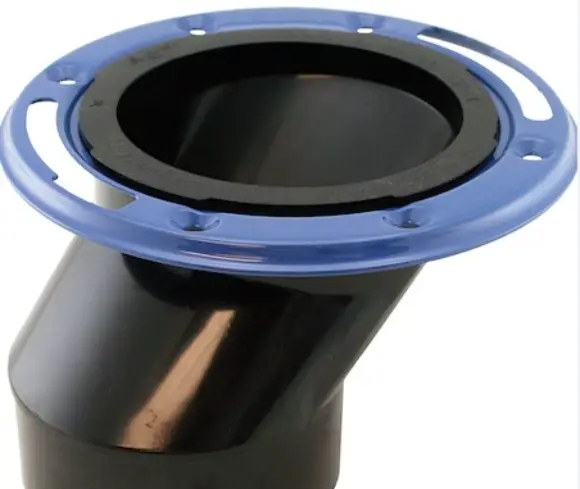
- التصاميم المركبة: هيكل من البلاستيك مع حلقة شفة من الفولاذ المقاوم للصدأ أو الفولاذ المجلفن، لتحقيق التوازن بين القوة والتكلفة
في الوقت الحالي, الهياكل المركبة هي الحل الأكثر قبولاً على نطاق واسع في الأسواق السكنية.
الأحجام الشائعة وسيناريوهات التطبيق
أحجام التصريف النموذجية
- 3 بوصة (75 مم تقريباً)
- 4 بوصات (110 مم تقريباً، الأكثر شيوعاً)
مسافات الإزاحة الشائعة
- 25 مم (1 بوصة)
- 38 مم (1.5 بوصة)
- 50 مم (2 بوصة)
تزيد الإزاحات الأكبر من مقاومة التدفق، لذا لا ينبغي استخدام حواف الإزاحة للتصحيح المفرط.
طرق التثبيت لسيناريوهات مختلفة
الإنشاءات الجديدة
في الإنشاءات الجديدة، عادةً ما يتم تصحيح محاذاة التصريف أثناء التركيب الخشن، مما يجعل الشفاه القياسية الخيار الأول. ونادراً ما تكون هناك حاجة إلى حواف الإزاحة.
مشاريع التجديدات
هذا هو التطبيق الأكثر شيوعًا لحواف الخزانة المتوازنة. استبدال الحافة الحالية يجنبك هدم الأرضية بشكل كبير ويقلل من تكاليف العمالة.
تشطيب الأرضيات
عندما تكون الأرضيات قد اكتملت بالفعل، يصبح ارتفاع الحافة الدقيق ومانع التسرب المناسب أمرًا بالغ الأهمية. يجب أن تكون الحافة متدفقة مع الأرضية الجاهزة ومثبتة بحلقات إحكام مناسبة.

اختيار عملية التصنيع
تعني الهندسة الهندسية لفلنجات خزانة الإزاحة أن لا يتم استخدام التصنيع باستخدام الحاسب الآلي بنظام التحكم الرقمي كطريقة تصنيع أساسيةولكنها لا تزال تلعب دورًا داعمًا مهمًا.
القولبة بالحقن
- تستخدم ل بولي كلوريد الفينيل وفلنجات ABS
- تشكيل مسار تدفق الإزاحة في خطوة واحدة
- منخفضة التكلفة ومثالية للإنتاج بكميات كبيرة
هذا هو طريقة التصنيع السائدة للمنتجات السكنية.
الصب
- بشكل أساسي لحواف الإزاحة المصنوعة من الحديد الزهر
- عادةً ما يتبعها تصنيع آلي لأسطح الختم
- قوة عالية ولكن بوزن وتكلفة أعلى
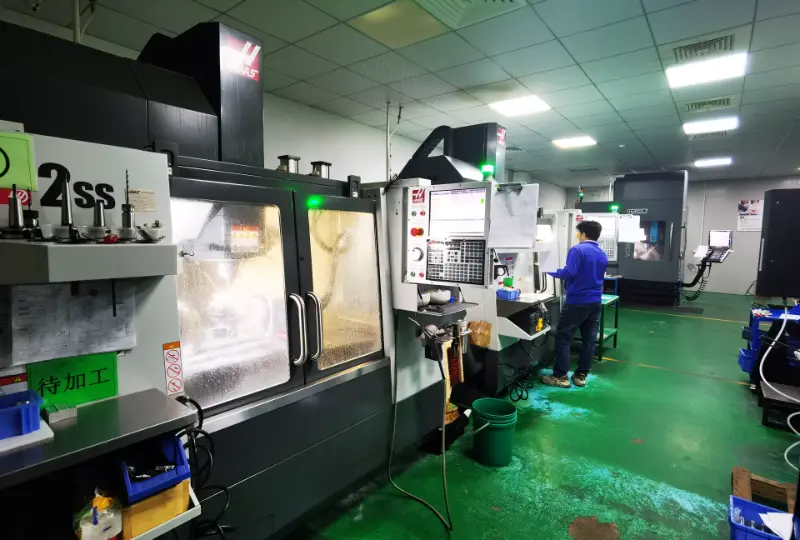
التصنيع الآلي باستخدام الحاسب الآلي
- غير مناسب للتشغيل الآلي لجسم الحافة بالكامل
- يشيع استخدامها لـ
- تشطيب حلقات الحافة المعدنية
- تنقية الأسطح المانعة للتسرب على حديد الزهر الشفاه
- مكوّنات معدنية صغيرة الحجم مخصصة حسب الطلب
في هذه الفئة من المنتجات, يُعد التصنيع الآلي باستخدام الحاسب الآلي بمثابة عملية تحسين الدقة بدلاً من عملية التشكيل.
الختم والتجميع
- عادة ما يتم ختم حلقات الحافة المعدنية
- مجمعة بأجسام بلاستيكية
- يوفر توازناً جيداً بين التكلفة والقوة الهيكلية
استراتيجيات خفض التكاليف حسب عملية التصنيع
- القولبة بالحقن: القوالب متعددة التجاويف والسماكة المحسنة للجدار تقلل من تكلفة الوحدة
- الصب: الأبعاد الموحدة تقلل من التصنيع الآلي الثانوي
- الحد التصنيع الآلي باستخدام الحاسب الآلي على أسطح التلامس الحرجة، مثل أوجه الختم وثقوب البراغي. من خلال تجنب CNC على المناطق غير الوظيفية، يمكن للمصنعين تقليل وقت التصنيع الآلي وتكلفة الإنتاج بشكل كبير.
يعتمد التحكم الفعال في التكاليف على التخصيص السليم للعمليات.
كيفية شراء شفة خزانة خزانة الإزاحة
تشمل العوامل الرئيسية التي يجب التحقق منها قبل الشراء ما يلي:
- التوافق مع حجم الصرف
- مسافة الإزاحة المطلوبة
- الامتثال لقوانين السباكة المحلية
- وجود حلقة شفة معدنية
- الملاءمة للسوق المستهدفة (على سبيل المثال، معايير أمريكا الشمالية)
كيفية العثور على مورد موثوق به
عادةً ما يقدم مورد شفة خزانة الإزاحة الذي يمكن الاعتماد عليه:
- قدرة حقن أو صب مستقرة للحقن أو الصب
- الإلمام بمعايير السباكة الإقليمية
- جودة أبعاد متسقة في الإنتاج الضخم
- خبرة التصدير ووثائق الامتثال الأساسية
لهذا النوع من المنتجات, غالبًا ما تكون الموثوقية على المدى الطويل أكثر أهمية من السعر الأقل.
خيارات شفة الخزانة الأخرى إلى جانب الإزاحة
شفة الخزانة القياسية
النوع الأكثر شيوعًا والموصى به، مع محاذاة التصريف مع خط وسط المرحاض. وهو يوفر أفضل أداء تصريف وأقل مخاطر تركيب في الظروف القياسية.
شفة الإصلاح
مصممة لاستعادة الوظيفة عندما تكون الشفة الموجودة متصدعة أو مكسورة أو مفكوكة، دون إزالة أنبوب التصريف. يشيع استخدامها في أعمال الصيانة والتجديد.
شفة قابلة للتعديل
تسمح بتعديل موضعي أو زاوي محدود للمحاذاة الخاطئة الطفيفة. لها تأثير أقل على التصريف من الشفاه الإزاحة ولكنها تتطلب تركيباً أكثر دقة.
شفة ملائمة داخلية
يتم تركيبها داخل أنبوب التصريف عندما يكون القطر الخارجي مقيداً أو عندما تكون الشفة الأصلية تالفة تماماً. ولأنها تقلل من قطر الأنبوب الفعال، فهي مناسبة بشكل أفضل للحمامات السكنية منخفضة الاستخدام.
الخاتمة
أن شفة خزانة الإزاحة ليست حلاً قياسيًا للتركيب، ولكنها حل هندسي تصحيحي. تكمن قيمته الحقيقية في توفير خيار عملي ويمكن التحكم فيه وفعال من حيث التكلفة عندما تكون ظروف التركيب محدودة.
من خلال اختيار المواد والأحجام وعمليات التصنيع المناسبة - والعمل مع موردين موثوقين - يمكن أن توفر حواف الخزانة المعادلة أداءً مستقرًا في تطبيقات التجديدات السكنية والتعديل التحديثي. إن معرفة متى تستخدمها ومتى لا تستخدمها أمر بالغ الأهمية لاتخاذ قرارات هندسية وشرائية سليمة، إذا كنت ترغب في الحصول على عرض أسعار فوري، فلا تتردد في تواصل معنا.
الأسئلة الشائعة
إلى أي مدى ستحرك شفة الإزاحة المرحاض؟
معظم حواف خزانة الإزاحة تحرك المرحاض 1 إلى 2 بوصة (25-50 مم) أفقياً. توجد إزاحات أكبر ولكنها أقل شيوعاً وقد تؤثر سلباً على أداء الصرف.
هل يمكنني استخدام شفة المرحاض الإزاحة؟
نعم، من المقبول استخدام شفة مرحاض الإزاحة عندما لا يمكن تصحيح محاذاة الصرف دون إجراء أعمال هيكلية كبيرة. من الأفضل استخدامه كحل تصحيحي وليس كخيار تركيب قياسي.
هل يسهل انسداد حواف المرحاض الأوفست أسهل؟
حواف المرحاض الإزاحة يمكن أن تنسد أسهل قليلاً من الشفاه القياسية بسبب مسار التدفق المنحني، خاصةً إذا كانت الإزاحة كبيرة. يساعد التركيب السليم وتجنب الإزاحة المفرطة في تقليل هذا الخطر.
كيفية تركيب شفة إزاحة للمرحاض؟
تثبيت شفة الإزاحة تتدفق مع الأرضية النهائيةقم بمحاذاة الأنبوب بشكل صحيح مع أنبوب التصريف، وقم بتثبيته بإحكام، واستخدم شمعًا مناسبًا أو حلقة مانعة للتسرب. فالوضع الدقيق والإحكام الدقيق ضروريان لمنع التسربات ومشاكل الروائح الكريهة.