PET und PETG sind zwar beide thermoplastische Polyester, jedoch nicht austauschbar. PET ist eine breite Materialfamilie, die Produkte in Flaschen-, Folien-, Faser- und Technikqualität umfasst. In der zerspanenden Industrie bezieht sich PET-P oder PETP in der Regel auf teilkristallines PET für technische Anwendungen. PETG hingegen ist ein modifizierter amorpher Copolyester, der für seine Transparenz, Zähigkeit und Thermoverformbarkeit bekannt ist.
Bei der CNC-Bearbeitung wird PET-P in der Regel aufgrund seiner Steifigkeit, Verschleißfestigkeit, Kriechfestigkeit und Formstabilität ausgewählt, wodurch es sich für Präzisionsbauteile, Zahnräder, Buchsen und Führungskomponenten eignet. PETG wird häufiger für transparente Abdeckungen, Sichtfenster, Verkleidungen und leicht belastete Schutzkomponenten verwendet. In diesem Artikel werden die chemische Struktur, die mechanischen Eigenschaften, die physikalischen und thermischen Eigenschaften, die elektrischen Eigenschaften, die chemische Beständigkeit, die CNC-Bearbeitbarkeit sowie die Kriterien für die Materialauswahl verglichen.
Was sind PET und PETG?
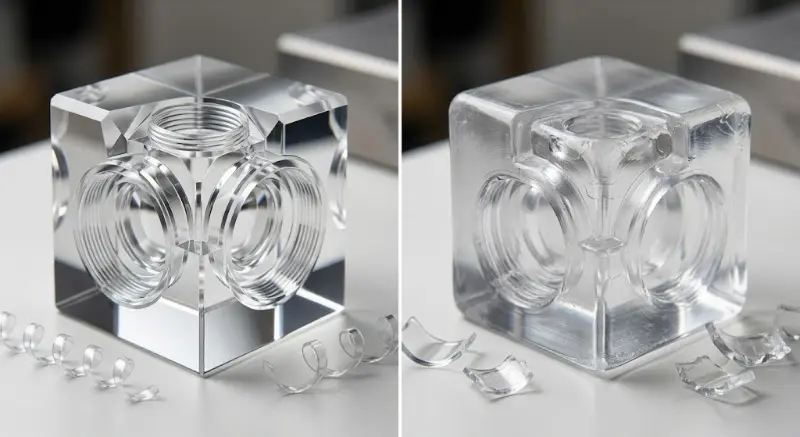
PET und PETG gehören zur gleichen Familie thermoplastischer Polyester, unterscheiden sich jedoch in ihrer Struktur und ihren Leistungsmerkmalen. PET ist die Grundstofffamilie, PET-P ist eine gebräuchliche Bezeichnung für teilkristallines PET in technischer Qualität, und PETG ist eine durch Copolymer modifizierte Form von PET.
Was ist PET?
PET steht für Polyethylenterephthalat. Es wird in der Regel durch Polykondensation von Terephthalsäure und Ethylenglykol hergestellt. Je nach Kristallinität, Qualität und Verarbeitungsverfahren kann PET für Flaschen, Folien, Fasern und technische Bauteile verwendet werden. Daher können sich verschiedene PET-Produkte hinsichtlich ihrer Transparenz, Steifigkeit, Hitzebeständigkeit und mechanischen Eigenschaften erheblich unterscheiden.
In diesem Artikel bezieht sich PET in erster Linie auf PET in technischer Qualität, das für Platten, Stäbe und CNC-gefräste Bauteile verwendet wird, und nicht auf herkömmliches PET in Flaschen- oder Folienqualität. Technisches PET zeichnet sich in der Regel durch hohe Steifigkeit, geringe Feuchtigkeitsaufnahme und gute Dimensionsstabilität aus, wodurch es sich für Bauteile eignet, die präzise Passgenauigkeit oder langfristige Belastbarkeit erfordern.
Was ist PET-P?
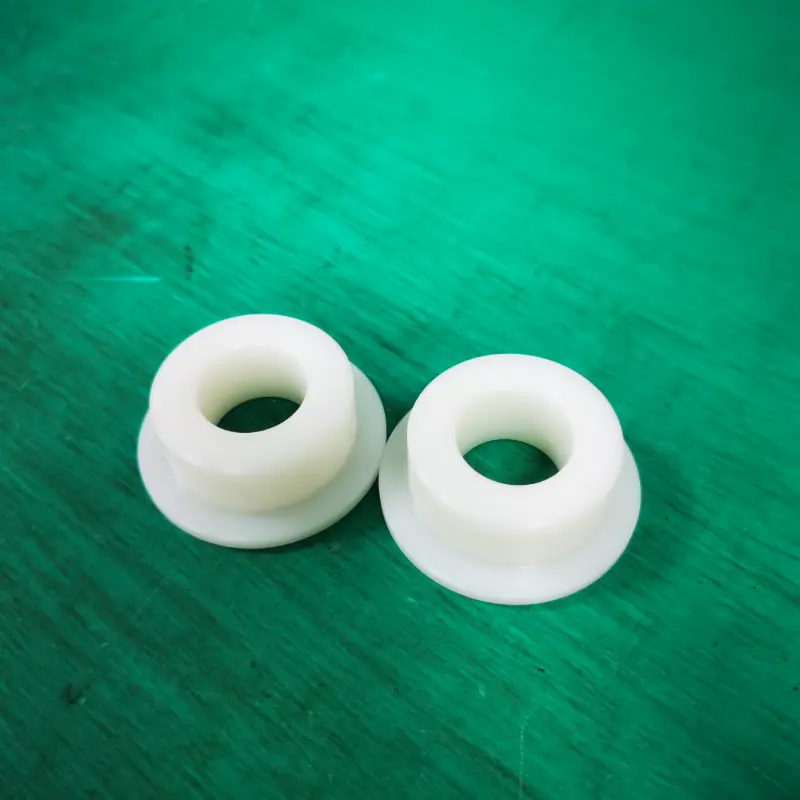
PET-P, auch geschrieben als PETP, bezeichnet im Allgemeinen eine teilkristalline, für technische Anwendungen geeignete Form von PET. Es handelt sich dabei nicht um ein eigenständiges Polymer, sondern um eine PET-Variante, die im Hinblick auf verbesserte mechanische Festigkeit, Dimensionsstabilität, Verschleißfestigkeit und Bearbeitbarkeit entwickelt wurde. Es wird üblicherweise in Form von Platten, Stäben und Rohren angeboten.
PET-P is frequently machined into gears, bushings, rollers, guide components, electrical insulators, and precision structural parts. For this reason, the mechanical and machining properties of PET discussed in this article mainly refer to PET-P.
Was ist PETG?
PETG steht für Glykolmodifiziertes Polyethylenterephthalat. Es wird hergestellt, indem Comonomere wie CHDM in das PET-Polymersystem eingebracht werden, wodurch die Kristallisationsneigung des Materials verringert wird und es überwiegend amorph bleibt.
Diese Struktur verleiht PETG eine hohe Transparenz, gute Zähigkeit und einen breiten Verarbeitungsbereich. Es wird häufig für transparente Schutzvorrichtungen, Sichtfenster, Platten und Gehäuse verwendet. PETG lässt sich auch CNC-fräsen, bohren, schneiden und drehen, obwohl es aufgrund seiner relativ weichen Oberfläche empfindlicher gegenüber Schnittwärme, Kratzern und Spanndruck ist.
PET vs. PETG auf einen Blick
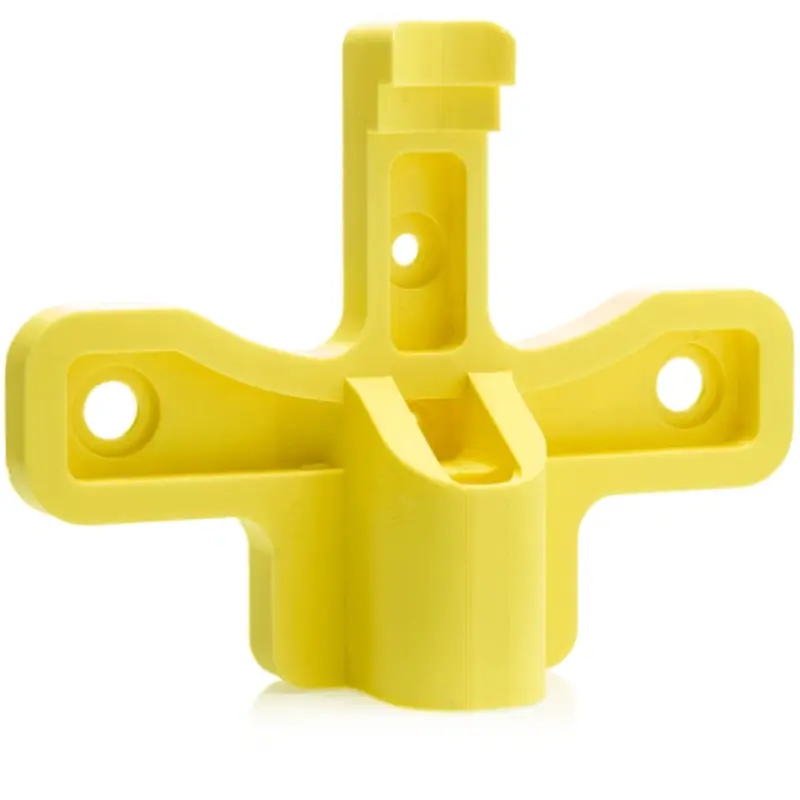
Die folgende Tabelle zeigt die acht Faktoren auf, die für die CNC-Bearbeitung und die Materialauswahl am relevantesten sind.
| Vergleichsfaktor | PET / PET-P | PETG |
|---|---|---|
| Steifigkeit | Hoch; geeignet für tragende Bauteile | Mäßig; geeignet für Teile mit geringer Beanspruchung |
| Schlagzähigkeit | Mäßig | Höher |
| Stabilität der Abmessungen | Gut; geeignet für enge Toleranzen | Mäßig |
| Abriebfestigkeit | Gut | Begrenzt |
| Hitzebeständigkeit | Höher | Niedriger und hitzeempfindlicher |
| Feuchtigkeitsaufnahme | Niedrig | Niedrig |
| CNC-Bearbeitbarkeit | Gut geeignet zum Drehen, Fräsen, Bohren und Gewindeschneiden | Lässt sich bearbeiten, allerdings muss die Schnittwärme kontrolliert werden |
| Häufige Probleme bei der Bearbeitung | Grate und Verformungen an dünnen Wänden | Schmelzen, Anhaftung am Werkzeug und Oberflächenkratzer |
Insgesamt eignet sich PET-P besser für präzise, verschleißfeste und tragende Bauteile, während PETG eher für transparente, schlagfeste und leicht belastete Teile geeignet ist.
Chemische Zusammensetzung und Molekülstruktur
PET wird durch Polykondensation von Terephthalsäure (PTA) und Ethylenglykol (EG) hergestellt. Je nach Verarbeitungsbedingungen kann es entweder eine amorphe oder eine teilkristalline Struktur bilden. Das für die CNC-Bearbeitung verwendete PET-P ist in der Regel teilkristallin, was ihm eine höhere Steifigkeit, Verschleißfestigkeit und Formstabilität verleiht.
PETG ist ein modifiziertes Copolyester, das durch Einbau von Comonomeren wie CHDM in die PET-Polymerkette hergestellt wird. Diese Modifikation unterdrückt die Kristallisation, wodurch PETG weitgehend amorph bleibt. Dadurch bietet PETG eine bessere Transparenz und Zähigkeit, allerdings sind seine Steifigkeit, Wärmebeständigkeit und langfristige Dimensionsstabilität im Allgemeinen geringer als die von PET-P.
Mechanische Eigenschaften
Die folgenden Werte dienen zum Vergleich repräsentativer PET-P- und PETG-Werkstoffe in technischer Qualität. Die tatsächlichen Werte können je nach Typ, Dicke, Temperatur und Prüfverfahren variieren.
| Mechanische Eigenschaften | PET / PET-P | PETG |
|---|---|---|
| Streckgrenze | ca. 83 MPa | ca. 50 MPa |
| Zugmodul | ca. 3,17 GPa | ca. 2,03 GPa |
| Biegefestigkeit | ca. 117 MPa | ca. 68 MPa |
| Biegemodul | ca. 3,31 GPa | ca. 2,06 GPa |
| Bruchdehnung | ca. 30% | ca. 180% |
| Izod-Schlagzähigkeit mit Kerbe | ca. 27 J/m | ca. 105 J/m |
| Rockwell-Härte | ca. 125 Rand | ca. R108 |
Zugfestigkeit und Steifigkeit
PET-P weist in der Regel eine höhere Streckgrenze und einen höheren Zugmodul auf als PETG, wodurch es unter Belastung weniger leicht verbiegt oder seine Form verliert. Es eignet sich daher besser für Stützkomponenten, Befestigungsblöcke, Präzisionspassteile und Bauteile, die dauerhaften mechanischen Belastungen ausgesetzt sind.
PETG weist eine geringere Steifigkeit, dafür aber eine höhere Duktilität auf, wodurch es sich besser für transparente Gehäuse, Schutzabdeckungen und Bauteile eignet, die keine hohen Belastungen aufnehmen müssen.
Biegefestigkeit
PET-P weist eine Biegefestigkeit von etwa 117 MPa und einen Biegemodul von rund 3,31 GPa auf, wodurch es eine höhere Biegefestigkeit aufweist. Dadurch eignet es sich für lange Bauteile, dünne Trägerplatten und bearbeitete Teile, bei denen die Ebenheit gewahrt bleiben muss.
PETG weist einen geringeren Biegemodul auf und neigt bei dauerhafter Belastung oder erhöhten Temperaturen eher zur Verformung, weshalb es sich besser für Anwendungen mit geringer Beanspruchung eignet.
Schlagfestigkeit und Zähigkeit
PETG weist im Allgemeinen eine deutlich höhere Bruchdehnung und Kerbschlagzähigkeit auf als PET-P. Es kann vor dem Versagen größere Verformungen aufnehmen und eignet sich daher für transparente Schutzvorrichtungen und Gehäuse, die Stößen, Stürzen oder Vibrationen ausgesetzt sein können.
Bei PET-P stehen Steifigkeit und Formstabilität im Vordergrund und nicht die hohe Schlagzähigkeit. Dünne Wände, scharfe Ecken und Kerben sollten daher sorgfältig konstruiert werden, um Spannungskonzentrationen zu vermeiden.
Härte, Verschleiß und Kriechen
PET-P weist in der Regel eine höhere Oberflächenhärte als PETG auf und bietet somit eine bessere Beständigkeit gegen Eindrücke und Verschleiß. Es wird häufig für Zahnräder, Buchsen, Rollen und Führungskomponenten verwendet.
PET-P weist zudem eine bessere Kriechfestigkeit auf, wodurch es seine Abmessungen unter Dauerbelastung besser beibehält. PETG neigt eher dazu, sich unter Langzeitbelastung oder bei erhöhten Temperaturen allmählich zu verformen.
Physikalische und thermische Eigenschaften
Die folgenden Werte sind repräsentativ für PET-P- und PETG-Platten in technischer Qualität. Die genauen Werte sollten anhand des technischen Datenblatts des Lieferanten überprüft werden.
| Eigentum | PET / PET-P | PETG |
|---|---|---|
| Dichte | ca. 1,41 g/cm³ | ca. 1,27 g/cm³ |
| Wasseraufnahme über 24 Stunden | ca. 0,071 TP3T | ca. 0,201 TP3T |
| Wärmeformbeständigkeitstemperatur bei 1,8 MPa | ca. 116 °C | ca. 68 °C |
| Linearer Wärmeausdehnungskoeffizient | ca. 5,9 × 10⁻⁵/°C | ca. 7,0 × 10⁻⁵/°C |
| Referenz-Betriebstemperatur | Bis zu ca. 110 °C | In der Regel ca. −40 bis 60 °C |
Dichte und Feuchtigkeitsaufnahme
PET-P ist etwas dichter als PETG, obwohl beide Materialien eine relativ geringe Feuchtigkeitsaufnahme aufweisen. Dank der geringeren Wasseraufnahme und der höheren Steifigkeit von PET-P bleibt die Maßhaltigkeit auch bei schwankenden Feuchtigkeitsbedingungen erhalten.
PETG nimmt zudem deutlich weniger Feuchtigkeit auf als Materialien wie Nylon, weist jedoch bei Anwendungen mit engen Toleranzen oder langfristiger Belastung im Allgemeinen eine geringere Formstabilität auf als PET-P.
Transparenz und Erscheinungsbild
PET-P in technischer Qualität wird üblicherweise in den Farben Natur, Weiß, Grau oder Schwarz angeboten. Es wird in erster Linie aufgrund seiner mechanischen Eigenschaften, seiner Verschleißfestigkeit und seiner Formstabilität ausgewählt und weniger wegen seiner Transparenz.
PETG zeichnet sich in der Regel durch hohe Transparenz und einen hohen Oberflächenglanz aus, wodurch es sich für Sichtfenster, Displaykomponenten, transparente Gehäuse und Maschinenschutzvorrichtungen eignet. Seine Oberfläche ist jedoch anfälliger für Kratzer.
Hitzebeständigkeit
Unter gleichen Belastungsbedingungen weist PET-P im Allgemeinen eine deutlich höhere Wärmeformbeständigkeitstemperatur auf als PETG. Daher kann es seine Steifigkeit und Maßhaltigkeit bei erhöhten Temperaturen besser beibehalten.
PETG ist hitzeempfindlicher. Bei der CNC-Bearbeitung können eine zu hohe Spindeldrehzahl, ein zu geringer Vorschub oder eine unzureichende Spanabfuhr zu Erweichung, Werkzeuganhaftung und geschmolzenen Kanten führen.
Wärmeausdehnung und Formstabilität
PET-P weist im Allgemeinen einen niedrigeren linearen Wärmeausdehnungskoeffizienten auf als PETG, was bei Temperaturschwankungen zu geringeren Maßänderungen führt. Dadurch eignet es sich besser für Bauteile, bei denen enge Toleranzen, präzise Passungen und langfristige Maßhaltigkeit erforderlich sind.
PETG eignet sich besser, wenn Transparenz, Zähigkeit oder Optik wichtiger sind als eine strenge Maßhaltigkeit.
Elektrische Eigenschaften
Die folgenden Werte sind repräsentativ für unverstärkte PET-P- und PETG-Typen. Die Häufigkeit der Prüfungen, die Dicke und das Prüfverfahren können die Ergebnisse beeinflussen.
| Elektrische Eigenschaften | PET / PET-P | PETG |
|---|---|---|
| Dielektrizitätskonstante | ca. 3,4 | ca. 2,4 |
| Durchschlagfestigkeit | ca. 20 kV/mm | ca. 16,1 kV/mm |
| Volumenwiderstand | ca. 10¹⁸ Ω·cm | ca. 10¹⁵ Ω·cm |
| Oberflächenwiderstand | ca. 10¹⁶ Ω | ca. 10¹⁶ Ω/□ |
Sowohl PET-P als auch PETG weisen einen hohen spezifischen elektrischen Widerstand auf und können als allgemeine elektrische Isoliermaterialien verwendet werden. PET-P eignet sich aufgrund seiner besseren Dimensionsstabilität für Isolierblöcke, Halterungen und elektrische Präzisionsbauteile. PETG ist eher für transparente elektrische Abdeckungen und Schutzplatten geeignet.
Standard-PET-P und PETG sind von Natur aus weder antistatisch noch elektrisch leitfähig. Für Anwendungen, bei denen eine Statikkontrolle erforderlich ist, sollten Typen verwendet werden, die antistatische Additive oder leitfähige Füllstoffe enthalten.
Chemische Beständigkeit
PET-P und PETG rosten zwar nicht wie Metalle, doch der Kontakt mit ungeeigneten Chemikalien kann zu Quellung, Erweichung, Rissbildung, Transparenzverlust oder einer verminderten mechanischen Festigkeit führen.
| Chemisches Medium | PET / PET-P | PETG |
|---|---|---|
| Verdünnte Säuren | Gut | Gut |
| Öle und Schmierstoffe | Gut | Gut |
| Reinigungsmittel und Seifenlösungen | Gut | Gut |
| Alkohole | In der Regel akzeptabel | In der Regel akzeptabel |
| Starke Laugen | Schlecht; es kann zu einer Hydrolyse kommen | Eingeschränkt; es kann zu Schwellungen oder Rissen kommen |
| Aceton, Toluol und ähnliche Lösungsmittel | Nicht für längeren Kontakt empfohlen | Kann zu Trübungen, Erweichung oder Quellung führen |
| Heißwasser und Dampf | Begrenzter Widerstand | Begrenzter Widerstand |
| Konzentrierte Säuren | Mit Vorsicht verwenden | Kann schwere Schäden verursachen |
PET-P und PETG sind im Allgemeinen beständig gegen viele Öle, schwache Säuren und gängige Reinigungsmittel. Bei starken Laugen, Ketonen, aromatischen Lösungsmitteln und Umgebungen mit Hochtemperaturhydrolyse ist jedoch Vorsicht geboten. Transparente PETG-Teile können zudem trüb werden, Spannungsrisse entwickeln oder ihren Oberflächenglanz verlieren, wenn sie mit unverträglichen Chemikalien in Berührung kommen.
Die tatsächliche chemische Beständigkeit hängt von der Konzentration, der Temperatur, der Einwirkzeit, der Restspannung und der Werkstoffsorte ab. Bauteile, die in chemischen Anlagen, Reinigungssystemen oder Anwendungen mit langfristigem Eintauchen zum Einsatz kommen, sollten anhand der Kompatibilitätsdaten des Lieferanten und durch Tests mit den tatsächlich verwendeten Medien bewertet werden.
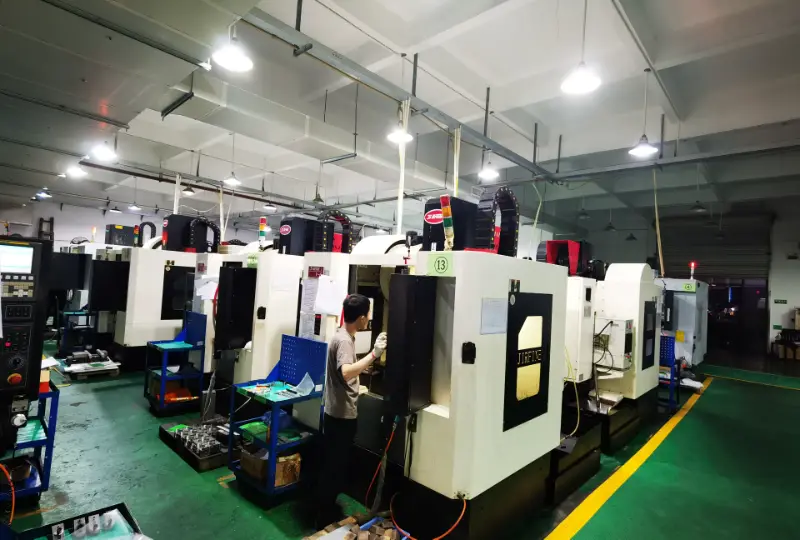
PET vs. PETG für die CNC-Bearbeitung
Sowohl PET-P als auch PETG lassen sich CNC-bearbeiten, unterscheiden sich jedoch hinsichtlich Schnittstabilität, Wärmeempfindlichkeit und Maßhaltigkeit.
CNC-Bearbeitung von PET / PET-P
- Schneidleistung: PET-P zeichnet sich durch hohe Steifigkeit und gute Stabilität beim Zerspanen aus und eignet sich daher zum Fräsen, Drehen, Bohren und für die Präzisionskonturbearbeitung.
- Maßgenauigkeit: Die geringe Wärmeausdehnung und Feuchtigkeitsaufnahme tragen dazu bei, die Position der Bohrungen, die Ebenheit und die Passmaße aufrechtzuerhalten.
- Oberflächenbehandlung: Scharfe Werkzeuge und geeignete Vorschubgeschwindigkeiten sorgen für eine gleichmäßige, saubere Bearbeitungsoberfläche.
- Bohren und Gewindeschneiden: PET-P eignet sich gut zum Bohren, Reiben, Gewindeschneiden und Drehen von Gewinden und weist relativ stabile Bohrungswände und Gewindeprofile auf.
- Verformungsrisiko: Dünnwandige Teile oder Bauteile, bei denen große Materialmengen abgetragen wurden, können sich verziehen, wenn innere Spannungen abgebaut werden.
- Typische Teile: Zahnräder, Buchsen, Rollen, Führungen, Isolatoren und Präzisionsbauteile.
CNC-Bearbeitung von PETG
- Schneidleistung: PETG lässt sich fräsen, bohren, schneiden und drehen, ist jedoch weicher und empfindlicher gegenüber Reibungswärme.
- Maßgenauigkeit: Die Schnitttemperatur und der Anpressdruck können einen größeren Einfluss auf die Endmaße haben.
- Oberflächenbehandlung: Transparente Oberflächen sind anfällig für Kratzer, Klemmspuren, Werkzeugspuren und punktuelle Verfärbungen.
- Bohren und Gewindeschneiden: Beim Bohren sollten die Späne regelmäßig entfernt werden, um eine Überhitzung zu vermeiden. Gewinde eignen sich am besten für leichte Befestigungen.
- Verformungsrisiko: Dünne Bleche und transparente Teile können sich bei zu hoher Spannkraft verziehen.
- Typische Teile: Sichtfenster, Maschinenschutzvorrichtungen, transparente Scheiben, Instrumentengehäuse und Anzeigekomponenten.
Tipps zur CNC-Bearbeitung von PET und PETG
Tipps zur Bearbeitung von PET / PET-P
- Verwenden Sie scharfe Hartmetallwerkzeuge: Scharfe Schneidkanten verringern die Schnittkraft, die Wärmeentwicklung und die Gratbildung.
- Halten Sie einen konstanten Vorschub ein: Ein zu niedriger Vorschub erhöht die Reibung, während ein zu hoher Vorschub die Kanten beschädigen kann.
- Material schrittweise entfernen: Vermeiden Sie tiefe Zerspanungstiefen bei der Bearbeitung dünnwandiger oder hochpräziser Teile.
- Späne unverzüglich entfernen: Spanansammlungen in tiefen Bohrungen und Nuten können zu lokaler Erwärmung und Oberflächenschäden führen.
- Regelung der Klemmkraft: Dünne Bleche, schlanke Teile und Präzisionsbauteile sollten nicht zu fest eingespannt werden.
- Eine Nahtzugabe einplanen: Lassen Sie das Werkstück nach der Grobbearbeitung erst einmal ruhen, bevor Sie mit der Endbearbeitung fortfahren.
Tipps zur Bearbeitung von PETG
- Verwenden Sie scharfe, polierte Werkzeuge: Dadurch werden Materialzug, das Anhaften des Werkzeugs und geschmolzene Kanten reduziert.
- Für ausreichend Futter sorgen: Vermeiden Sie es, dass das Schneidwerkzeug wiederholt an derselben Stelle reibt.
- Drehzahl der Spindel regeln: Eine zu hohe Geschwindigkeit in Verbindung mit einer unzureichenden Zufuhr kann das Material aufweichen.
- Verwenden Sie Druckluft: Druckluft verbessert die Kühlung und den Spanabtransport, ohne dass übermäßig viel Kühlflüssigkeit hinzugefügt werden muss.
- Transparente Oberflächen schützen: Lassen Sie die Schutzfolie darauf oder verwenden Sie weiche Polster, um Kratzer und Abdrücke durch die Klemmen zu vermeiden.
- Verwenden Sie die Peck-Bohrtechnik: Ziehen Sie den Bohrer regelmäßig zurück, um Späne zu entfernen und die Wärmeentwicklung zu verringern.
- Spannkraft verringern: Dünne Platten und transparente Abdeckungen sollten durch gleichmäßiges, druckarmes Festklemmen abgestützt werden.
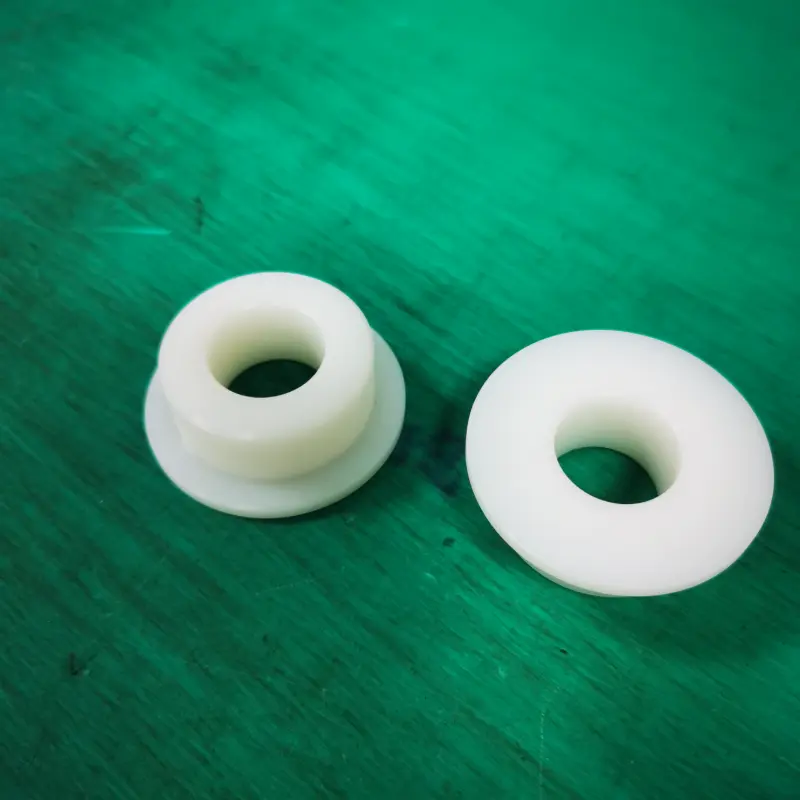
PET oder PETG: Für welches Material sollten Sie sich entscheiden?
Entscheiden Sie sich für PET / PET-P, wenn Sie Folgendes benötigen:
- Höhere Steifigkeit
- Enge Maßtoleranzen
- Bessere Verschleißfestigkeit
- Langfristige Tragfähigkeit
- Höhere Betriebstemperaturen
- Präzisionsfräsen, -drehen, -bohren oder -gewindeschneiden
- Zahnräder, Buchsen, Rollen und Führungskomponenten
Entscheiden Sie sich für PETG, wenn Sie Folgendes benötigen:
- Hohe Transparenz
- Bessere Schlagfestigkeit
- Transparente Maschinenschutzvorrichtungen oder Sichtfenster
- Gutes Erscheinungsbild der Oberfläche
- Sekundäres Warmbiegen oder Thermoformen
- Leichte, transparente Bauteile
- Bauteile mit moderaten Toleranzanforderungen
PETG sollte PET-P nicht allein aufgrund seiner höheren Schlagzähigkeit ersetzen, und PET-P ist für Anwendungen, die eine hohe Transparenz erfordern, nicht geeignet. Bei der endgültigen Materialauswahl sollten mechanische Belastung, Betriebstemperatur, Maßtoleranzen, Reibungsbedingungen, chemische Beanspruchung und Anforderungen an das Erscheinungsbild berücksichtigt werden.
Schlussfolgerung
Obwohl PET-P und PETG zur selben Polyesterfamilie gehören, werden sie für unterschiedliche technische Zwecke eingesetzt. PET-P eignet sich besser für präzise mechanische Bauteile, bei denen Steifigkeit, Verschleißfestigkeit, Kriechfestigkeit und Formstabilität gefragt sind. PETG ist eher für transparente, schlagfeste und gering belastete Bauteile wie Schutzvorrichtungen, Verkleidungen und Sichtfenster geeignet.
Weldo Im Bereich der Zerspanung bieten wir CNC-Fräsen, Drehen, Bohren und kundenspezifische Bearbeitungsdienstleistungen für PET-P, PETG und andere technische Kunststoffe. Senden Sie uns Ihre Zeichnungen und Anwendungsanforderungen, um Materialempfehlungen und ein Angebot für die Bearbeitung abhängig von der Bauteilgeometrie, den Leistungsanforderungen und der Komplexität der Fertigung.