
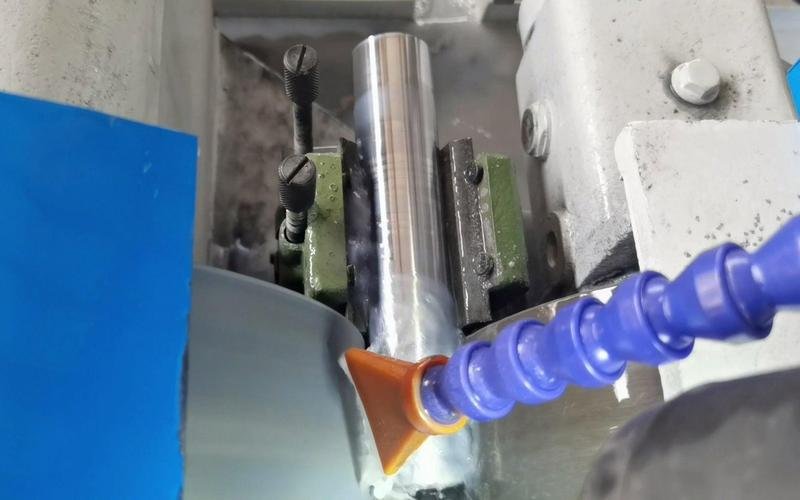
Centerless grinding
Precision and efficiency in centerless grinding solutions—achieve zero-error machining! Request a quote today for customized process solutions and cost optimization recommendations.
- Accuracy up to 0.005''
- ISO 9001:2015 Certified
- Include metal ,plastic,composite machining
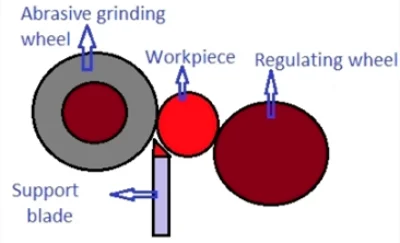
What is centerless grinding ?
Centerless grinding removes the need for fixtures by supporting the workpiece between a grinding wheel and a regulating wheel on a support blade. The regulating wheel controls rotation and feed, while the grinding wheel machines the outer diameter. Dynamic center adjustment corrects roundness errors, achieving 0.005–0.01 mm accuracy and Ra 0.1–0.025 μm finish.
Centerless Grinding Material Range
Metal material :
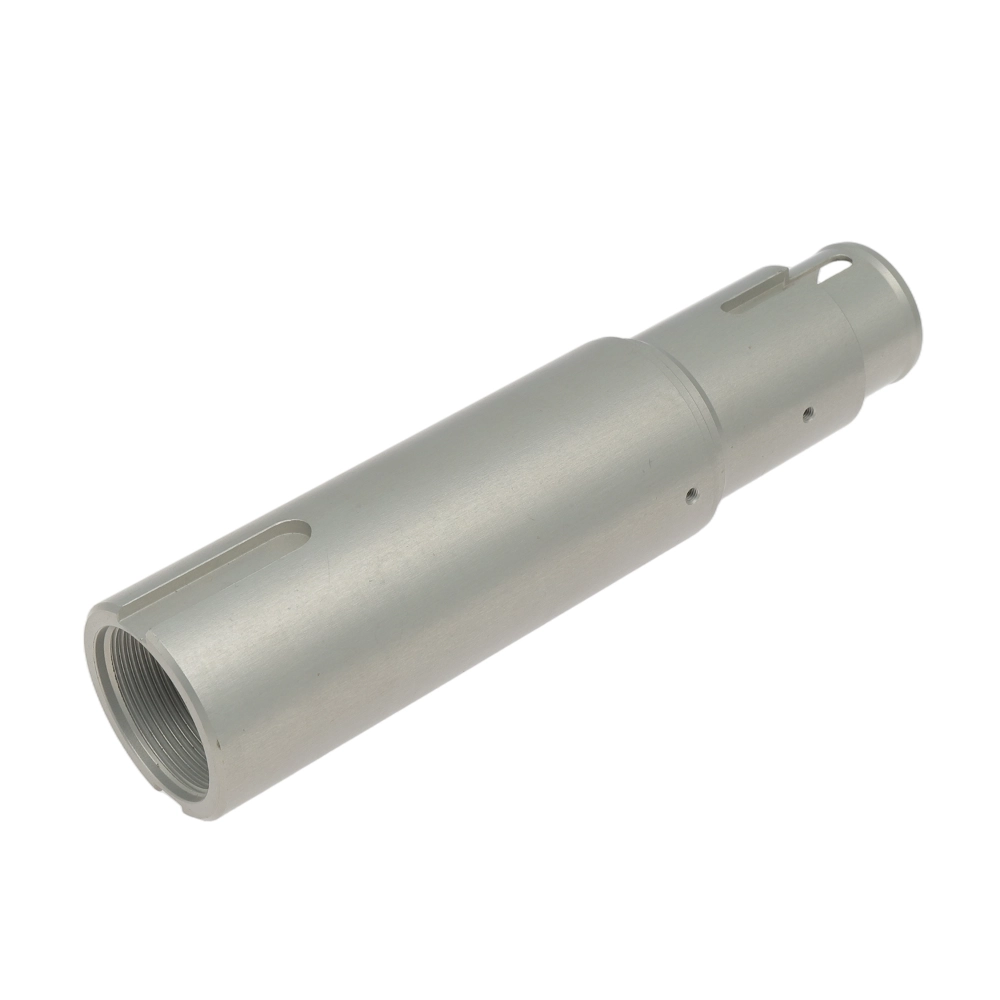
Aluminum
Aluminum is the most commonly used precision-machined component. It has a low density, a hard texture, and a soft material. Thanks to its corrosion resistance, it is widely used in aerospace, bionic bones, and automotive parts manufacturing.
Color : Silver.
Types : Aluminum 6061、7075、2024、5052、6063 and MIC-6.
Surface finish : Polishing, Brushing, Sandblasting, Chrome Plating, Anodizing, Electroplating, Powder Coating, Laser Etching.
Delivery time : 1-5 days.
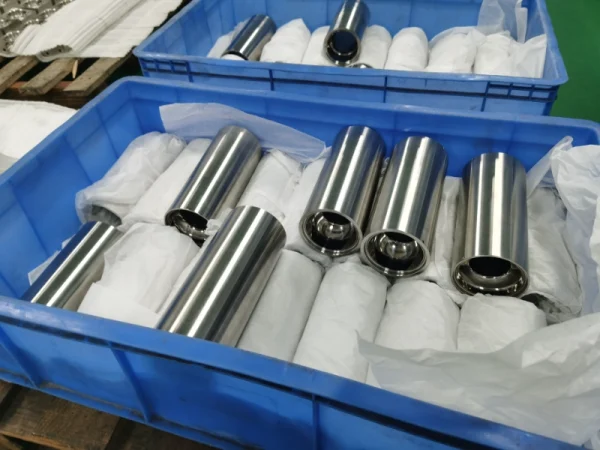
Stainless steel
Stainless steel offers strong corrosion resistance and a smooth, easy-to-clean surface. It is primarily used in kitchen equipment components, medical devices, building materials and construction, as well as automotive parts.
Color : Silver.
Types : Stainless steel 304/316/201/202/430/444/410/420/440c/2205/2507/17-4ph/17-7ph.
Surface finish : Polishing, Brushing, Sandblasting, Electroplating, Spraying, PVD (Physical Vapor Deposition), Passivation, Pickling, Coloring.
Delivery time : 2-5 days.
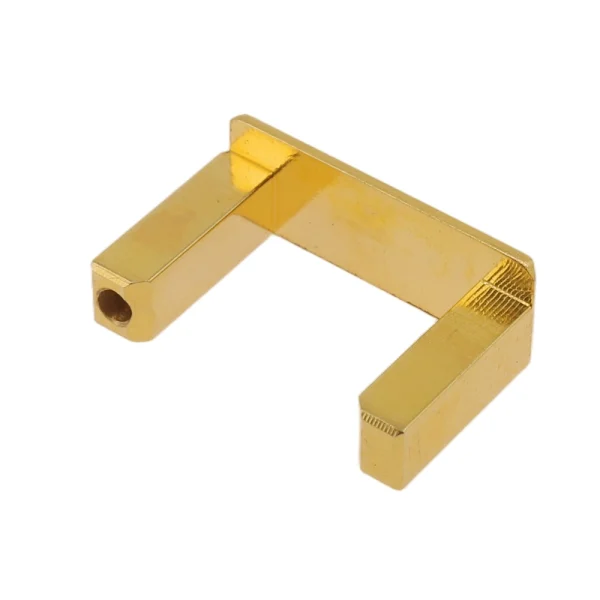
Copper
Possesses electrical conductivity, tensile ductility, and antimicrobial properties, primarily used for processing into crafts, decorative items, and medical equipment.
Color :Orange,yellow.
Types : copper H59/H62/Hpb59-1/C36000/HAI77-2/HSN62-1/HPb/HMn/HAl/HSn/HNi.
Surface finish : Passivation, Electroplating, Chemical Plating, Shot Peening, Sandblasting, Chemical Film Treatment, Polishing, Bright Cleaning.
Delivery time : 1-5 days.
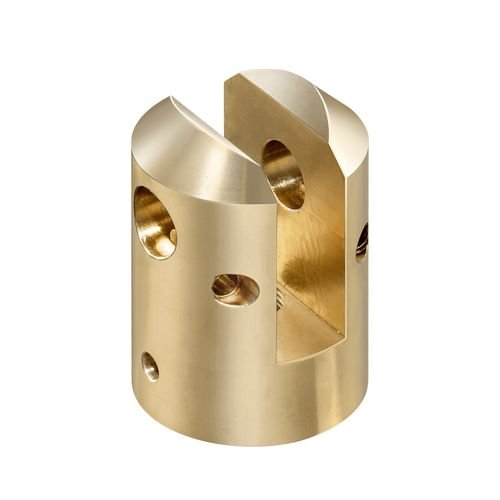
Bronze
Bronze is an alloy of copper and tin (possibly including lead, zinc, and phosphorus),low melting point (800-900°C) and excellent fluidity, along with corrosion resistance. Low-tin bronze exhibits a golden yellow hue, while high-tin bronze appears grayish-white or silver-gray. It is primarily used in mechanical manufacturing for sculptures, bearings, gears, valves, as well as in marine engineering components such as propellers, as well as marine engineering components like hull fittings and water pumps.
Color : gold/brown.
Types : Tin bronze, aluminum bronze, beryllium bronze, silicon bronze, manganese bronze.
Surface finish : Sandblasting, polishing, knurling, grinding, passivation, chemical film coating, impregnation coloring, brush/spray coloring, electroplating, anodizing, powder coating, brushing.
Delivery time : 1-5 days.
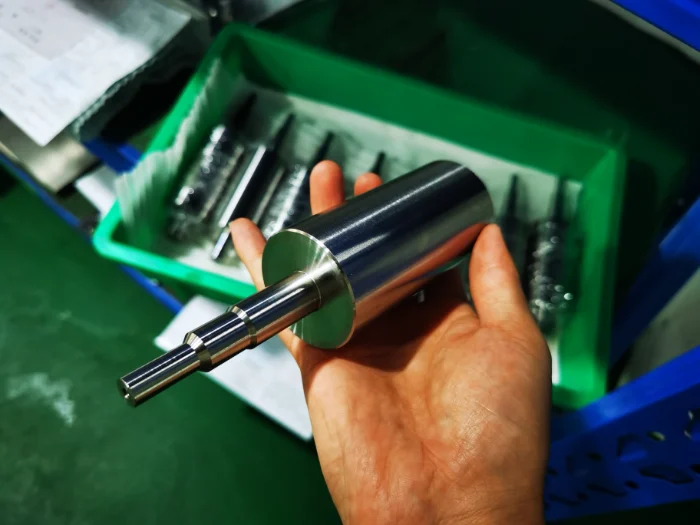
Steel
Iron alloyed with carbon (typically 0.1%-1.7%) and other alloying elements (such as chromium, nickel, manganese, etc.). By adjusting composition and heat treatment processes, diverse properties can be achieved, including high strength, high toughness, wear resistance, and corrosion resistance. It is suitable for producing components such as bolts, shafts, gears, drill bits, milling cutters, and turning tools, and is also frequently used in manufacturing engine valves and turbine blades.
Color : Silver .
Types : Steel S20C,S45C,S50C,SK85,SK95,40Cr,4140,4130,H13,D2,W1,A2,D2,M2,SKD11,ASP-23,S136.
Surface finish :Sandblasting, Mirror Finish, PVD Coating, Brushed Finish, Spray Coating, Electroplating.
Delivery time : 1-5 days
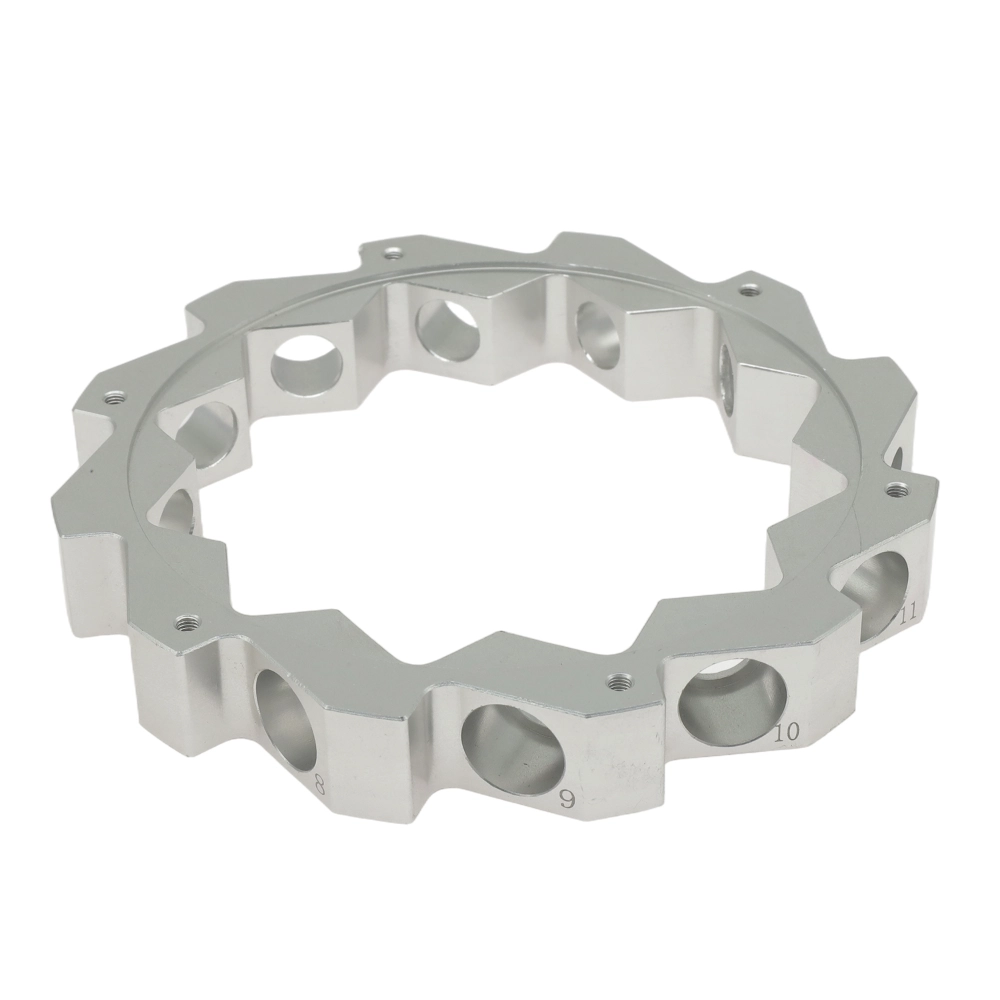
Magnesium
Magnesium has a density approximately two-thirds that of aluminum and one-quarter that of steel. Its low hardness results in minimal cutting force and reduced tool wear. With superior thermal conductivity compared to aluminum, it saves CNC machining time and material. Its strength-to-weight ratio outperforms both aluminum alloys and steel, while its damping capacity is 1.5 times that of aluminum, effectively absorbing vibrations and noise. These properties make it an ideal material for aerospace, automotive, and electronics industries.
Color : Silver.
Types : Magnesium alloy AZ91D/AM60B/AM50A/AS41B/ZK60/MB8/AZ31/WE43/ZE41/LA141/LZ91.
Surface finish : Chemical conversion coating, anodizing, nickel plating, electroplating, composite coating, spray painting, powder coating, electrophoretic coating.
Delivery time : 1-5 days.
Plastic material :
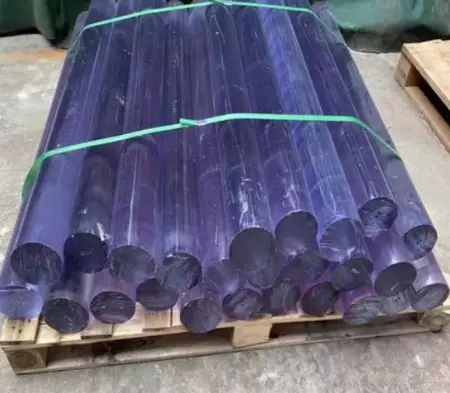
PC
High-performance thermoplastic with high toughness and rigidity, ideal for CNC machining. Lightweight, creep-resistant, and insulating. Recyclable and used in electronics housings, spectrometer mounts, and heat sinks.
Color : white or black.
Types : General Machinable/Flame Retardant/Reinforced/Blended PC.
Surface finish : Polishing, Hardening, Spraying, Laser Engraving, Electroplating, Hot Stamping.
Delivery time : 1-5 days.

PE
PE is a low-melting thermoplastic requiring temperature control during machining to avoid adhesion and ensure smooth finishes. It offers low friction, self-lubrication, and broad chemical resistance, and is used in food containers, bins, and toys.
Color : black,white,colored.
Types : LDPE, HDPE, UHMWPE, PEX, PEX-A, PEX-B.
Surface finish :Polishing, sandblasting, coating, etching.
Delivery time : 1-5 days.
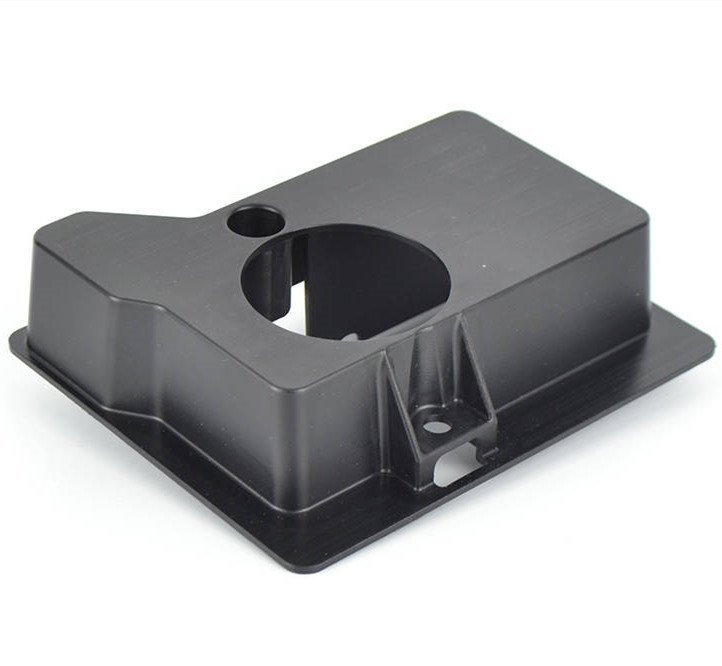
PP
PP is a semi-crystalline thermoplastic (130–160°C) with good flow. CNC machining requires 200–230°C control. Flexible, bend-resistant, used in containers, connectors, and structural parts.
Color : black,white,colored.
Types : PP-H, PP-B, PP-R, HIPP.
Surface finish :Polishing, Sandblasting, Coating.
Delivery time : 1-5 days.
Centerless grinding capability
The machining capability of non-centering cylindrical grinding is influenced by CNC centerless grinding machines, operators, precision requirements, and materials. The following outlines the approximate ranges for dimensions and precision:
| Indicator | Specific Parameters |
|---|---|
| Machining Accuracy | |
| Roundness | ≤ 0.015 mm |
| Cylindricity | 0.5~2 μm (typical value) |
| Dimensional Accuracy | Up to IT6 grade (approximately ±0.005~0.015 mm), surface roughness Ra 0.16~0.2 μm |
| Maximum Workpiece Dimensions | |
| Diameter | 40–100 mm |
| Length | Maximum grinding length of 1000 mm; length range of 125–210 mm in transverse feed grinding mode |
| Minimum Workpiece Dimensions | |
| Diameter | ≥ 2 mm (minimum diameter) |
| Length | Minimum grinding length of 125 mm in transverse feed grinding mode |
Centerless grinding advantage
High-Efficiency Production
Continuous grinding without clamping enables fast batch production. Supports automation and reduces cycle time.
High Precision and Consistency
Roundness ≤0.005mm, cylindricity 0.5–2μm. No clamping error, high stability, surface finish Ra≤0.1μm.
Adaptability
Processes metals, plastics, and hard materials. Suitable for shafts, tapered, and thin-walled parts.
Process Stability
Automated operation reduces errors. Parameter control minimizes vibration and ensures stable machining.
Application of centerless grinding
Automotive Manufacturing
Precision grinding of high-accuracy parts such as crankshafts, camshafts, drive shafts, and valve stems.
Aerospace
Engine shafts, fuel pump housings, satellite components, etc.
Machinery Manufacturing
Shearing tools, end mill shanks, rolling pins, drill bits, etc.
Bearings and Transmission Components
Bearing rollers, needle roller bearings, alloy bushings, etc.
Special Material Processing
Cemented carbide/ceramics for Cutting tools, ceramic rods, and other high-hardness materials.
FAQ of centerless grinding
What is the core difference between centerless grinding and conventional external cylindrical grinding?
Centerless grinding requires no workpiece clamping. The workpiece is driven by guide wheels and ground by the grinding wheel, relying on its own weight or support for positioning. Conventional external grinding requires fixation with centers/chucks, which can cause deformation or clamping errors.
Advantages: Suitable for slender shafts/thin-walled parts, high efficiency, and superior roundness and dimensional consistency.
What workpiece shapes can centerless grinding process?
Primarily rotary parts, typically including:
Long-to-diameter ratio slender shafts (e.g., drive shafts);
Short shafts or parts without center holes (e.g., bearing rollers);
Complex shapes with steps/taper (achieved via plunge grinding);
Thin-walled components (e.g., tubes, with low radial pressure).
Limitations: Not suitable for non-rotating or flat parts.
How is machining accuracy ensured in centerless grinding?
Machine setup: Guide wheel inclination, grinding wheel dressing, support plate height;
Process parameters: Grinding depth and feed rate matched to material hardness;
Cooling and inspection: Adequate coolant prevents thermal deformation, online measurement provides real-time feedback.
Is centerless grinding suitable for high-hardness materials?
Suitable, but adjustments are required:
Grinding wheel: Use CBN or diamond wheels with finer grit (#600-#1000);
Process: Reduce grinding depth, increase feed rate, and use high-pressure coolant for heat dissipation;
Typical Applications: Carbide tools, ceramic bushings, high-temperature alloy turbine shafts.
Summary: Through equipment and process optimization, centerless grinding can efficiently process high-hardness materials, requiring strict temperature control and grinding wheel management.