CNC Machining Stainless Steel
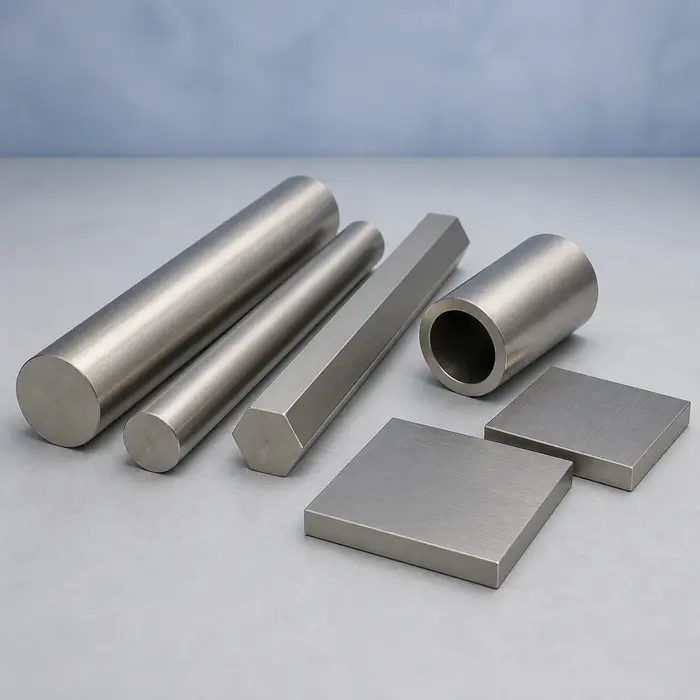
It features high hardness and strength, corrosion resistance, and good thermal stability, as well as excellent rigidity and durability, making it suitable for demanding structural components.


What Is Stainless Steel?
Stainless steel is an iron-based alloy containing chromium and other alloying elements. Chromium forms a passive surface film that protects the underlying metal and provides excellent corrosion resistance.
Based on composition, stainless steels are grouped into austenitic, ferritic, martensitic, and other families, each offering a different balance of strength, formability, hardness, and machinability.
Passive Protection
Cr protective surface film that improves resistance to corrosion.
Balanced Performance
balance of strength,formability, rigidity and durability.
Multiple Material Families
Different structures support different application requirements.
CNC Machining Stainless Steel Materials
Compare common stainless steel grades by machinability, strength, wear resistance and corrosion performance.

Austenitic stainless steel
Stainless Steel 304
A versatile grade with reliable corrosion resistance, good formability and consistent machining performance.

Austenitic stainless steel
Stainless Steel 316
Strong resistance to chlorides and corrosive environments for marine and industrial components.

Free-machining stainless steel
Stainless Steel 303
Improved machinability supports efficient production of detailed turned and milled components.

Martensitic stainless steel
Stainless Steel 416
A highly machinable grade that can be heat treated for improved strength and hardness.

Hardenable stainless steel
Stainless Steel 420
High hardness and wear resistance after heat treatment for durable precision components.

Martensitic stainless steel
Stainless Steel 410
A general-purpose grade combining moderate corrosion resistance with heat-treatable strength.

Duplex stainless steel
Duplex Stainless Steel 2205
Combines high mechanical strength with strong resistance to chloride stress corrosion cracking.

Precipitation-hardening stainless steel
17-4 PH Stainless Steel
High strength, corrosion resistance and dimensional stability for demanding precision components.
Surface Finishes for Stainless Steel Parts
Surface finishing improves part appearance, surface quality, corrosion resistance and wear performance.

Passivation
Forms a protective passive layer on the metal surface to improve stainless steel corrosion resistance.

Polishing
Reduces surface roughness to improve gloss, precision and the appearance of machined parts.

Brushing
Produces a fine textured finish that improves appearance and helps conceal minor surface defects.

Sandblasting
Cleans and textures the surface to create a uniform matte appearance and improve coating adhesion.
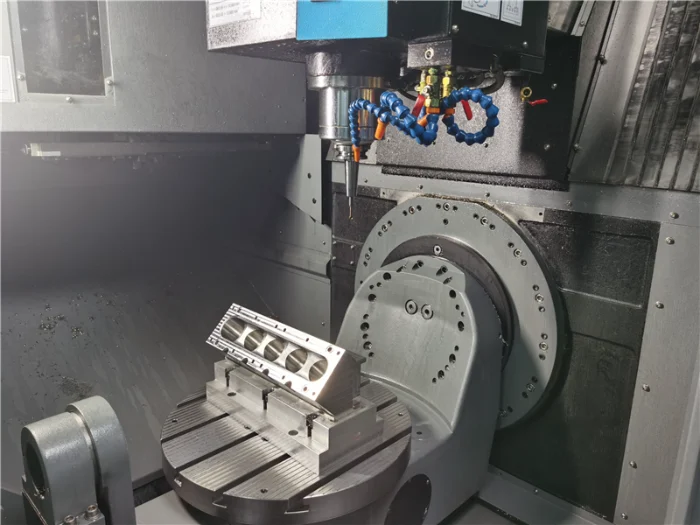
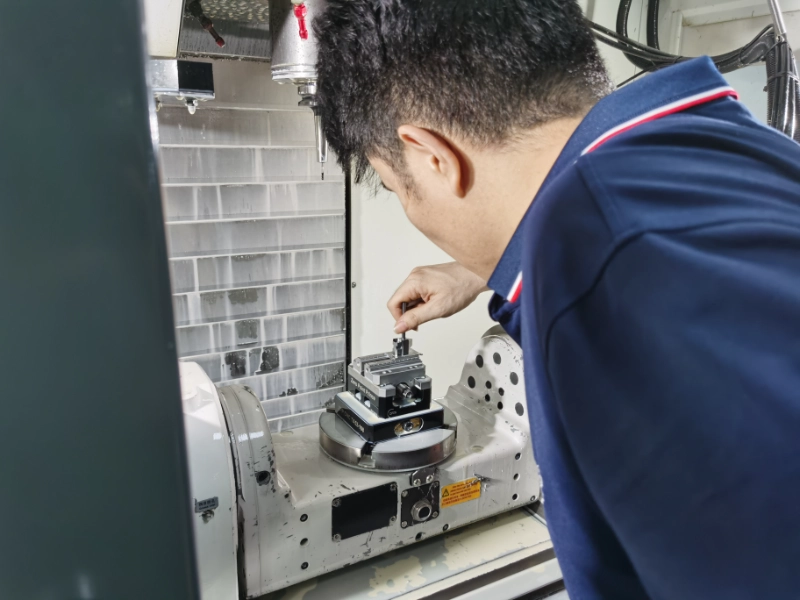
CNC Stainless Steel Machining Capabilities
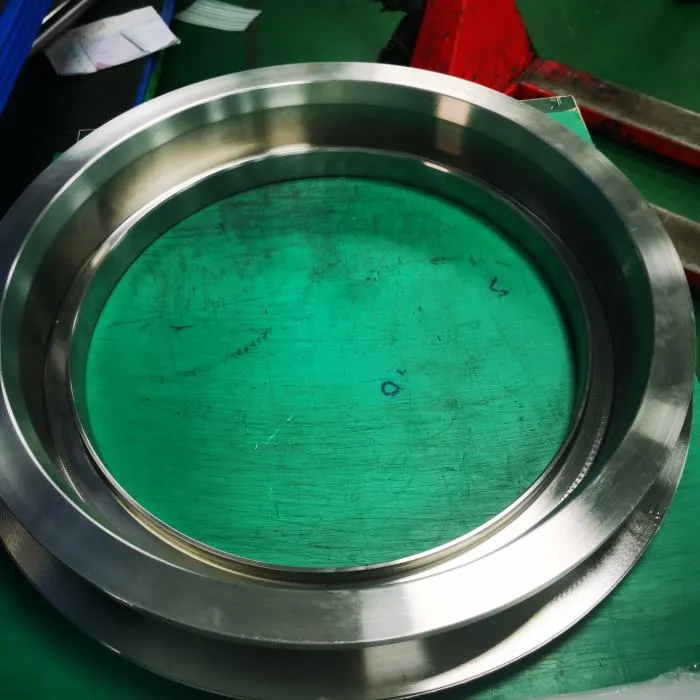
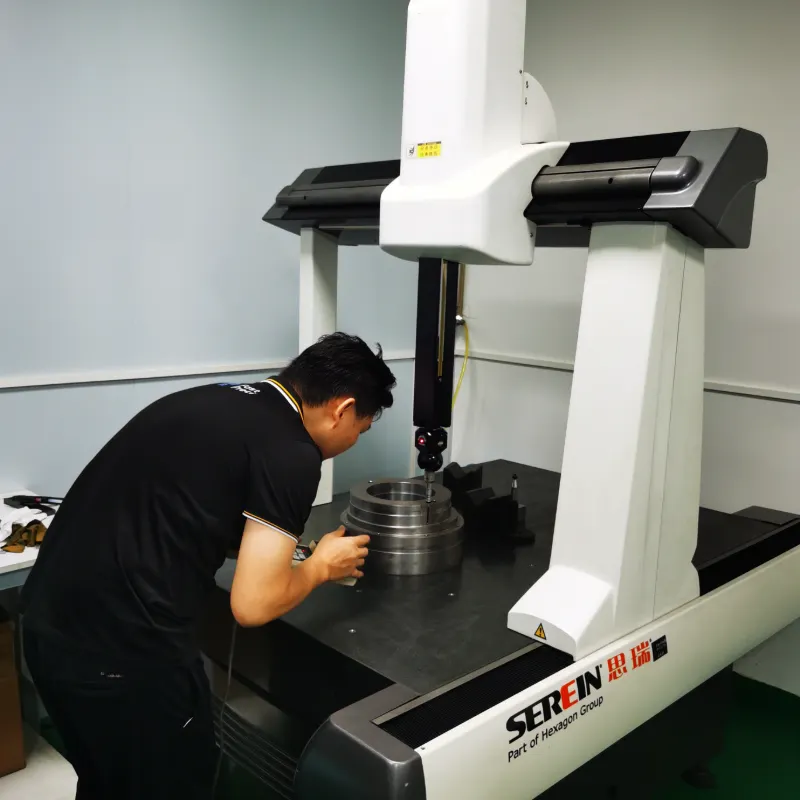
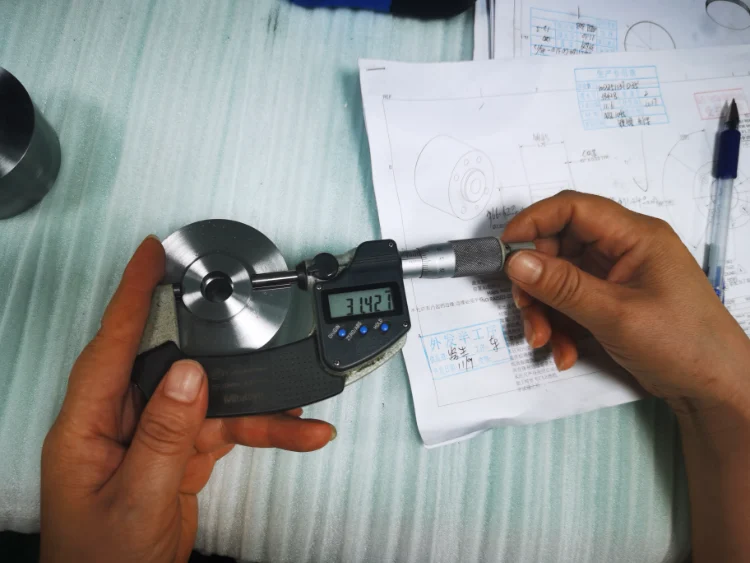
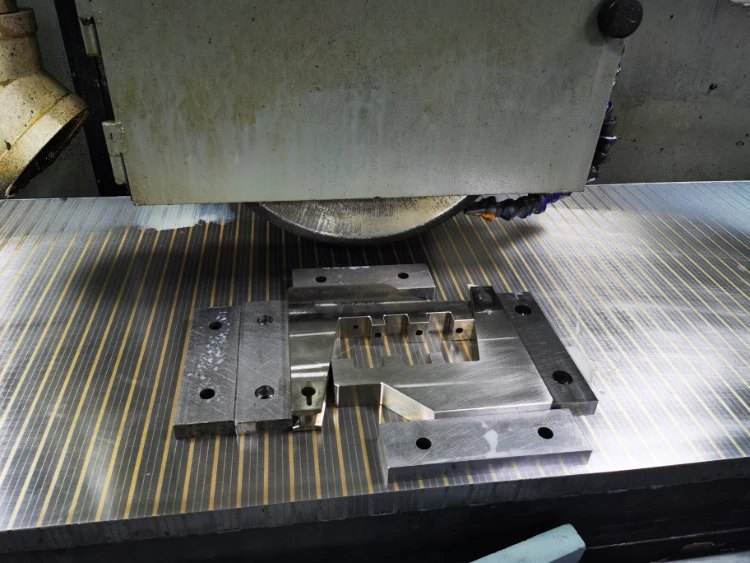
From compact precision components to large stainless steel parts, our machining and inspection capabilities support complex geometries, close tolerances and controlled surfaces.

Why Choose Stainless Steel for CNC Parts?
Stainless steel combines corrosion resistance, strength, cleanability and long service life for demanding applications.
Corrosion Resistant
Resists rust in humid, acidic and alkaline environments.
Strong and Tough
Stable structure with strong resistance to deformation.
Easy to Clean
Suitable for hygienic food and medical applications.
Temperature Stable
Performs reliably across high and low temperatures.
Recyclable
Long service life with reusable and recyclable material.
Typical Applications
Aerospace
Turbine, hydraulic and high-temperature components.
Medical Devices
Implants, biopsy tubes and precision instrument holders.
Automotive
Shafts, gears and fuel-system components.
Food Processing
Easy-clean 304 and 304L valves and fittings.
Marine Engineering
316L ship and offshore components exposed to seawater.
Chemical and Petroleum
Pumps, valves and reactors for corrosive environments.
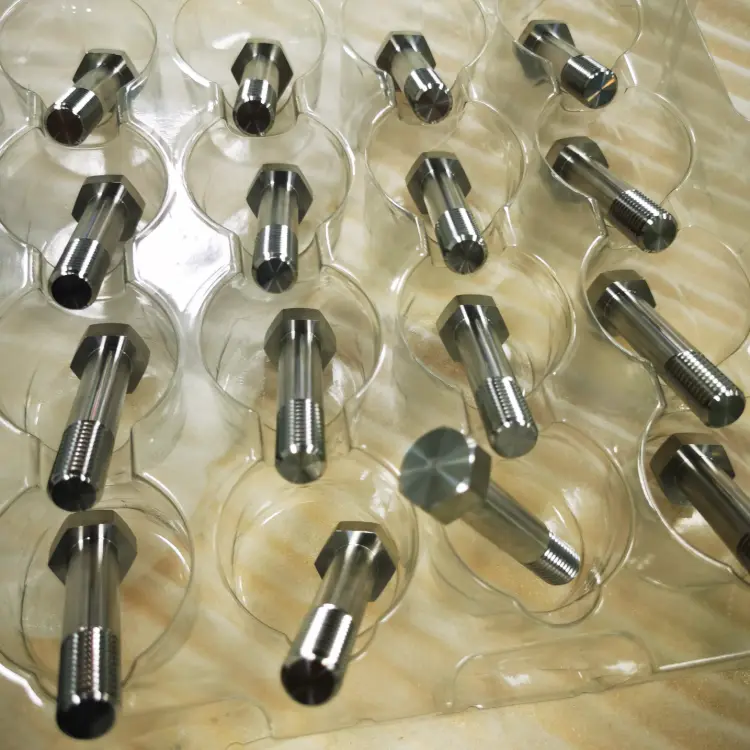
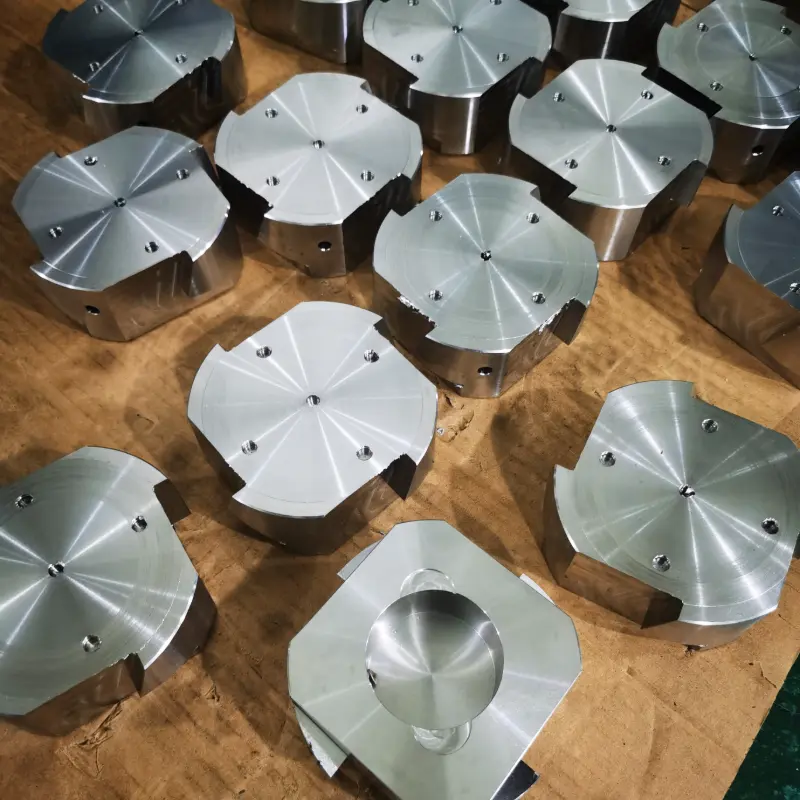
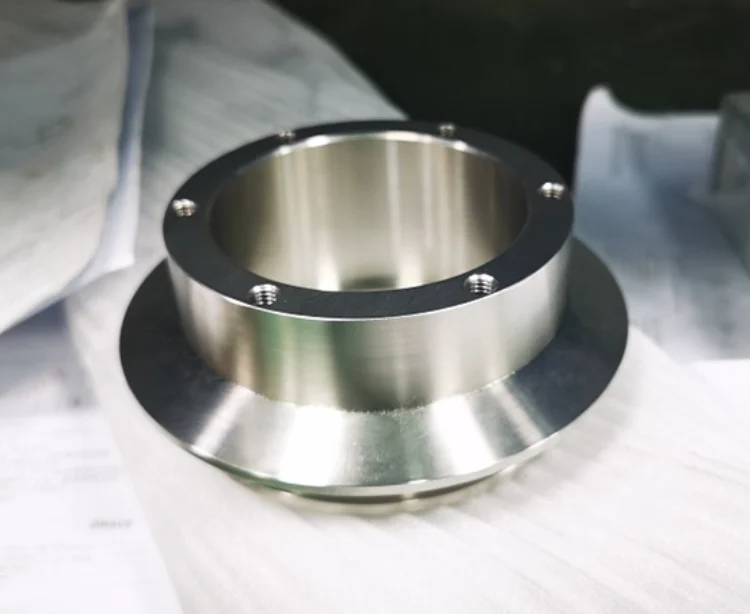
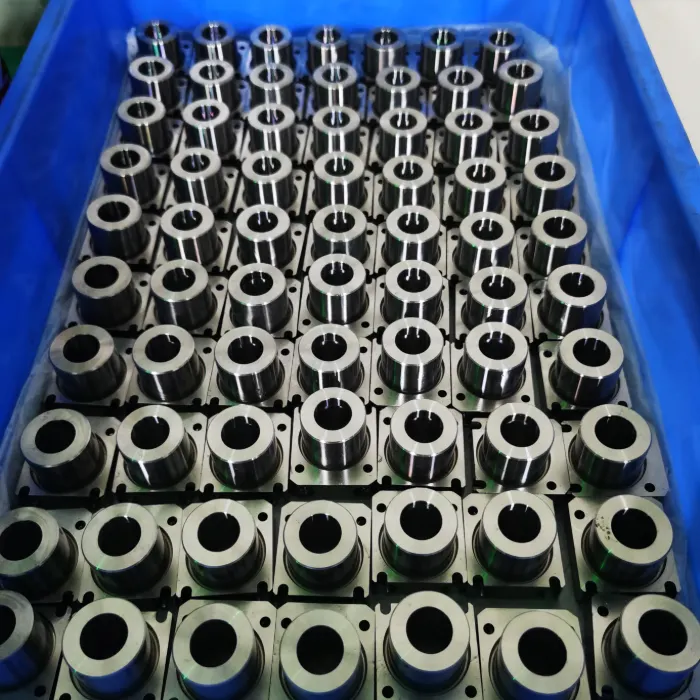
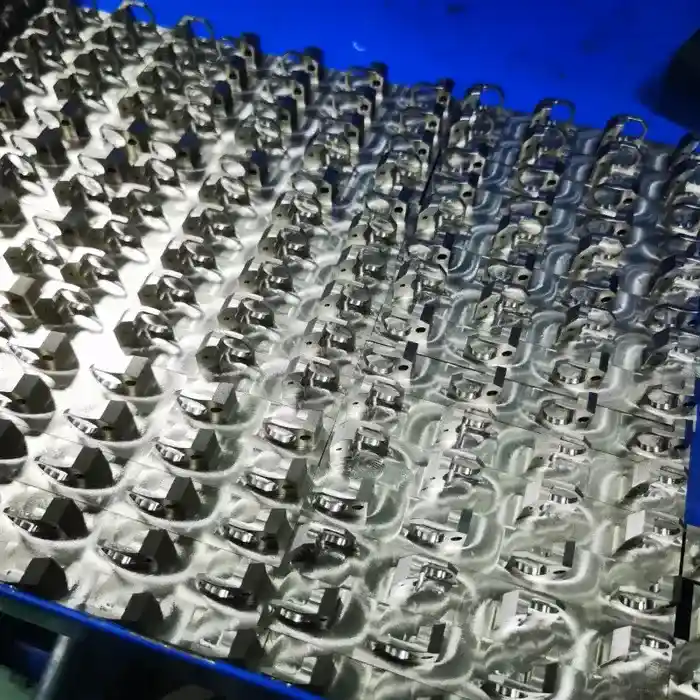
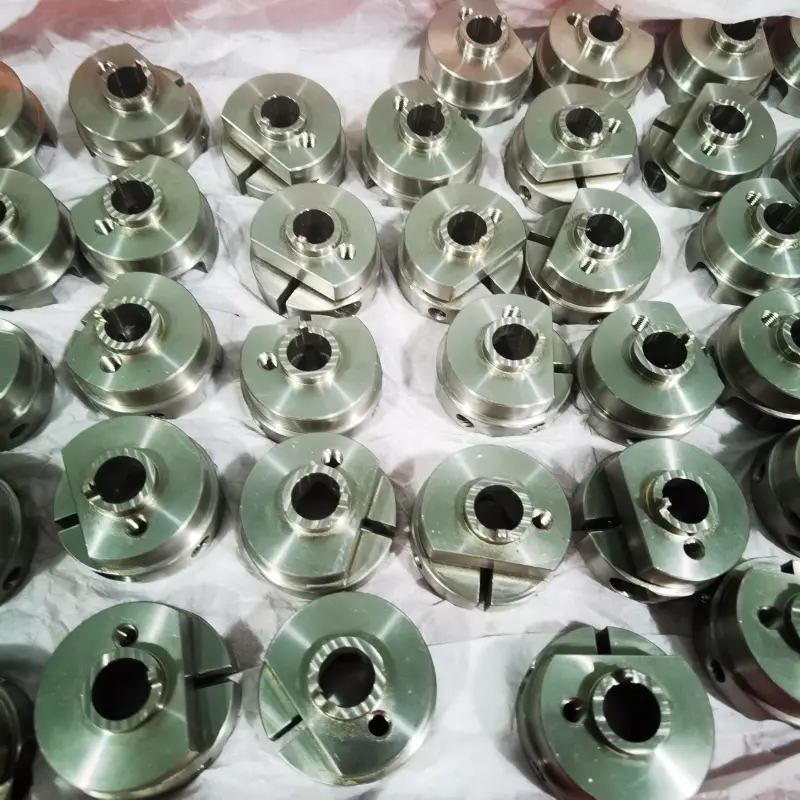
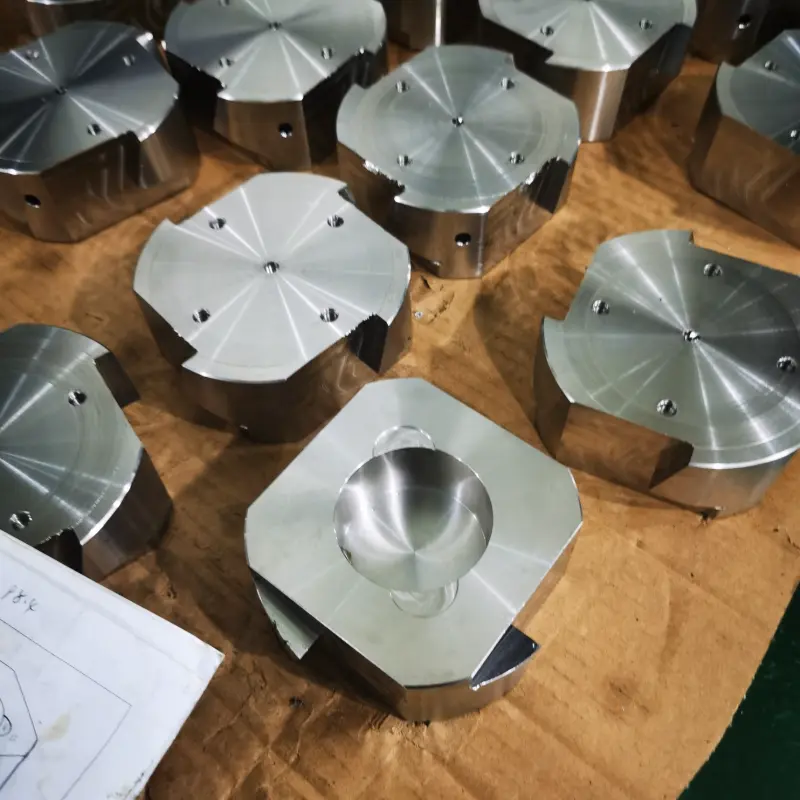
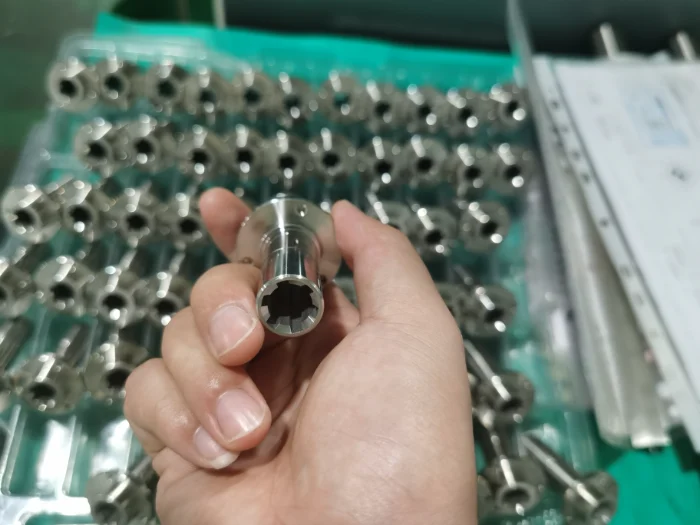
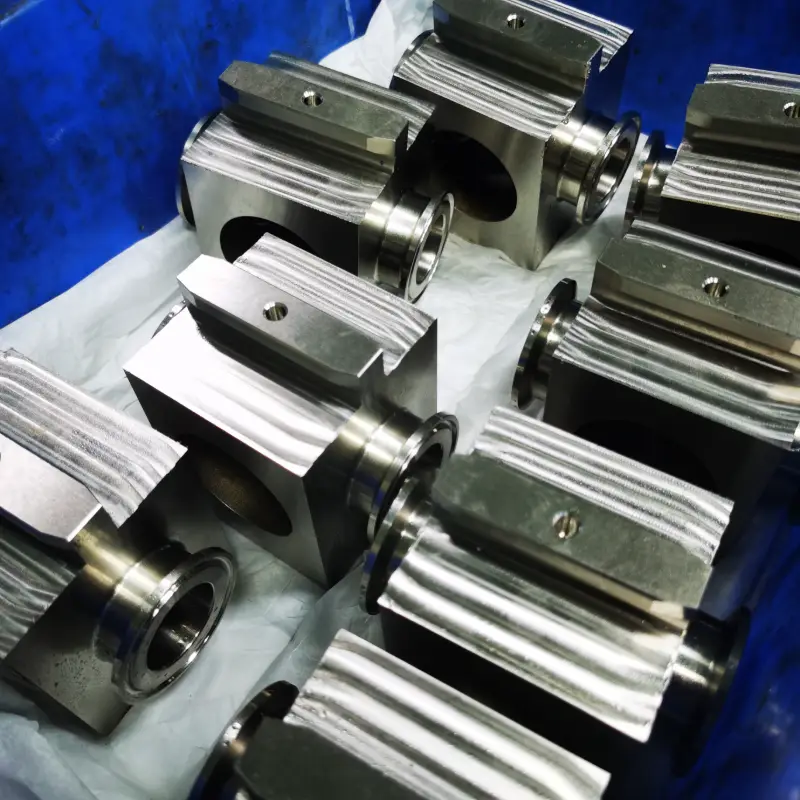
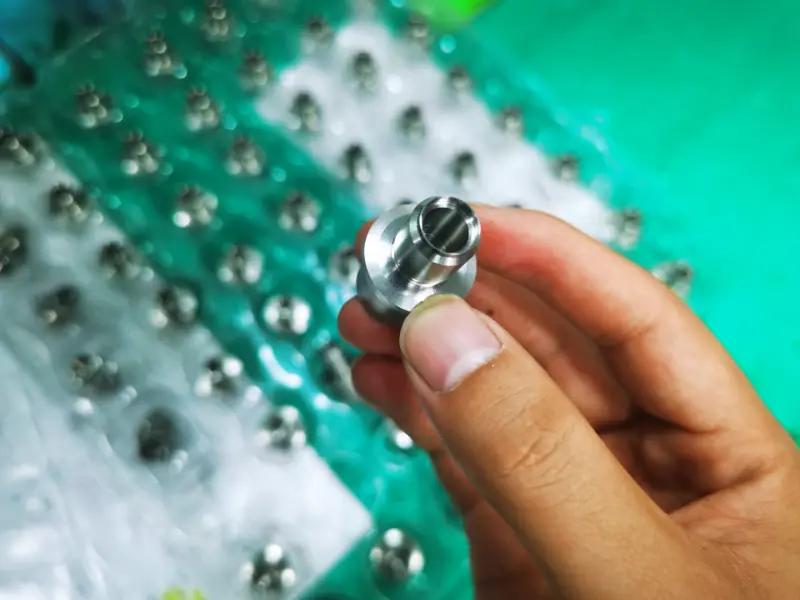
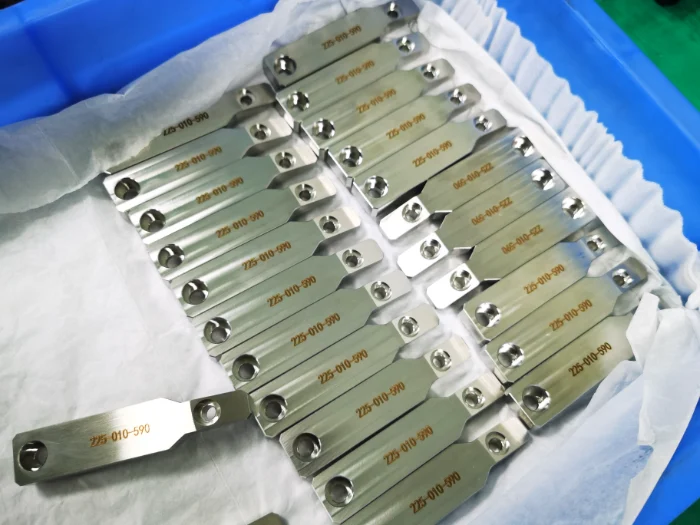
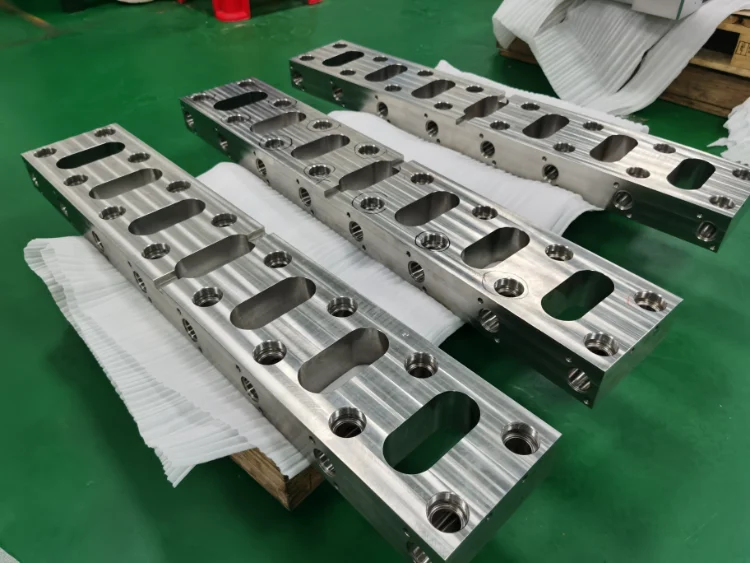
CNC Machined Stainless Steel Parts
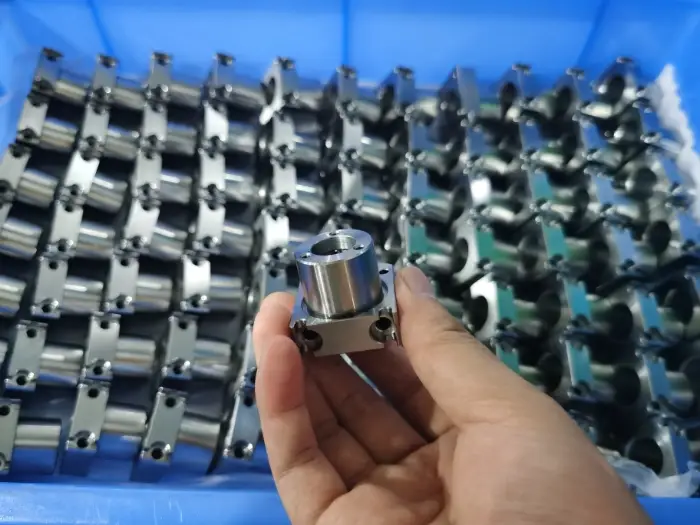
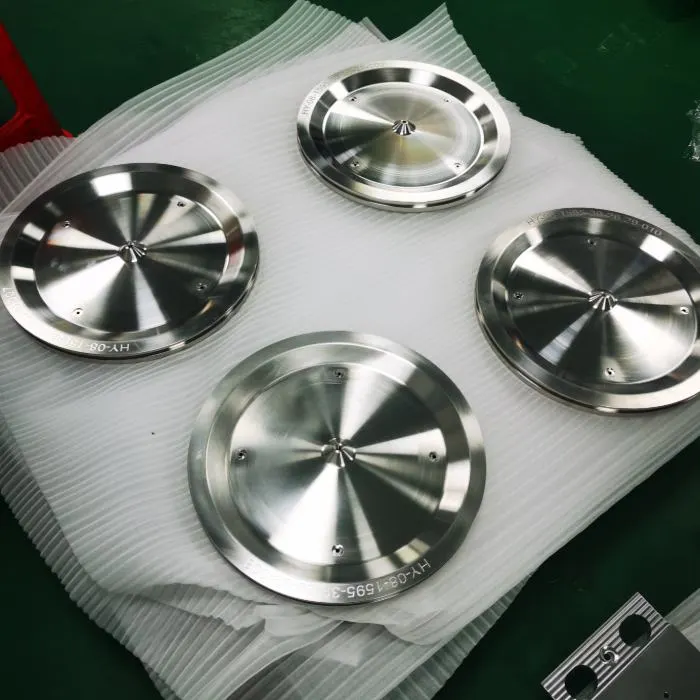
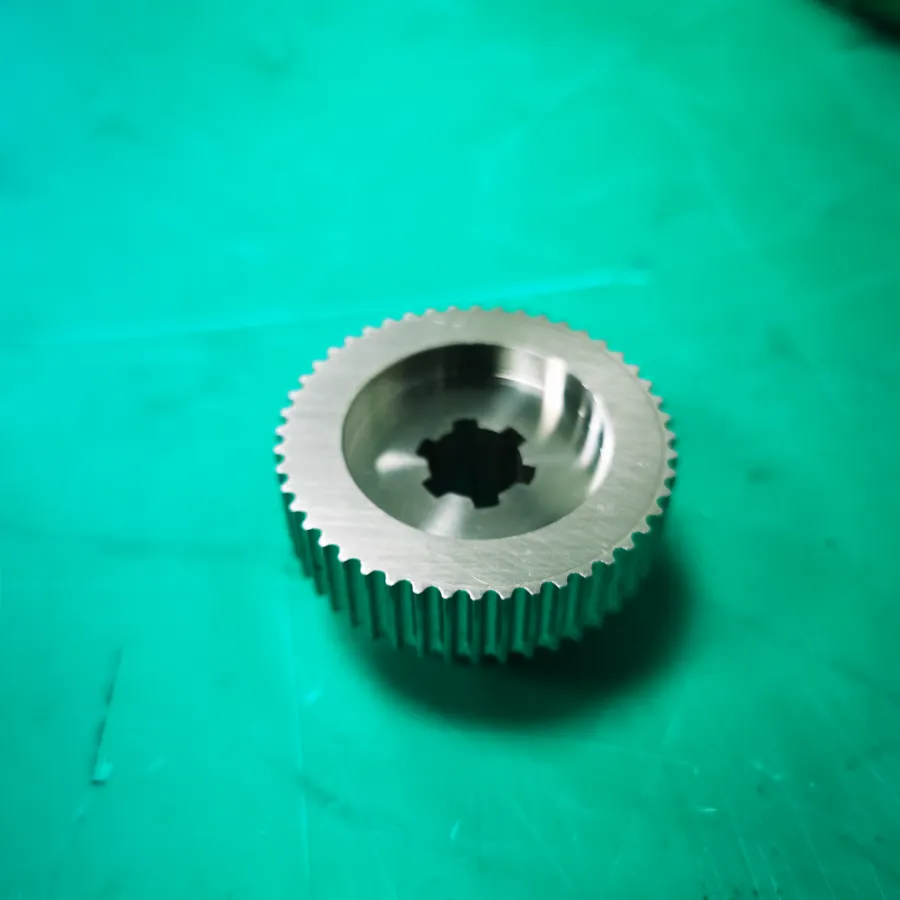
Real stainless steel parts manufactured for precision, structural and corrosion-resistant applications.


One-Stop Stainless Steel Machining Partner
Machining, design review, inspection and delivery managed through one production team.


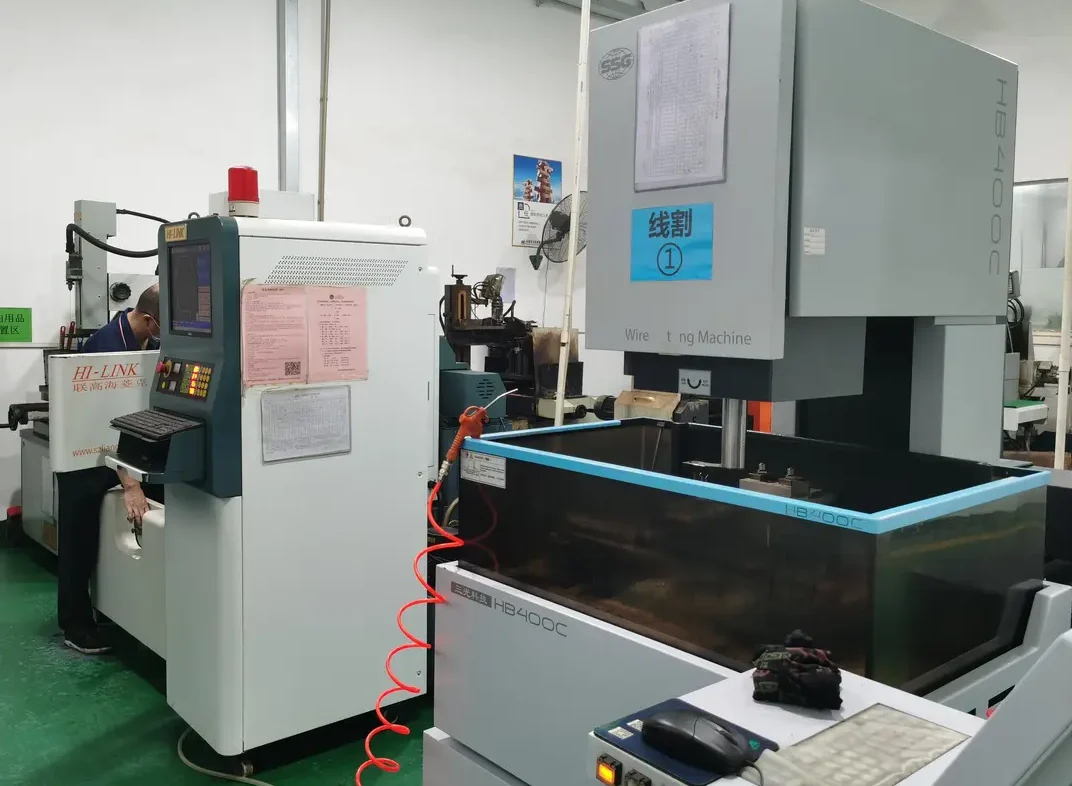
CNC Machines
Multi-axis CNC and EDM equipment support consistent batch production.
Design Review
Practical recommendations help reduce cost and improve machining efficiency.
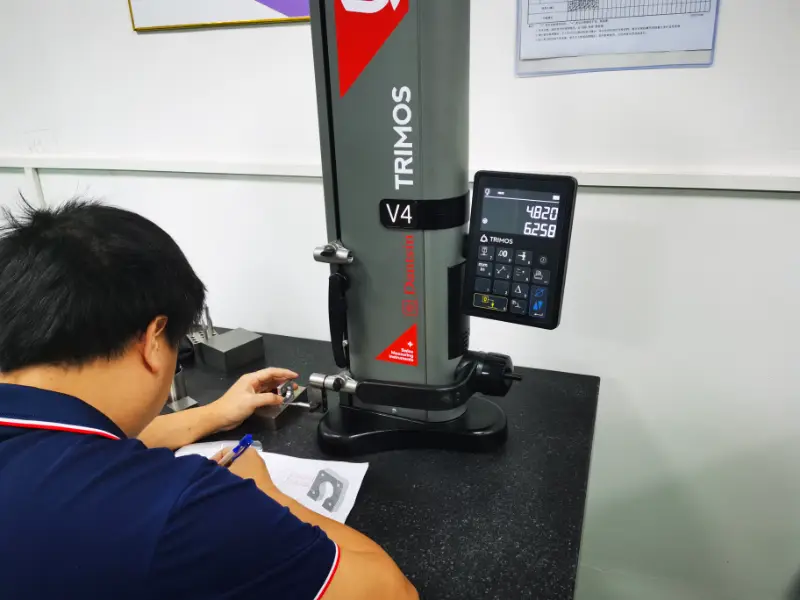
Inspection Capability
CMM and supporting inspection equipment verify critical part dimensions.
Flexible Delivery
Samples can ship in 1 day, with production typically shipped in 3–15 days.
Need Custom Stainless Steel Parts?
Send us your drawings for a machining review and quotation. For additional questions, contact our team .
Stainless Steel Machining FAQ
Quick answers about stainless steel grades and corrosion performance.
Is stainless steel self-healing?
Stainless steel is not truly self-healing. However, its chromium oxide passive film can regenerate when exposed to oxygen after minor surface damage, restoring corrosion protection.
Is 304 or 316 stainless steel better?
It depends on the application. Stainless steel 304 is cost-effective for general indoor and food-processing parts. Grade 316 provides better resistance in humid, coastal, seawater and acidic environments.
What is the best grade of stainless steel?
There is no single best grade. Choose 304 for balanced cost and performance, 316L for stronger corrosion resistance, and 17-4 PH when high strength and heat treatment are required.