

Aerospace part
Aerospace Industry
Precision machining for aircraft, UAV, avionics and propulsion components. Send your drawing for material, manufacturability, tolerance and inspection review with a transparent custom quote.
*Final capability depends on material, geometry, feature size, workholding and inspection method.
Aerospace Manufacturing Requirements
Control the Features That Affect Part Function
Aerospace Industry projects require clear drawing control, suitable material, stable machining and inspection matched to each critical feature.
Dimensional Control
Datum strategy, feature relationships and inspection methods are defined from the drawing.
Material Integrity
The specified grade, condition and documentation requirements are reviewed before production.
Complex Geometry
Multi-axis machining supports thin ribs, deep pockets, compound angles and limited-access features.
Inspection Planning
Critical dimensions, surface requirements and requested records are agreed before machining.
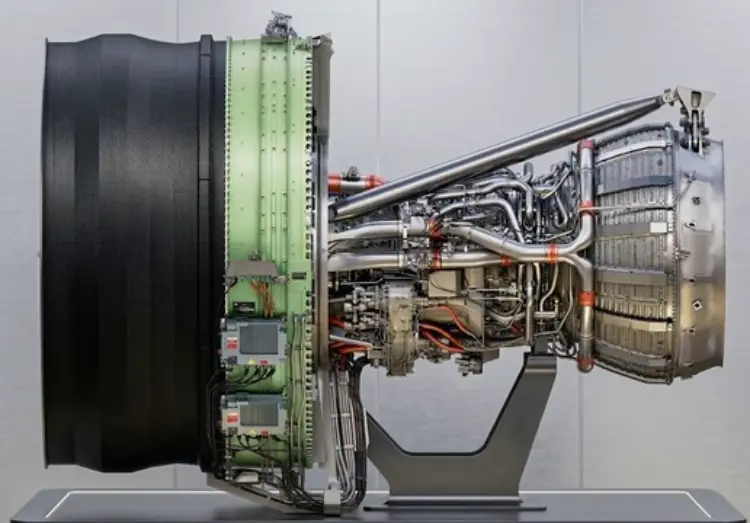
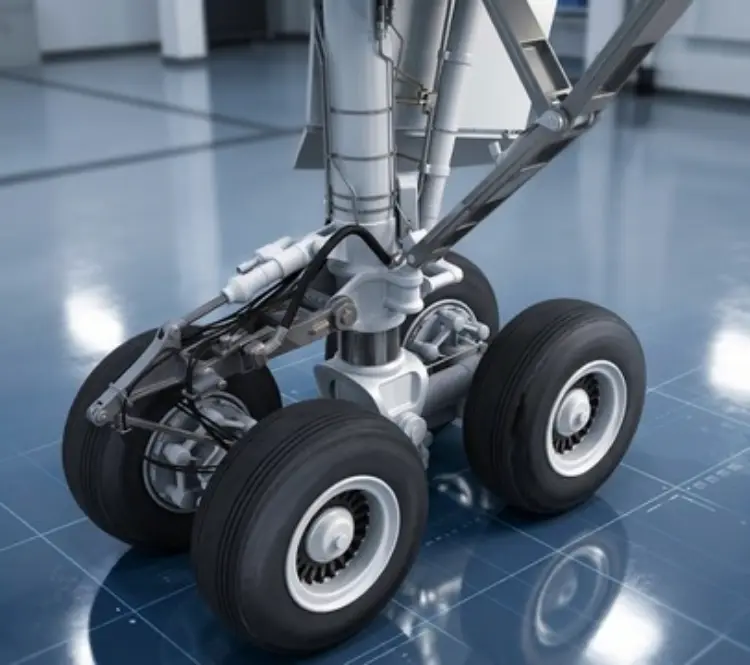
Common Aerospace Parts We Machine
- Structural brackets and ribs
- Avionics housings and heat sinks
- Hydraulic manifold blocks and pneumatic manifolds
- Landing-gear links and bushings
- Sensor and camera mounts
- UAV frames and motor mounts
- Engine accessory housings
- Shafts, spacers and fittings
Material Selection
Materials for Aerospace Components
Final selection must match load, temperature, corrosion exposure, weight, fatigue, traceability and finishing requirements.
| Material Family | Common Grades | Typical Applications |
|---|---|---|
| Aluminum | 2024, 6061, 7075 | Lightweight structures, brackets, heat sinks and avionics housings. |
| Titanium | Grade 2, Grade 5 | High strength-to-weight and corrosion-resistant components. |
| Stainless Steel | 304, 316, 17-4 PH | Fittings, housings, shafts and corrosion-exposed parts. |
| Alloy & Tool Steel | 4140, 4340 and drawing-specified grades | High-load supports, tooling and mechanical interfaces. |
| Nickel Alloys | Inconel 625, Inconel 718 | Heat- and corrosion-resistant parts after grade and geometry review. |
| Engineering Polymers | PEEK, PTFE, PA and insulating laminates | Insulators, seals, bushings and lightweight interfaces. |
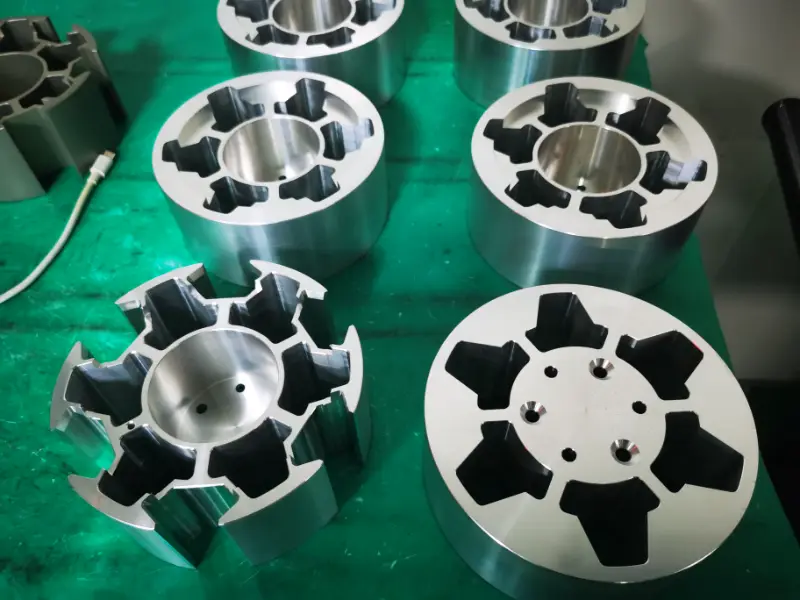
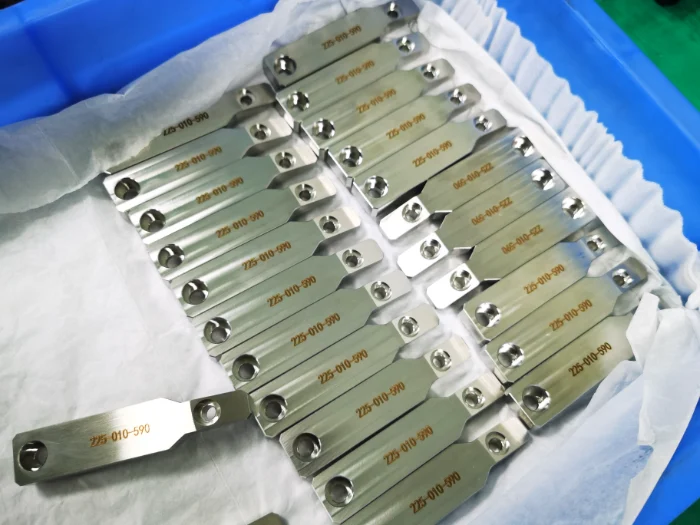
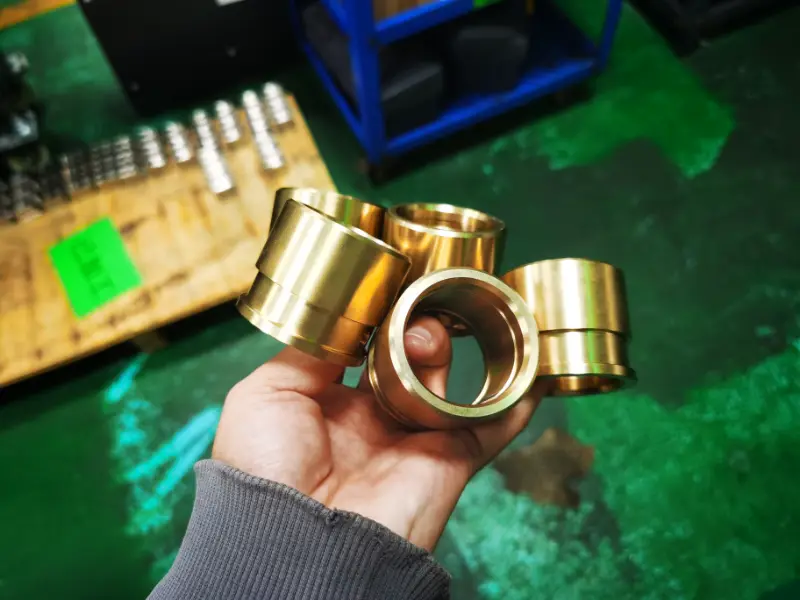
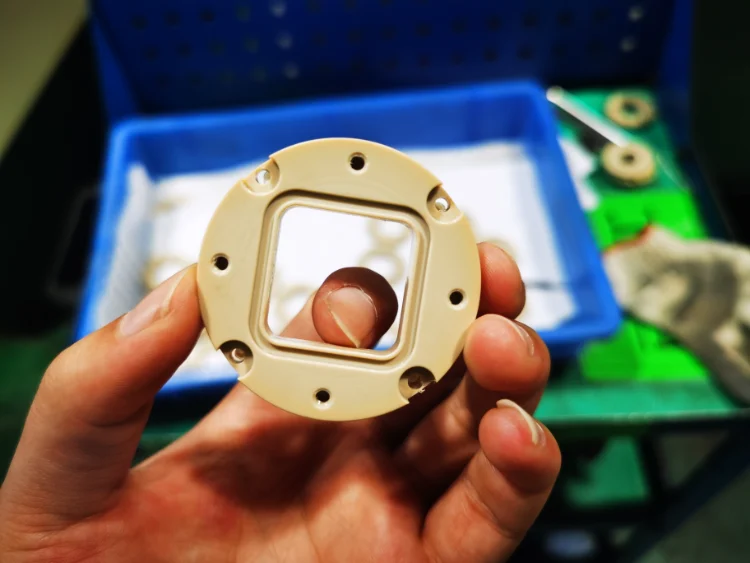
Material grade, condition, certification and substitution rules are confirmed against the drawing before production.
Surface Protection
Finishes for Aerospace Parts
Select the finish from substrate compatibility, coating buildup, wear, corrosion, electrical contact, masking and inspection needs.
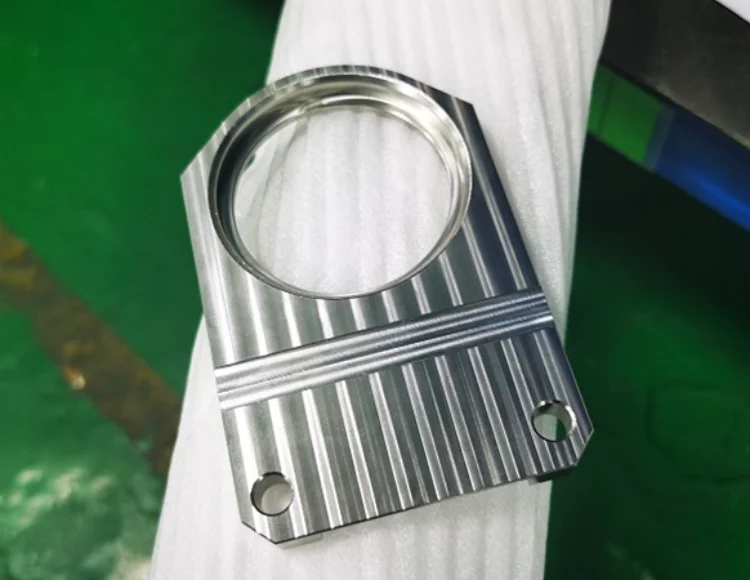
Machined Finish
Specified roughness with visible, controlled machining marks.
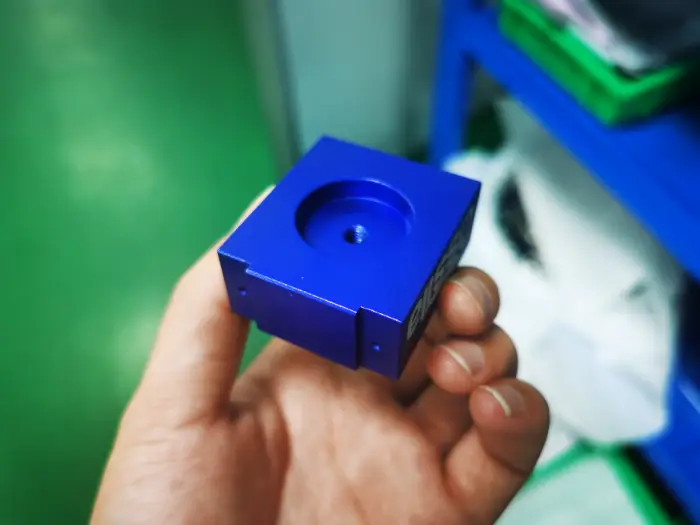
Anodizing
Corrosion and wear protection for compatible aluminum alloys.
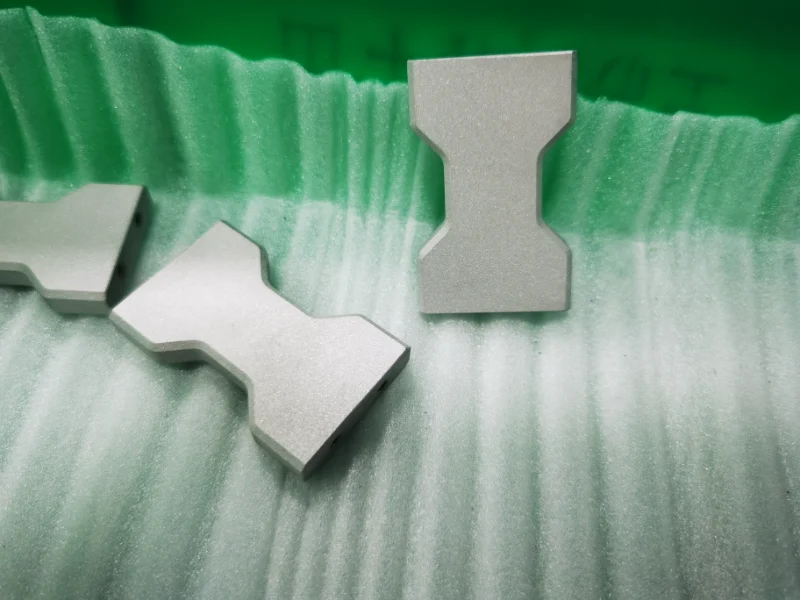
Bead Blasting
Uniform matte texture or preparation for a compatible coating.
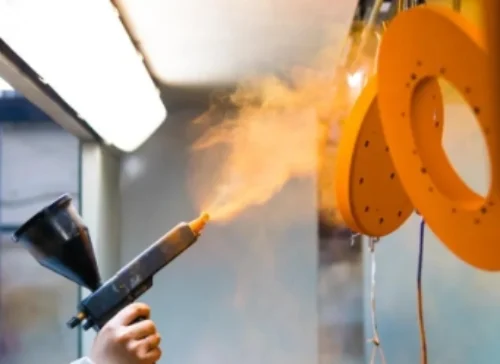
Powder Coating
Protective color coating for suitable non-critical surfaces.
Aerospace Project Assurance
Quality Controls That Support Reliable Sourcing
Drawing review, documented inspection and controlled production help reduce risk from prototype approval through repeat orders.
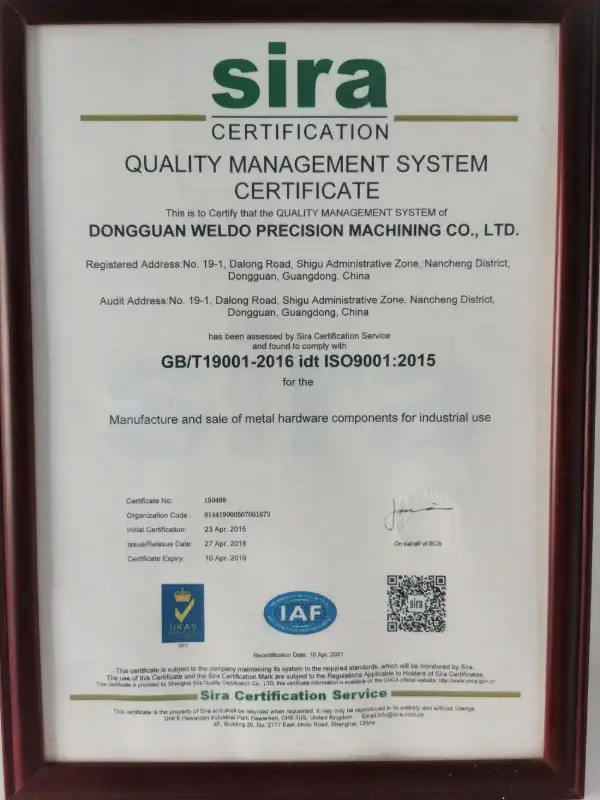
ISO 9001 Quality System
Documented procedures support consistent drawing-based production and inspection.
- ISO 9001:2015 certified
- Drawing and revision control
- Calibration and inspection procedures
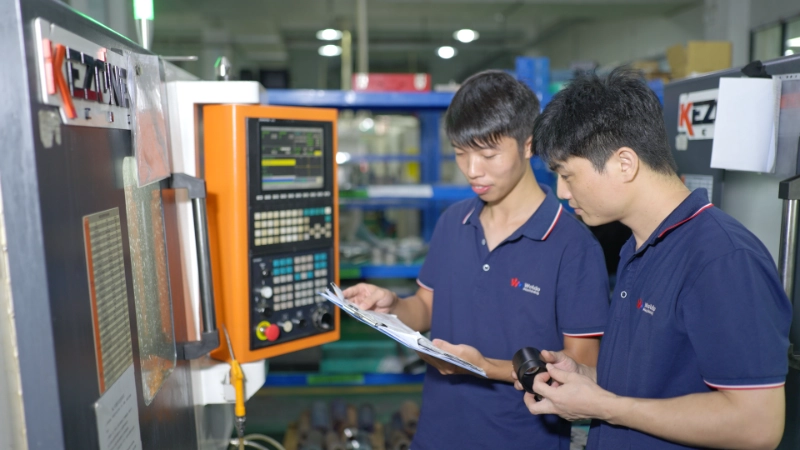
Project Quality Documentation
Required records are defined before quotation and prepared to the agreed format.
- Dimensional inspection reports
- Material certificates when specified
- First-article and finish records on request
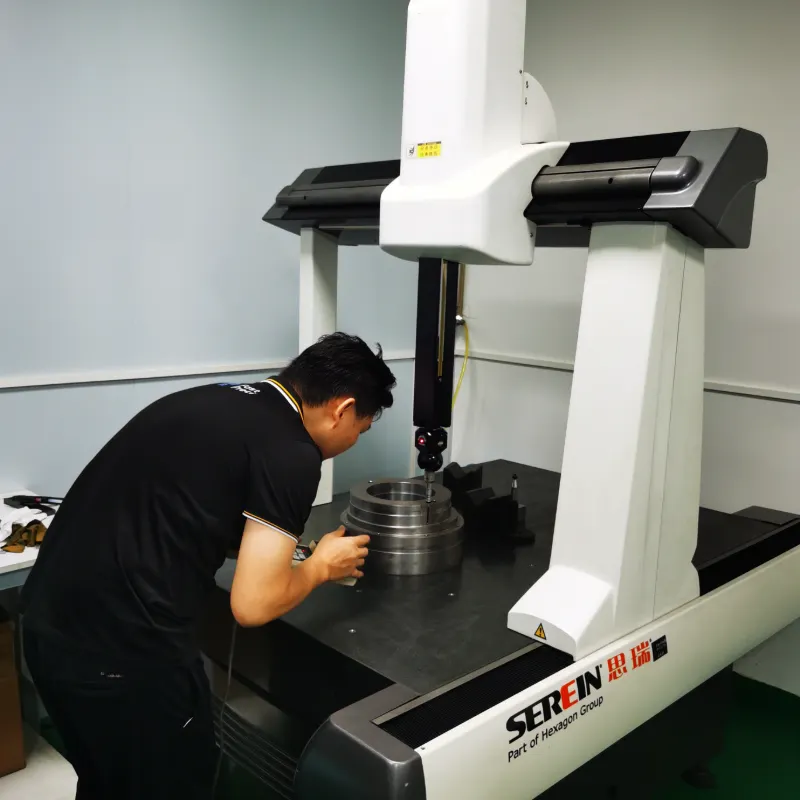
Manufacturing & Inspection Control
Critical features are checked with equipment and methods suited to the drawing.
- Controlled tooling and workholding
- CMM and calibrated measuring equipment
- Final review, protection and packing
AS9100, NADCAP or other aerospace-specific approvals are not implied. State every required certification and document on the RFQ for confirmation.