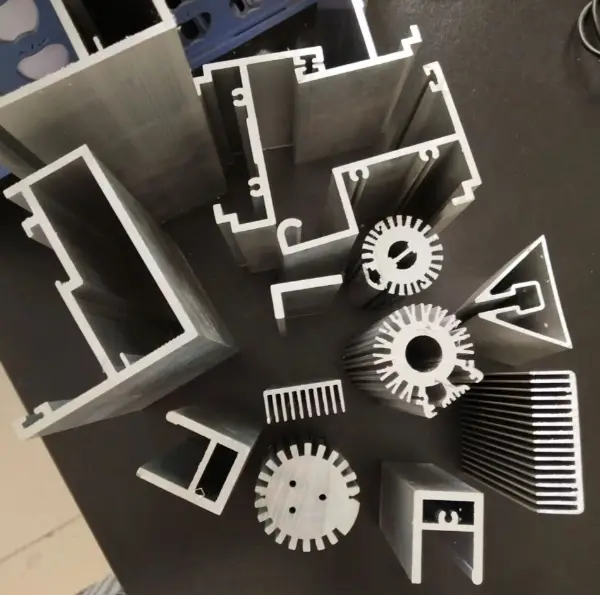
Custom Aluminum Profiles
Custom Aluminum Extrusion Services
Turn a profile drawing into production-ready extrusions with die development, heat treatment, precision cutting, CNC machining, finishing and inspection managed through one manufacturing route.
Feasibility is confirmed from the alloy, temper, section geometry, tolerances, finish, quantity and required cut length.
Extrusion Process
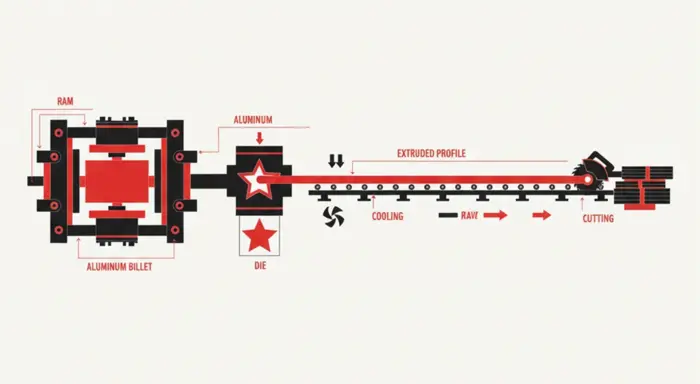
How Aluminum Extrusion Works
A heated billet is forced through a profile die, then cooled, straightened, aged and finished to the approved drawing.
Billet Preparation
The selected alloy billet is cut and heated for controlled material flow.
Die Extrusion
The billet is pressed through a solid, semi-hollow or hollow profile die.
Controlled Cooling
The emerging profile is quenched according to alloy and temper requirements.
Stretching
The profile is straightened and residual distortion is reduced.
Aging
Natural or artificial aging develops the specified temper and strength.
Secondary Operations
Profiles are cut, CNC machined, finished and inspected as required.
Direct Extrusion
The billet and ram move in the same direction. This is the most widely used route for varied profile geometries.
Indirect Extrusion
Reduced billet-container friction can improve flow consistency for suitable profiles and press setups.
Alloy Selection
Select an Aluminum Extrusion Alloy
Choose the alloy and temper together. Strength, section complexity, anodizing quality, conductivity, weldability and service environment all affect the final selection.
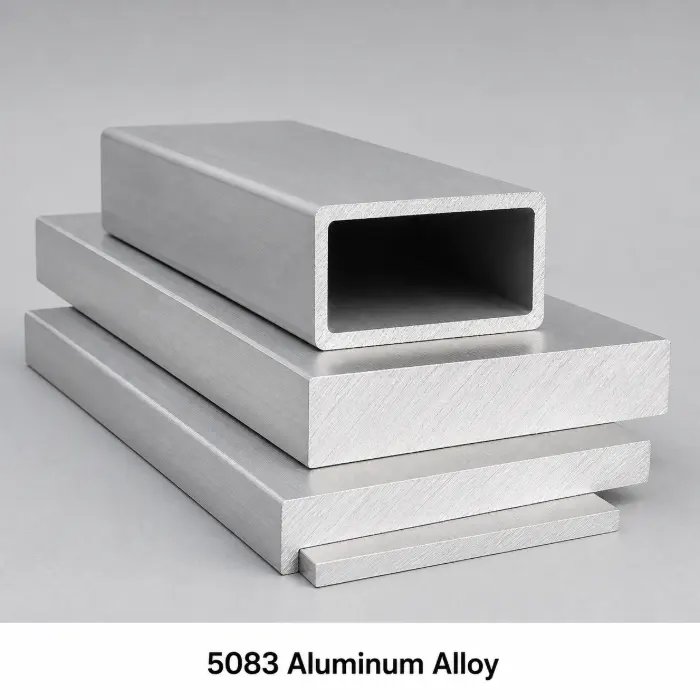
5083 Aluminum
A non-heat-treatable, high-strength 5xxx alloy with excellent marine corrosion resistance, weldability and low-temperature toughness.
Marine, chemical-processing and cryogenic service where corrosion resistance and welded performance are critical.
Marine rails, welded supports, deck structures, frames and corrosion-resistant profile components.
Mill finish, bead blasting, conversion coating, powder or PVDF coating, and qualified protective anodizing.
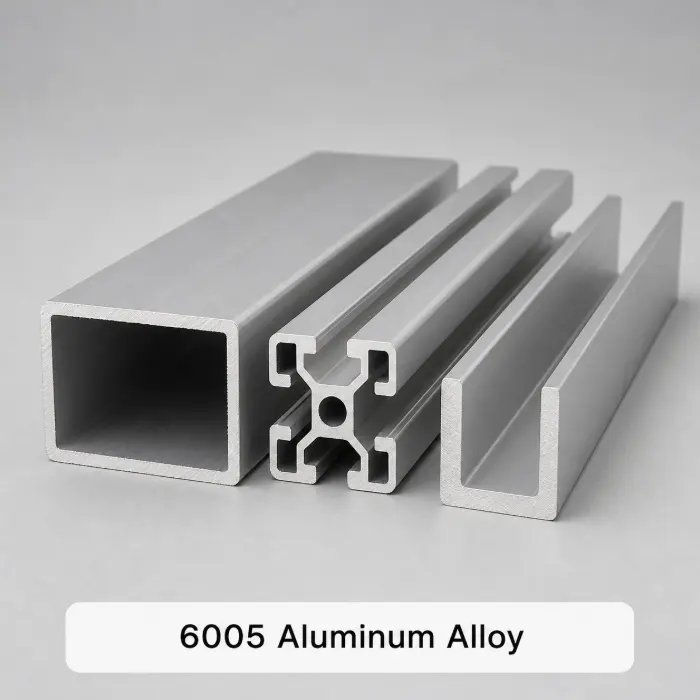
6005 Aluminum
A medium-strength structural alloy with good corrosion resistance, machinability and better extrusion performance than many higher-strength 6xxx grades.
Industrial and transport structures that need useful strength, weldability and repeatable profile geometry.
Machine frames, ladders, platforms, structural rails, supports and modular profile systems.
Anodizing, powder coating, electrophoretic coating, conversion coating and machined finish.
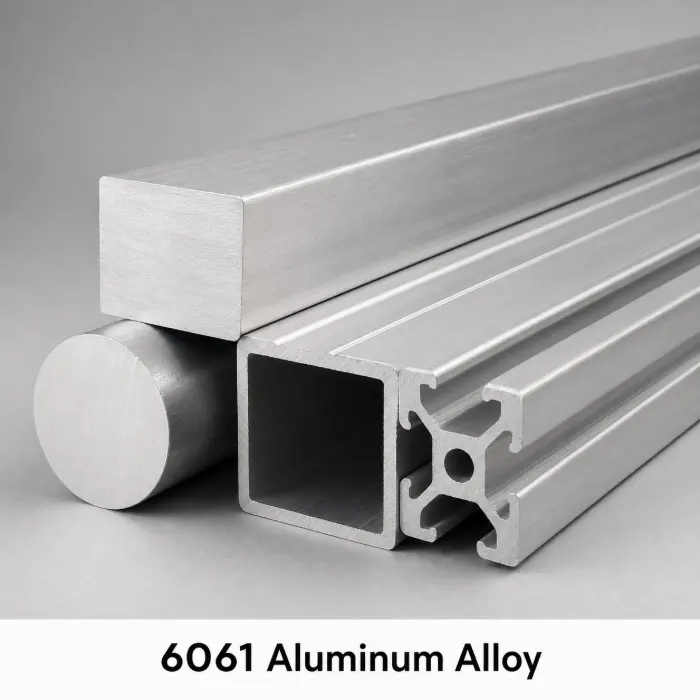
6061 Aluminum
A versatile heat-treatable alloy balancing structural strength, corrosion resistance, weldability and post-extrusion machinability.
General industrial, automation and transport applications with structural or secondary CNC-machining requirements.
Machine frames, equipment rails, mounting profiles, structural housings and CNC-finished extrusion components.
Anodizing, hard anodizing, conversion coating, powder coating, painting and machined finish.
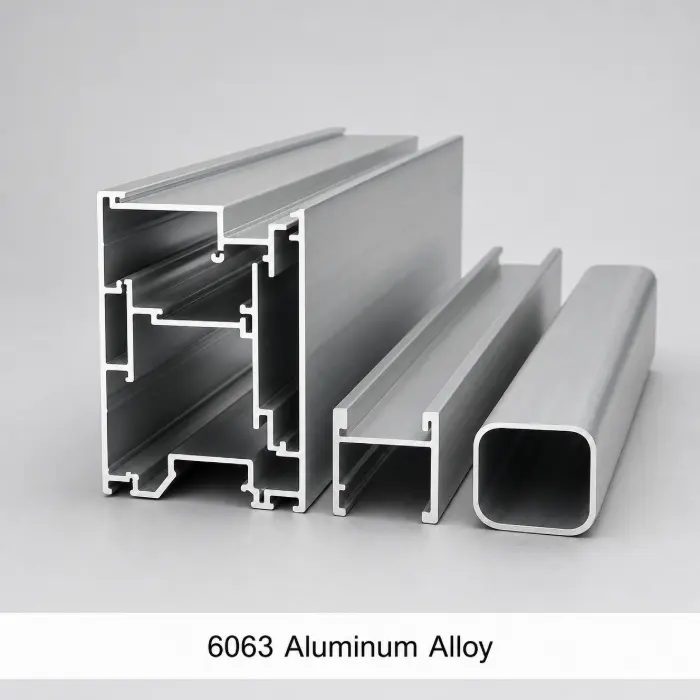
6063 Aluminum
An extrusion-focused alloy with excellent surface quality, high extrudability and strong response to decorative anodizing.
Architectural, consumer-facing and thermal applications where appearance and profile complexity take priority over maximum strength.
Window and door profiles, trim, LED channels, heat sinks, display frames and decorative enclosures.
Decorative anodizing, electrophoretic coating, powder coating, PVDF coating, polishing and brushing.
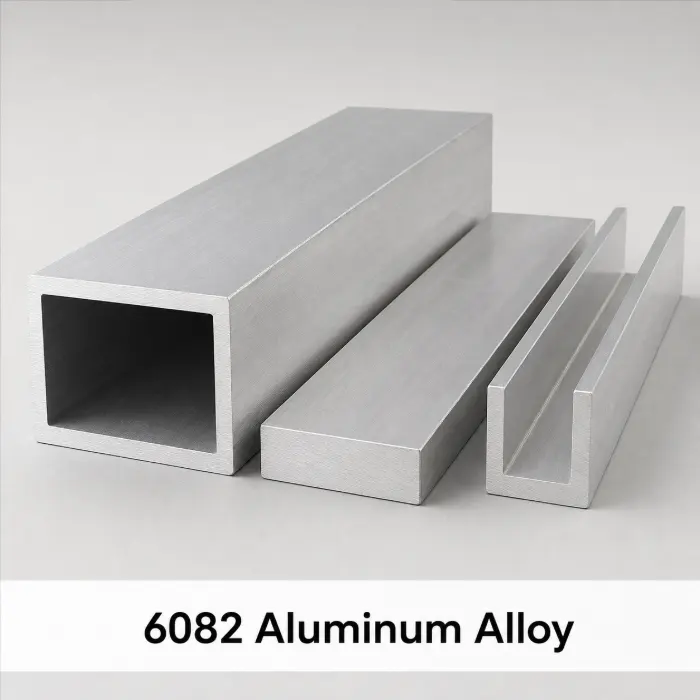
6082 Aluminum
A high-strength 6xxx structural alloy with good corrosion resistance, weldability and machinability, but lower extrudability than 6063.
High-load transport and engineering structures where strength is more important than intricate thin-wall geometry.
Load-bearing frames, bridge and rail components, heavy supports, transport structures and machined profiles.
Protective anodizing with appearance qualification, conversion coating, powder or PVDF coating, and machined finish.
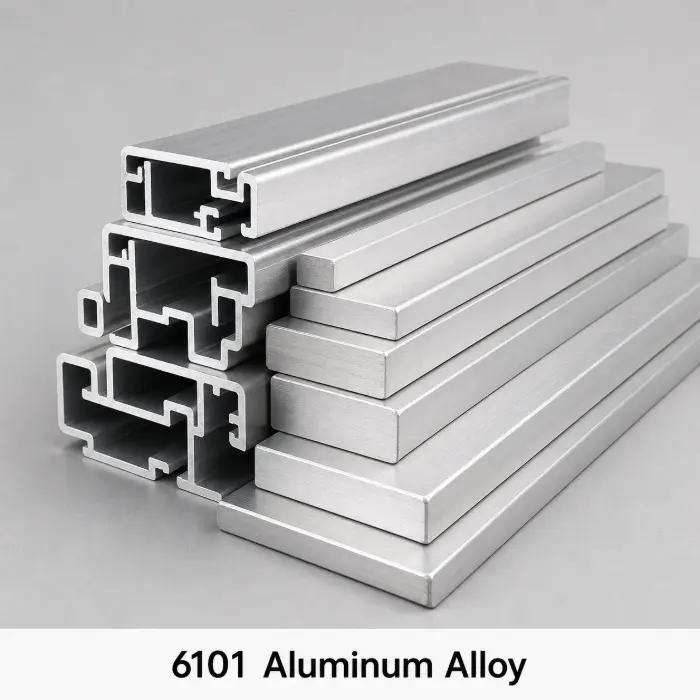
6101 Aluminum
A heat-treatable electrical alloy developed for high conductivity with moderate strength and good extrusion capability.
Electrical distribution and power equipment where conductivity, consistent section geometry and manageable weight matter.
Busbars, conductor rails, electrical connectors, switchgear components and power-distribution profiles.
Mill finish, tin, nickel or silver plating as specified, plus conversion coating or anodizing with contact areas masked.
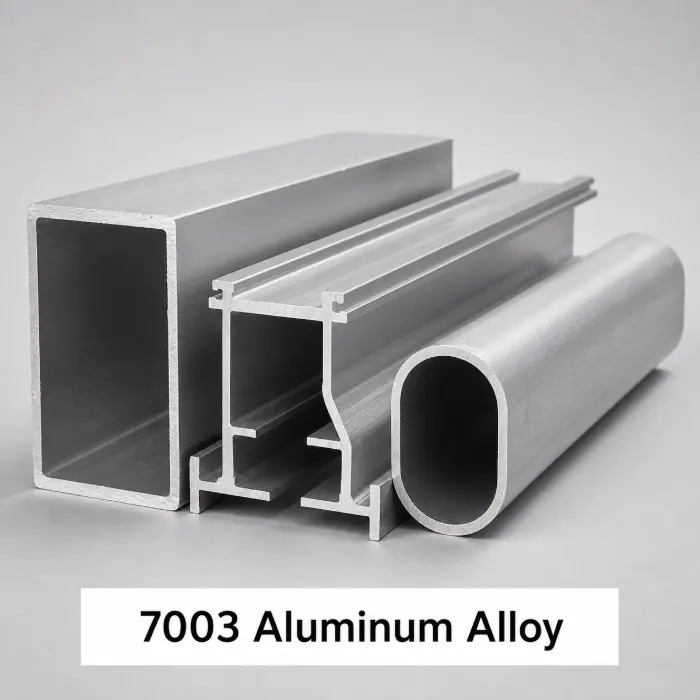
7003 Aluminum
A high-strength zinc-magnesium extrusion alloy with better weldability than many 7xxx grades and useful crash-performance potential.
Automotive, transport and lightweight structural systems requiring higher strength and fatigue performance than common 6xxx grades.
Vehicle reinforcement profiles, crash structures, bicycle components, rails and welded structural assemblies.
Protective anodizing, conversion coating, powder or PVDF coating; stressed joints require corrosion-aware design.
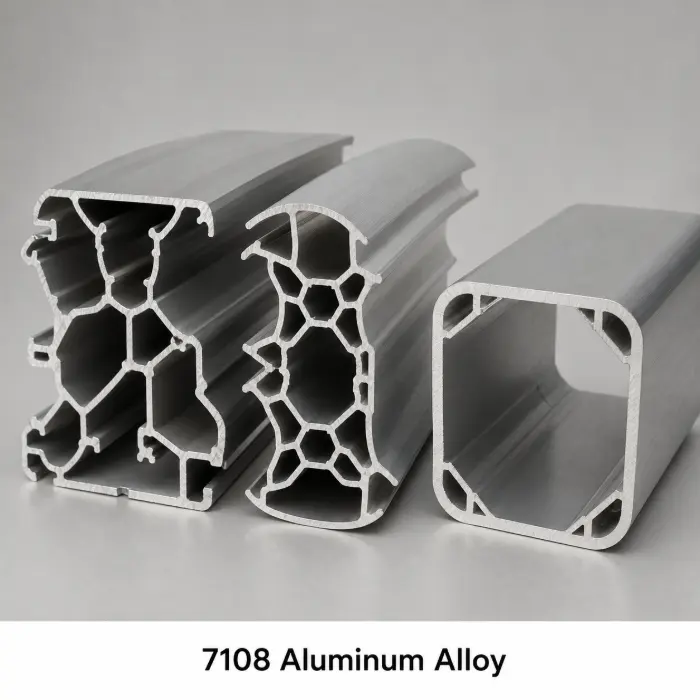
7108 Aluminum
A very high-strength extrusion alloy with strong fatigue performance, limited formability and more restrictive profile geometry than 6xxx alloys.
High-load building and transport structures where maximum strength-to-weight performance is the primary requirement.
Load-bearing frames, long-span supports, heavy-vehicle structures and high-stress structural profiles.
Protective anodizing, conversion coating and powder coating; welding should be limited to validated lower-stress regions.
Final availability, temper and finish are confirmed against the profile geometry, mechanical requirements and production volume.
Surface Protection
Surface Finishes for Aluminum Profiles
Select the finish by corrosion exposure, wear, appearance, conductivity and outdoor service requirements.
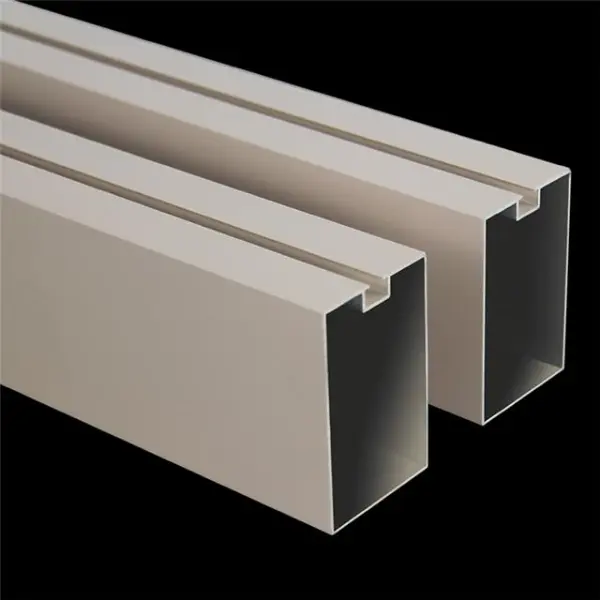
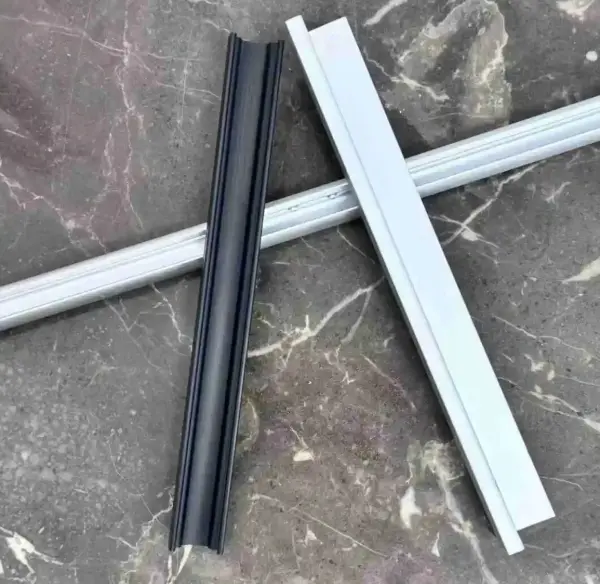
MAO / Ceramic Coating
Adds a hard ceramic-like layer for demanding wear and corrosion conditions.
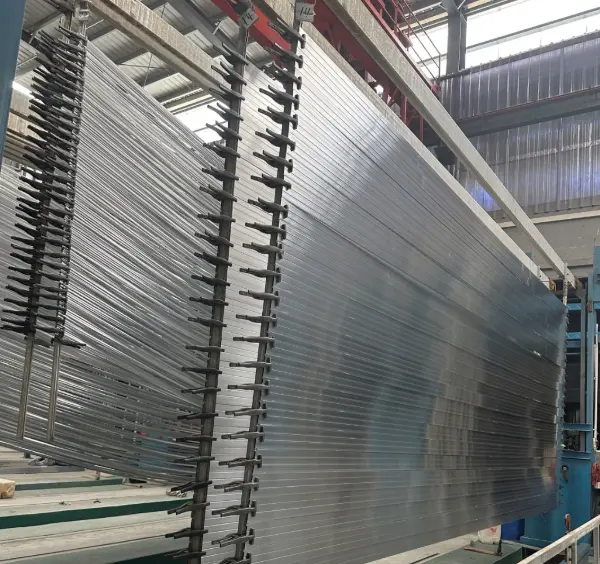
Anodizing
Improves corrosion resistance, wear performance and color control.
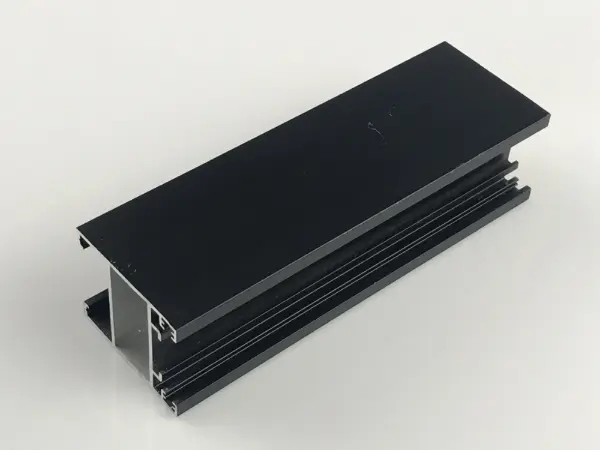
Electrophoretic Coating
Provides a uniform decorative and protective film on suitable profiles.
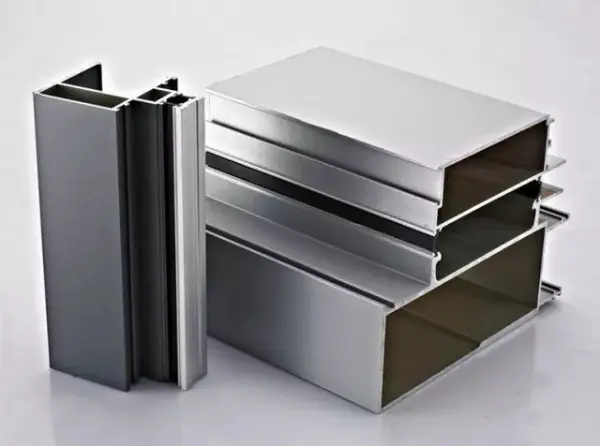
Powder Coating
Adds a durable colored finish for architectural and industrial profiles.
PVDF Coating
Supports long-term color and weather resistance for exterior applications.
Applications
Where Custom Aluminum Extrusions Add Value
A purpose-designed profile can integrate channels, mounting features and reinforcement while reducing mass, machining and assembly steps.
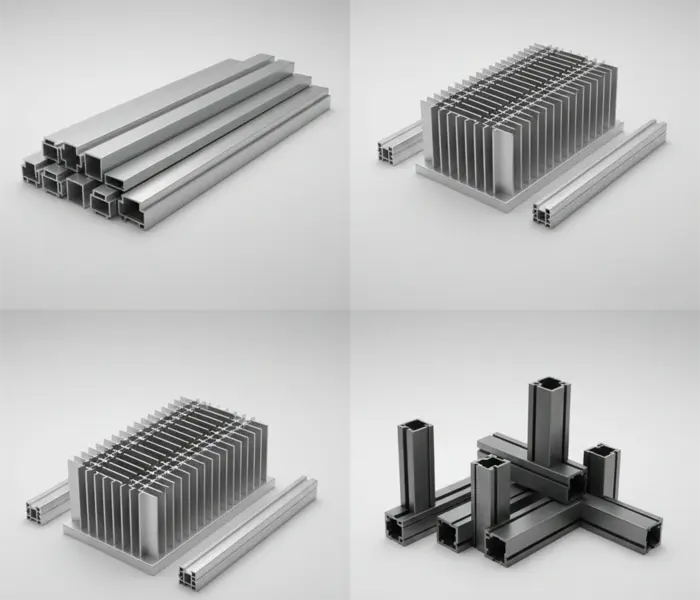
Automation
Machine frames, guards, linear modules and assembly structures.
Transportation
Lightweight rails, frames, supports and body structures.
Electronics & Thermal
Heat sinks, housings, LED channels and equipment enclosures.
Architecture
Window, door, façade, trim and structural profile systems.
Renewable Energy
Solar mounting, battery enclosures and energy-system frames.
Furniture & Fixtures
Modular frames, display systems, tracks and decorative profiles.