Custom Brass Machining
Brass CNC Machining Services
Brass delivers excellent machinability, low friction, corrosion resistance and a clean decorative finish. Send your drawing for grade selection, manufacturability review and a clear production quote.
Upload Your Drawing →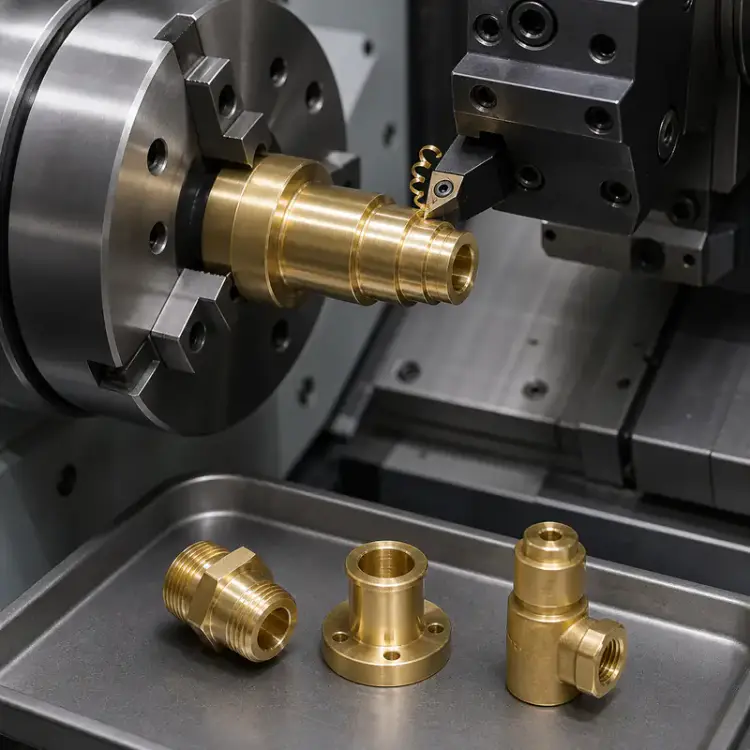
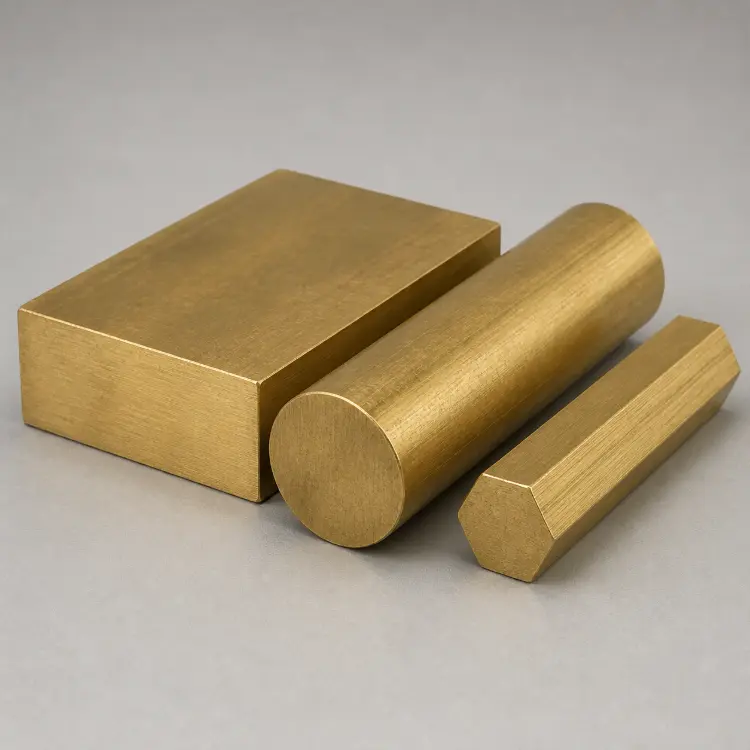
Material Profile
Key Properties of Brass
Brass properties vary by alloy, temper and product form. These ranges cover commonly machined wrought and free-cutting grades.
| Density | 8.2–8.7 g/cm³ |
|---|---|
| Tensile Strength | 300–700 MPa |
| Yield Strength | 100–550 MPa |
| Elongation | 5–50% |
| Hardness | 60–200 HB |
| Electrical Conductivity | 12–30% IACS |
| Thermal Conductivity | 100–160 W/m·K |
Brass Material Selection
Choose the Right Brass Grade
Select the grade by forming route, machinability, corrosion exposure and regulatory requirements. Final material condition is confirmed from the drawing and service environment.
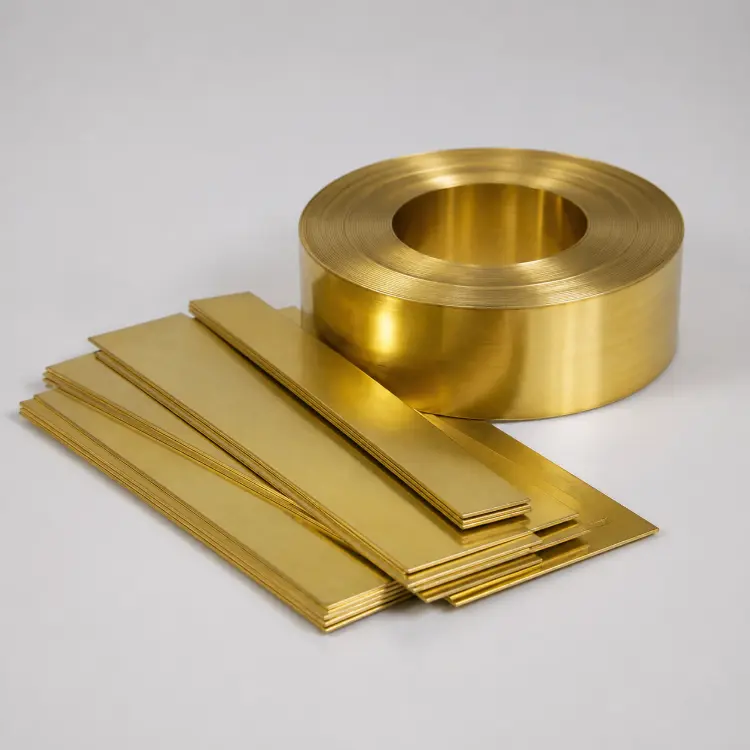
C26000 Cartridge Brass
A 70/30 copper-zinc brass with excellent cold-forming response, good corrosion resistance and a clean decorative appearance.
- Best for
- Deep-drawn housings, terminals, clips and stamped components
- Production route
- Cold forming followed by controlled secondary machining
- Machining note
- Confirm temper before cutting formed or thin-wall parts
- Common finish
- Polishing, plating or clear protective coating
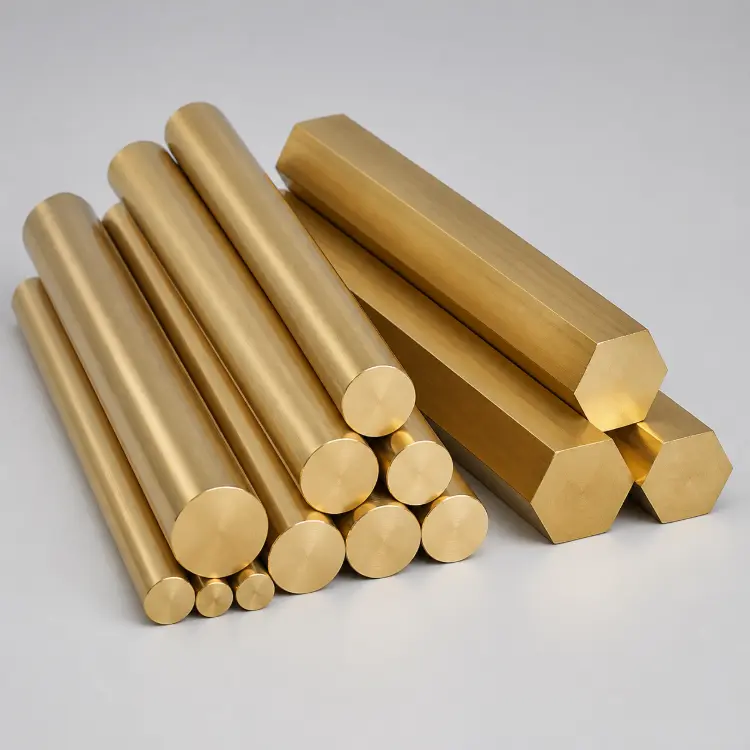
C36000 Free-Cutting Brass
A leaded brass engineered for fast, stable machining with short chips, accurate threads and consistent turned surfaces.
- Best for
- Fittings, valve parts, fasteners and high-volume turned components
- Production route
- CNC turning, milling and screw-machine production
- Machining note
- Excellent machinability supports efficient repeat production
- Common finish
- As-machined, polishing, nickel plating or tin plating
C36000 contains lead. Confirm regulatory requirements before specifying it for potable-water or lead-restricted applications.
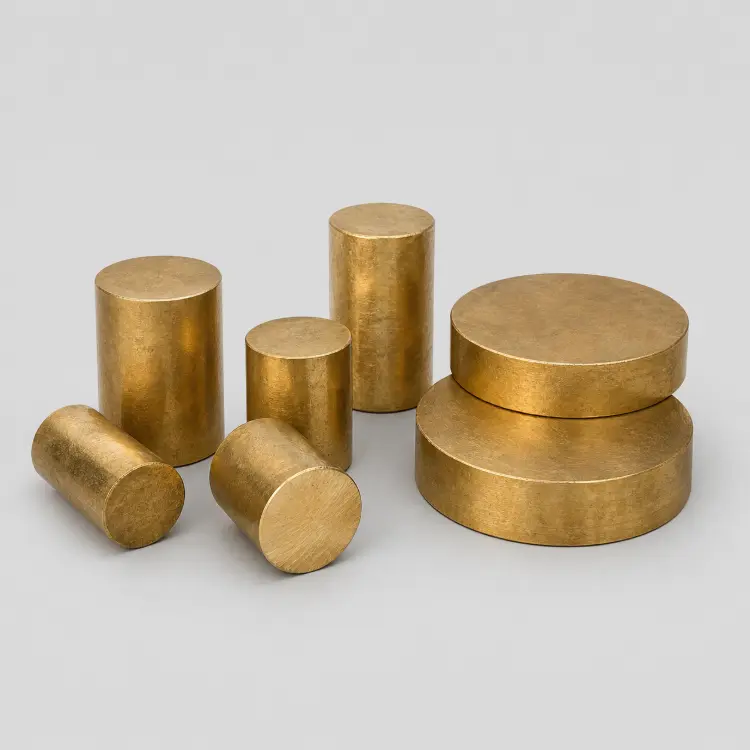
C37700 Forging Brass
A leaded forging brass with excellent hot forgeability and strong follow-up machinability for near-net-shape parts.
- Best for
- Valve bodies, hardware, forged fittings and shaped components
- Production route
- Hot forging followed by datum-controlled machining
- Machining note
- Establish final machining datums from the forged blank
- Common finish
- Polishing, nickel plating or clear protective coating
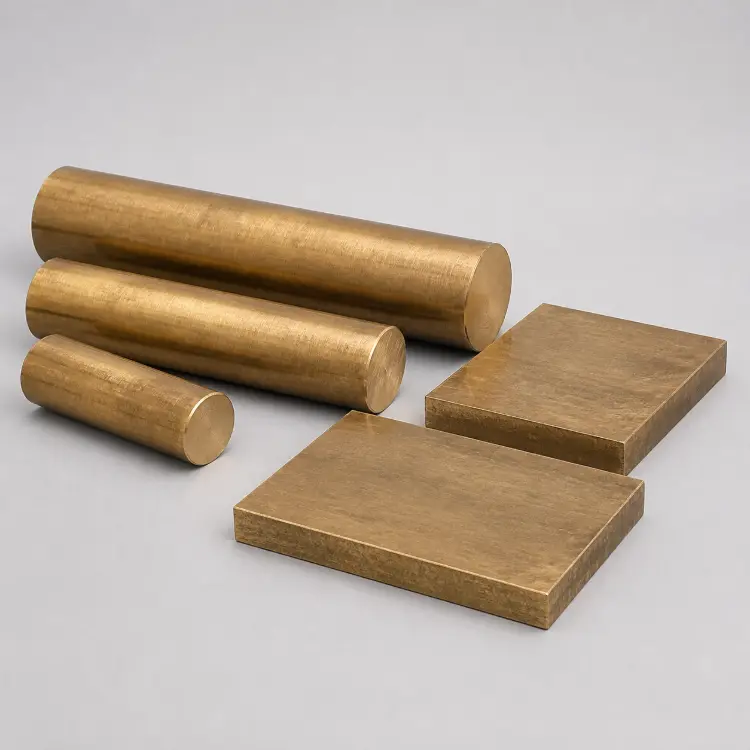
C46400 Naval Brass
A tin-containing brass selected for seawater corrosion resistance, useful strength and dependable marine service.
- Best for
- Marine hardware, shafts, valve stems and fasteners
- Production route
- Turning and milling from bar, rod or formed stock
- Machining note
- Use rigid tooling and controlled cutting parameters
- Common finish
- Polishing, cleaning, lacquer or nickel plating
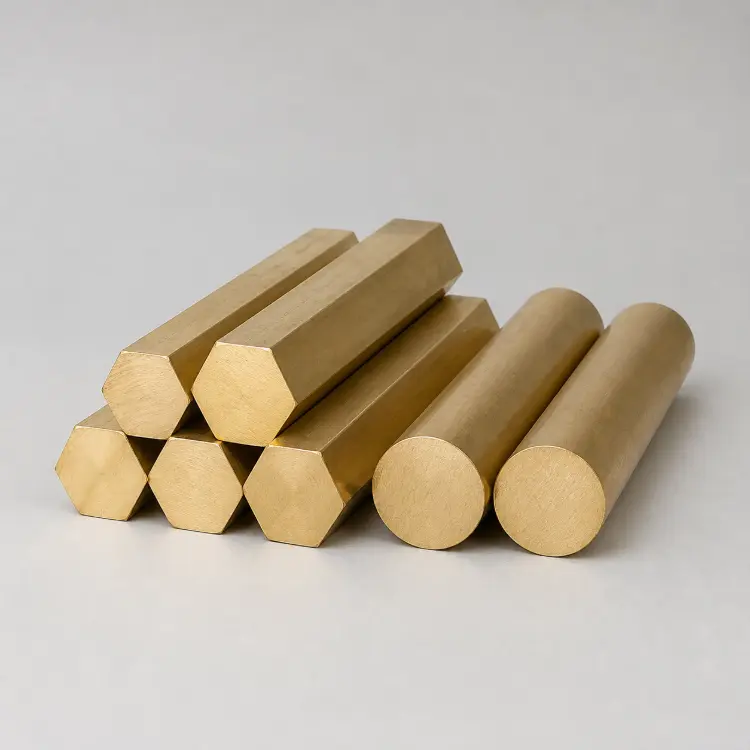
C69300 Lead-Free Silicon Brass
A lead-free silicon brass combining high strength, good machinability and corrosion resistance for fluid-service components.
- Best for
- Valves, fittings and potable-water hardware subject to certification
- Production route
- Forging, CNC turning and precision secondary machining
- Machining note
- Confirm temper, lead-free specification and market compliance
- Common finish
- As-machined, polishing, cleaning or nickel plating
Mechanical properties, corrosion performance and compliance depend on product form, temper and certification. Include the service environment and applicable standard with the drawing.
Custom Projects
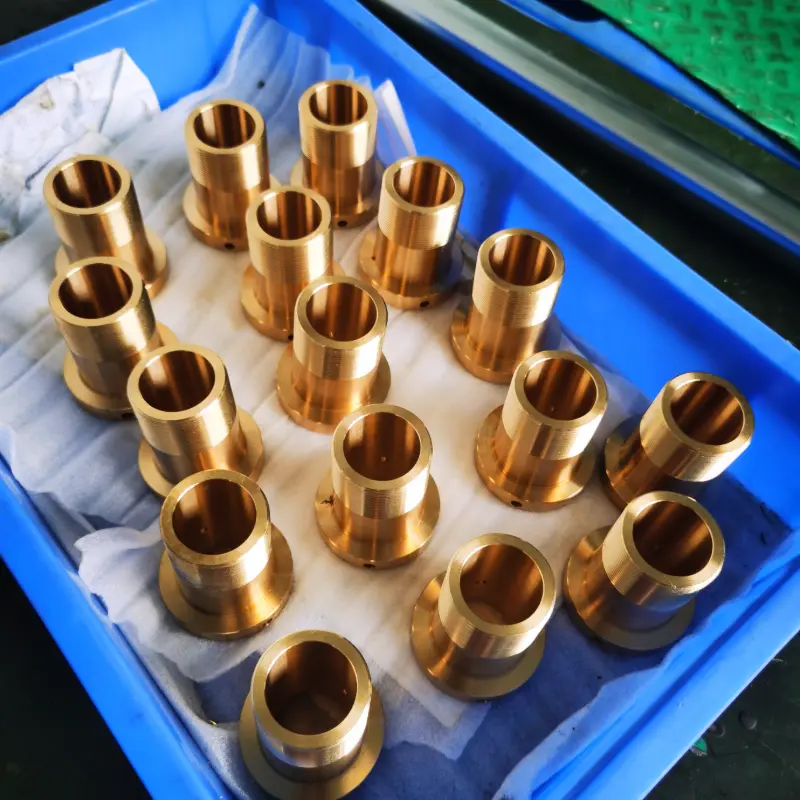
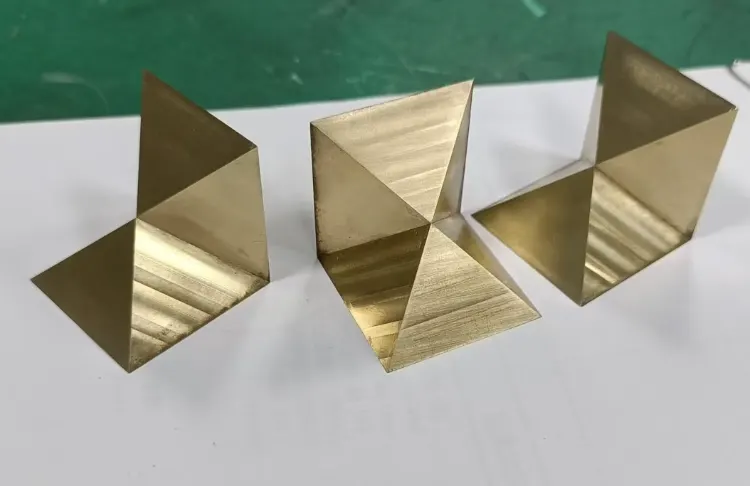
Custom CNC-Machined Brass Parts
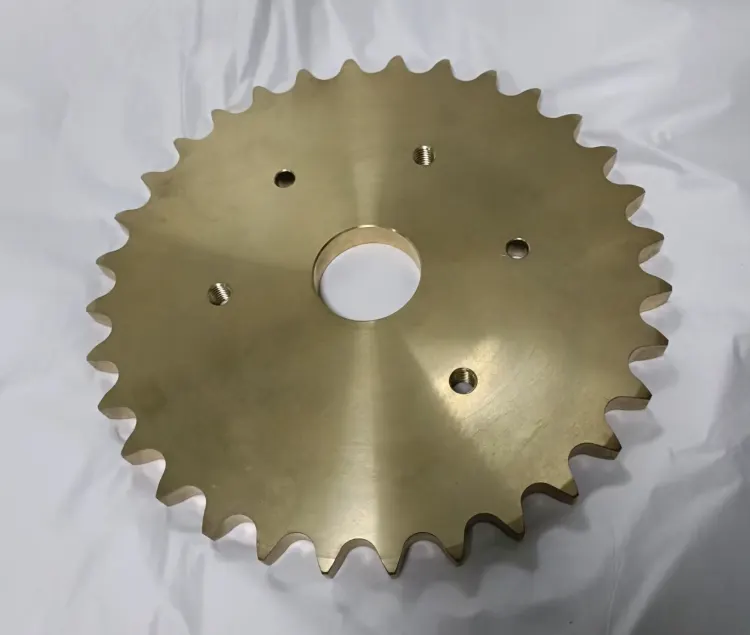
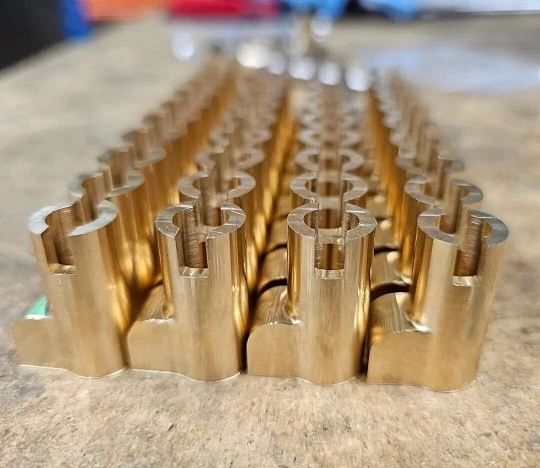
Custom brass components for electrical, fluid-control, automotive, industrial and decorative applications—from prototypes to repeat production.
Machining & Inspection
From Process Review to Final Inspection
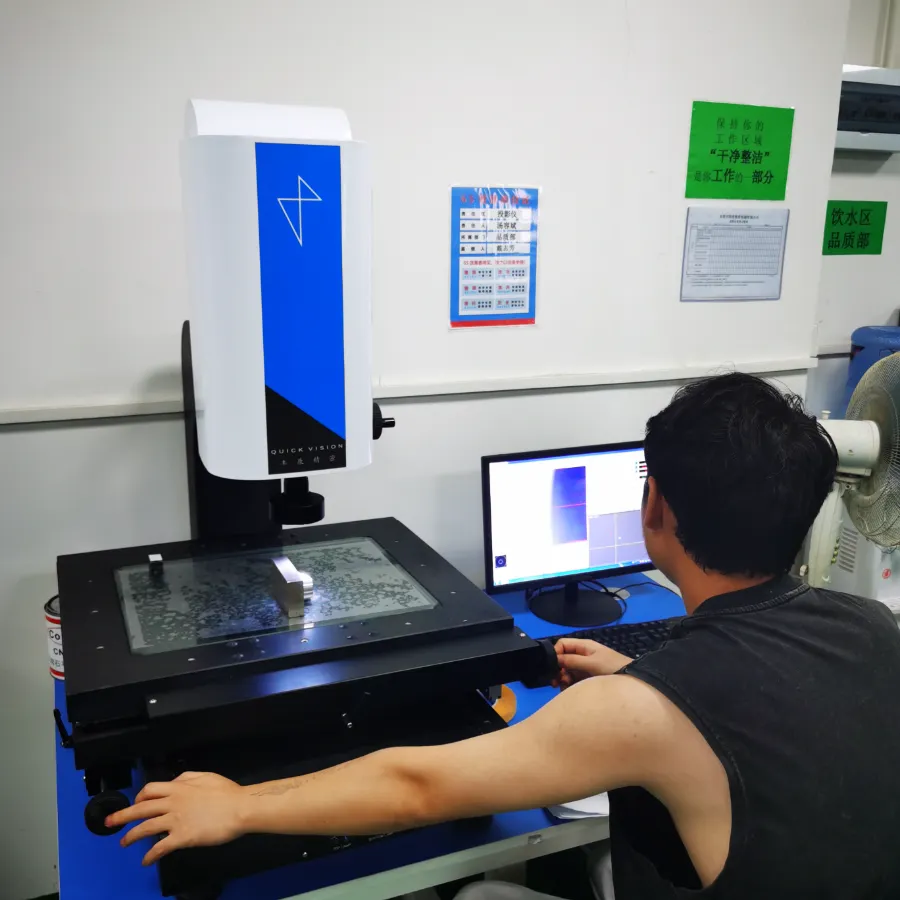
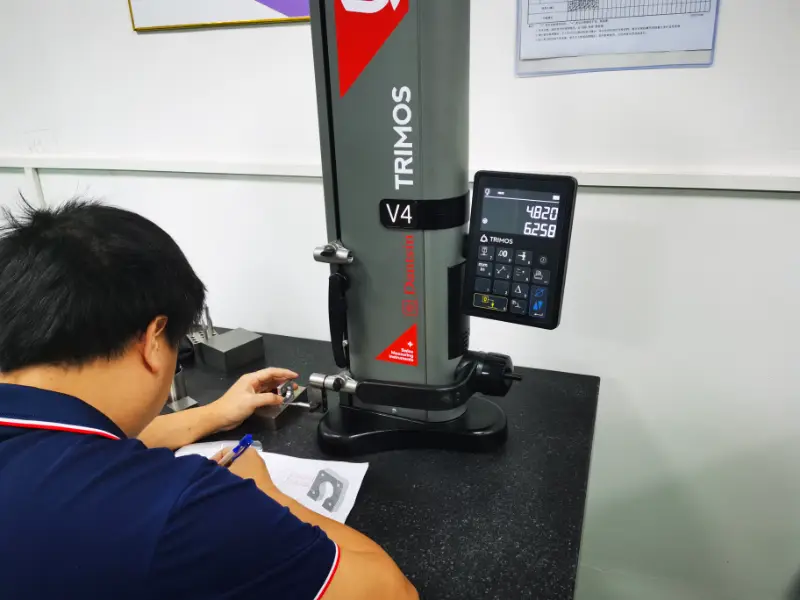
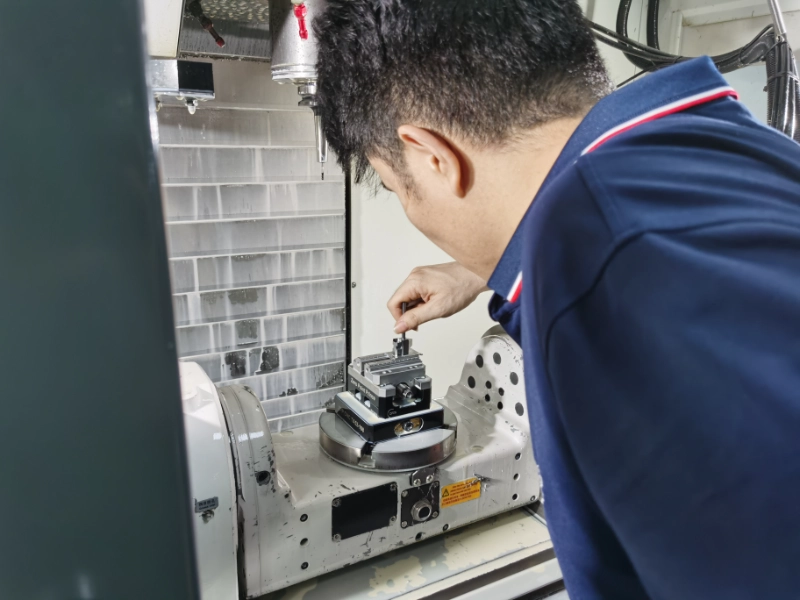
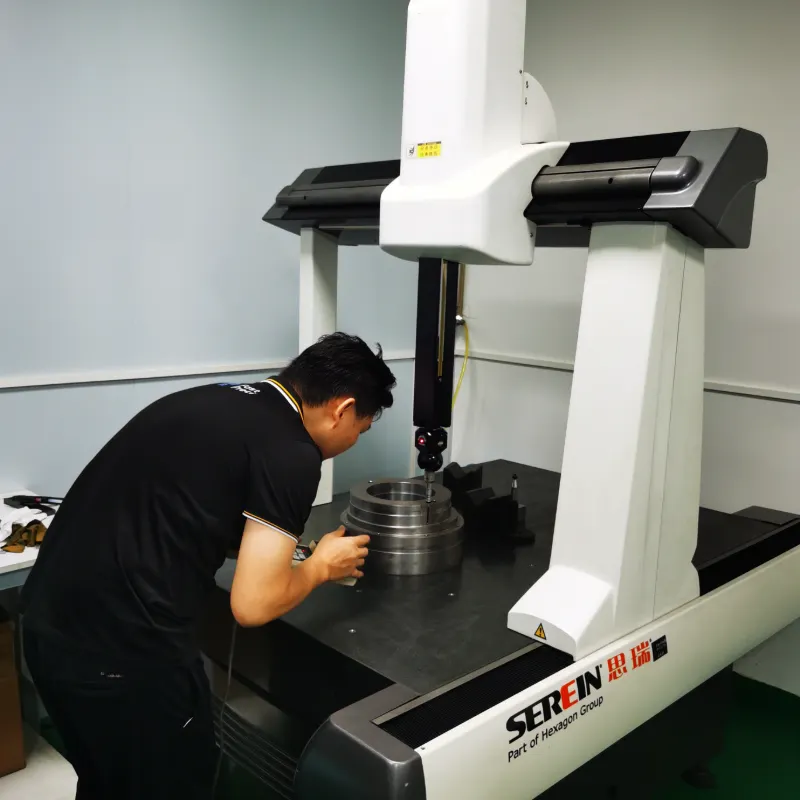
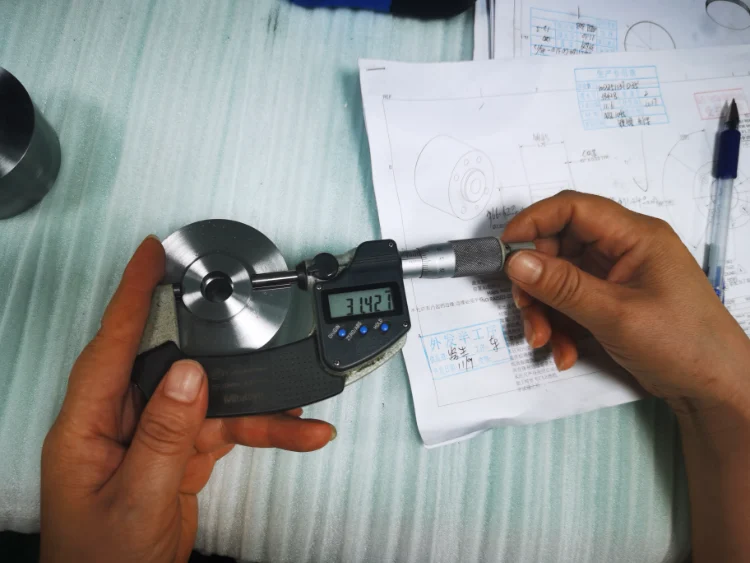
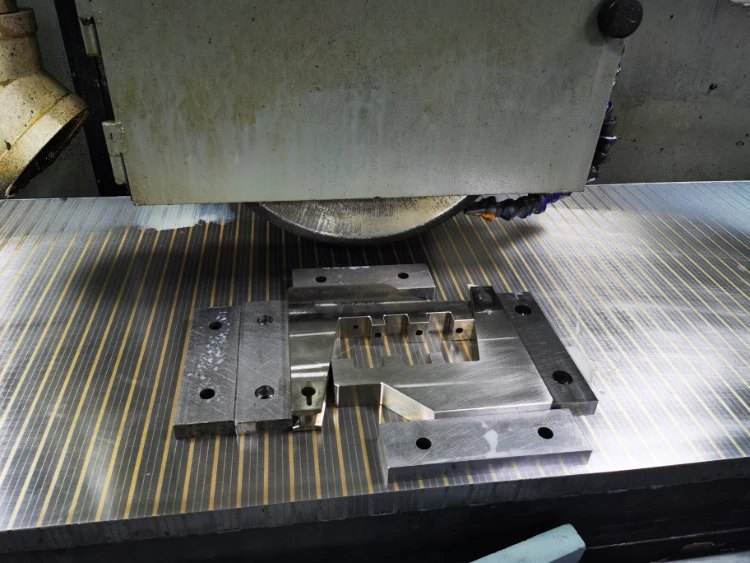
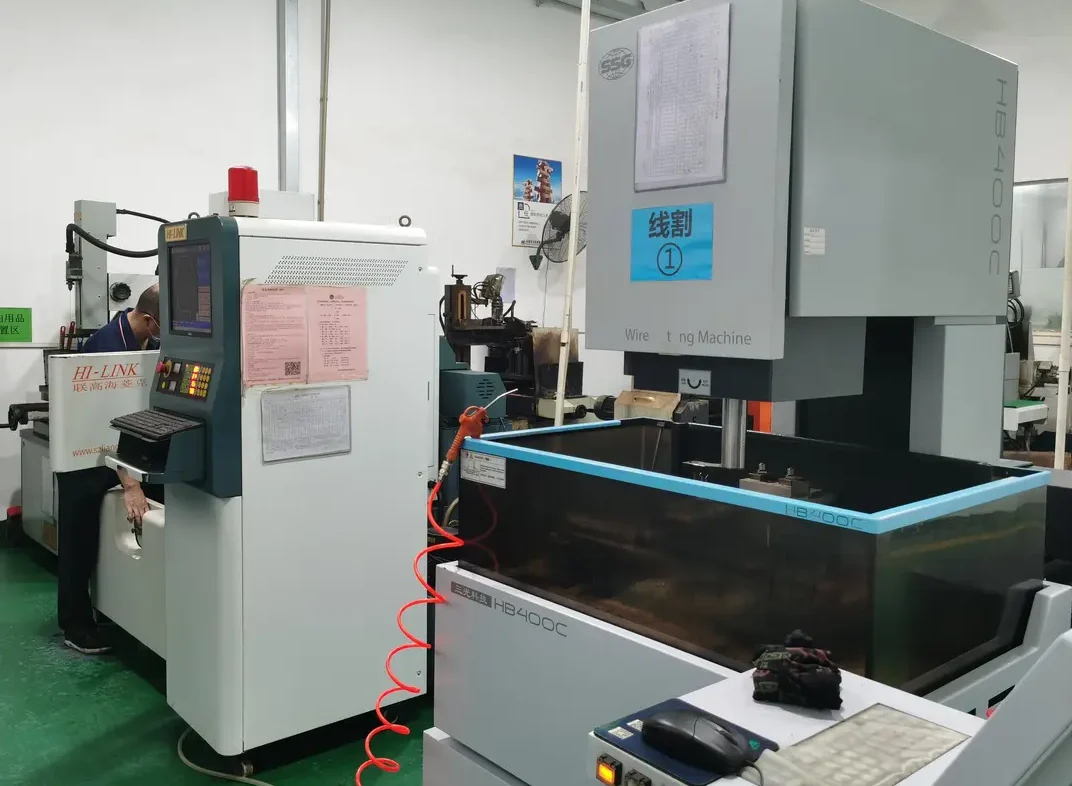
Machining, grinding, EDM and dimensional inspection support controlled production from prototypes to repeat orders.