
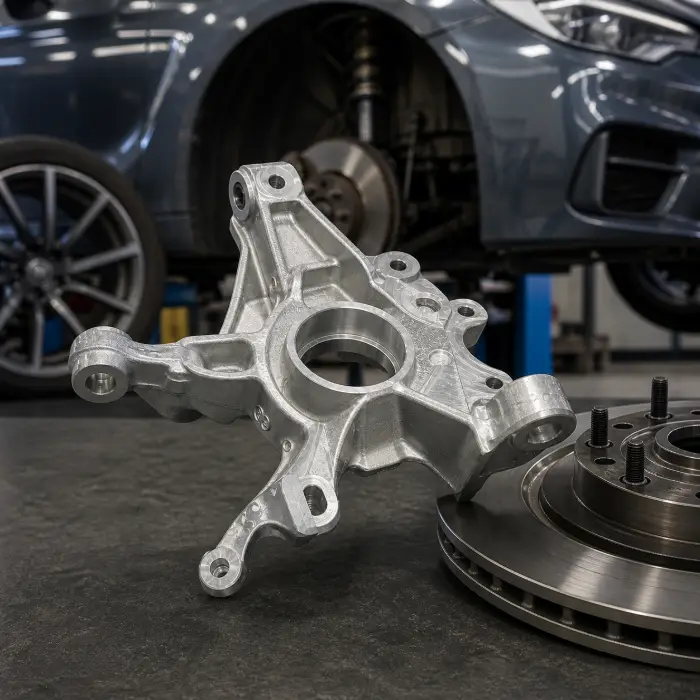
Automotive & Racing Parts Manufacturing
Custom metal and plastic components for automotive, EV, and motorsport projects. Weldo supports prototypes, low-volume builds, replacement parts, and repeat orders with drawing-based manufacturing and inspection planning.
- Prototype to Production
- Metals & Plastics
- Drawing-Based Inspection
Custom Parts for Vehicle Programs
Six component groups for vehicle development, replacement-part sourcing, EV equipment, and custom racing projects.

Powertrain & Engine
Pistons, pulleys, manifold components, turbo housings, covers, and adapters.
Transmission & Driveline
Gearbox housings, bearing carriers, shafts, couplings, flanges, spacers, and mounts.
Chassis, Suspension & Brakes
Knuckles, hubs, caliper components, brackets, and suspension interfaces.
EV & Thermal Management
Motor housings, inverter cases, cold plates, heat sinks, busbar supports, and sensor mounts.
Structures & Equipment
Mounting interfaces, reinforcement parts, panels, fixtures, and equipment housings.
Custom Racing Parts
One-off and low-volume powertrain, suspension, cockpit, and cooling components.
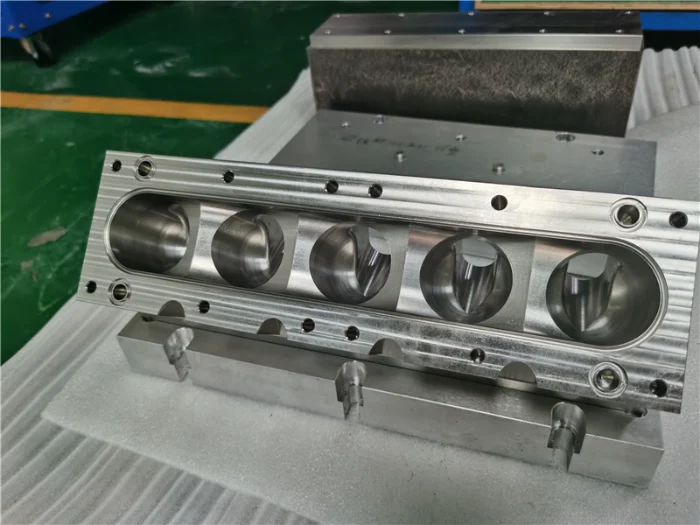
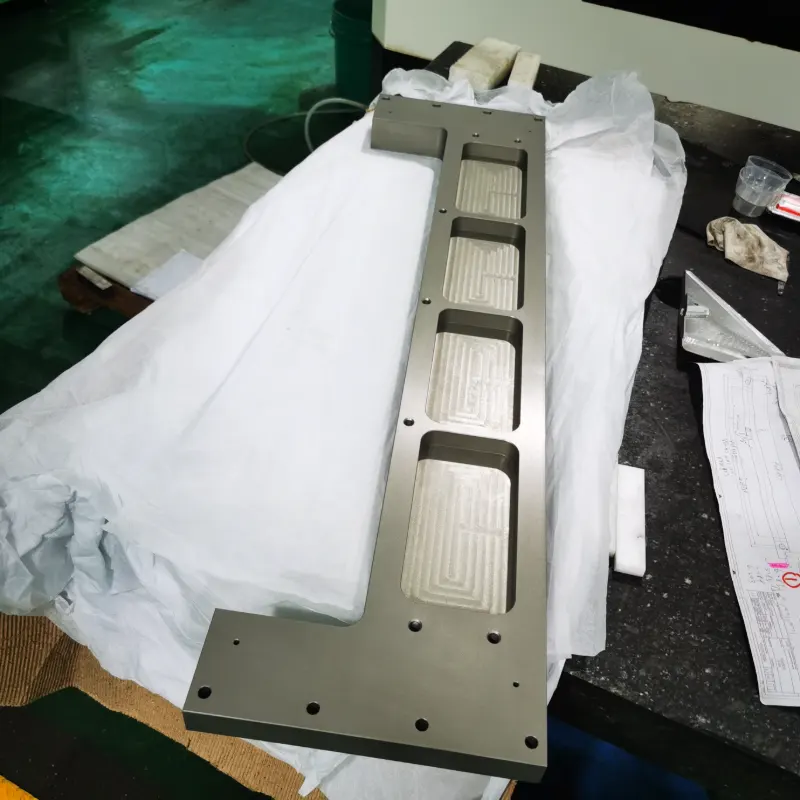
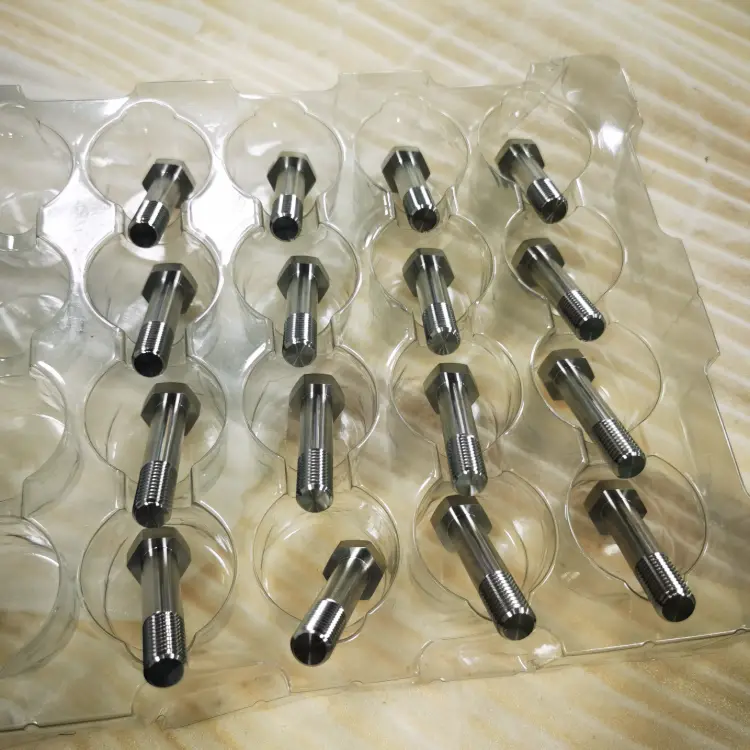
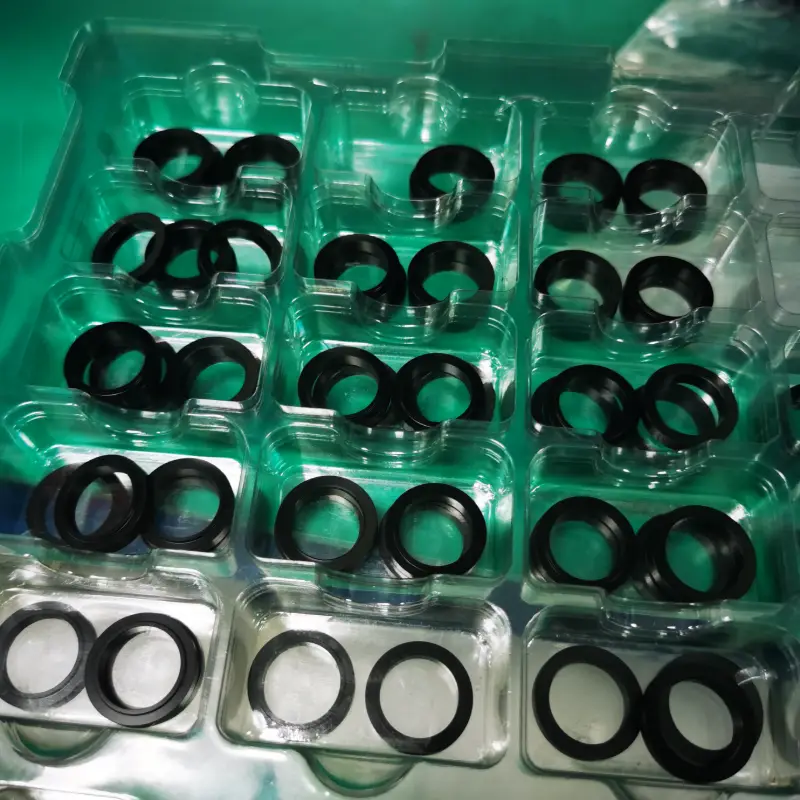
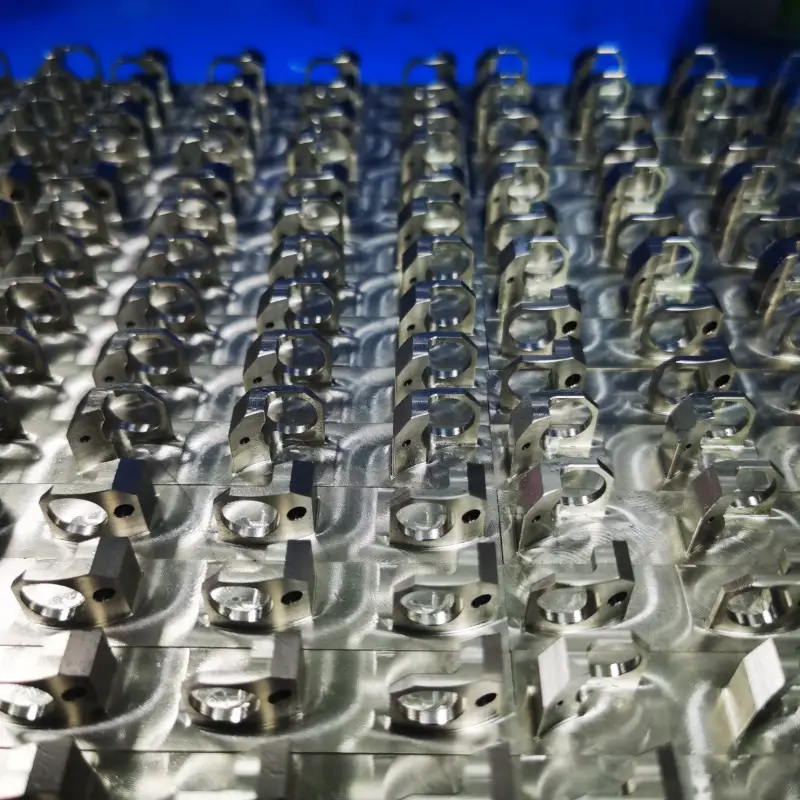
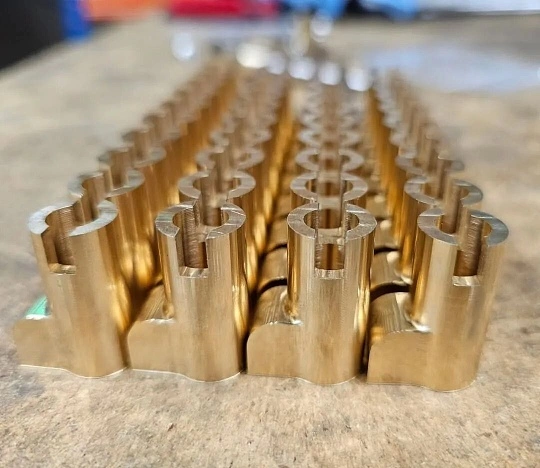
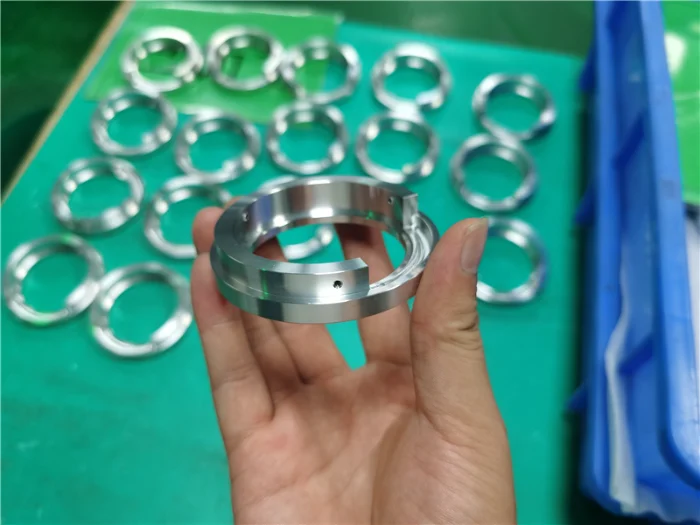
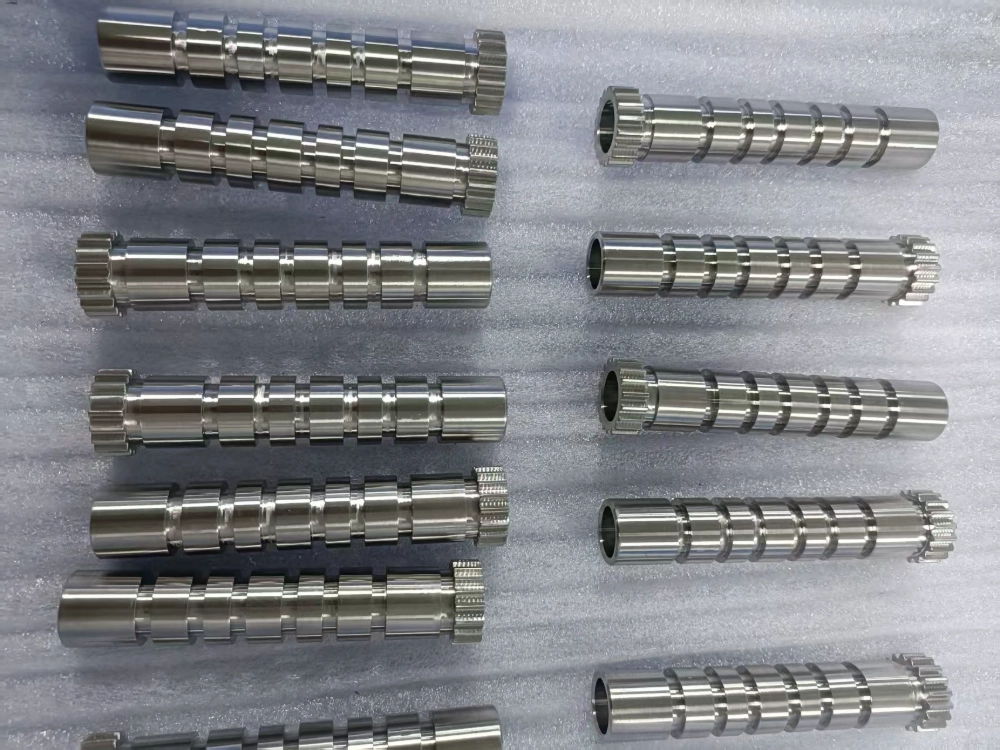
Weldo Automotive Machining Projects
Machined metal and engineering-plastic examples for development, replacement, and repeat-production requirements.

Manufacturing Routes for Automotive Parts
Choose the route from geometry, material, quantity, tooling, inspection, and delivery requirements.

CNC Machining
Housings, shafts, brackets, interfaces, and precision parts with drawing-defined features.

Sheet Metal Fabrication
Panels, brackets, covers, enclosures, and formed heat-management structures.

Injection Molding
Plastic clips, ducts, covers, housings, and repeat-production components where tooling is suitable.

3D Printing
Form, fit, and assembly checks, plus suitable functional prototypes using a defined material and process.
Materials for Automotive Components
Match the grade and condition to load, temperature, wear, weight, corrosion, electrical function, and cost.
Aluminum Alloys
Lightweight options for housings, brackets, adapters, cooling parts, and selected racing structures. Grade and temper follow the part’s load, temperature, corrosion, and finishing requirements.
View material planning notes
- Before Production
- Review stock form, residual stress, thin-wall rigidity, coating allowance, and material documentation.
Carbon & Alloy Steels
Options for shafts, driveline interfaces, tooling, and loaded mechanical components. Final strength and wear behavior depend on grade and heat-treatment condition.
View material planning notes
- Before Production
- Specify hardness, heat treatment, stock condition, machining allowance, distortion limits, and protective finishes.
Stainless Steel
Corrosion-resistant and precipitation-hardening options for fittings, sensor mounts, fluid-system parts, and mechanical interfaces.
View material planning notes
- Before Production
- Match grade and condition to fluid exposure, temperature, strength, threads, and any passivation requirement.
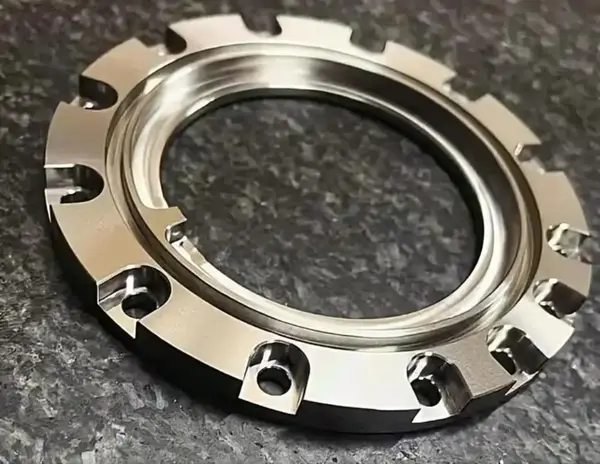
Titanium Alloys
For selected components where weight, corrosion resistance, and the required mechanical properties justify the material and processing route.
View material planning notes
- Before Production
- Confirm the exact material specification, stock condition, loading, surface integrity, and documentation rather than treating titanium grades as interchangeable.
Copper, Brass & Bronze
Electrical, thermal, connector, bushing, and wear-interface components. Select the alloy for conductivity, corrosion, load, and the mating surface.
View material planning notes
- Before Production
- Review conductivity, temper, fluid compatibility, thread strength, bearing conditions, and any alloy restrictions.
Engineering Plastics
Insulating, low-friction, lightweight, and chemical-resistant options for guides, bushings, covers, housings, and other specified functional parts.
View material planning notes
- Before Production
- Specify resin, filler, color, moisture condition, temperature, creep limits, and service exposure. Match prototype material to the intended verification purpose.
Surface Finishes and Secondary Processes
Coatings & Conversion Treatments
Anodizing, hard anodizing, conversion coating, electroless nickel, zinc plating, black oxide, and passivation are selected for compatible substrates and specifications.
Surface Texture & Appearance
Bead blasting, polishing, powder coating, and painting are reviewed against roughness, masking, film thickness, color, and protected interfaces.
Heat Treatment & Identification
Specify hardness, heat-treatment sequence, any required shot peening, marking, and inspection after processing. Critical dimensions need suitable allowance.
Control Critical Features from Prototype to Repeat Orders
Drawing and revision control, defined inspection, and agreed production records support consistent sourcing.
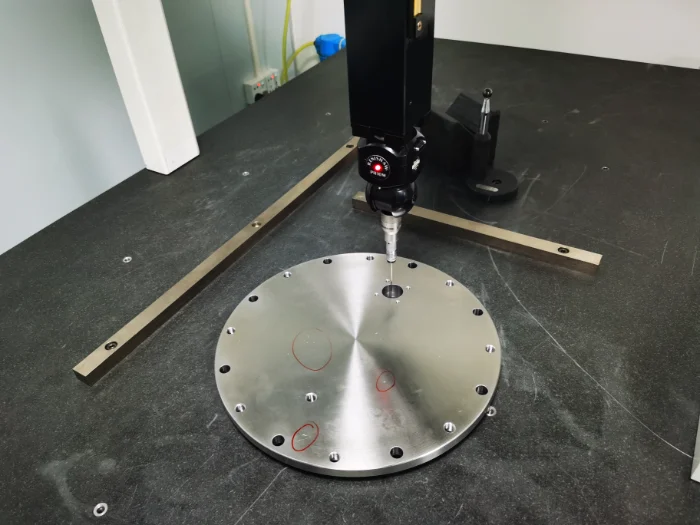
Critical-Feature Inspection
Check agreed dimensions, datums, fits, and geometric controls using suitable CMM and calibrated measuring equipment.
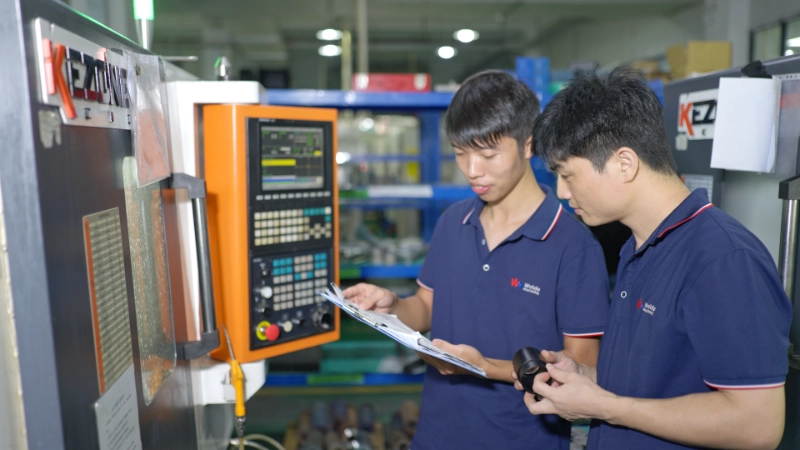
Documentation by Agreement
Define dimensional reports, material certificates, CoC, FAI, PPAP scope, and traceability during quotation.
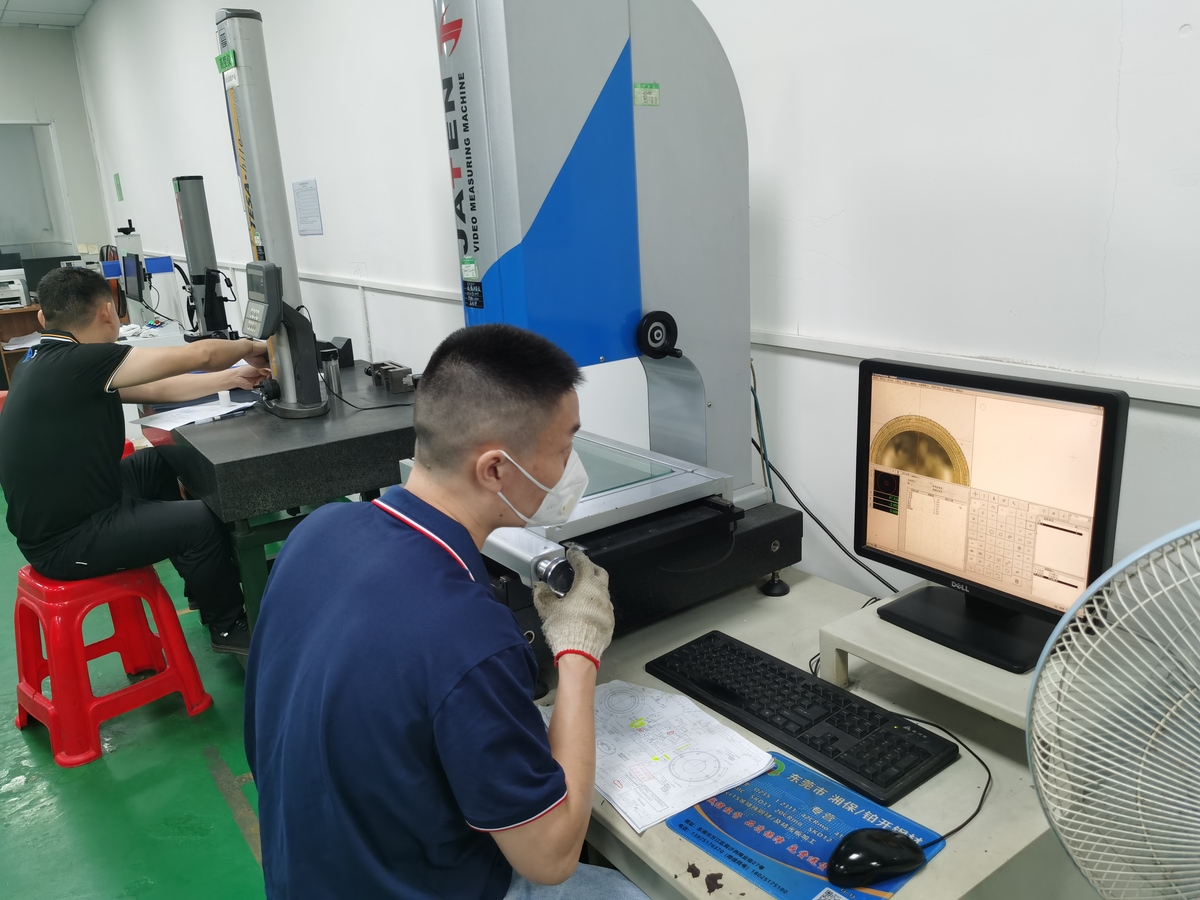
Controlled Production & Release
Manage drawing revision, in-process and final checks, treatment records, protection, and delivery requirements.
DFM & Risk Review
Review tool access, thin features, datum strategy, tolerance relationships, and assembly interfaces.
Prototype Verification
Produce representative parts for the customer’s fit, function, and design-verification activities.
Process Confirmation
Agree material, routing, fixtures, finishing, inspection, and required production records.
Repeat-Order Control
Maintain approved revisions, programs, and inspection requirements; review changes before release.
Weldo’s ISO 9001:2015 quality system supports controlled manufacturing and inspection. State any PPAP, IMDS, IATF 16949, or customer-specific approval requirement on the RFQ so the scope and availability can be confirmed.
Automotive Manufacturing Questions
Plan materials, tolerances, documentation, and production transfer before quotation.
Can Weldo machine one-off and low-volume racing parts?
One-off prototypes, test components, and low-volume racing parts can be reviewed from controlled drawings, material specifications, and inspection criteria. The production route depends on geometry, quantity, and the intended requirements.
What information is needed for a quotation?
Provide the latest drawing and model, revision, material and condition, quantity, critical tolerances, finish, inspection requirements, and delivery target. These inputs determine manufacturing scope, price, and lead time.
How is consistency controlled from prototype to repeat orders?
Approved drawings, programs, process routes, fixtures, and inspection requirements are controlled for each order. Changes are reviewed for their effect on production and acceptance. Additional records are agreed during quotation.
Which materials are commonly considered for racing parts?
Aluminum, alloy and stainless steels, titanium, and engineering plastics are common options. Selection depends on load, temperature, wear, weight, corrosion, and the application’s verification requirements.
Can PPAP or automotive quality records be supplied?
Specify the customer submission level, required deliverables, samples, and acceptance criteria before quotation. PPAP, FAI, control plans, material certificates, CoC, dimensional reports, and traceability need a confirmed project scope.
How can cost and lead time be improved?
Use available stock grades, functional tolerances, accessible features, and suitable standard finishes. Review opportunities to reduce setups, special tooling, and unnecessary inspection while preserving functional requirements.
Are custom racing parts automatically road or competition approved?
Manufacturing to a drawing does not establish road approval or competition homologation. Applicable vehicle and series requirements need to be addressed for the intended use.