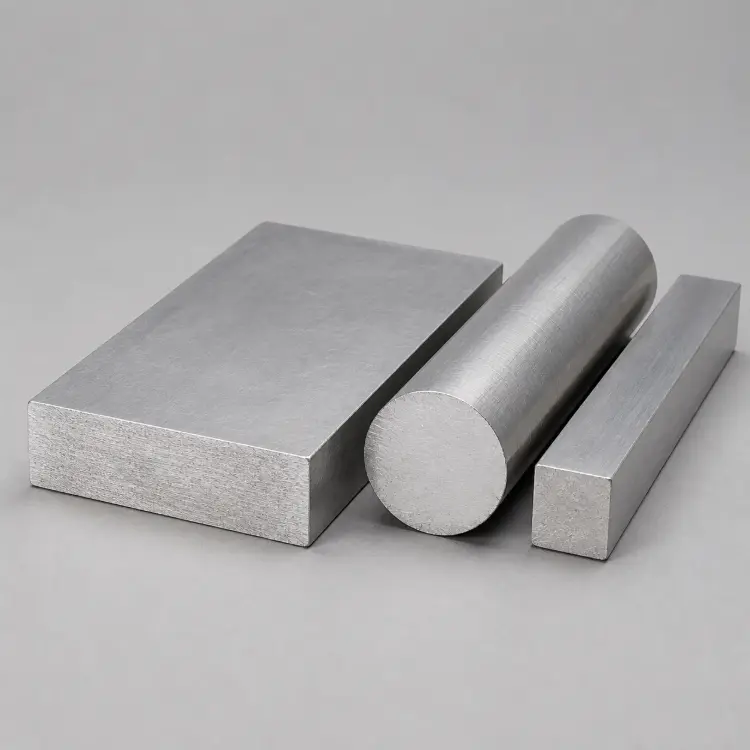
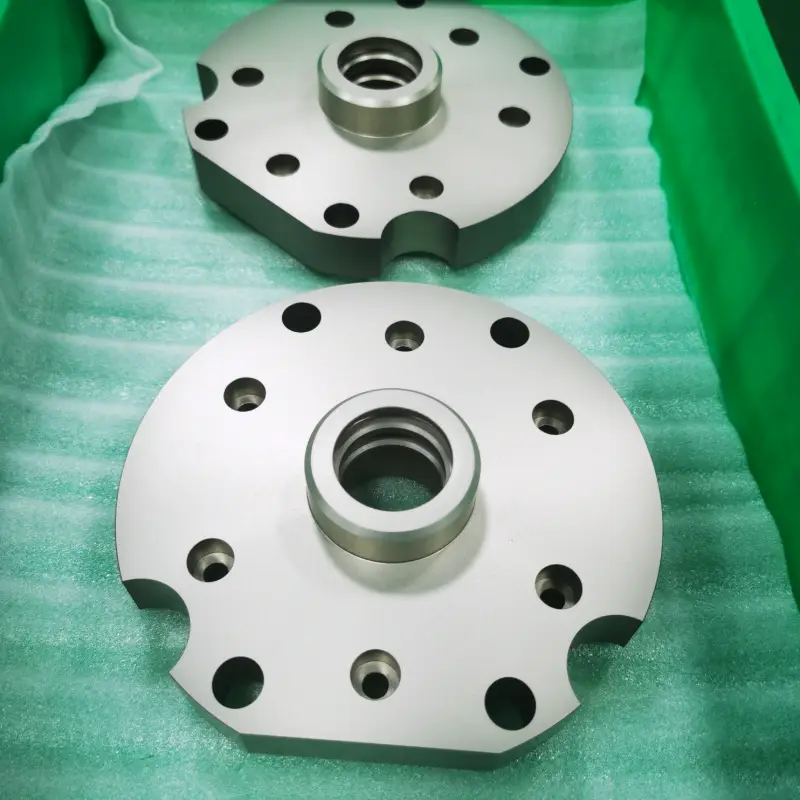
Aluminum
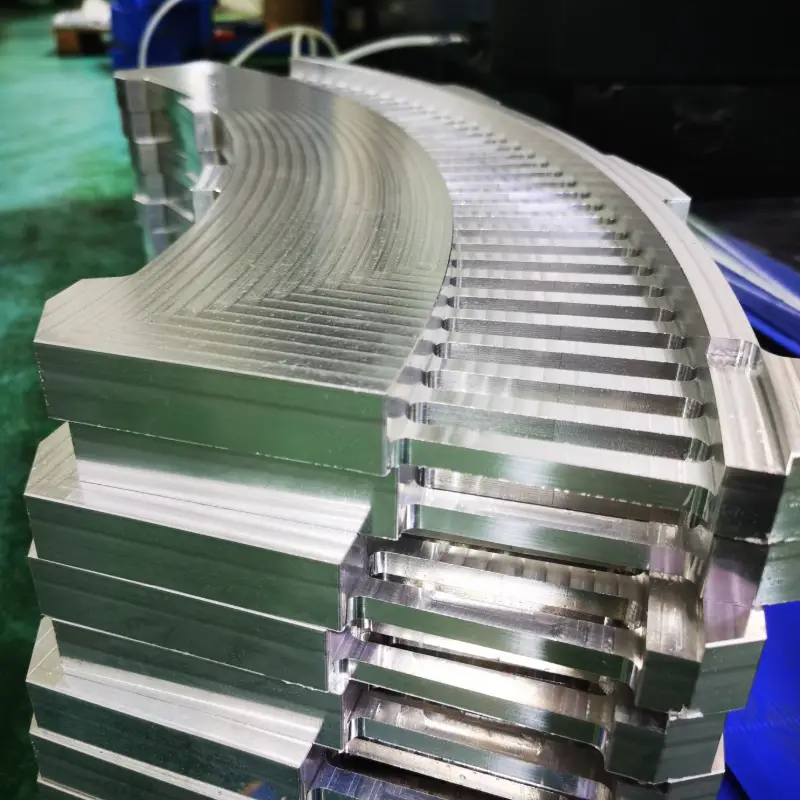
Get competitive price for custom aluminum parts. Receive comprehensive quotes for other type of aluminum materials and additional surface finishing processes for high-standard prototypes and standard production-run parts.
Process optional:
- CNC machining
- Extrusion
- Casting
- Forming
- Surface finish
Key Characteristics of Aluminum
Lightweight: Density ≈ 2.7 g/cm³,Good strength,Easy machinability,Excellent thermal conductivity and heat dissipation,High corrosion resistance,Suitable for surface treatments
Common Aluminum Alloy Grades
6061 Aluminum Alloy(7075,6060 ,6082 ,5083,6063 ,5052 ,2024,7050 ,MIC6,2017A )

Mechanical property parameters of different grade aluminum alloy.
| Alloy | Tensile Strength (MPa) | Yield Strength (MPa) | Fatigue Strength (MPa) | Elongation (%) | Hardness (HB) | Density (g/cm³) |
|---|---|---|---|---|---|---|
| 6061-T6 | 290–320 | 240–280 | 90–100 | 8–12 | 90–100 | 2.70 |
| 6061-T5 | 240–260 | 145–160 | 80–90 | 8–12 | 80–90 | 2.70 |
| 7075-T6 | 540–572 | 480–510 | 150–160 | 8–11 | 145–155 | 2.81 |
| 6060-T6 | 190–215 | 150–170 | 55–65 | 8–12 | 60–70 | 2.70 |
| 6082-T6 | 300–340 | 250–310 | 90–100 | 8–12 | 90–100 | 2.70 |
| 5083-H116 | 300–350 | 215–260 | 90–110 | 10–16 | 75–85 | 2.66 |
| 6063-T6 | 205–245 | 170–215 | 60–70 | 8–12 | 70–75 | 2.70 |
| 5052-H32 | 210–230 | 130–170 | 80–95 | 10–16 | 60–70 | 2.68 |
| 2024-T3 | 460–485 | 320–345 | 120–140 | 16–20 | 120–130 | 2.78 |
| 7050-T7451 | 510–540 | 430–470 | 150–170 | 8–12 | 140–155 | 2.83 |
| MIC-6 (cast) | 150–180 | 70–110 | — | 1–3 | 60–70 | 2.70 |
| 2017A-T4 | 410–440 | 250–280 | 110–130 | 10–18 | 110–125 | 2.78 |
Application fields of different aluminum alloy materials
Alloy | Typical Applications |
6061 (T6 / T5) | General structural parts, machine parts, mold base plates, automotive parts, bicycle frames, marine fittings |
7075-T6 | Aerospace structural parts, high-strength mechanical parts, gears, shafts, high-stress components |
6060-T6 | Architectural profiles, decorative parts, light structural components, furniture, electrical enclosures |
6082-T6 | Heavy-duty structural parts, bridges, cranes, vehicle frames, construction and machinery structures |
5083-H116 | Shipbuilding structures, pressure vessels, cryogenic tanks, marine structures (excellent seawater corrosion resistance) |
6063-T6 | Architectural profiles, frames, pipes, decorative and high surface-quality structural parts |
5052-H32 | Fuel tanks, marine parts, sheet metal parts, enclosures, lightweight transportation components |
2024-T3 | Aircraft structures, fasteners, automotive parts, high-strength fatigue-critical components |
7050-T7451 | Aerospace structural parts, high-load components, parts requiring high resistance to stress corrosion cracking |
MIC-6 (Cast) | Precision tooling plates, jigs, fixtures, CNC base plates (not for high-load structural use) |
2017A-T4 | Aircraft and automotive parts, fasteners, rivets, general duralumin structural components |
Multi Surface finishes for aluminum part
Over the past 15 years, we have selected and briefly outlined more than 50+ finishes for various aluminum parts.
Machined finish
The prototype processed by the machine tool retains traces of tool machining.
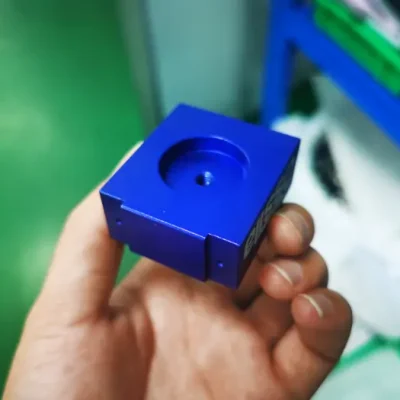
Anodizing
Improves metal corrosion and wear resistance can be colored and protective coatings.
Polish
Improves surface smoothness and appearance for metals, ceramics, plastics, and PMMA.
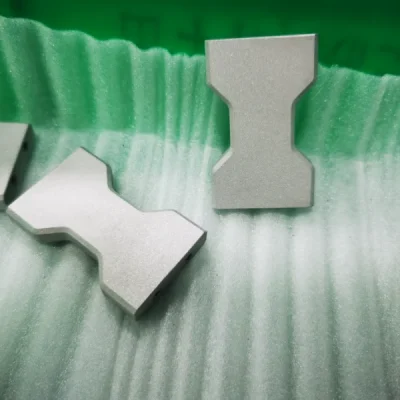
Sand blasting
Uses high-pressure abrasives to create a clean, rough, matte surface finish.

Brushed finish
Adds textured patterns to metal surfaces, improving aesthetics.
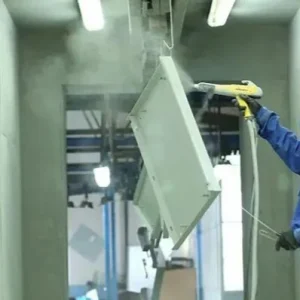
Powder coating
Uses electrostatic application and heat curing to form a dense layer, improving corrosion resistance on parts.
Electroplating finish
Deposits a metal layer to improve corrosion and wear resistance.
Black oxidize
Forms a low-cost, anti-reflective coating on metal surfaces via simple chemical oxidation.
Heat treatment
Modifies metal microstructure to improve hardness, strength, toughness, and wear resistance.
Alodine
Forms a corrosion-resistant coating via chemical conversion.
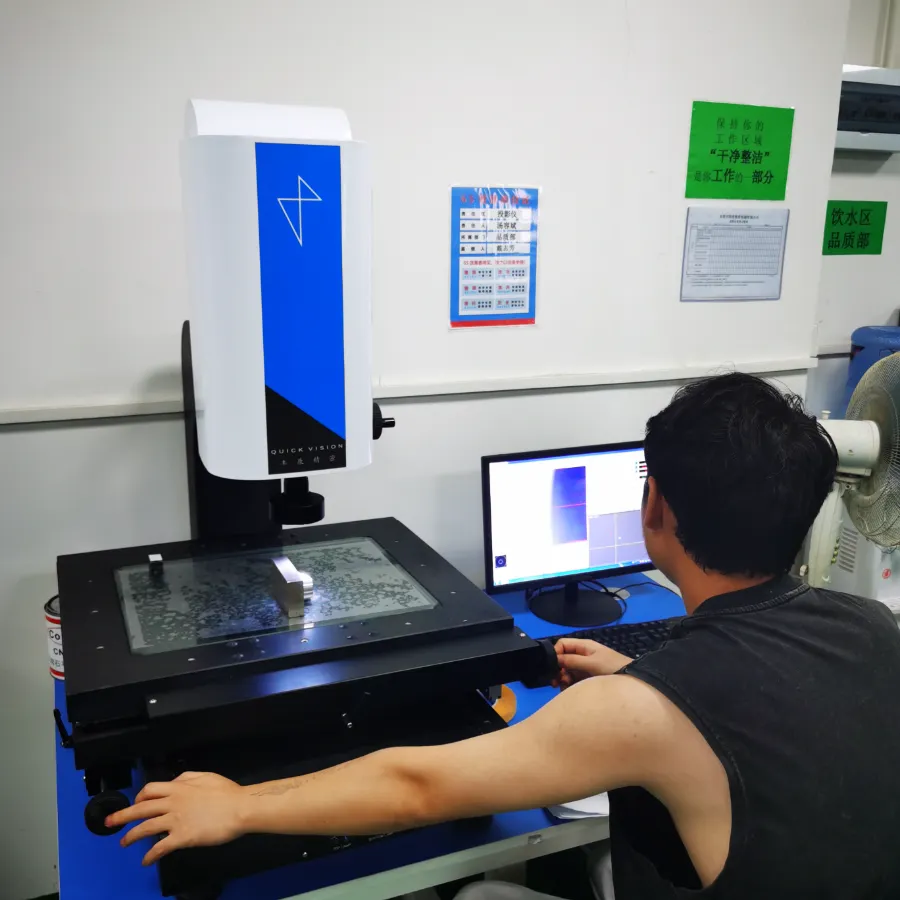
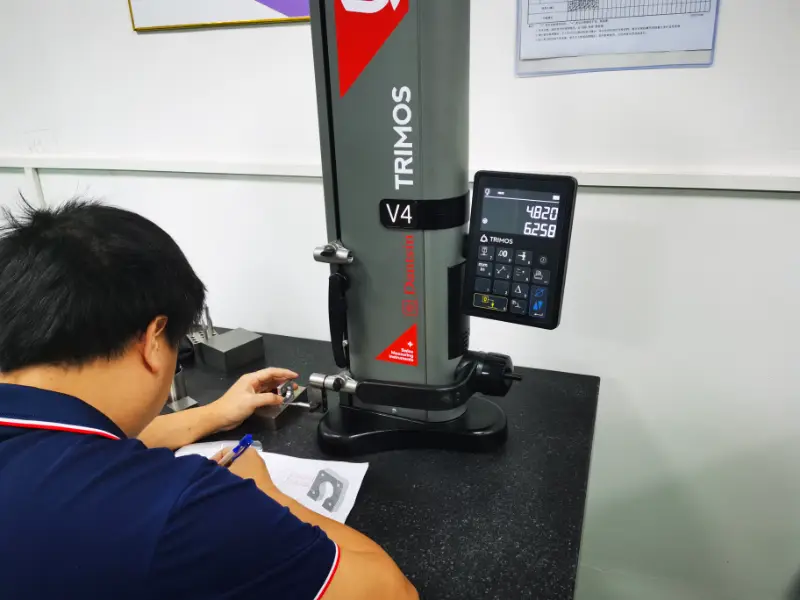
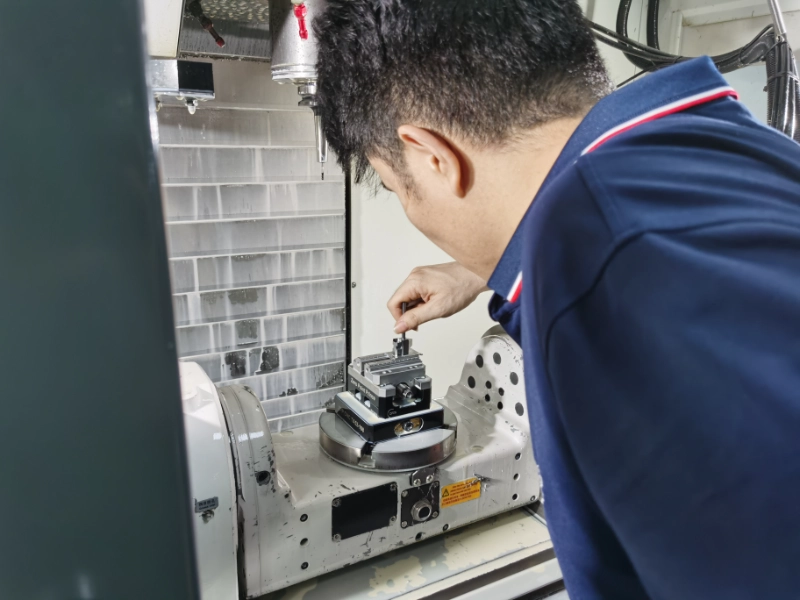
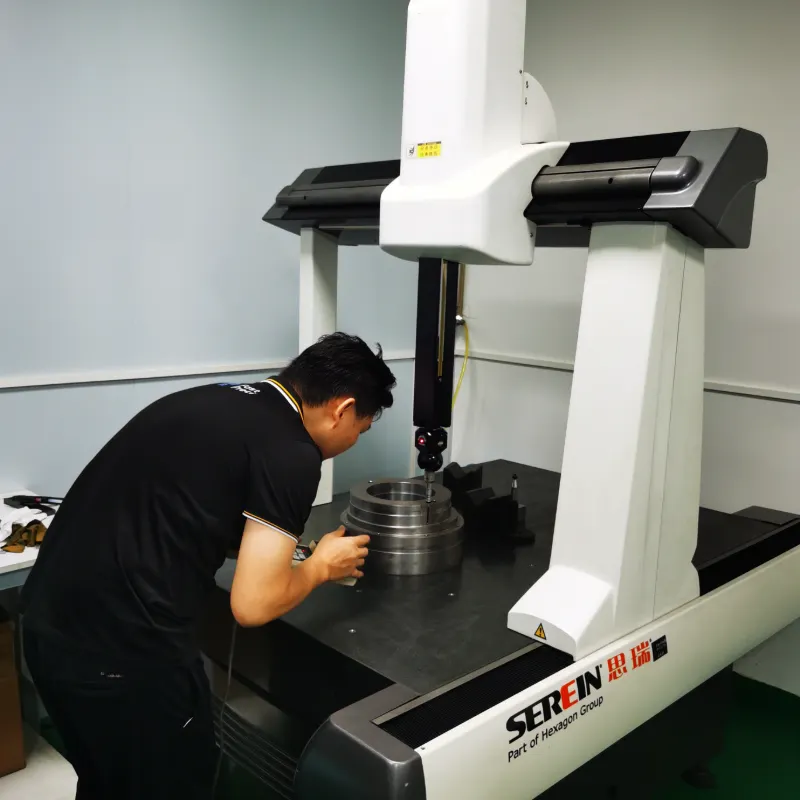
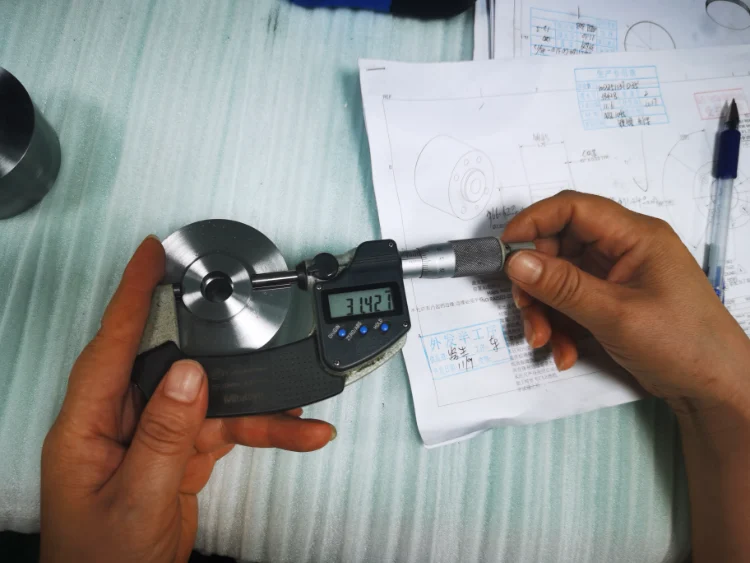
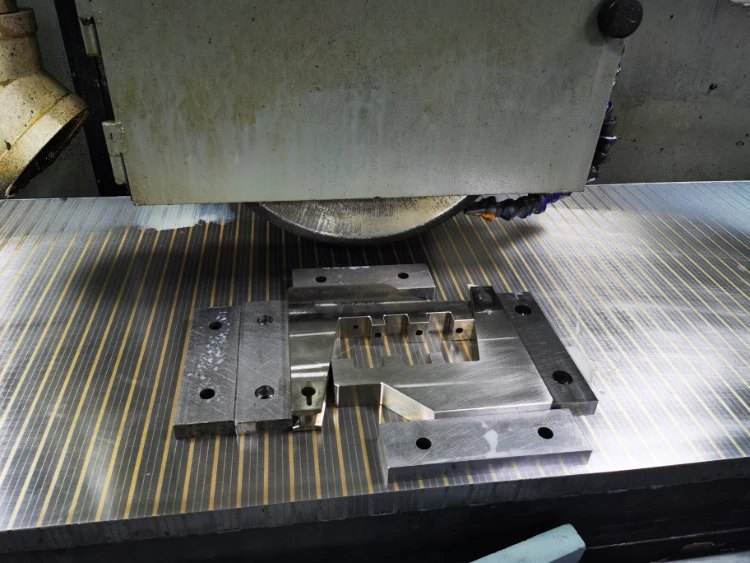
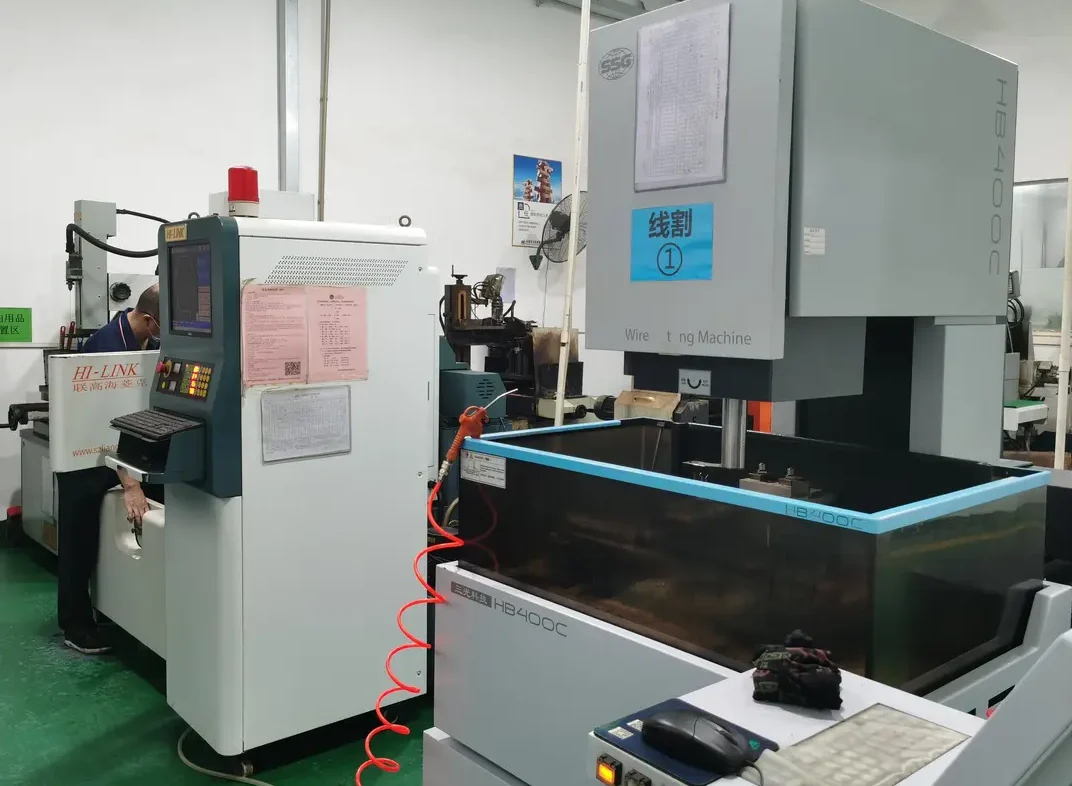
Our aluminum manufacturing project
Pro and cons of aluminum material
Advantages
Disadvantages
FAQ of aluminum material
What are the advantages of CNC machining aluminum ?
Aluminum offers excellent machinability, and CNC machining allows for precise, complex shapes to be produced. Its lightweight, high strength, and corrosion resistance make it widely used in industries such as aerospace, automotive, and electronics.
What is the typical lead time for CNC machining aluminum parts ?
Lead time for CNC machining aluminum parts typically ranges from a few days to a couple of weeks, depending on the complexity of the part, material availability, and production schedule. Rush orders may be possible with additional costs for expedited processing.
How can aluminum machining distortion be minimized ?
To minimize distortion in aluminum during CNC machining, it is crucial to use appropriate cutting parameters, select the right tooling, and follow an optimal machining sequence. Additionally, controlling machining temperature and ensuring proper fixture setup helps reduce the risk of warping or distortion.