Custom Bronze Components
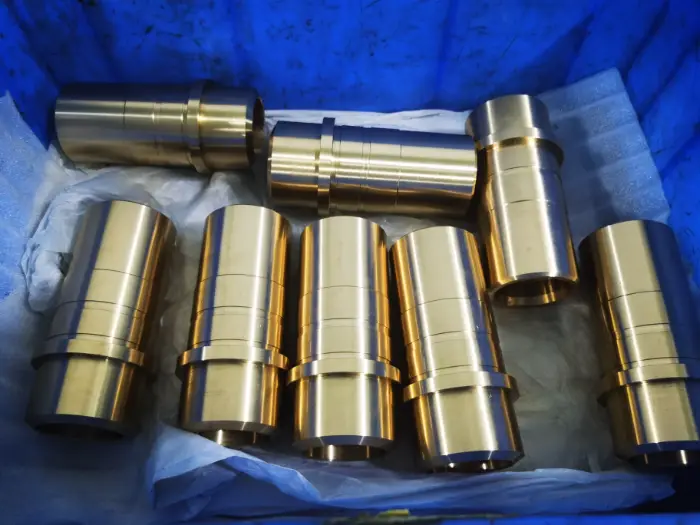
Custom Bronze CNC Machining
Bronze combines wear resistance, low-friction sliding behavior and corrosion resistance. Send your drawing for a grade, tolerance and production-route review with a clear custom machining quote.
Material Performance
Key Properties of Machined Bronze Alloys
Bronze properties vary widely with alloy family, product form and temper. These ranges cover common bearing, aluminum, nickel-aluminum and silicon bronzes.
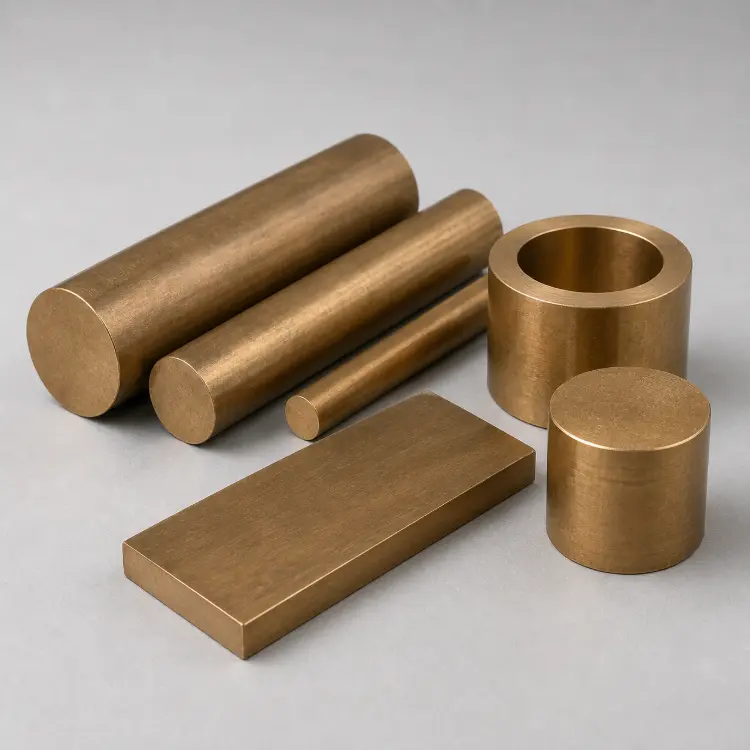
Use the specified UNS grade and material condition for design. Final values must follow the applicable material certificate and standard.
Bronze Alloy Selection
Bronze Families for CNC-Machined Parts
Compare common bronze families by material performance, international grade, typical parts and finishing requirements. Confirm the alloy, temper, product form and service conditions before production.
Tin Bronze
Tin bronze combines high load capacity, wear resistance and corrosion resistance in seawater and brines. It is used for bushings, bearings, gears, valve guides, pump components and piston rings in marine equipment, power transmission and heavy machinery.
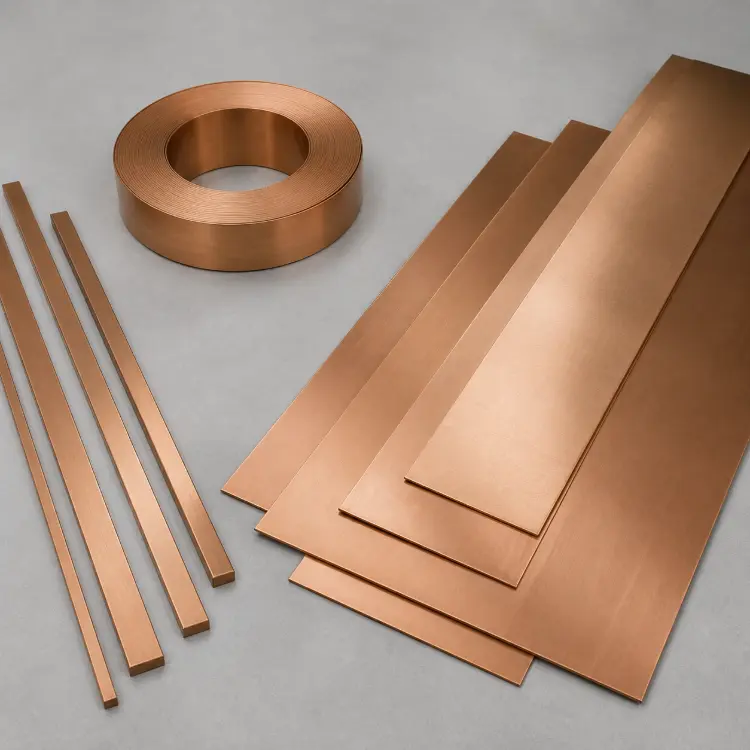
Phosphor Bronze
Phosphor bronze provides high elasticity, fatigue strength, wear resistance and stable electrical-contact performance. It is used for springs, electrical contacts, clips, thrust washers, small bushings and worm gears in electronics, instruments and precision mechanisms.
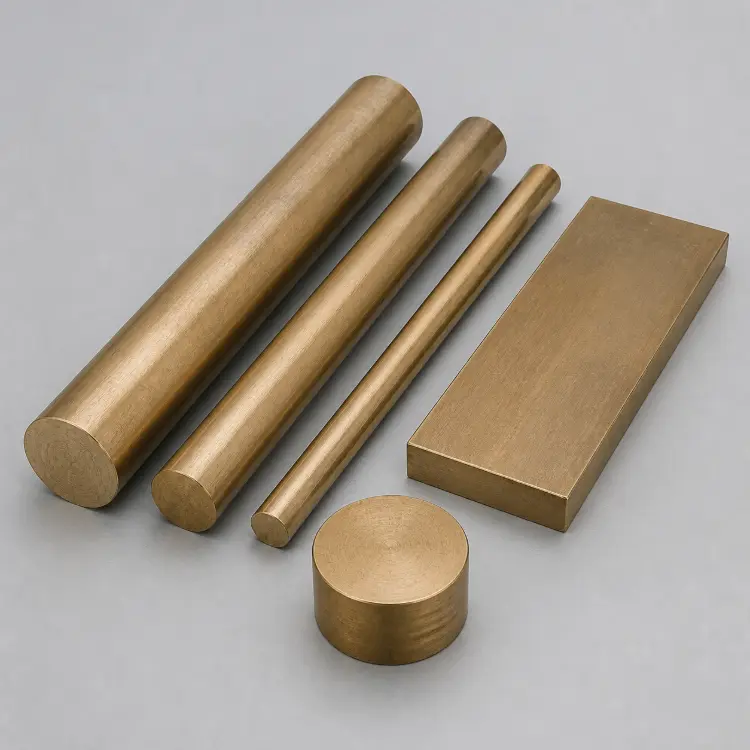
Aluminum Bronze
Aluminum bronze offers high strength, impact resistance, elevated-temperature strength and strong resistance to seawater and cavitation. It is used for heavy-duty bushings, gears, valve seats, impellers, wear plates and marine hardware in offshore systems, pumps and industrial machinery.
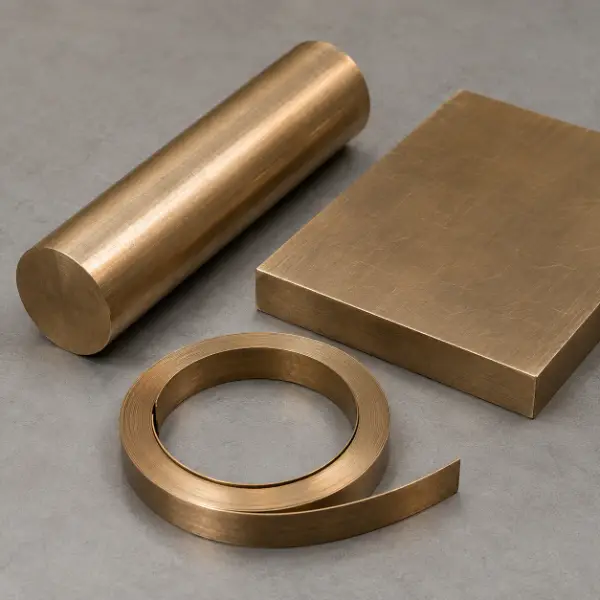
Beryllium Bronze
Precipitation-hardened beryllium bronze delivers high strength, elasticity, fatigue resistance, nonmagnetic performance and useful electrical conductivity. It is used for precision springs, electrical contacts, diaphragms, bushings, mold inserts and qualified non-sparking tools.
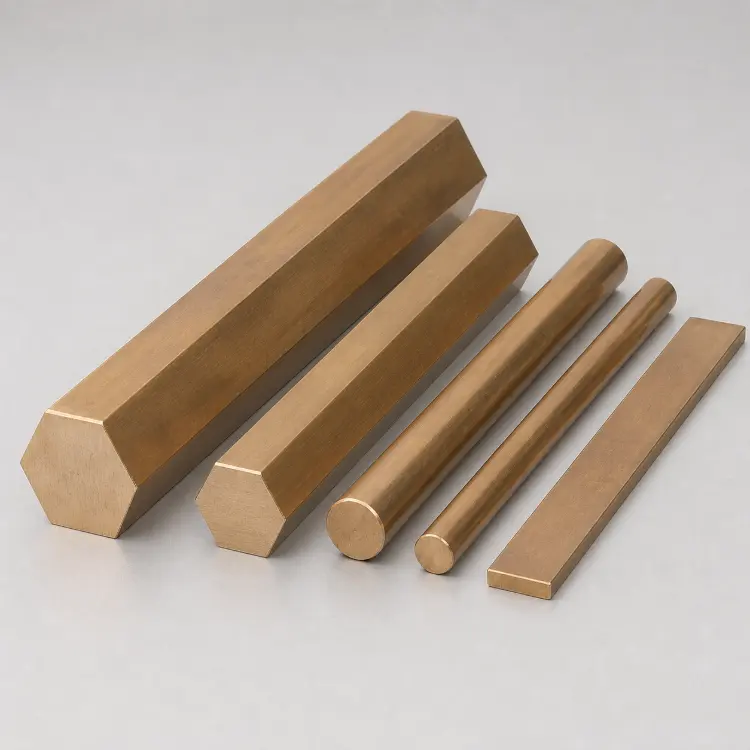
Silicon Bronze
Silicon bronze combines corrosion resistance, strength, formability and reliable joining performance. It is used for fasteners, valve stems, pump parts, fittings, brackets and architectural hardware in marine, outdoor and industrial environments.
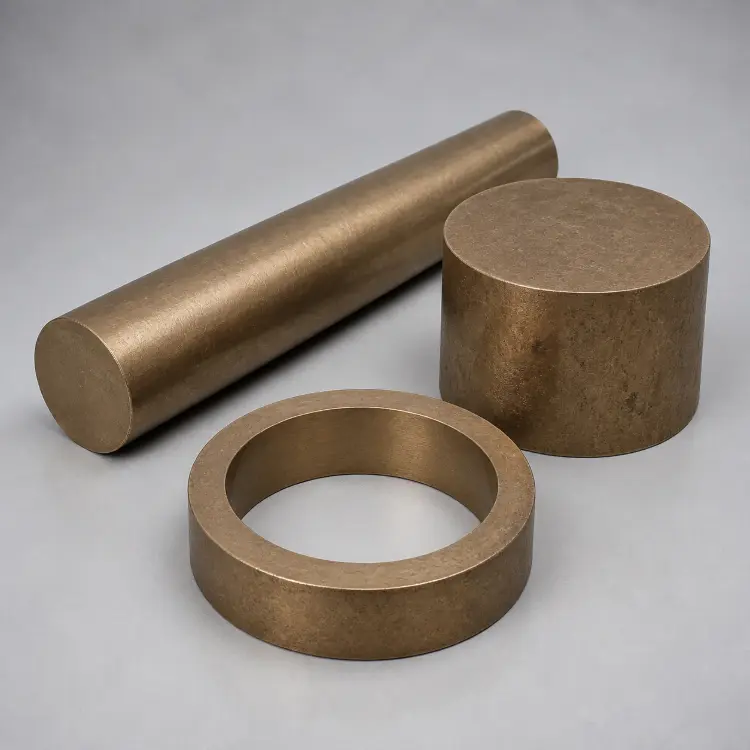
Manganese Bronze
Manganese bronze provides high strength, impact resistance and dependable performance under heavy loads. It is used for bridge bearings, rolling-mill nuts, bushings, gears, guides and wear plates in mining, construction, lifting and steel-processing equipment.
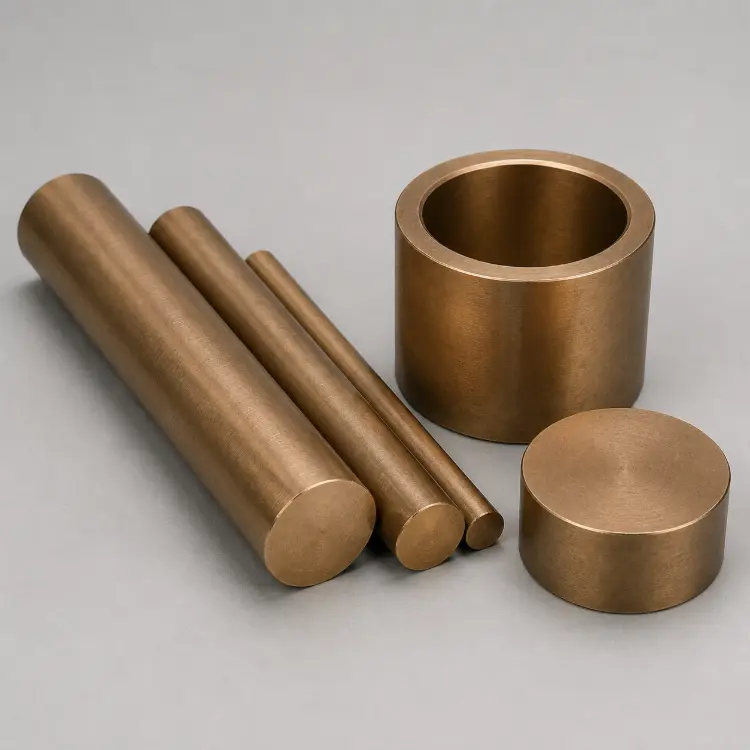
Leaded Bronze
Leaded bronze offers excellent machinability, low friction, conformability and resistance to seizure. It is used for sleeve bearings, bushings, thrust washers and pump bearings operating at moderate loads and speeds, including systems with intermittent or boundary lubrication.
Quality Control
From Drawing Review to Final Inspection
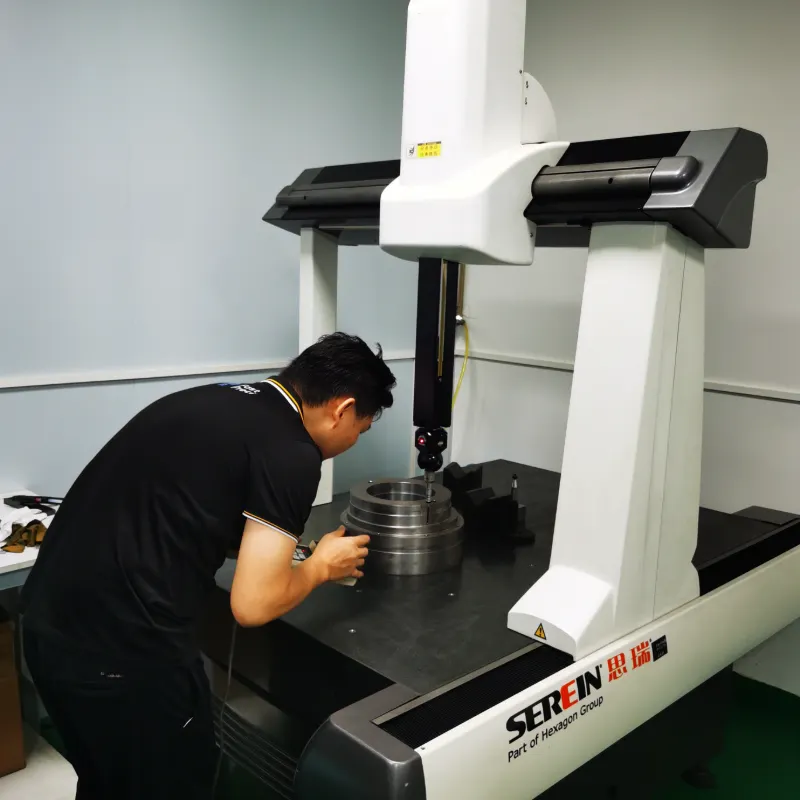
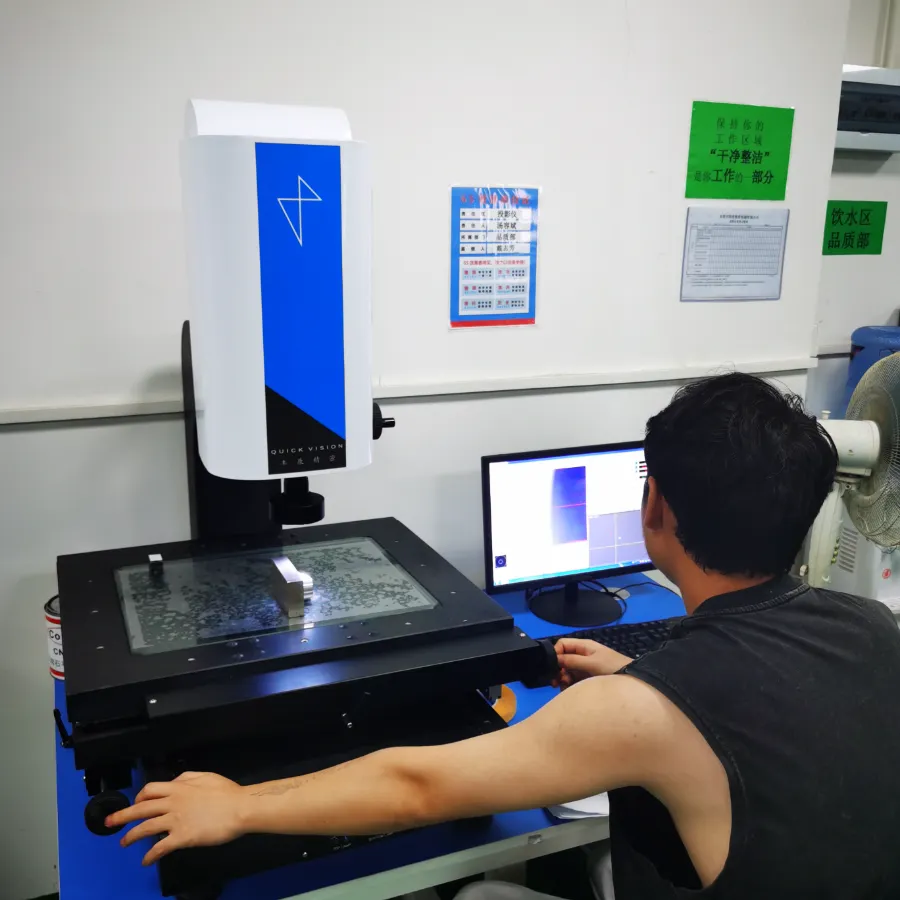
Critical interfaces are identified before production and verified before approved parts are packed.