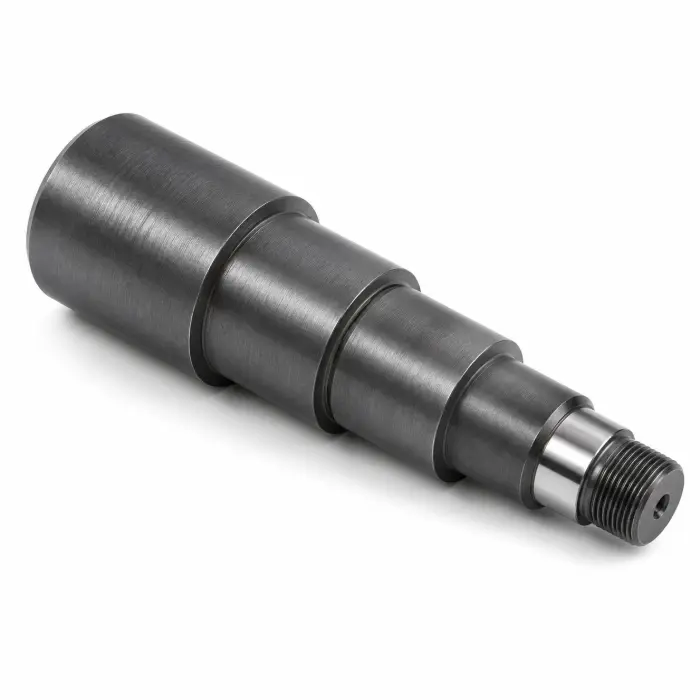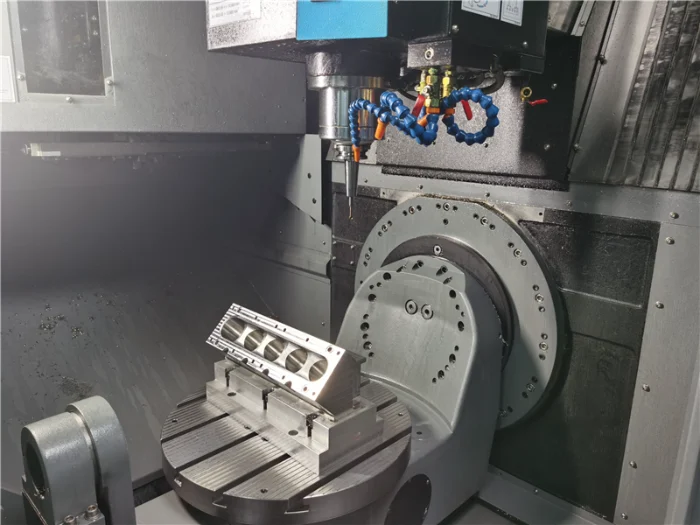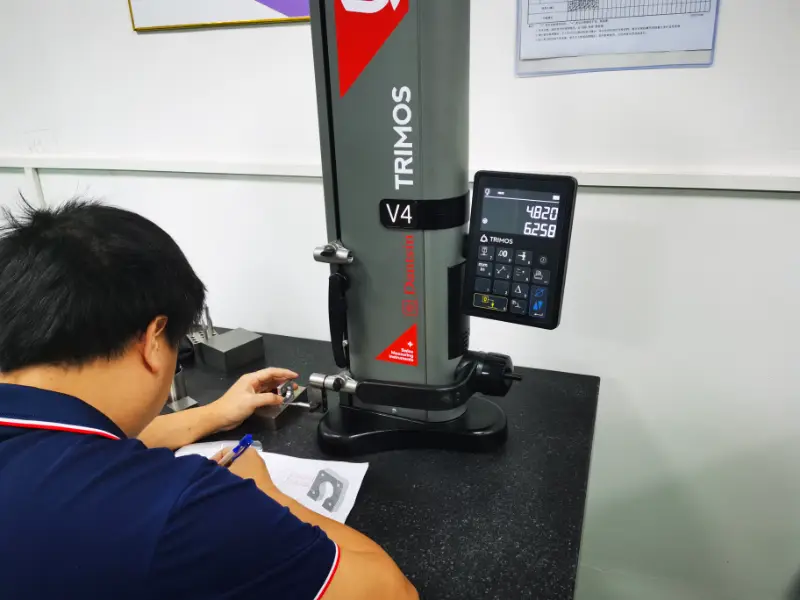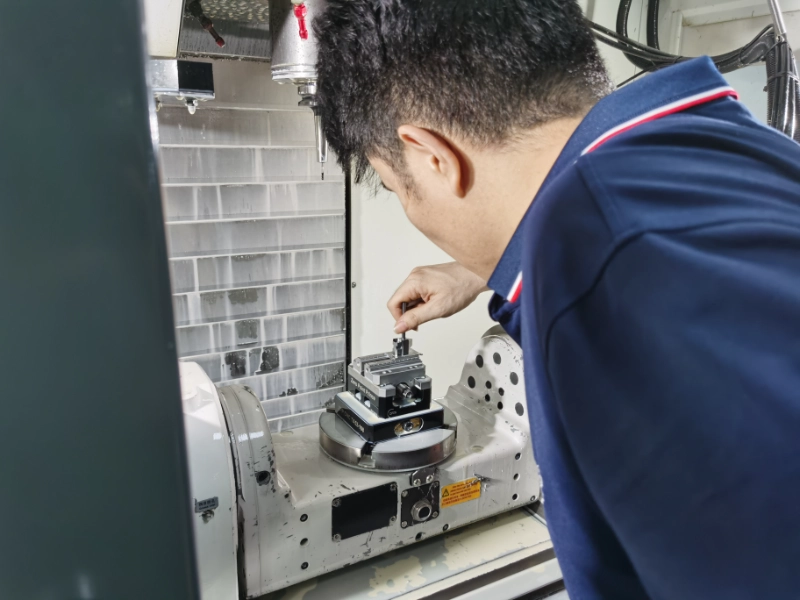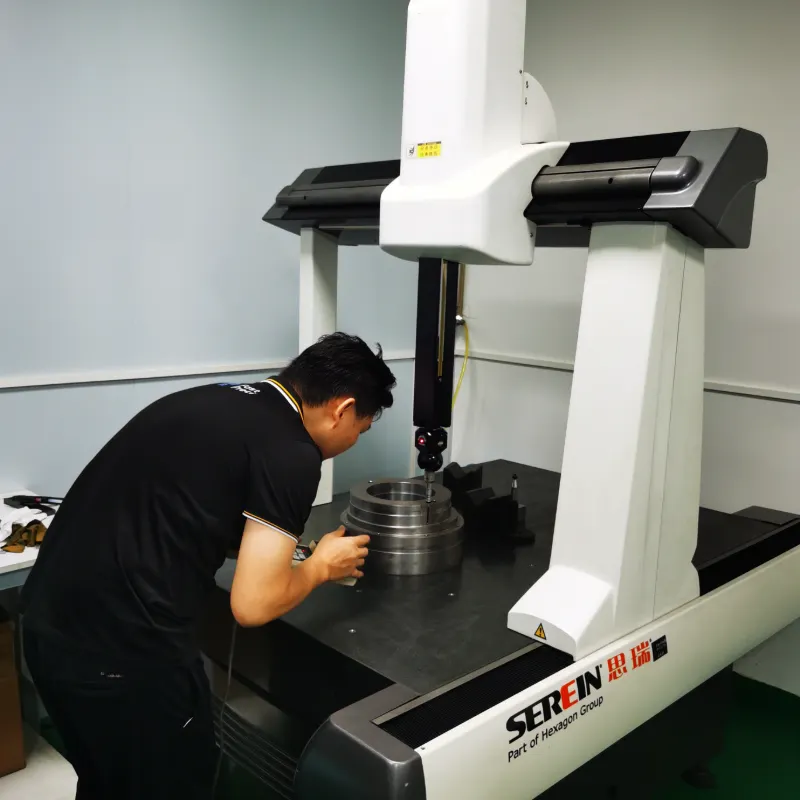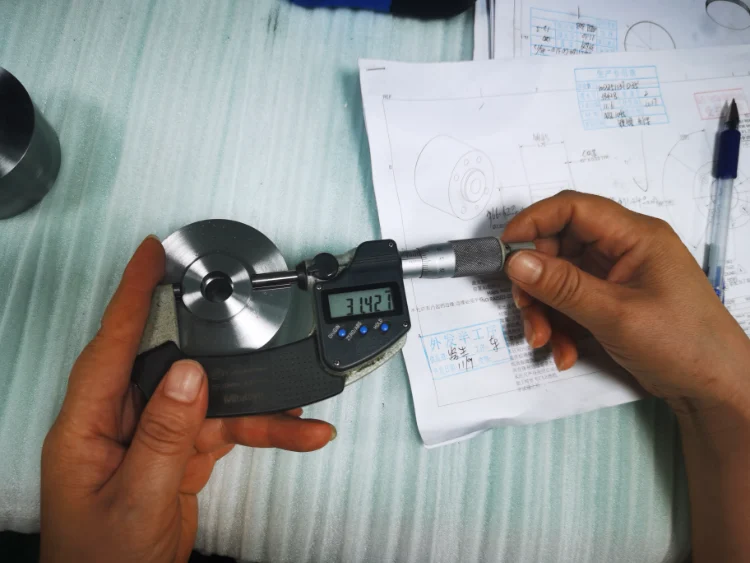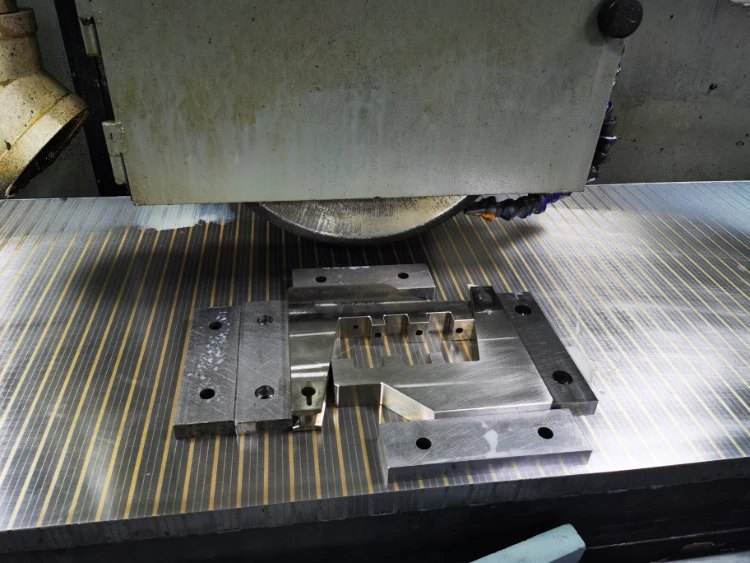
CNC Steel machining
Extremely high hardness, excellent wear resistance, and good red hardness, maintaining stable performance under high-speed cutting and high-pressure forming conditions.
It also offers suitable toughness and fatigue strength, resisting chipping and deformation, making it ideal for abrasives, cutting tools, and knurling tools.
Process options:
- CNC machining
- Forging
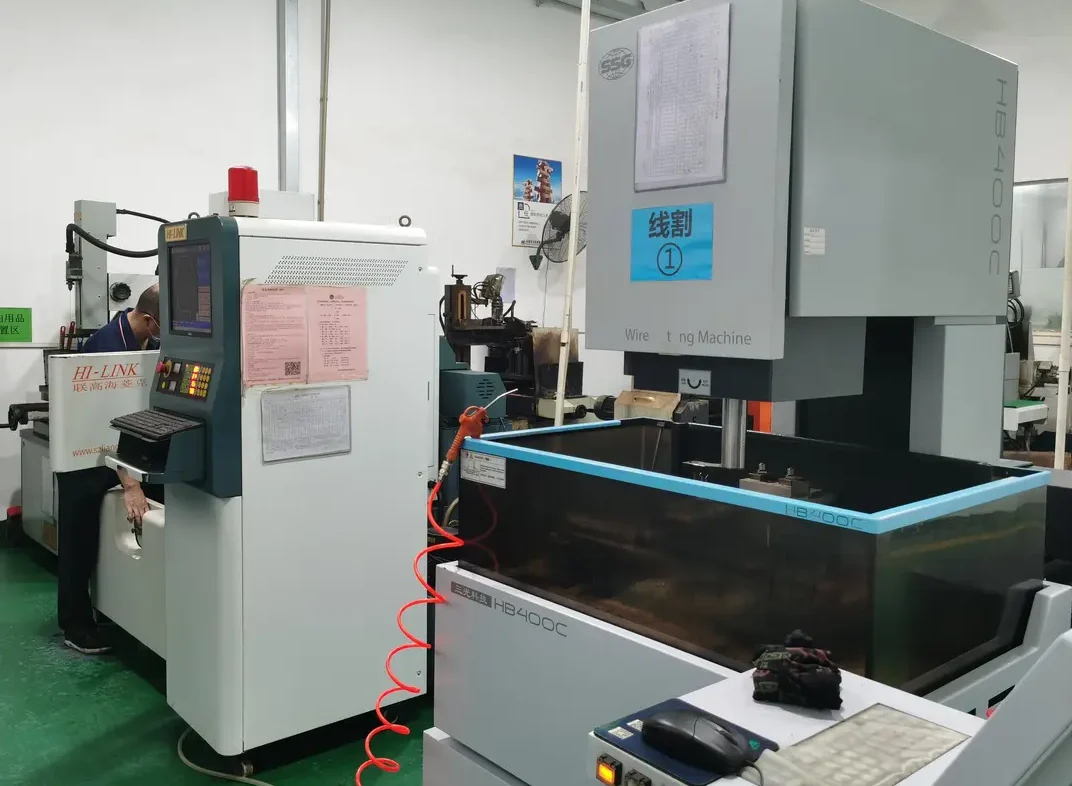
- Wire EDM
- Surface finish
Main type of steel:
Alloy steel
Stainless steel
cARBON STEEL
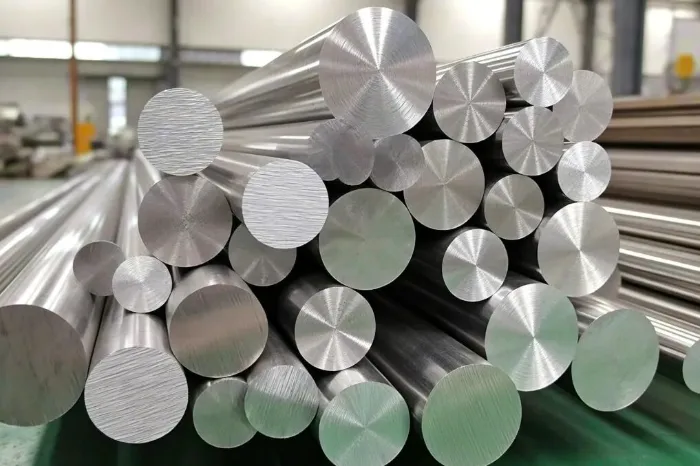
What is steel material ?
Steel is composed of iron, carbon, and alloying elements such as chromium, molybdenum, tungsten, and vanadium. It possesses high hardness, high wear resistance, and suitable toughness—sufficient to withstand specific impacts and loads.
1.Carbon Steel
Carbon steel is one of the most commonly used steel grades in CNC machining. Based on carbon content, it is divided into below types.
Low-carbon steel (e.g., AISI 1018, 1020,st52)
Easy to cut, low cost, good plasticity.
Applications: Bolts, brackets, machine bases, lathe parts, etc.
Medium-carbon steel (e.g., AISI 1045)
Combines strength and toughness, good machinability.
Applications: Shafts, gears, couplings, hydraulic parts.
High-carbon steel (e.g., AISI 1095)
High hardness, strong wear resistance.
Applications: Cutting tools, springs, measuring tools, stamping dies, etc.
2.Tool steel
Used for manufacturing molds and cutting tools,high hardness and excellent wear resistance. include D2, O1, A2, etc.
Applications: Molds, punches, cutting tools, forming tools, etc.
3.Alloy steel
Adding alloying elements such as chromium, molybdenum, nickel, and vanadium to carbon steel improves its strength, wear resistance, and toughness.
Cr-Mo steel (e.g., 4140, 4340)
High strength, impact resistance, fatigue resistance.
Applications: Aerospace parts, automotive crankshafts, mold components.
Ni-Cr steel (e.g., 8620)
Can be carburized, possesses high surface hardness and good toughness.
Applications: Gears, bearing sleeves, transmission components.
4.Special steels
Including heat-resistant steel, high-speed steel, duplex steel, etc., used in extreme environments or special industries.
Surface finish for steel parts
Based on over 15 years of machining experience, we have compiled the following list of surface finish processes used for steel parts.
Passivation
By utilizing the reaction between metals and substances such as oxygen, water, and acids, a passivation layer is formed on the metal surface to enhance the metal’s corrosion resistance.
Heat Treatment
Through the process of heating metals followed by controlling their cooling rates—a technique known as heat treatment—specific performance requirements for intended applications are enhanced. Examples include 6061,7075 aluminum, martensitic steels, and alloy steels; improves the overall mechanical properties.
A chemical conversion coating process that forms a thin, conductive, corrosion-resistant protective layer on metal surfaces, especially aluminum.
A metal coating process that improves corrosion resistance, wear resistance, and appearance. Suitable for automotive parts and fasteners. Supports steel, copper, aluminum, and other metals.

Phosphating
It forms a stable, dense, and porous phosphate protective film on the metal surface, laying a solid foundation for painting.
Polishing
Reduces surface roughness to improve gloss and precision. Suitable for decorative and precision parts. Supports stainless steel, aluminum, copper, and more.
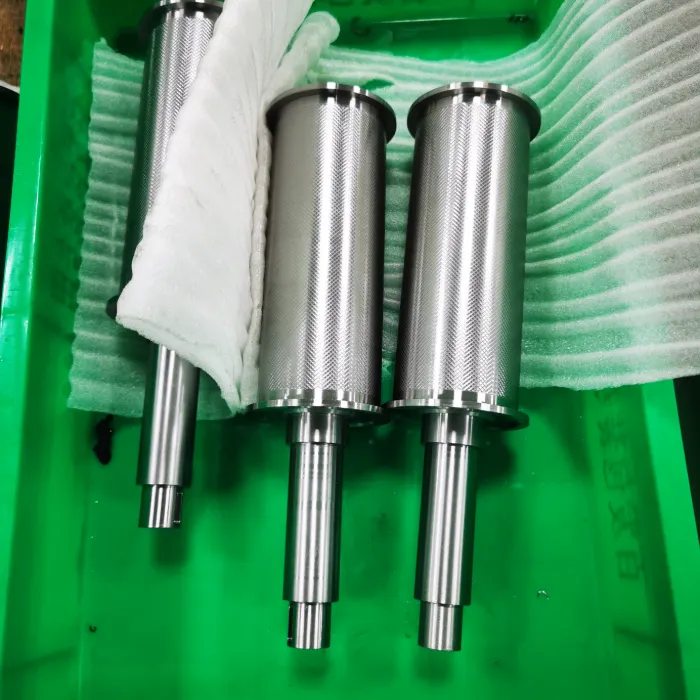
Creates textured patterns to enhance grip and handling. Suitable for handles and knobs. Supports steel, aluminum, copper, and other metals.
Note: Hardened and tempered steel cannot be processed; it must be annealed to soften it before knurling can be performed.
Brushing
Produces a fine textured finish to improve appearance and hide minor defects. Suitable for decorative parts and enclosures. Supports stainless steel and aluminum.
Sandblasting
Cleans and roughens surfaces to improve coating adhesion. Suitable for surface preparation. Supports metals and some non-metal materials.
Creates an oxide layer for rust protection while maintaining dimensional accuracy. Suitable for molds and mechanical parts. Supports steel materials.
Rubber lagging
Enhances friction and reduces wear for better performance. Suitable for conveyor rollers. Supports steel rollers with rubber covering.common rubber material include Silicone,NBR,EPDM,FKM.
Electroless plating
Deposits a uniform coating without electricity, offering excellent corrosion resistance. Suitable for complex parts. Supports steel, aluminum, copper, and plastics.
Electrolytic polishing
Applies stable colors through electrochemical processes. Suitable for architectural and decorative parts. Supports aluminum and aluminum alloys.
Coating (painting)
Applies a protective layer to isolate the surface from the environment, offering corrosion resistance and decoration. Suitable for frames and enclosures. Supports metals and some plastics.
Electrophoresis (E-coating)
Applies a uniform coating layer with both protective and decorative properties. Suitable for automotive parts and appliance housings. Supports steel, aluminum, and other metals.
Advantage of steel parts
1. High hardness and excellent wear resistance, significantly prolonging the service life of parts.
2. Good red hardness, not easy to soften or fail under high-temperature working conditions.
3. Well-balanced strength and toughness, not prone to chipping or breaking.
4. High dimensional stability, ensuring stable machining accuracy without deformation over long-term use.
5. Hardness and mechanical properties can be flexibly adjusted through heat treatment.
Application area of steel parts
Aerospace: Aircraft structural components, engine parts (requiring high temperature/high pressure resistance).
Automotive Industry: Engine blocks, drive shafts (emphasizing strength and wear resistance).
Energy Equipment: Wind turbine gears, solar panel mounting systems (adaptable to harsh environments).
Medical Equipment: Orthopedic implants, surgical instruments (requiring biocompatibility).
Construction Machinery: Excavator track frames, crane booms (load-bearing capacity preferred).
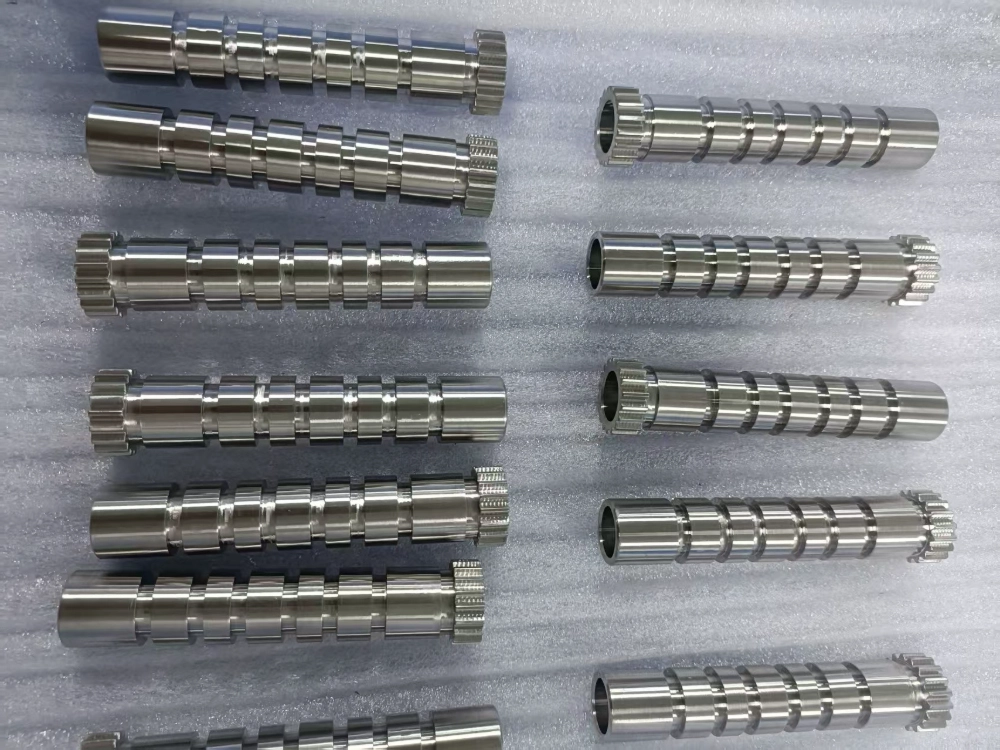
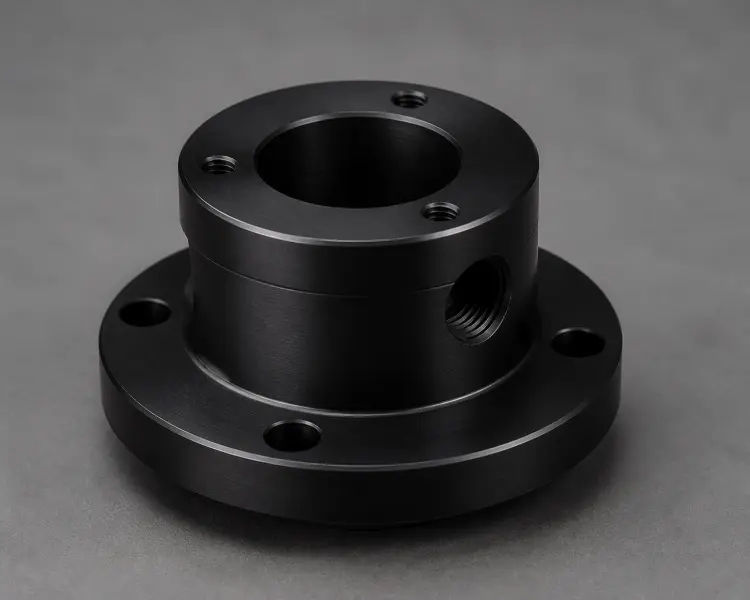
Steel machining project


FAQ of steel material
Is steel the same as stainless steel?
No.steel is mainly composed of high carbon and alloying elements such as tungsten, molybdenum, chromium and vanadium, focusing on high hardness, excellent wear resistance and red hardness, mainly used for making cutting tools, molds and other tools.
Stainless steel contains more than 10.5% chromium, and some also include nickel and molybdenum, which form a passivation film for rust and corrosion resistance, widely used in structural parts, equipment and daily products requiring corrosion resistance.The two differ in composition, properties and applications.
Is D2 tool steel better than 4140?
It is not possible to simply say which one is better; it depends on the application. D2 is a high-carbon, high-chromium tool steel with high hardness, excellent wear resistance and good compression strength, suitable for molds, cutting tools and wear-resistant parts, but it has lower toughness and is more difficult to machine and weld.
4140 is a medium-carbon alloy structural steel with good toughness, high strength and excellent machinability and weldability, ideal for shafts, gears and structural parts, but its wear resistance and red hardness are much lower than D2.
Is steel hard to cut?
Yes, steel is generally hard to cut. It has high hardness and excellent wear resistance even in annealed condition, and becomes much harder after heat treatment, requiring high-performance cutting tools, rigid machines and appropriate parameters for machining.