
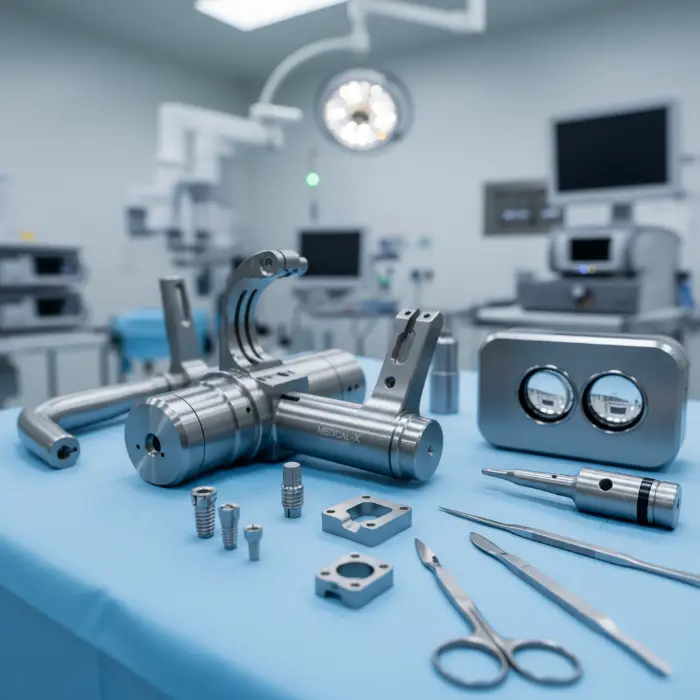
Medical CNC Machining
Medical CNC Machining Services
Weldo supports medical-device companies and procurement engineers with drawing-based CNC machining, from functional prototypes and design improvements to repeat production. Send your files for material, tolerance, surface and inspection review.
*Final capability depends on material, geometry, feature size, workholding and inspection method.
Machined Part Gallery
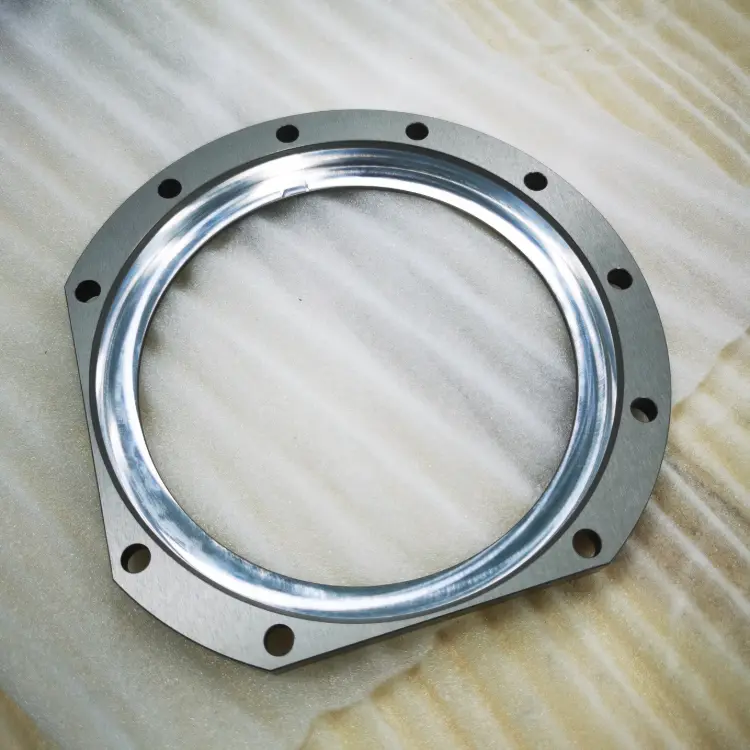
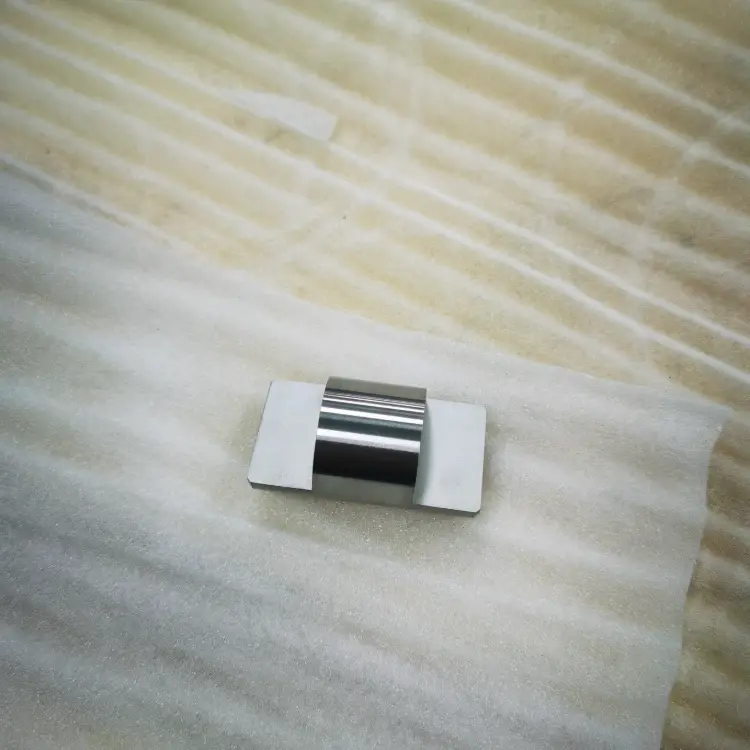
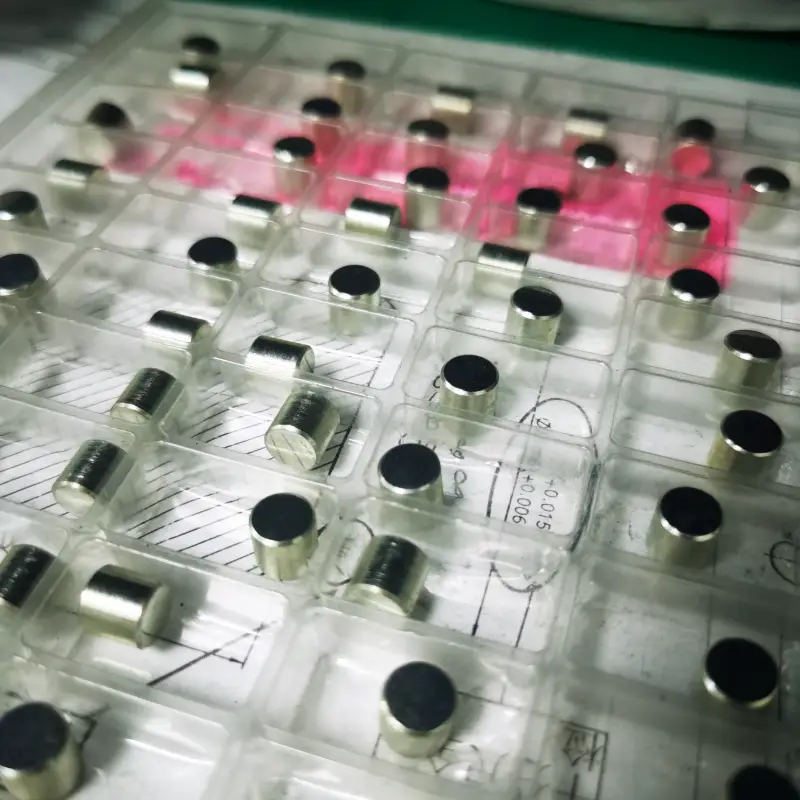
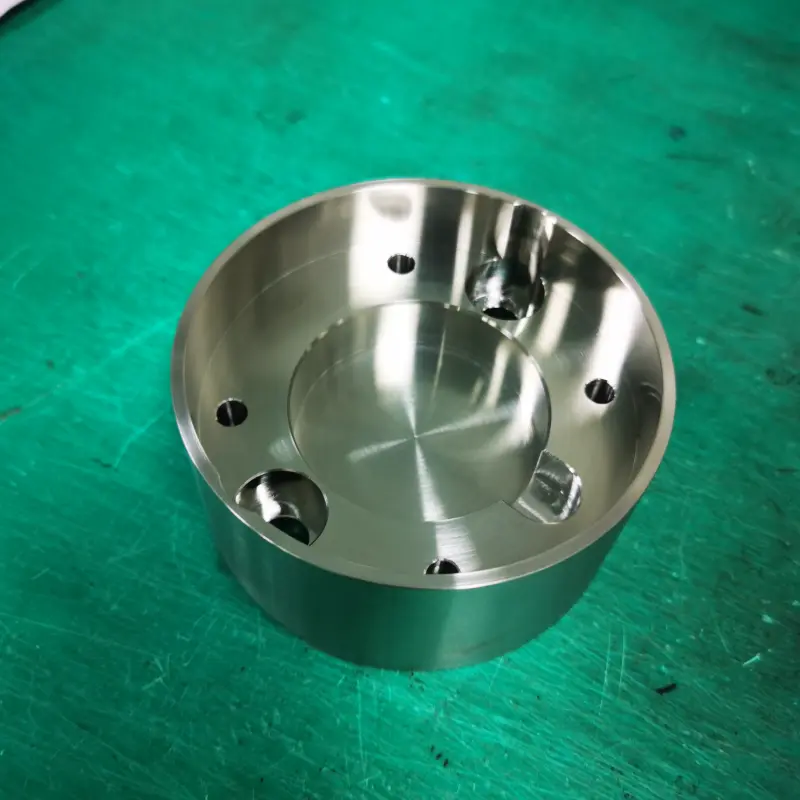
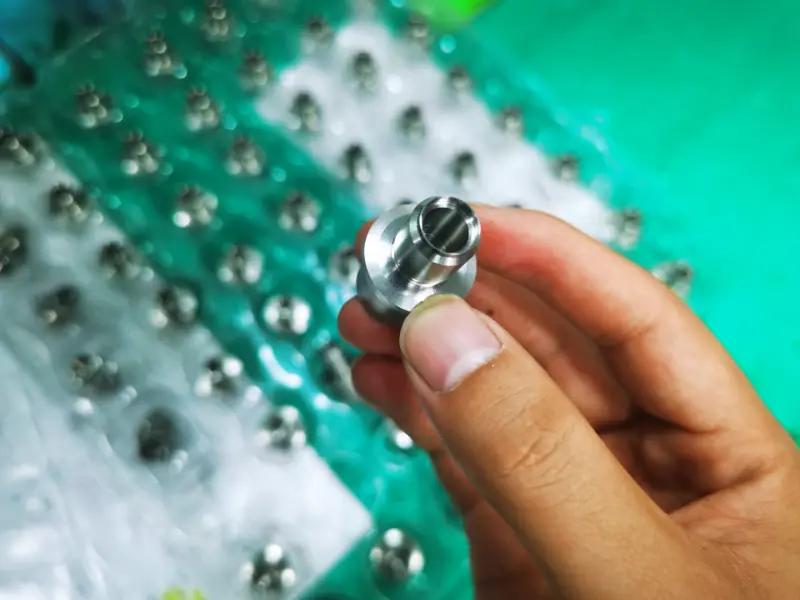
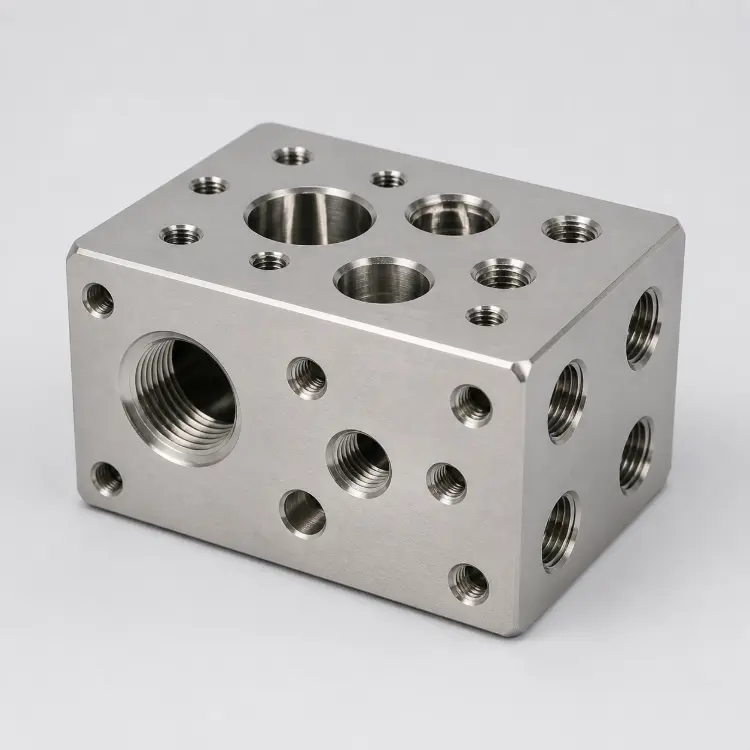
Custom Precision Parts
Examples of machined metal components produced across different materials, geometries and finishing requirements.
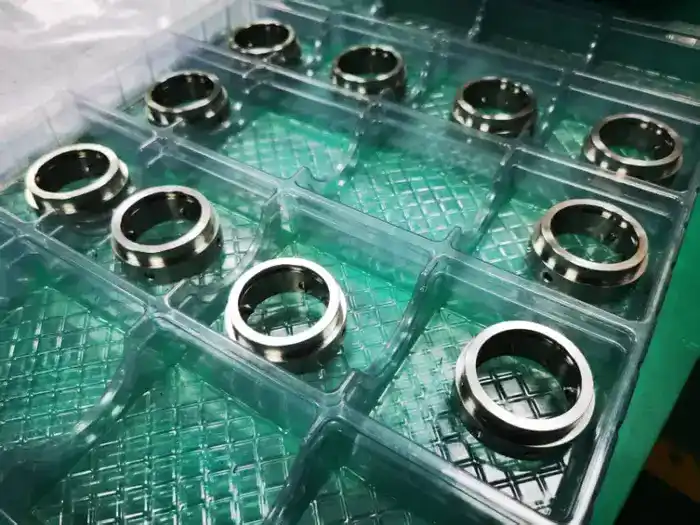
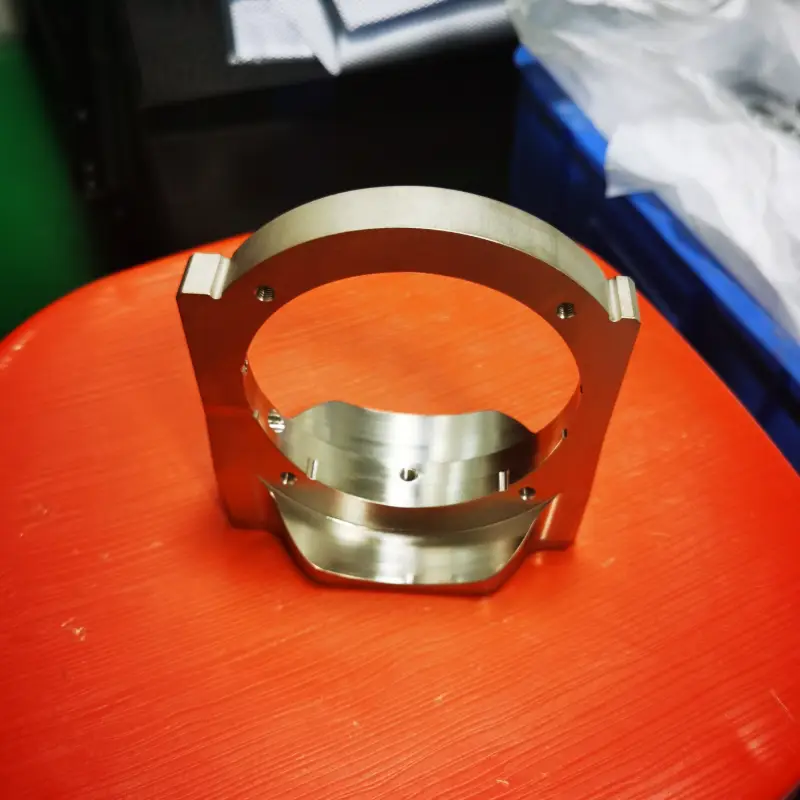
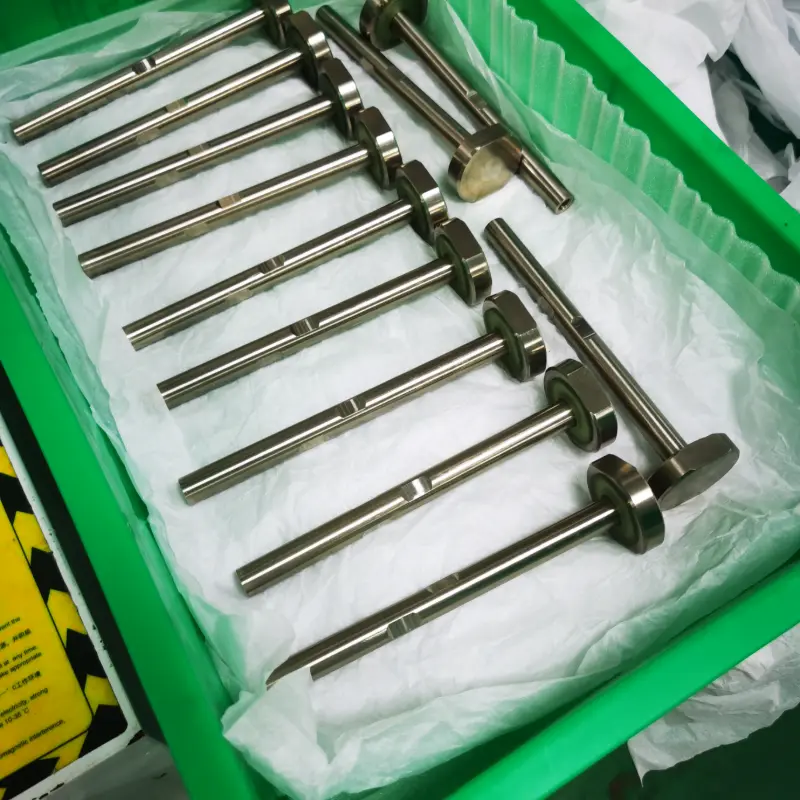
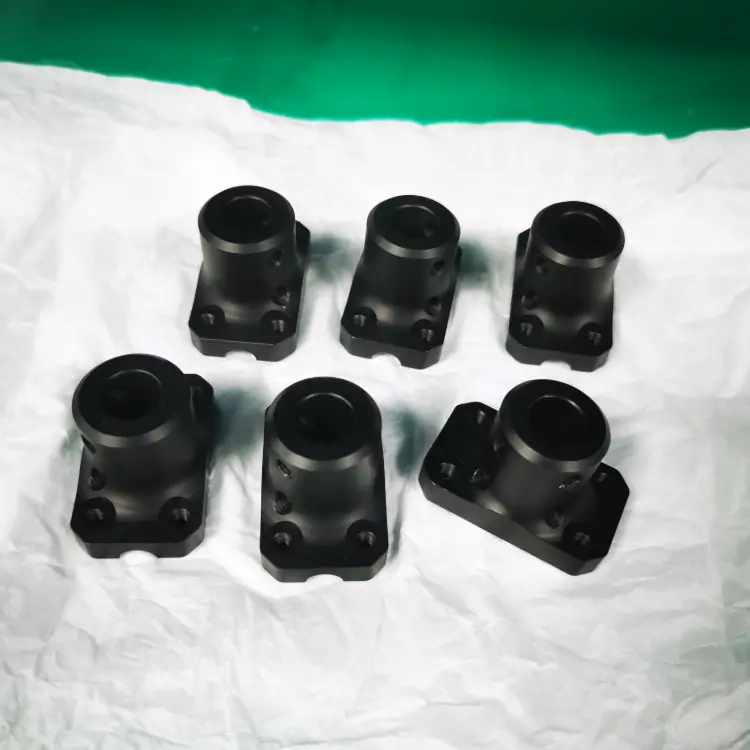

Material Selection
Materials for Medical Components
Choose the exact grade from mechanical load, cleaning or sterilization method, chemical exposure, traceability and device documentation.
| Material Family | Common Grades | Typical Applications |
|---|---|---|
| Stainless Steel | 304, 316 / 316L, 17-4 PH | Instrument parts, fluid components, housings and corrosion-resistant interfaces. |
| Titanium | Grade 2, Grade 5 and drawing-specified grades | Lightweight, corrosion-resistant parts after grade and documentation review. |
| Aluminum | 6061, 6082, 7075 | Equipment housings, brackets, fixtures, heat sinks and lightweight structures. |
| PEEK | Virgin, glass-filled, carbon-filled and specified medical grades | High-performance insulators, guides, fixtures and fluid-system components. |
| POM / Acetal | POM-C, POM-H and approved special grades | Low-friction guides, fixtures, rollers, spacers and non-implant components. |
| PTFE & PA | Virgin or specified filled grades | Seals, insulators, bushings and low-friction parts after service review. |
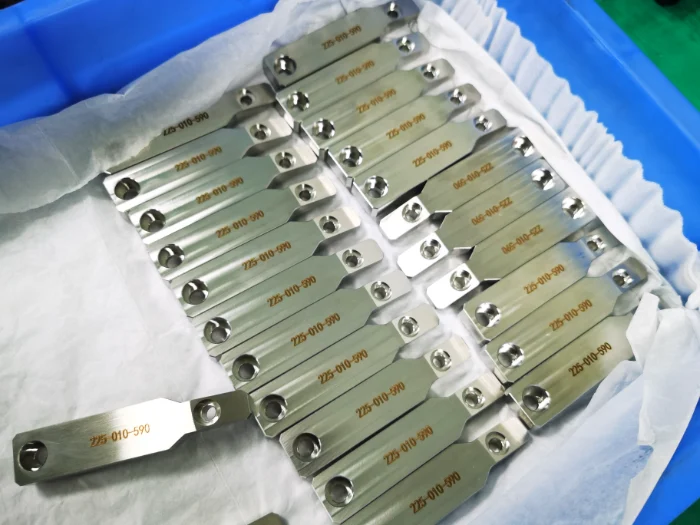
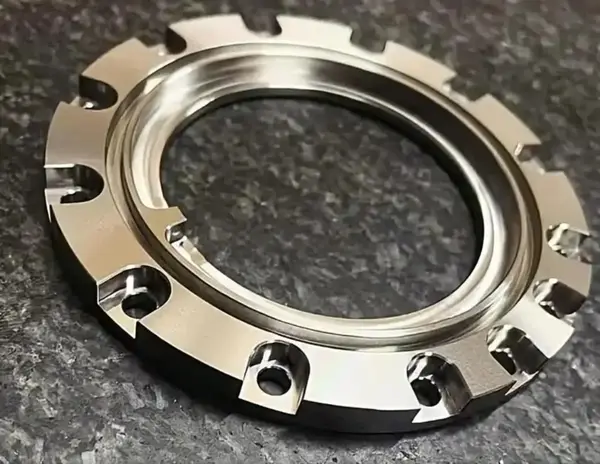
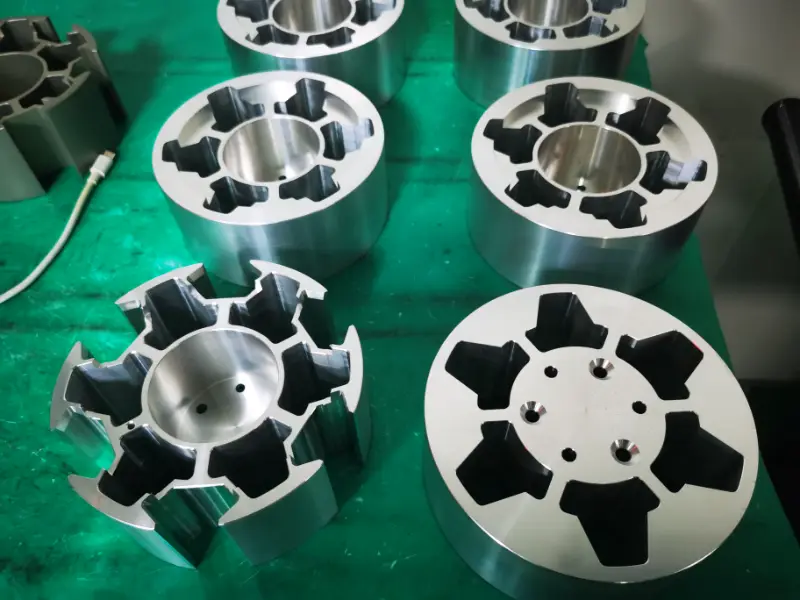
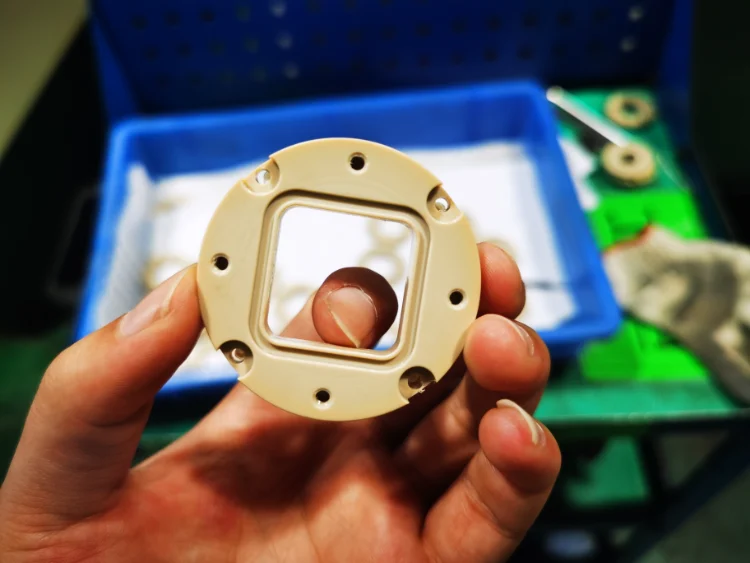
Material grade, condition, certification and substitution rules are confirmed against the drawing before production.
Surface Protection
Finishes for Medical Parts
Select the finish from substrate compatibility, corrosion, cleanability, appearance, dimensional allowance and service environment.
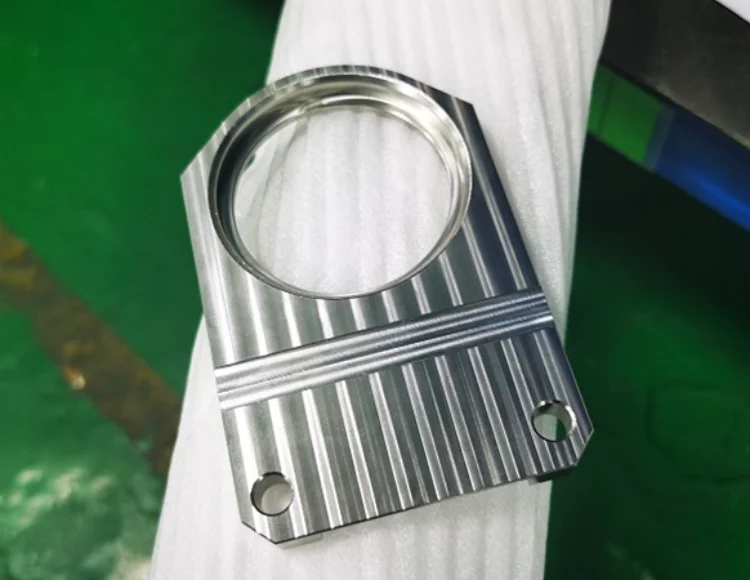
Machined Finish
Controlled tool marks and drawing-specified roughness for functional features.
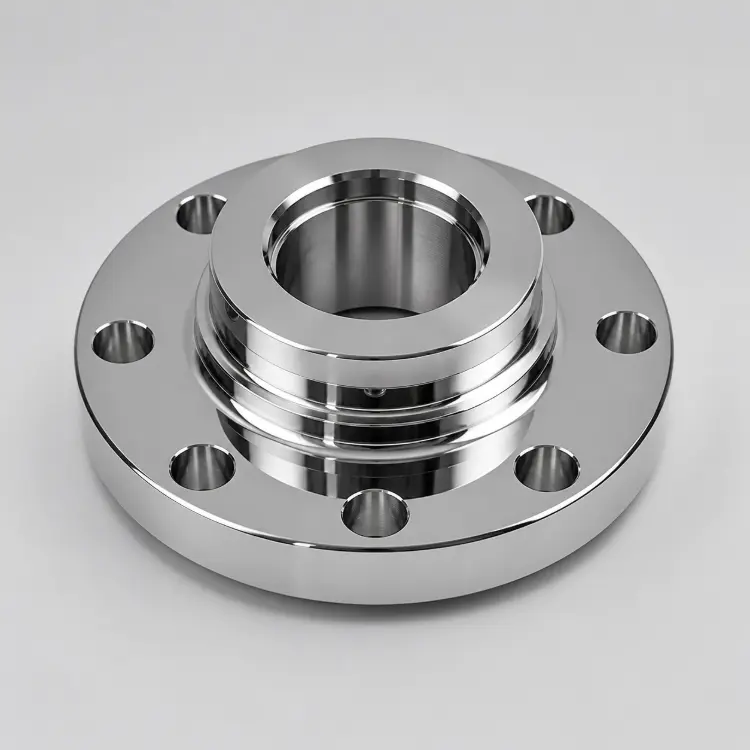
Mechanical Polishing
A smoother stainless-steel surface for appearance, handling and cleaning.
Passivation
Restores corrosion resistance on compatible stainless steels after fabrication.
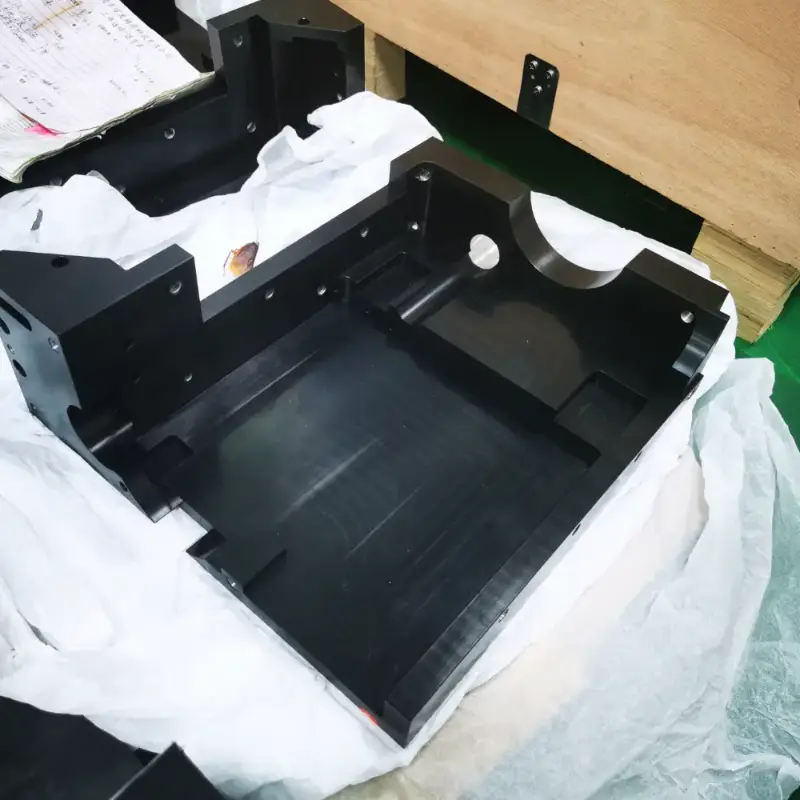
Anodizing
Protective oxide finish for compatible aluminum or titanium specifications.
Medical Project Assurance
Quality Controls That Support Reliable Sourcing
Drawing review, documented inspection and controlled production help reduce sourcing risk from prototype approval through repeat orders.
Medical-industry procurement engineers can define material traceability, drawing revision, inspection records, packaging and delivery requirements before releasing the purchase order.
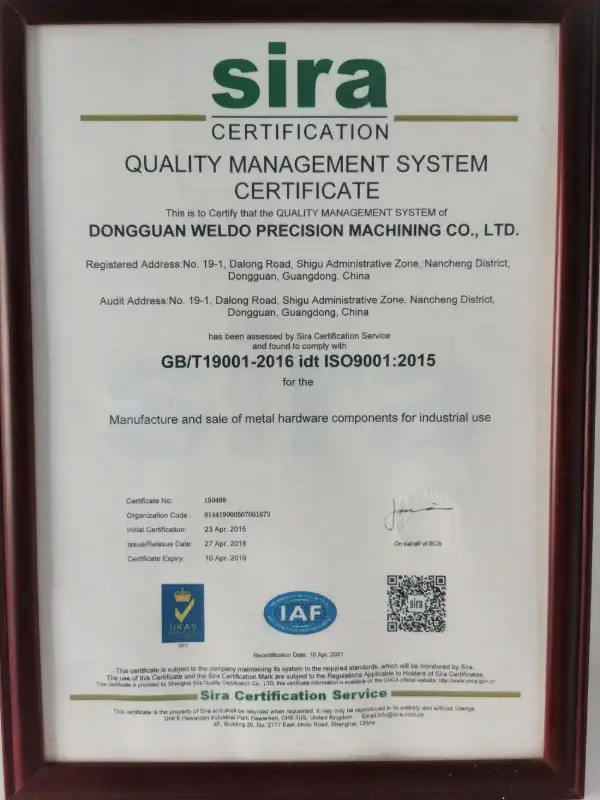
ISO 9001 Quality System
Documented procedures support consistent drawing-based production and inspection.
- ISO 9001:2015 certified
- Drawing and revision control
- Calibration and inspection procedures

Project Quality Documentation
Required records are defined before quotation and prepared to the agreed format.
- Dimensional inspection reports
- Material certificates when specified
- First-article and finish records on request
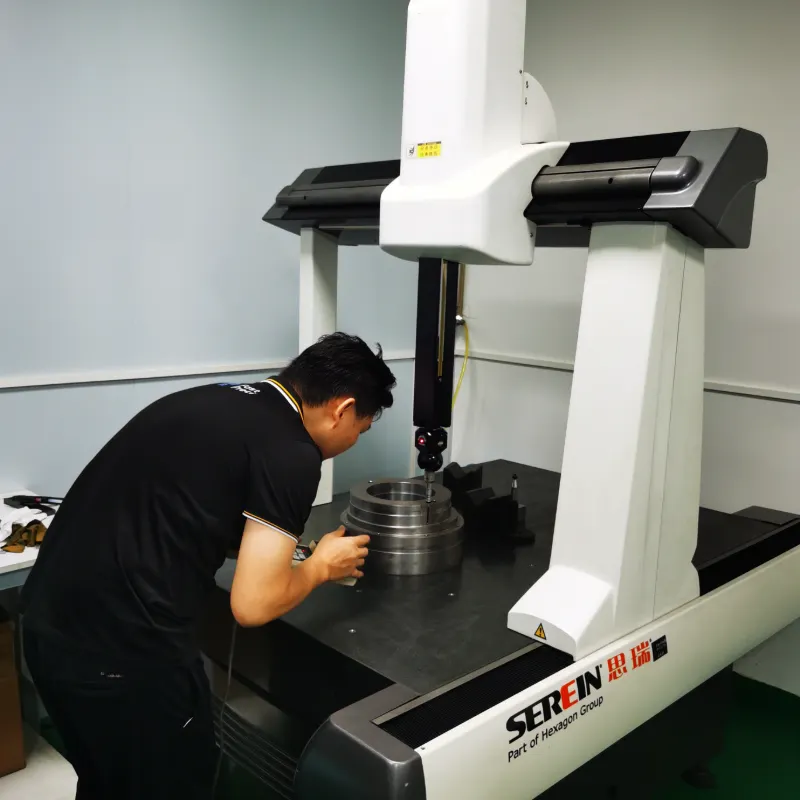
Manufacturing, Inspection & Delivery Control
Multi-axis CNC machining, EDM, CNC grinding, injection molding, 3D printing and sheet metal support prototypes through standardized batch production.
- Experience with 100+ metal and plastic materials
- CMM and calibrated dimensional inspection
- Final review, delivery control and protective packing
ISO 13485, FDA registration, implant approval or other medical-specific certification is not implied. State every regulatory, biocompatibility, cleanliness and documentation requirement on the RFQ for confirmation.