
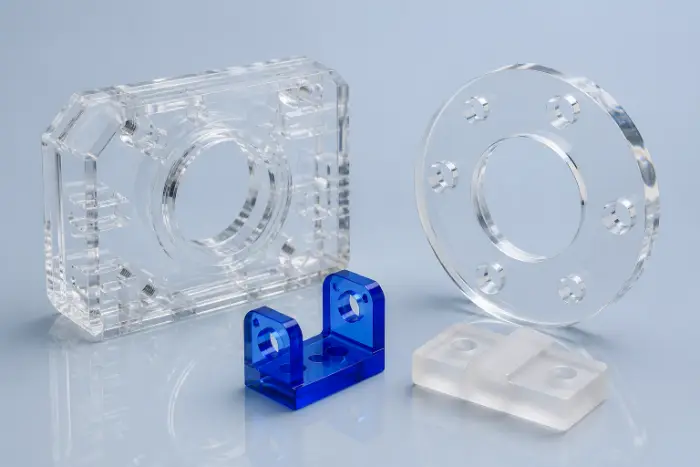
CUStom Acrylic / PMMA Part
Custom CNC Machining Acrylic
Acrylic—technically known as PMMA—combines optical clarity, weather resistance and low weight. When CNC machining acrylic, we control cutting heat and clamping to produce precision windows, light guides, covers and manifolds from prototypes to repeat production.
Upload Your DrawingAcrylic Forms & PMMA Grades
Select the Right Acrylic Material for Your Part
Match the stock form and formulation to optical quality, impact demand, weather exposure and compliance requirements.
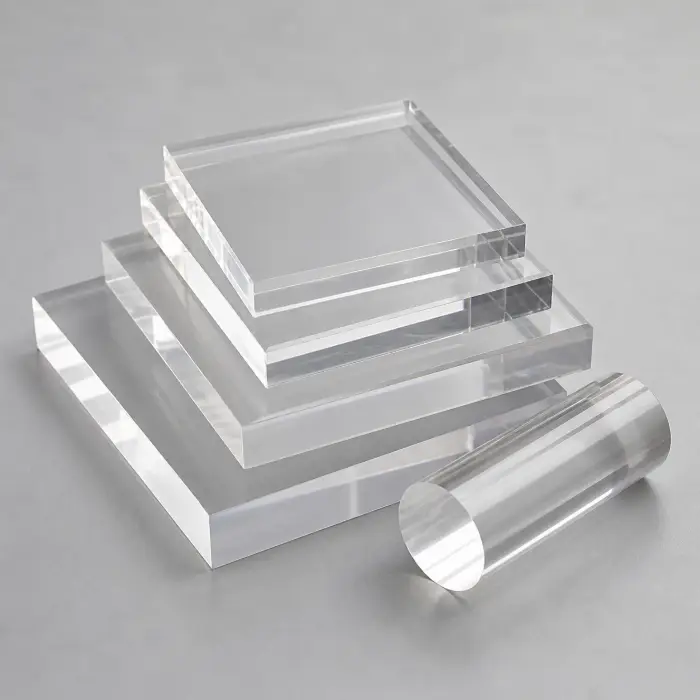
Cast Acrylic (PMMA)
Lower residual stress than extruded sheet supports detailed machining and polished optical surfaces.
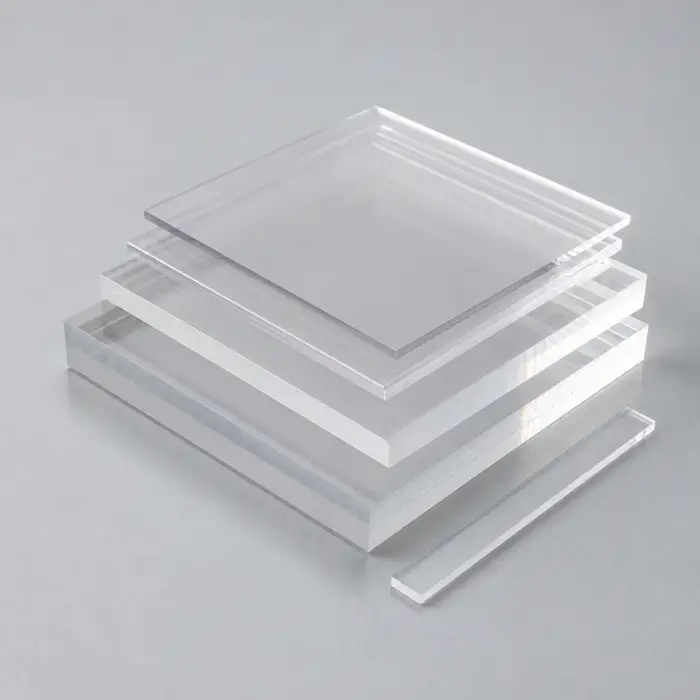
Extruded Acrylic (PMMA)
Consistent sheet thickness and economical availability suit panels and simpler profiles with moderate tolerances.
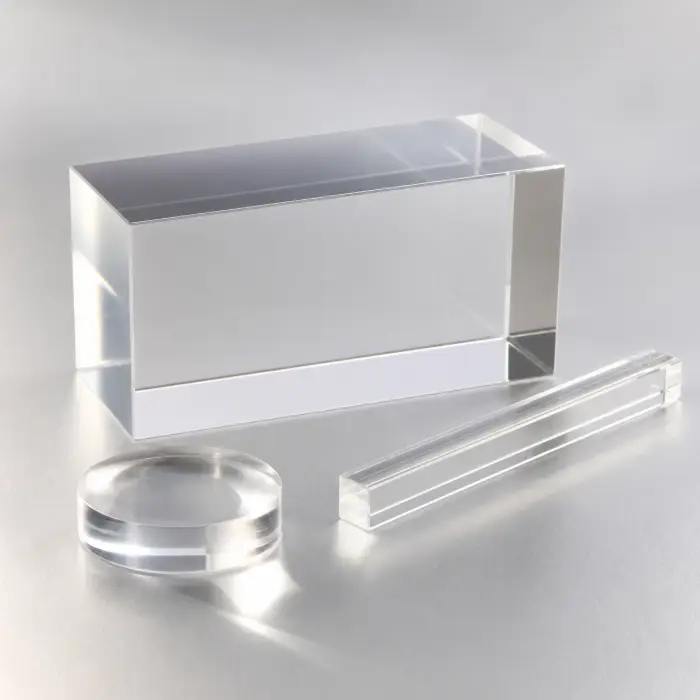
Optical-Grade PMMA
Controlled transmission, haze and material uniformity support demanding optical components.
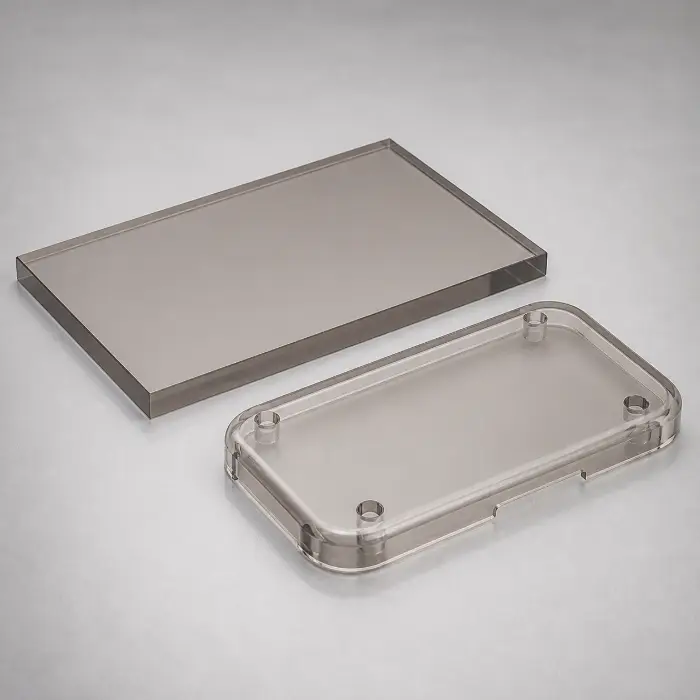
Impact-Modified Acrylic
Modified PMMA improves impact resistance where standard acrylic is too brittle.
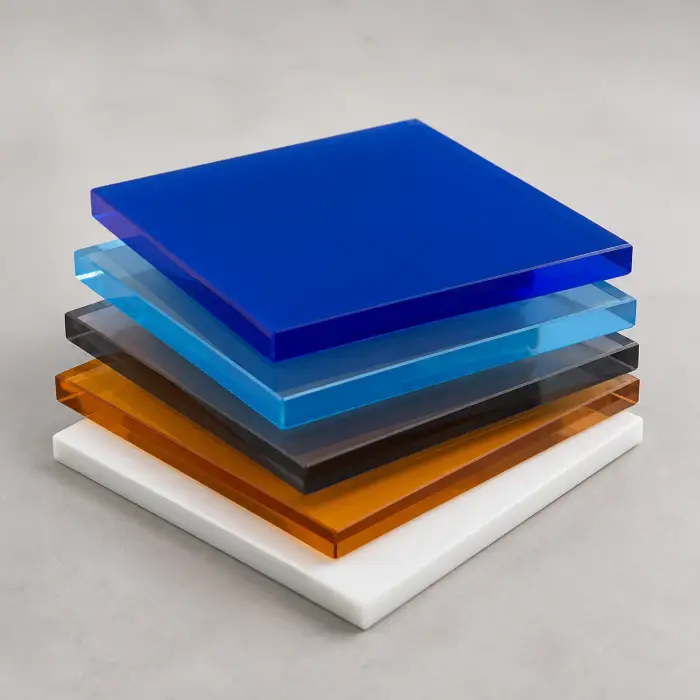
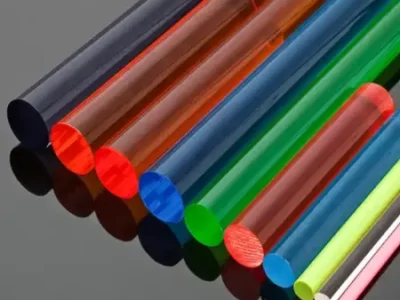
Colored & UV-Resistant PMMA
Tinted, opaque and UV-stabilized options control appearance, light transmission and outdoor durability.
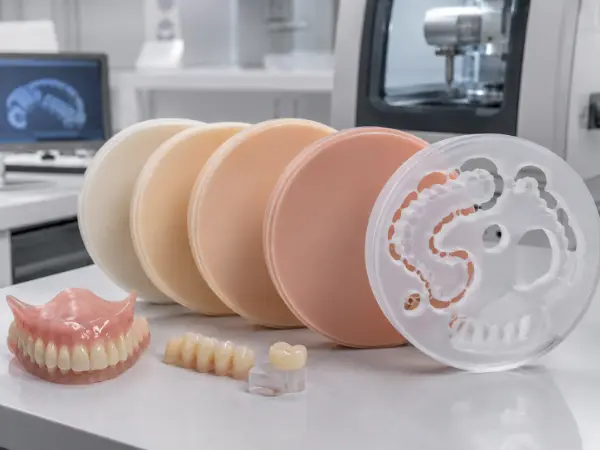
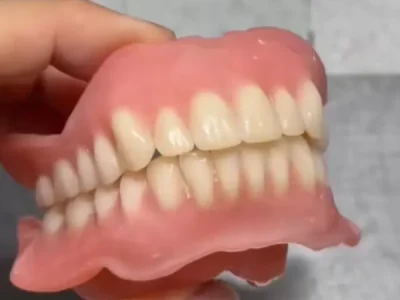
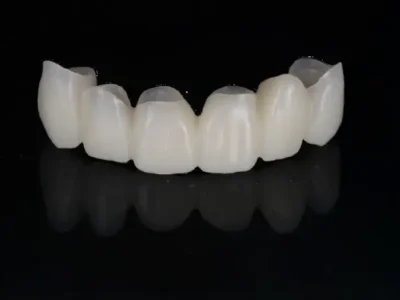
Medical & Dental PMMA
Documented grades support medical, dental and laboratory parts with controlled biocompatibility or cleanliness requirements.
Machined Acrylic Projects
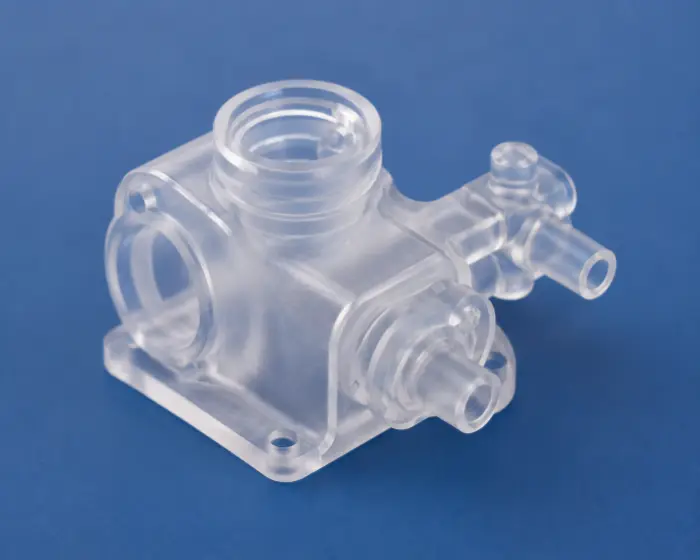
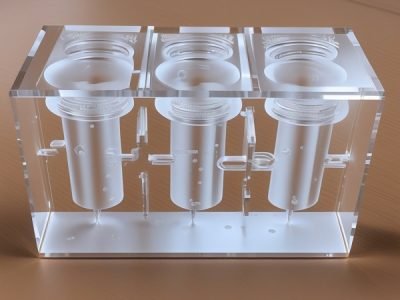
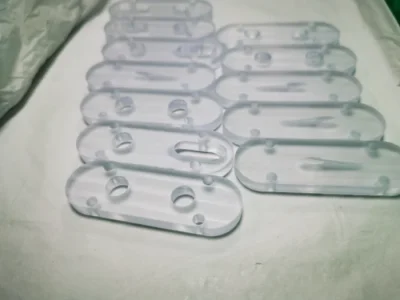
Custom CNC-Machined Acrylic and PMMA Parts
Prototype and repeat-production components machined and inspected to your drawing.
Clarity, Texture & Graphics
Surface Finishes for Acrylic and PMMA Parts
Select the finish according to transparency, glare, texture, branding and scratch-resistance requirements.
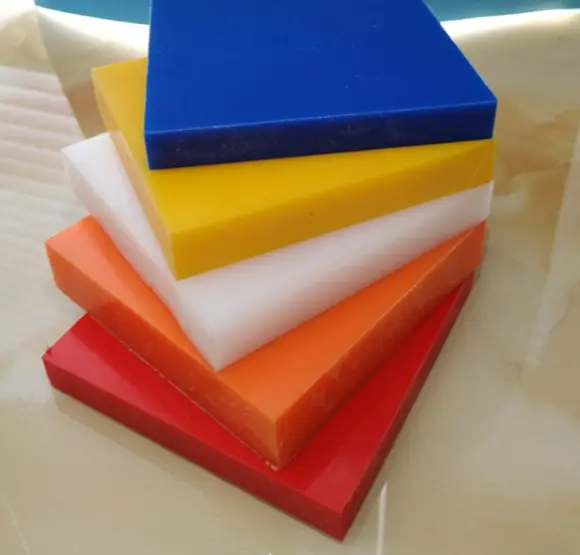
As-Machined
Controlled cutting leaves a functional surface with visible tool marks.
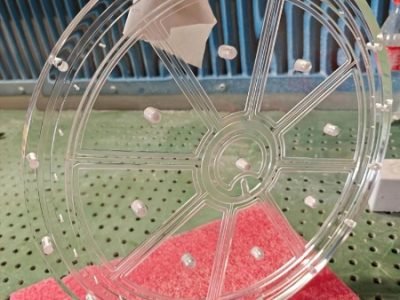
Mechanical Polishing
Removes fine machining marks and restores a clear gloss.
Diamond Polishing
Produces controlled optical edges and flat surfaces.
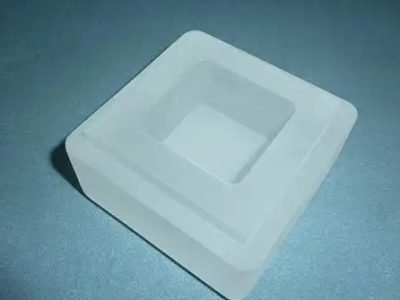
Frosted Finish
Creates a uniform matte texture and diffuses light.
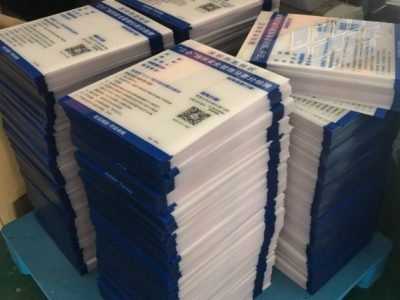
Printing & Marking
Adds permanent text, scales, logos or graphics.
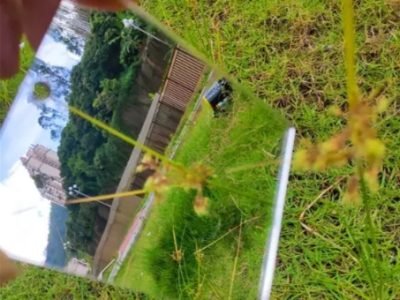
Hard Coating
Improves scratch resistance or adds anti-glare performance.
Process & Quality Control
From Drawing Review to Final Inspection
For CNC machining acrylic, optical faces, residual-stress risks, tolerances and inspection requirements are defined before production.
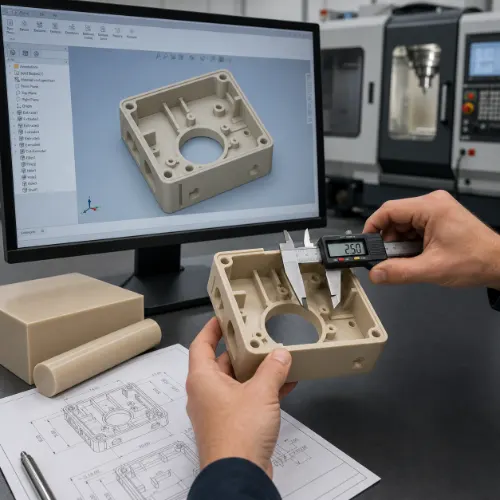


DFM Review
Grade, geometry, tolerances and optical faces are confirmed before machining.
Stress Control
Sharp tooling, light clamping and controlled heat reduce cracking and distortion.
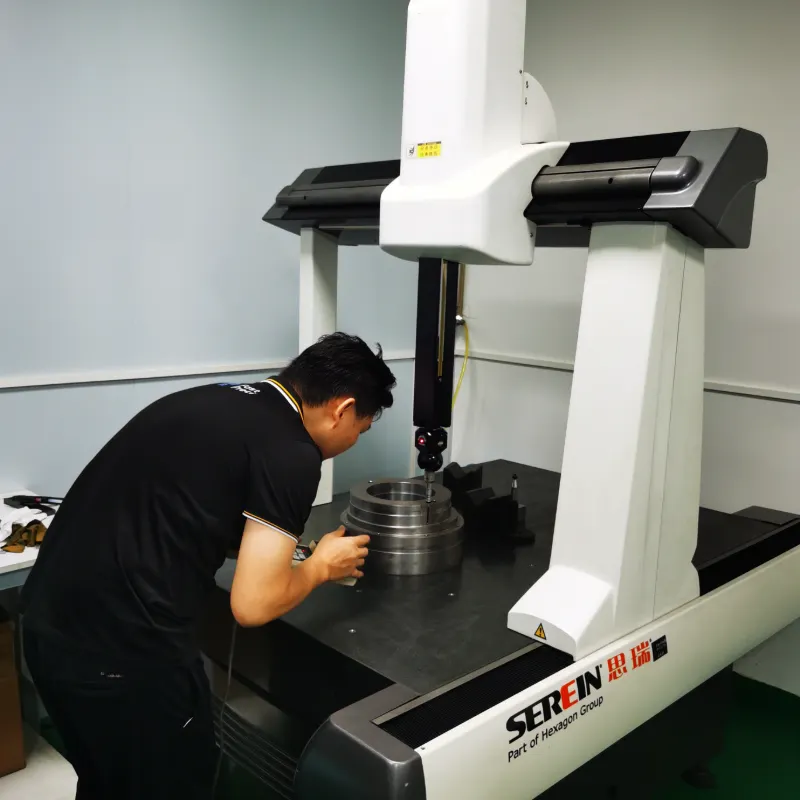
Inspection
Critical dimensions, surface condition and specified optical features are checked.
Protected Delivery
Finished PMMA parts are cleaned, protected and packed to prevent scratches.