Engineering Plastic Machining

Nylon CNC Machining Services for Custom PA Parts

Nylon CNC machining is ideal for lightweight, wear-resistant components such as gears, bushings, rollers, pulleys and electrical insulators. Weldo machines PA6, PA66 and reinforced nylon through precision CNC machining, from one-off prototypes to production parts, with practical DFM support for material selection, dimensional stability and cost control.

  • Materials PA6, PA66 & filled nylon
  • Order Support Prototype to production
  • Engineering Material selection & DFM
  • Quality Inspection reports available
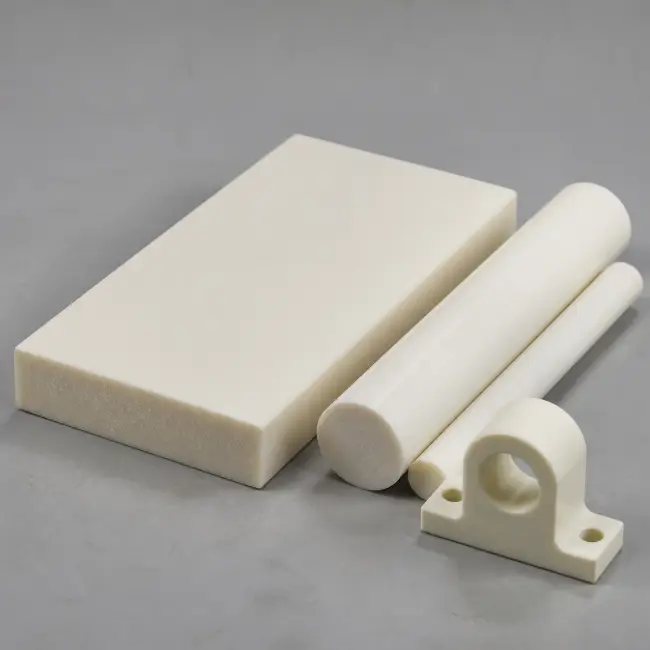
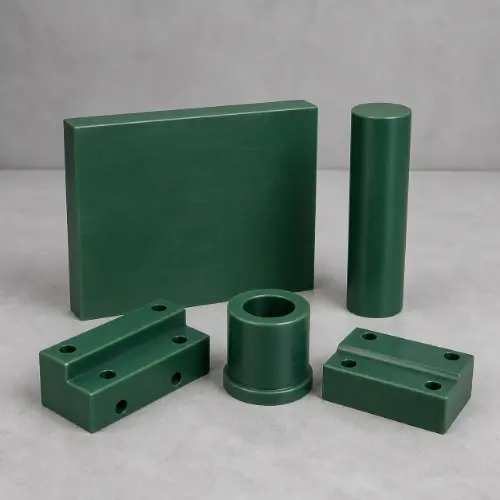
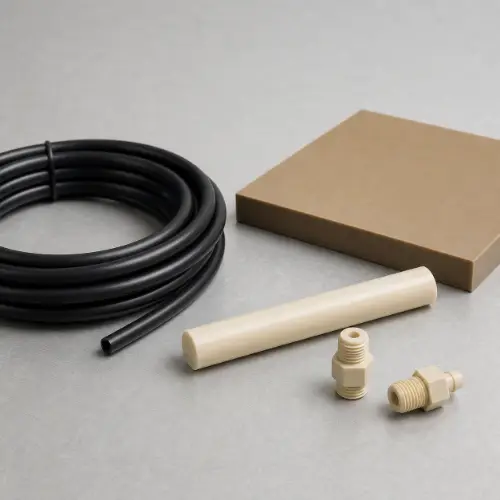
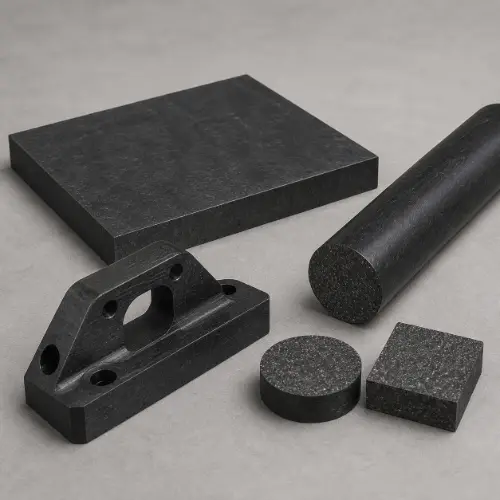
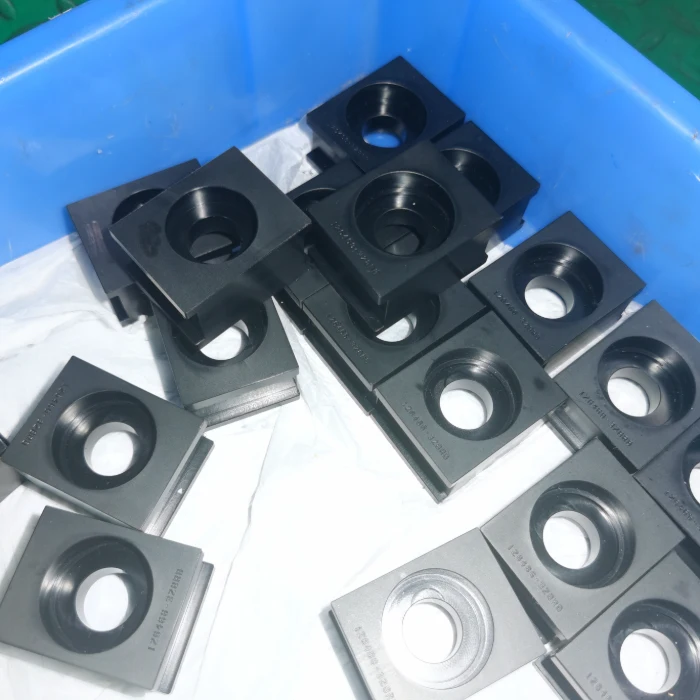
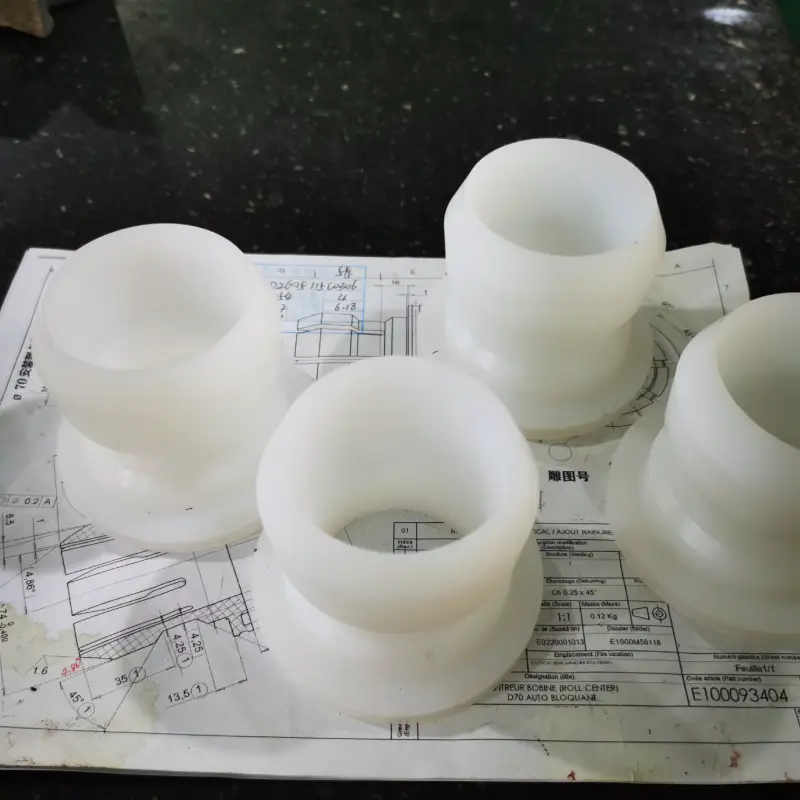
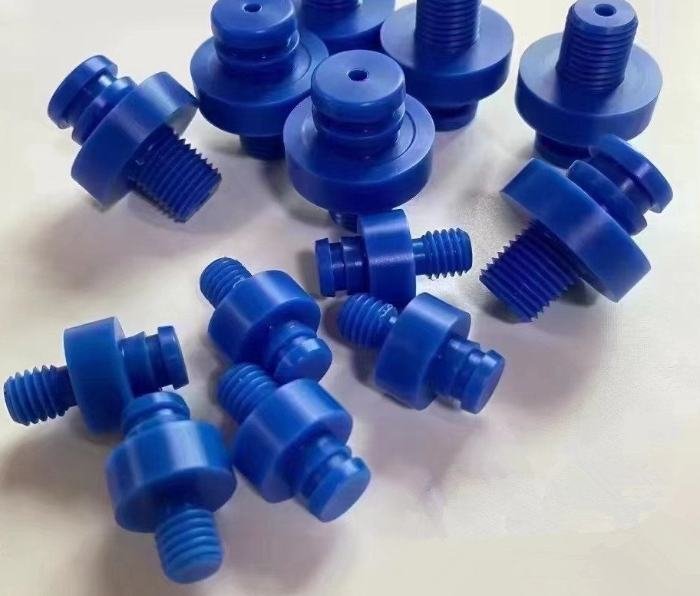
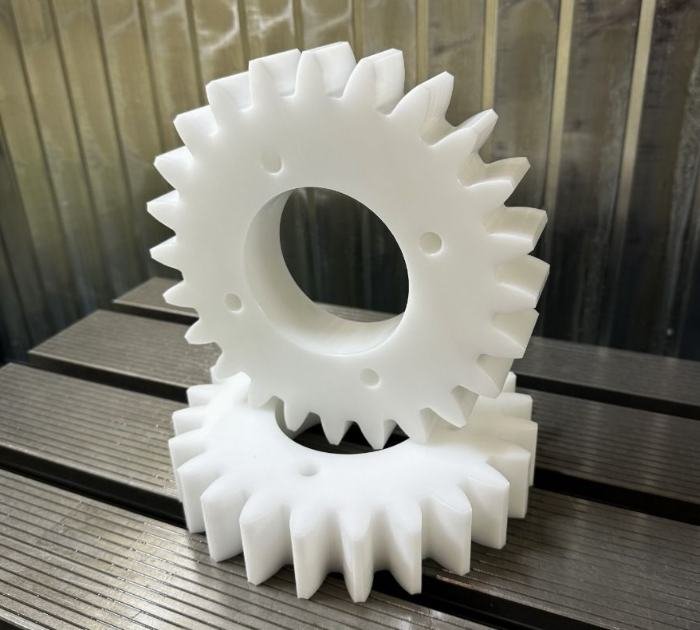
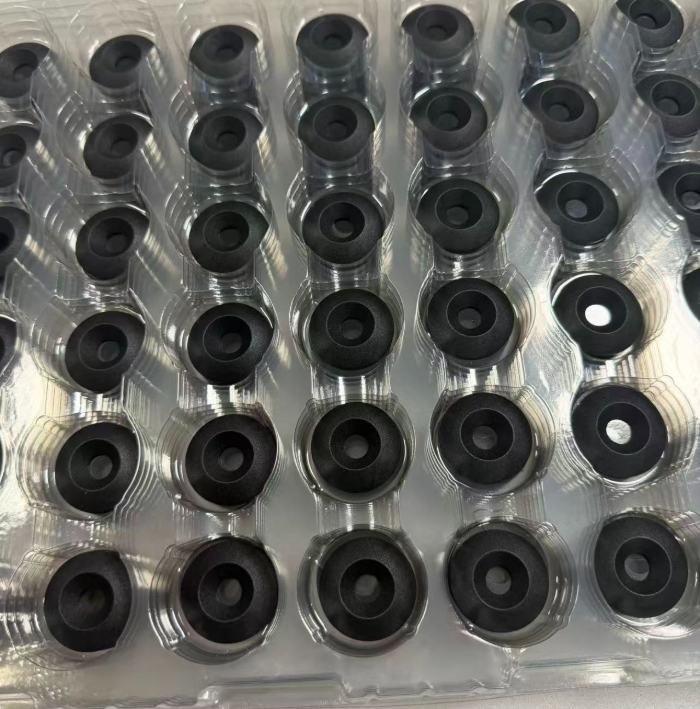
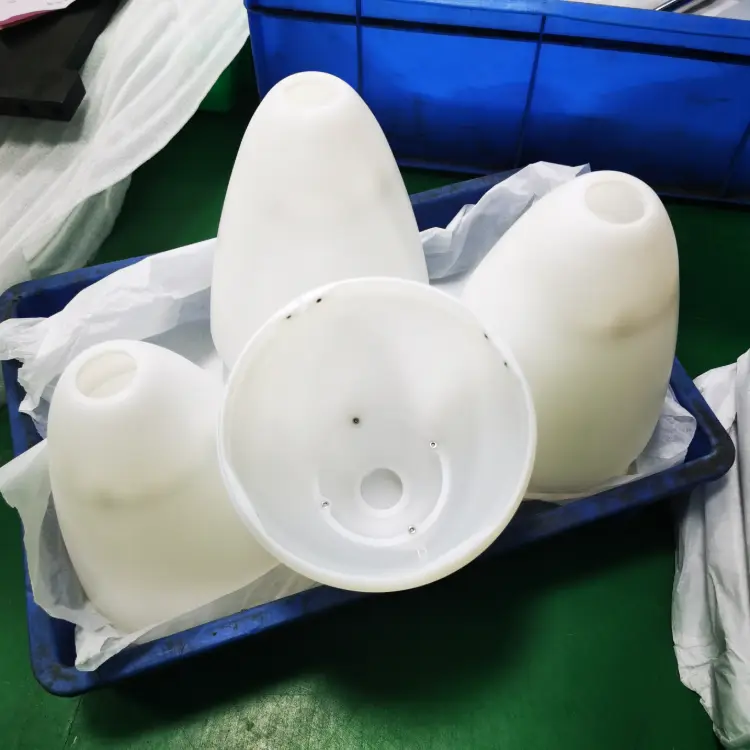
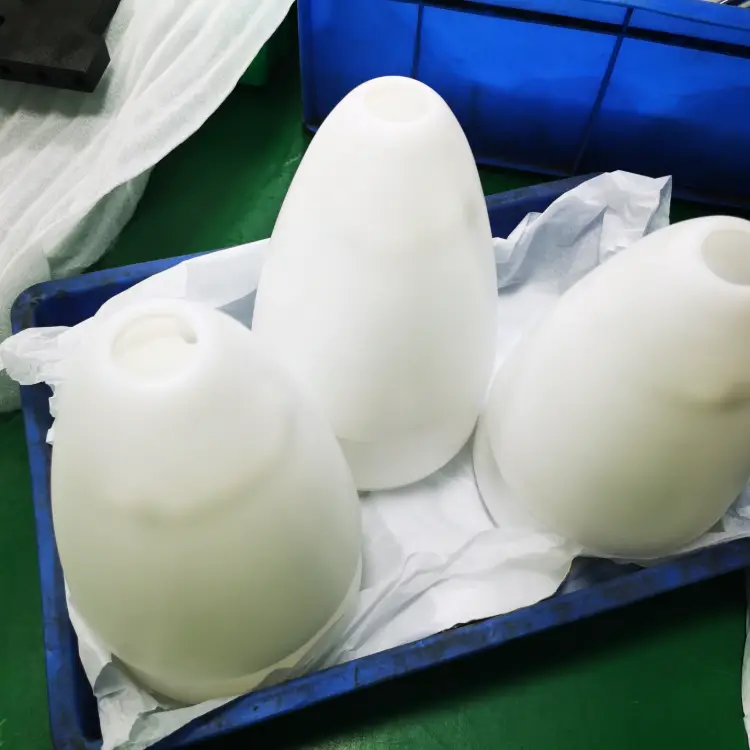
Custom PA6 and PA66 nylon parts manufactured by CNC machining

Material Overview

What Is Nylon in CNC Machining?

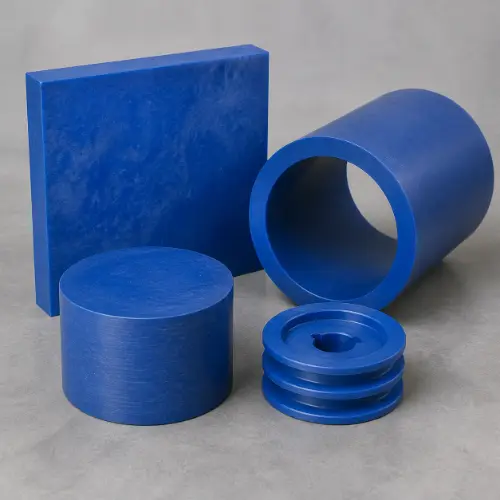
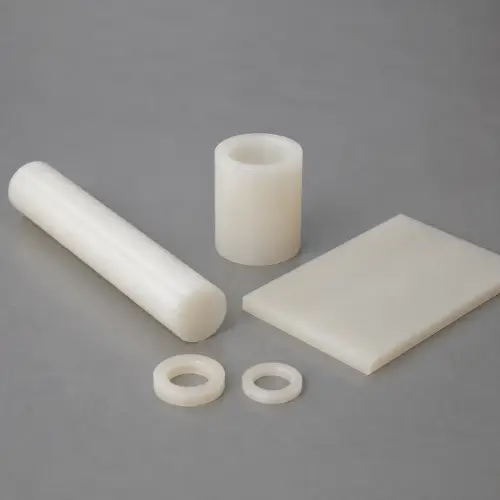
Nylon is a family of polyamide (PA) engineering plastics supplied as solid rod, plate or tube for CNC machining. It combines low weight, toughness and wear resistance with naturally low-friction performance, making it a practical choice for moving, load-bearing and electrically insulating components.

Common machining grades include PA6, PA66, PA12 and reinforced nylon. The right grade depends on the part’s load, operating temperature, moisture exposure and dimensional requirements.

Design note: Nylon can absorb moisture, so material condition and the service environment should be considered when specifying critical tolerances.

01

Wear Resistant

Suitable for parts exposed to repeated motion and contact.

02

Low Friction

Useful for gears, bushings, rollers and sliding components.

03

Lightweight & Tough

Reduces component weight while maintaining impact resistance.

04

Electrical Insulation

A practical option for spacers, housings and insulating parts.

Common machined nylon parts
  • Gears
  • Bushings
  • Rollers
  • Pulleys
  • Wear Pads
  • Spacers
  • Insulators

Grade Selection

Common Nylon Grades for CNC Machining

Nylon grades differ in stiffness, toughness, moisture response and machining behavior. Weldo selects the material against the drawing, operating environment and tolerance requirements. For additional technical information, see our PA material properties guide.

PA6 Balanced Performance

Nylon 6

Good toughness, wear resistance and value for general-purpose machined components.

Best for
Gears, rollers, bushings and wear parts
Consider
Moisture-related dimensional change
PA12 Moisture Stability

Nylon 12

Lower moisture uptake supports better dimensional consistency in humid or changing environments.

Best for
Precision housings, connectors and fluid components
Consider
Higher material cost and stock availability
PA-GF / CF Reinforced

Filled Nylon

Glass- or carbon-filled nylon can increase stiffness and reduce dimensional movement under load.

Best for
Brackets, fixtures and load-bearing components
Consider
Tool wear, edge quality and filler orientation
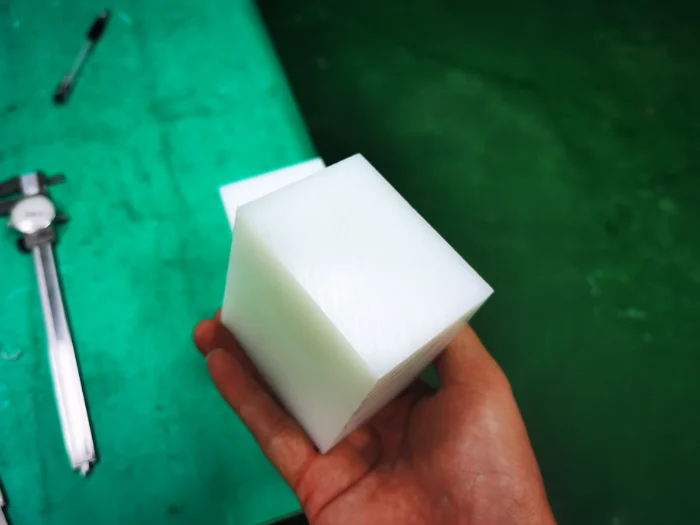
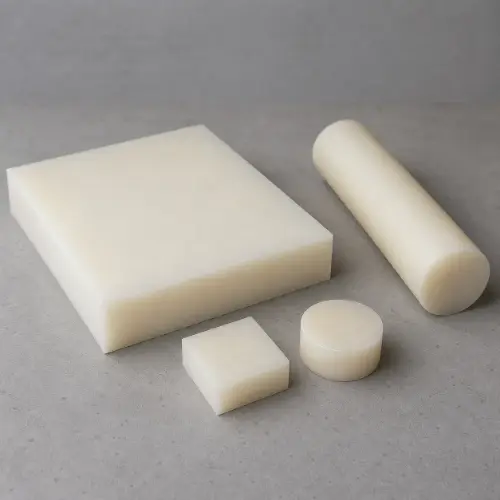
PA nylon stock material prepared for CNC machining
PA Nylon Stock Material grade and condition are checked before machining.
Custom CNC machined Nylon 66 bearing block
PA66 Bearing Block A rigid nylon component for mechanical assemblies.
Precision CNC machined PA66 nylon bushing
PA66 Bushing Wear-resistant geometry for moving and rotating systems.

Quick Comparison

PA6 vs PA66 for Machined Parts

PA6 is often the economical general-purpose option. PA66 is commonly evaluated when the design needs greater stiffness, wear performance or heat resistance.

General comparison of PA6 and PA66 for CNC-machined parts
Selection factorPA6PA66
ToughnessTypically higher flexibilityMore rigid response
StiffnessGoodTypically higher
Moisture responseGenerally more sensitiveStill requires consideration
Heat performanceGood for general useTypically better
Relative costUsually lowerUsually higher

Material performance varies by manufacturer, filler content, conditioning and test method. Final grade selection should be confirmed against the project’s technical requirements and supplier data sheet.

Design for Machining

Design Guidelines for Nylon CNC Machining

Nylon flexes and absorbs moisture. Wall thickness, radii, tolerances and workholding should be designed for plastic rather than copied from a metal part.

Nylon board stock used for custom CNC machined components
Nylon board stock
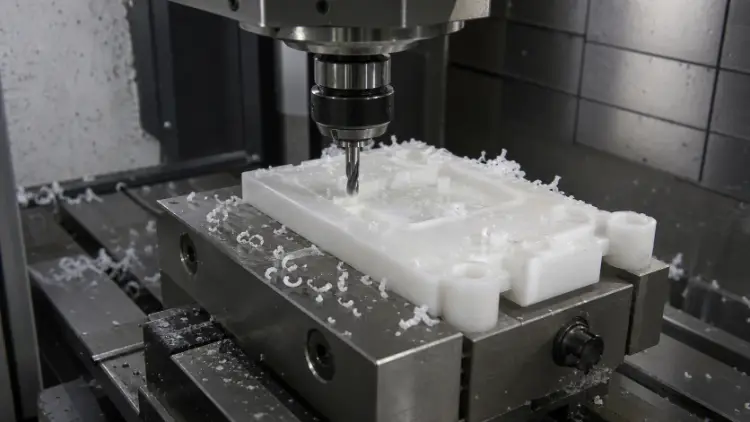
Nylon workpiece during CNC machining
CNC-machined nylon workpiece
01

Avoid Unnecessarily Thin Walls

Thin walls can flex during clamping and cutting. Add support where possible.

02

Use Generous Internal Radii

Larger radii improve tool access and reduce corner stress.

03

Define Critical Tolerances

Apply tight tolerances only to functional dimensions.

04

Account for Moisture

State the service humidity when dimensional stability is critical.

05

Plan Stable Workholding

Provide accessible clamping areas and avoid fragile projections.

06

Design Threads for Service

Use inserts for frequently assembled or higher-load threads.

RFQ Checklist

Include these project details

  • 3D CAD file
  • 2D drawing
  • Nylon grade
  • Critical dimensions
  • Service environment
  • Required quantity

Not sure which nylon grade or tolerance to specify? Upload your drawings and application requirements for a project-specific review and quotation.

Cost Planning

What Determines Nylon CNC Machining Cost?

A nylon part is quoted from the material consumed and the work needed to machine, inspect and finish it. Grade, geometry, tolerances and order quantity usually matter more than overall part size alone.

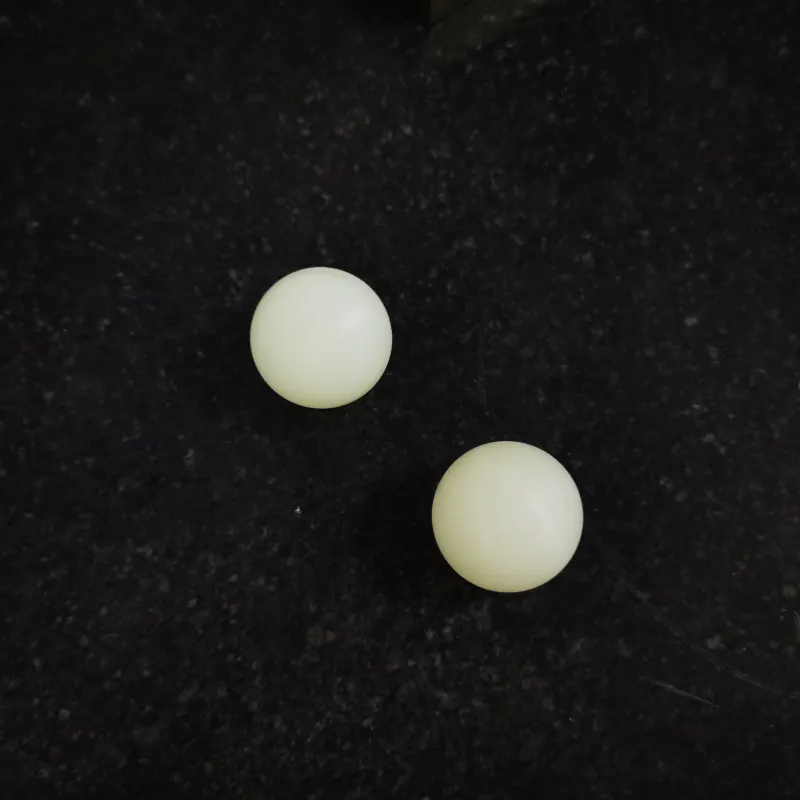
Custom nylon ball component manufactured by CNC machining
Complex geometry affects machining time Tool access, setups and inspection points all influence the final quote.
01

Material Grade & Stock

PA type, reinforcement, stock size and availability affect material cost.

02

Part Geometry

Deep pockets, thin features and heavy material removal increase cycle time.

03

Number of Setups

Extra orientations and custom fixtures add handling and machine time.

04

Tolerance & Inspection

Tighter dimensions require more process control and measurement.

05

Order Quantity

Programming and setup costs are distributed across larger production runs.

06

Secondary Operations

Deburring, inserts, marking, finishing and assembly add separate steps.

Cost-Control Priorities

Reduce cost without weakening the part

  • Use standard stock Choose common plate or rod sizes where possible.
  • Limit tight tolerances Apply them only to functional interfaces.
  • Increase internal radii Allow larger tools and shorter machining time.
  • Reduce setups Use consistent datums and accessible features.

For a meaningful price comparison, use the same nylon grade, quantity, tolerance, material condition and inspection scope for every quote.

Material Selection

When Should You Choose Machined Nylon?

Nylon is often selected for lightweight, low-friction and electrically insulating parts. Final selection should still reflect load, temperature, humidity and dimensional requirements.

Choose Nylon When

  • Lower weight matters The part does not require metal-level stiffness.
  • Sliding or rotating contact is present Low friction and wear resistance support repeated motion.
  • Corrosion resistance is needed The component operates around moisture or common chemicals.
  • Electrical insulation is required The part must separate or protect electrical components.

Evaluate Another Material When

  • Continuous heat is high The service temperature exceeds the selected grade’s limit.
  • Structural stiffness is critical The part carries high sustained loads or must resist creep.
  • Humidity cannot be controlled Very tight dimensions must remain unchanged across environments.
  • Specific compliance is mandatory Flame, food, medical or chemical requirements need certified stock.

Typical Components

Common CNC-Machined Nylon Parts

01

Gears & Pinions

Lightweight motion components with low operating noise.

02

Bushings & Bearings

Wear-resistant parts for shafts and moving assemblies.

03

Rollers & Pulleys

Low-friction components for conveying and automation systems.

04

Wear Pads & Guides

Replaceable contact surfaces for machinery and fixtures.

05

Insulators & Spacers

Nonconductive separation and positioning components.

06

Housings & Fixtures

Custom lightweight structures for equipment and tooling.

Manufacturing & QA

Nylon Part Finishing and Quality Control

Nylon parts require clean edges, controlled handling and inspection in a stable condition. Finishing and quality checks are planned around the drawing and the part’s function.

01

Material Check

Confirm the nylon grade and stock condition.

02

First Article

Verify critical dimensions before production.

03

In-Process Control

Monitor dimensions, edges and process stability.

04

Final Inspection

Check dimensions, appearance and documents.

Secondary Operations

Common Finishing Options

  • Deburring
  • Manual Polishing
  • Light Blasting
  • Painting
  • Laser Marking
  • Inserts & Assembly

Finishing is selected according to appearance, function and material condition.

Inspection Scope

What We Check

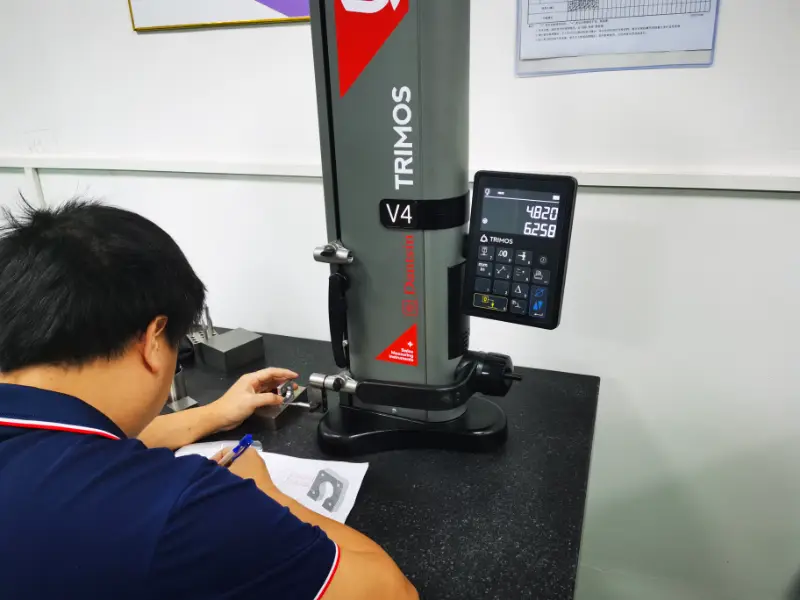
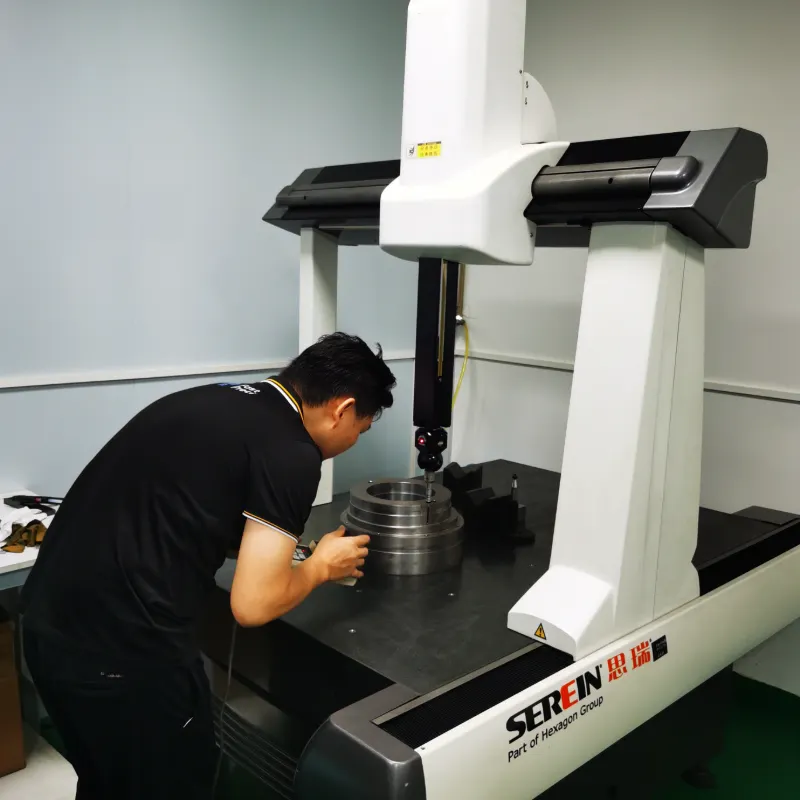
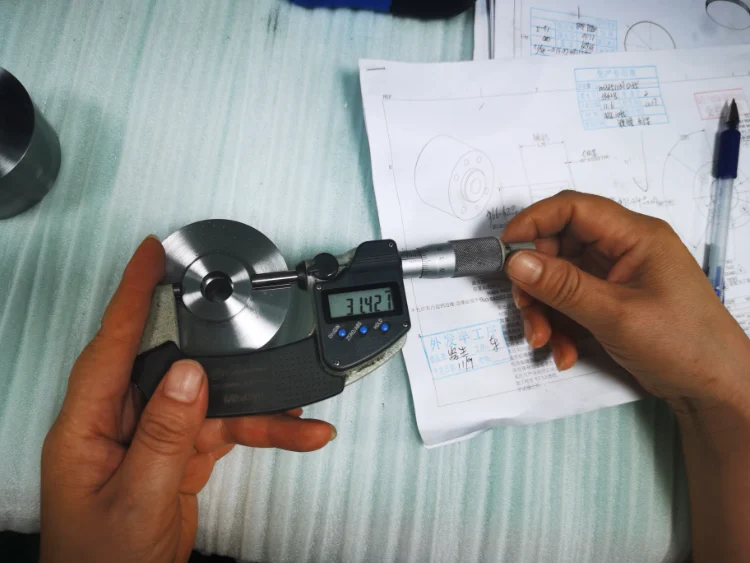
  • Critical dimensions and geometric features
  • Threads, holes and mating interfaces
  • Edges, burrs and visible surface condition
  • Material identification and traceability
  • Part condition during measurement
  • Inspection reports when specified

Inspection methods are selected according to tolerance, geometry and drawing requirements.

Frequently Asked Questions

Nylon CNC Machining FAQs

Practical answers about material selection, tolerances and quoting custom nylon parts.

Should I choose PA6 or PA66 for my machined part?

PA6 is a common general-purpose option with good toughness and value. PA66 is often considered when higher stiffness, wear performance or heat resistance is required. The final choice depends on load, temperature, humidity and tolerance.

Can glass-filled nylon be CNC machined?

Yes. Glass-filled nylon offers greater stiffness and dimensional stability, but it increases tool wear and requires closer attention to edge quality and machining direction.

Does moisture affect nylon part dimensions?

Yes. Nylon absorbs moisture and may change dimensionally. The selected grade, material condition and service humidity should be considered when defining critical dimensions.

What tolerances are realistic for CNC-machined nylon?

Use ±0.10 mm (±0.004 in) for general dimensions. Stable, well-supported critical features can typically be reviewed to ±0.05 mm (±0.002 in). Requirements tighter than ±0.05 mm need drawing review because grade, size, wall thickness and moisture condition affect dimensional stability.

What information is needed for a nylon machining quote?

Provide a 3D CAD file, 2D drawing, preferred nylon grade, quantity, critical tolerances and any finishing or inspection requirements. Service temperature and humidity are also helpful.

Start Your Project

Need a Quote for a Custom Nylon Part?

Send your CAD files, drawing and quantity for a project-specific machining review.

Get a Quote