Consumer Electronics Manufacturing

Custom Parts for Consumer Electronics Products

Manufacturing support for housings, frames, hinges, heat sinks, internal supports and precision prototypes. Send your design for a practical DFM review, finish assessment and transparent quotation.

Upload Electronics Part Files  →
Consumer electronics manufacturing components

Custom Electronics Projects

Metal and Plastic Components for Electronic Devices

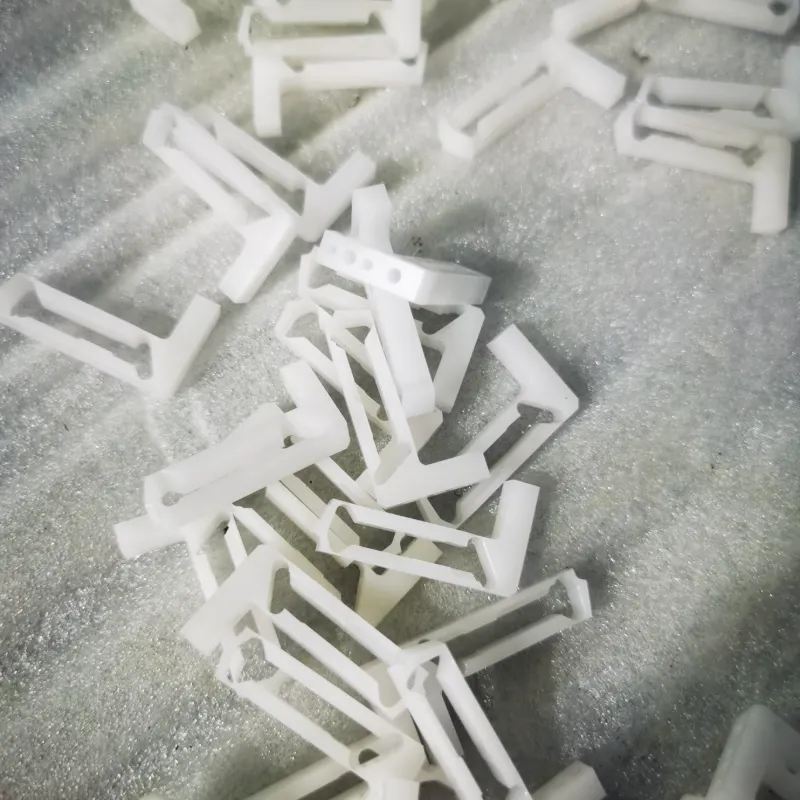
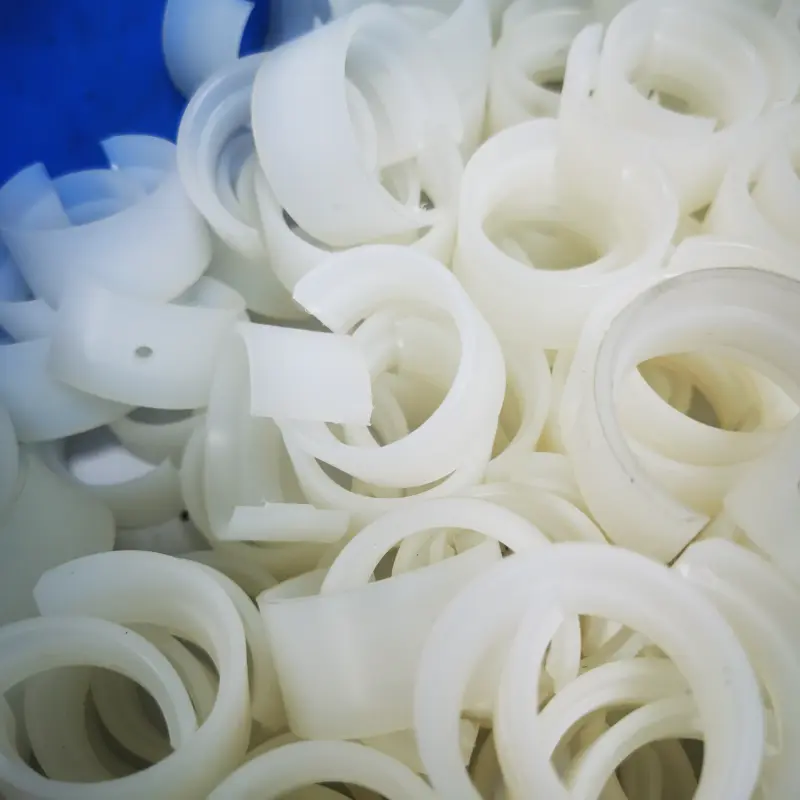
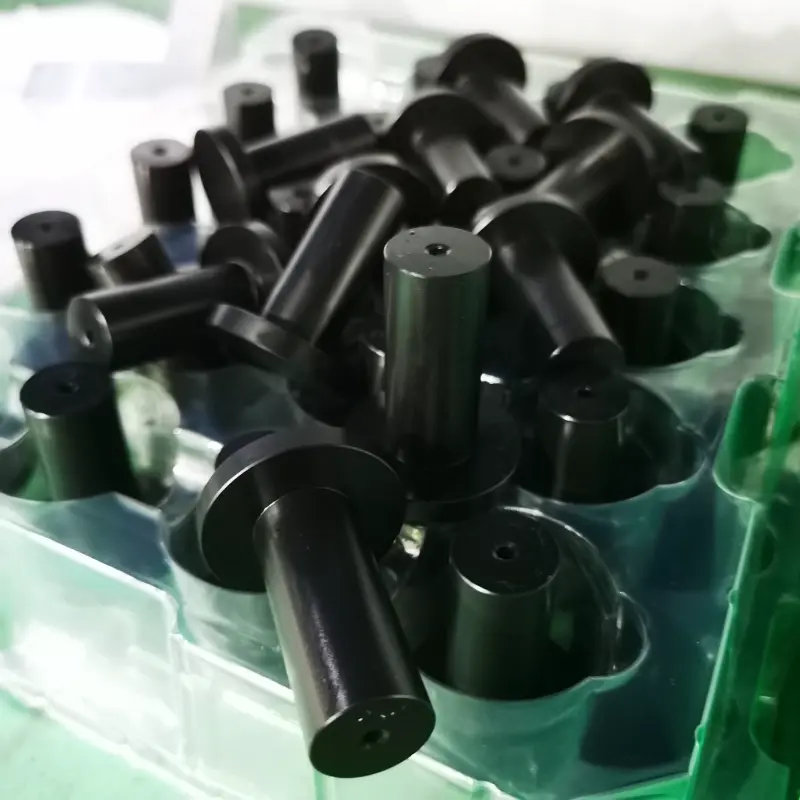
Representative housings, LCD frames, contacts, switch parts, supports and insulating components with controlled dimensions and appearance.
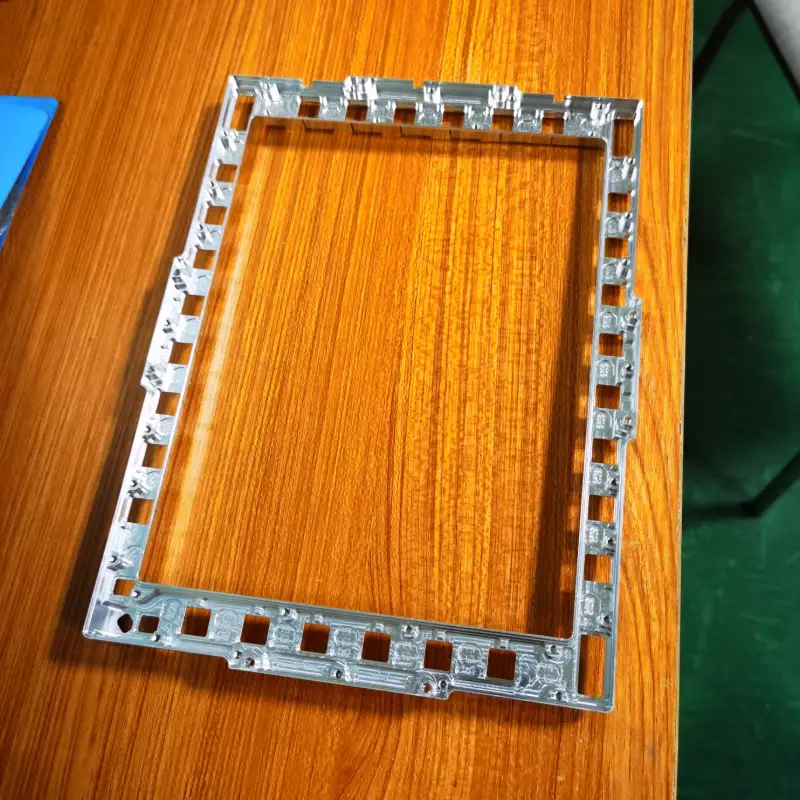
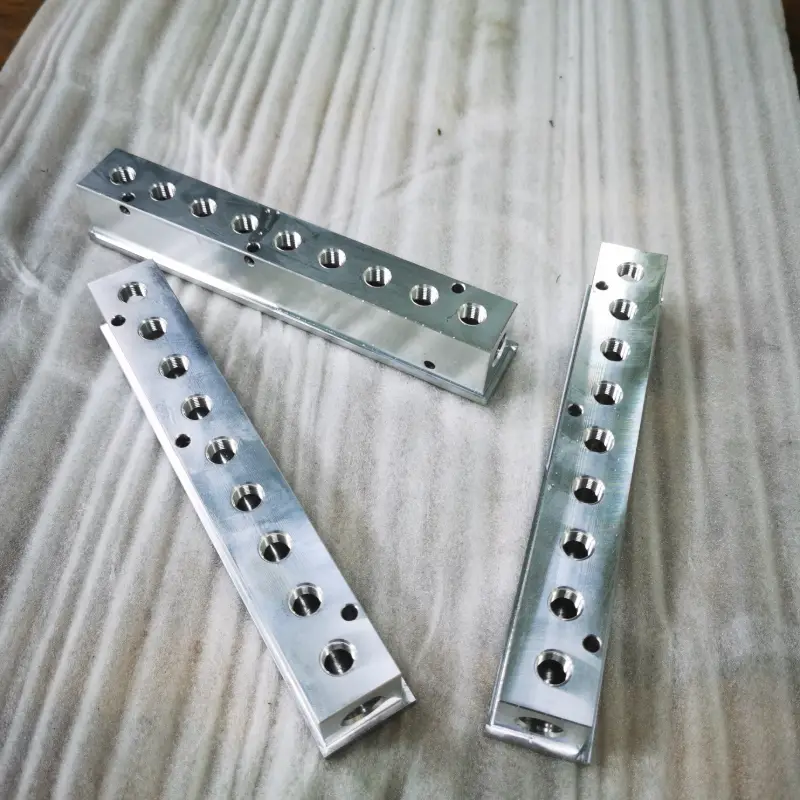
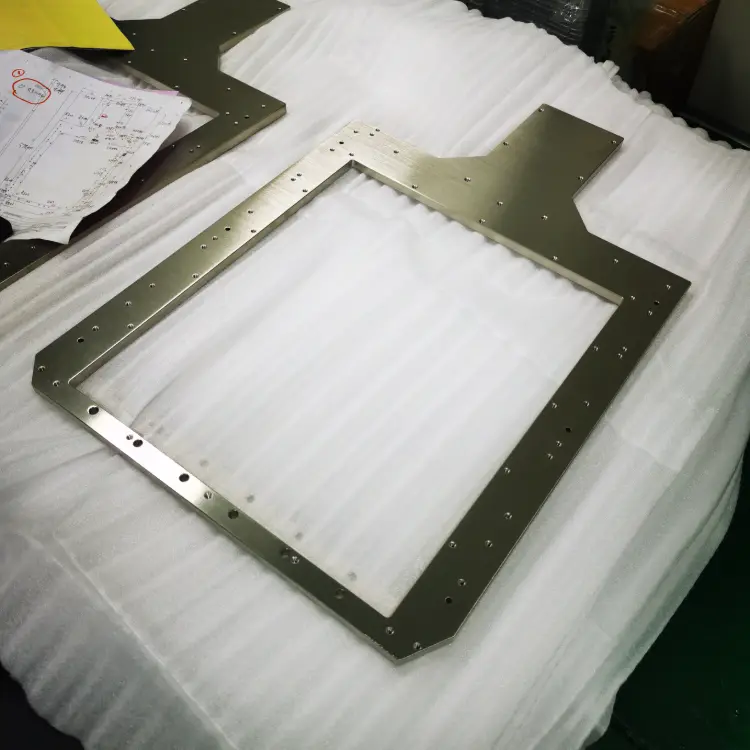
6061-T6 aluminum screen bracket
5052 aluminum electronics component
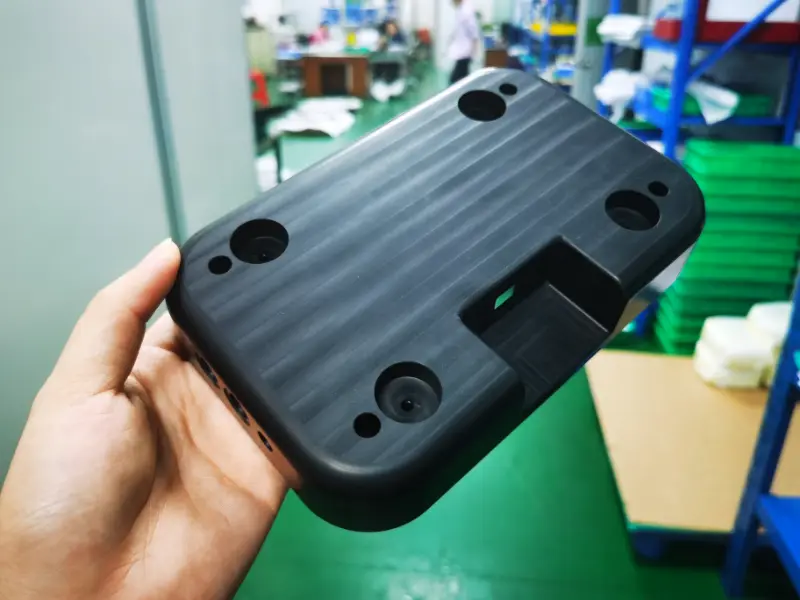
CNC-machined ABS housing
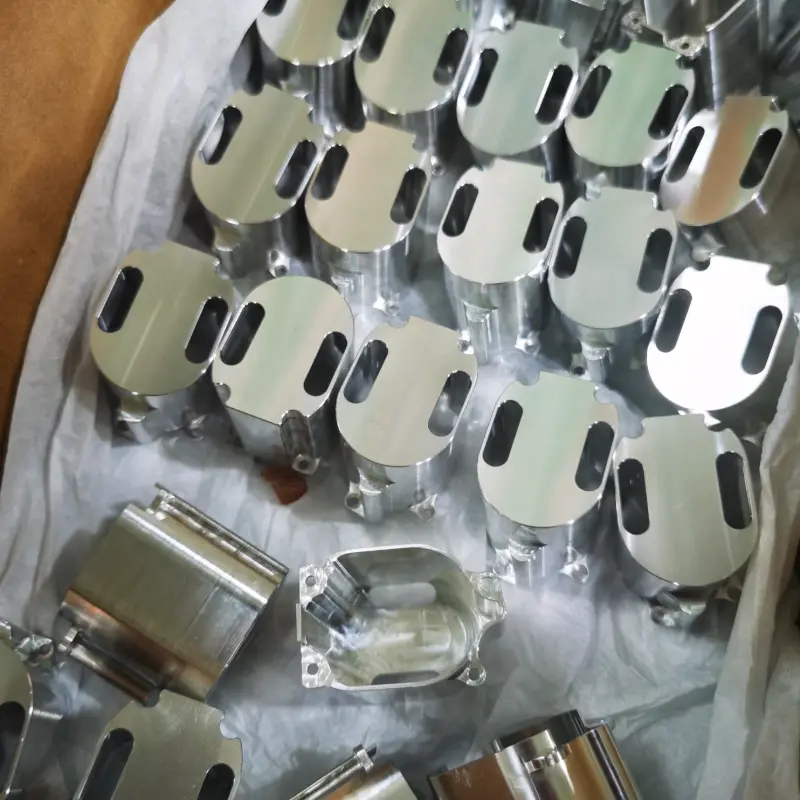
Custom aluminum electronics shell
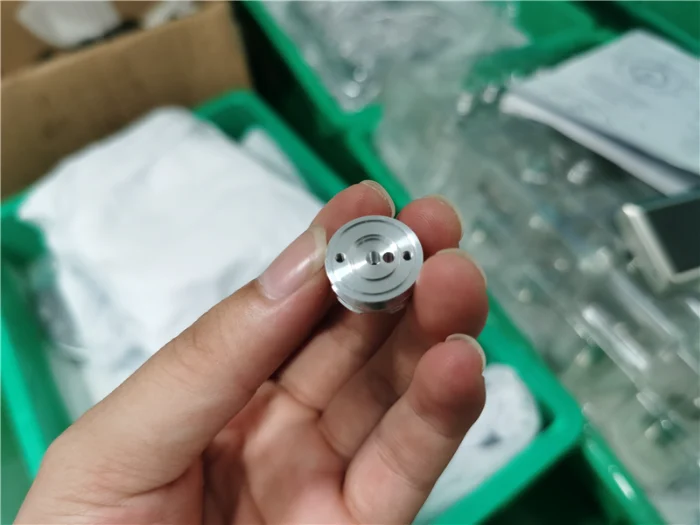
Precision machined electronics component
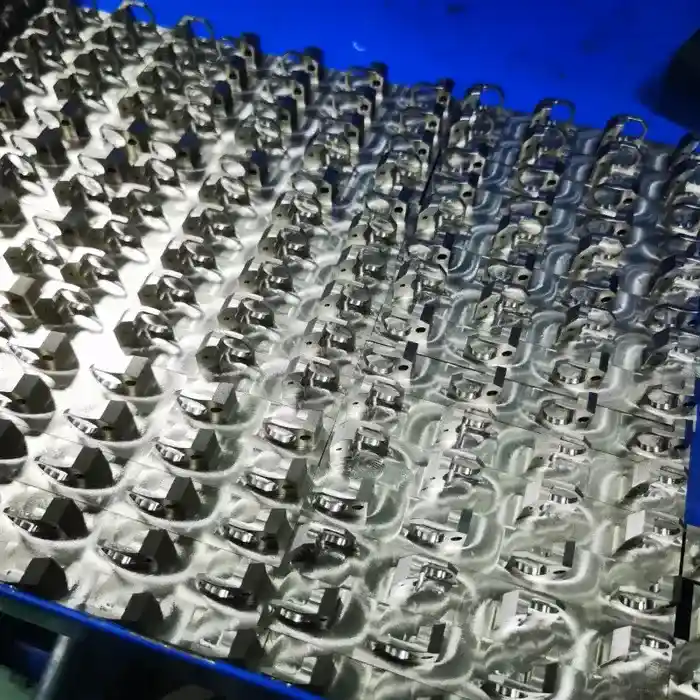
Four-axis CNC-machined aluminum part
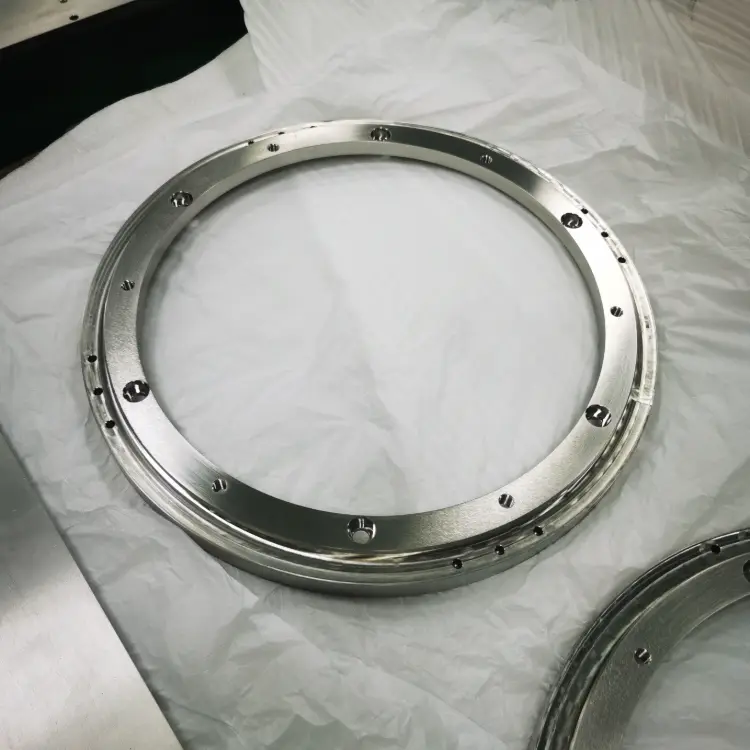
Custom stainless steel ring
Polished stainless steel component
Machined bronze electronic component
Custom precision electronics component
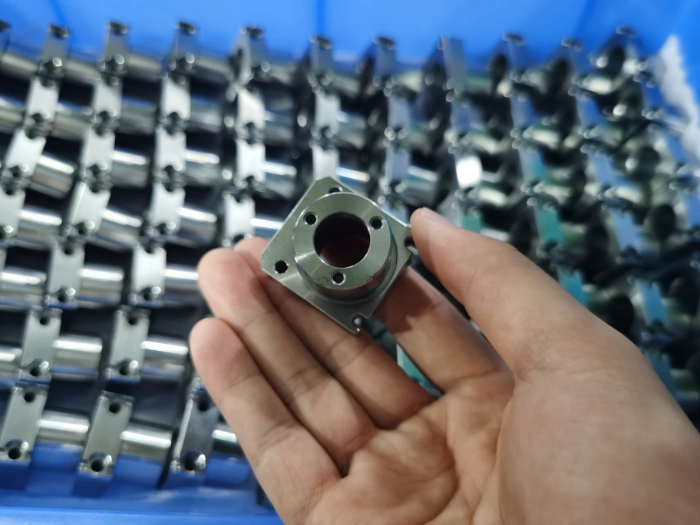
303 stainless steel electronics component
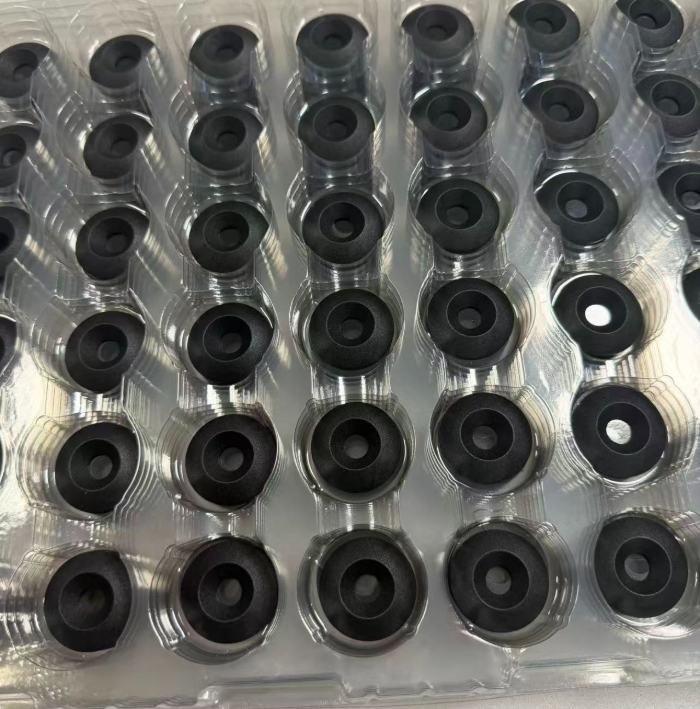
Custom nylon electrical component
White acetal precision component
PA12 precision piston component
Precision POM insulating component

Process Selection

Choose the Process by Design Stage and Production Volume

Geometry, material, appearance, quantity and tooling investment determine the appropriate manufacturing route.

CNC machining for consumer electronics

CNC Machining

Metal housings, frames, hinges, heat sinks and precision supports.
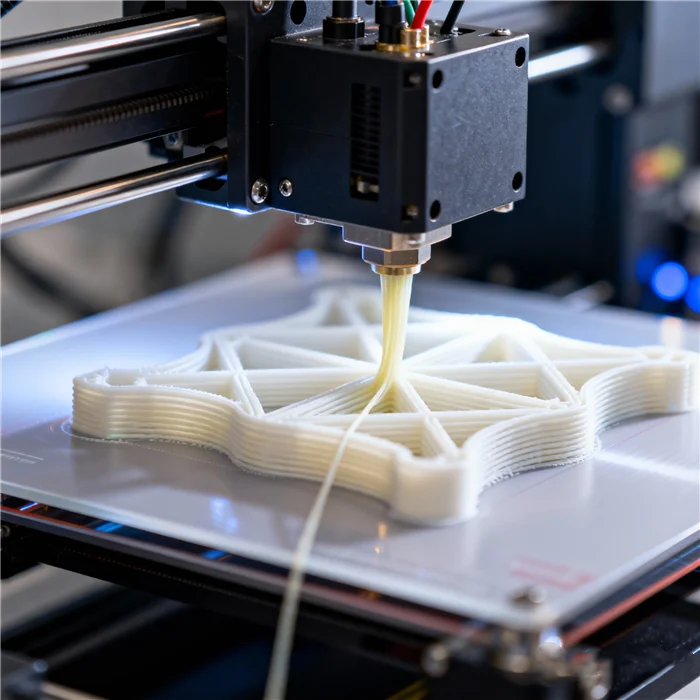
3D printing for consumer electronics

3D Printing

Concept models, fit checks and early functional prototypes.
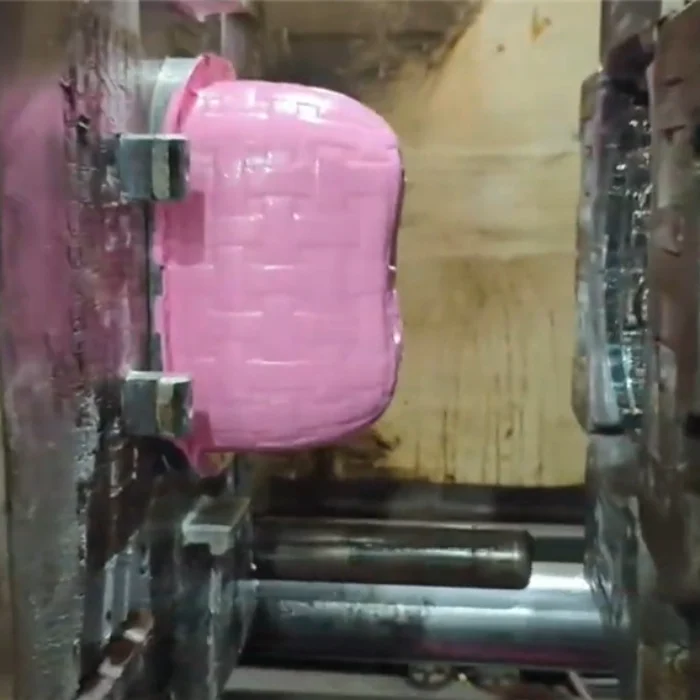
Injection molding for consumer electronics

Injection Molding

Plastic housings, switch buttons, clips, key caps and repeat production parts.

Sheet metal fabrication for consumer electronics

Sheet Metal

Chassis, shielding covers, internal frames and formed enclosures.

Materials & Surface Finishes

Balance Structure, Heat, Appearance and Assembly

Material and finish are reviewed together because coating thickness, color, conductivity and cosmetic texture affect the final assembly.

Materials for Electronics Components

Metal and plastic options for structural, thermal, electrical, optical and cosmetic functions.

  • Aluminum: housings, LCD heat-dissipation frames, heat sinks, hinges and cosmetic parts.
  • Stainless steel: switch rings, buttons, hinges, wear interfaces and exposed details.
  • Magnesium: selected lightweight housings and structural components.
  • Copper and brass: electronic contacts, terminals, busbars and shielding details.
  • Engineering plastics: ABS, PC, POM, nylon and PEEK for housings, buttons, guides and insulators.
  • Optical plastics: PMMA and specified transparent polymers for display windows, lenses and light guides.

Surface Finishes for Electronics Parts

Finishes support appearance, corrosion resistance, wear, conductivity and identification.

  • Anodizing: durable colored or hard-wearing aluminum surfaces.
  • Bead blasting and brushing for controlled matte or directional textures.
  • Mechanical or chemical polishing for smooth cosmetic and optical surfaces.
  • Electroless nickel, electroplating and PVD for metallic appearance and protection.
  • Painting, soft-touch coating and powder coating for color and tactile requirements.
  • Laser marking and engraving for identification and assembly guidance.

Define cosmetic surfaces, gloss, texture, color reference, masking and acceptable color variation before production.

Product Development Support

From Appearance Prototype to Repeat Production

A controlled release path helps electronics teams test fit, thermal behavior and appearance while preserving revision and finish requirements.

Design Review

Confirm material, walls, interfaces, cosmetic zones and process feasibility.

Functional Prototype

Test assembly, tactile response, thermal paths and visible surfaces.

Pilot Build

Validate fixtures, color samples, inspection and batch consistency.

Repeat Production

Release approved revisions with defined quality and delivery controls.

Electronics Project Assurance

Control Fit, Appearance and Batch Consistency

Dimensional and cosmetic requirements are defined before release and inspected against the approved drawing and finish sample.

Consumer electronics procurement engineers can define critical dimensions, cosmetic zones, color standards, approved samples, packaging and delivery requirements before purchase-order release.

Vernier caliper dimensional inspection

In-Process Measurement

Wall thickness, hole locations and assembly interfaces are checked during production.
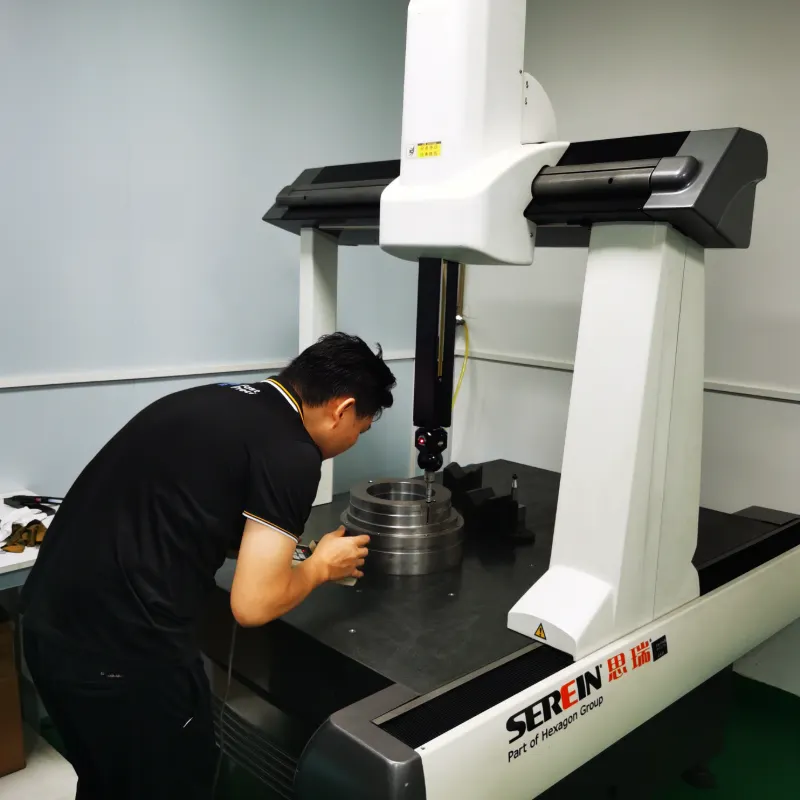
CMM inspection for electronics component

Critical Dimension Control

CMM and calibrated gauges verify specified datums, fits and geometric relationships.
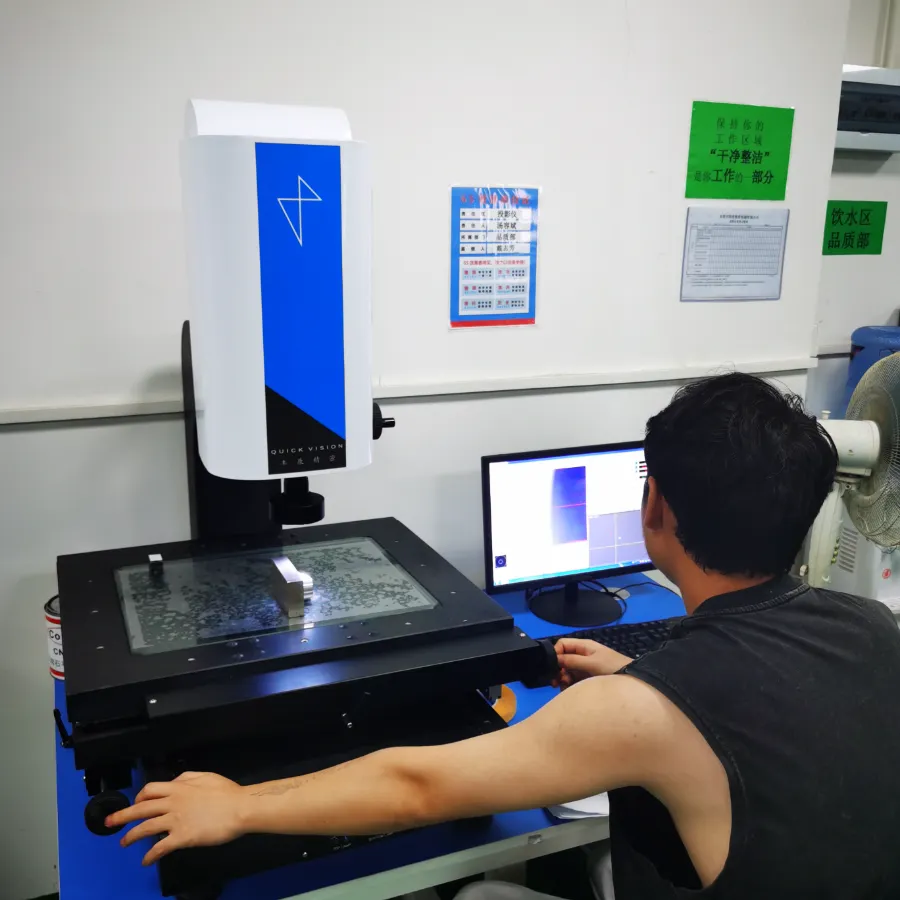
Optical projector inspection of small electronic component

Cosmetic & Profile Review

Visible surfaces, edges, profiles, marking and finish samples are checked before release.

Consumer Electronics FAQ

Plan Your Electronics Component Project

How should cosmetic surfaces be defined?

Mark visible zones on the drawing and specify texture, gloss, color reference, grain direction, masking and acceptable defect limits.

How is color consistency controlled between batches?

Use an approved finish sample, defined color and gloss criteria, controlled pretreatment and documented production lots. Slight variation still requires an agreed acceptance range.

How is thin-wall deformation reduced?

Use stable stock, balanced wall design, light clamping, staged material removal and controlled cutting heat. Critical dimensions are verified after the part stabilizes.

Can a CNC prototype transition to injection molding?

Yes. The design is reviewed for draft, uniform walls, ribs, bosses, parting lines and material behavior before production tooling is released.

How are project files and product designs protected?

Access is limited to the project team, revisions are controlled and files are used only for quotation and production. A project NDA can be reviewed when required.