
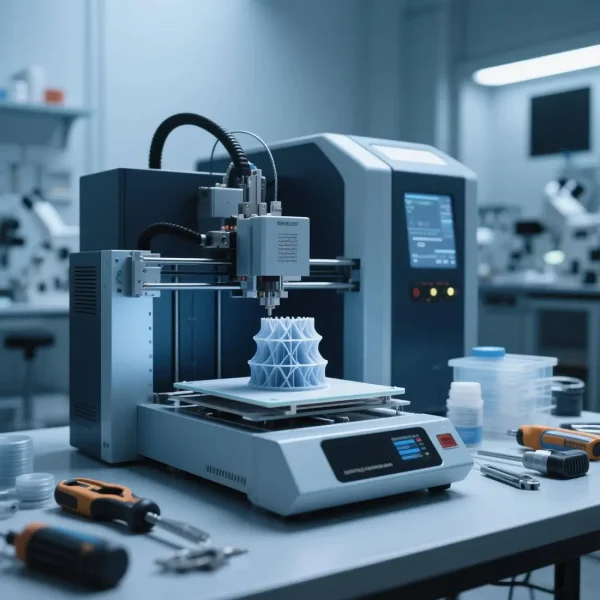
3D Printing
- FDM
- SLA
- SLS
- MJF
- SLM/DMLS
Our 3D printing can quickly turn your ideas into tangible objects. Send us your design for a quote—it saves time, effort, and money. Give it a try today!
Tolerance:±0.05 – 0.2 mm
Application:Prototyping,aerospace,automotive,medical,Consumer
Delivery time:1-5 days
Price:10-500 USD/PCs
What is 3d printing ?
3D printing is an additive manufacturing process in which computer-controlled molten material is deposited layer by layer from the bottom up to form a solid object, directly producing physical parts from 3D digital designs.
Material for 3d printing
Supports dozens of materials including PLA, ABS, nylon, aluminum alloy, and stainless steel, capable of handling everything from prototyping to mass production. 3D printing delivers precise forming, and when combined with CNC machining and laser cutting, complex structures become easily achievable. Below are our primary production materials:
Metal material :
Common processes: SLM / DMLS (Selective Laser Melting) and EBM (Electron Beam Melting).
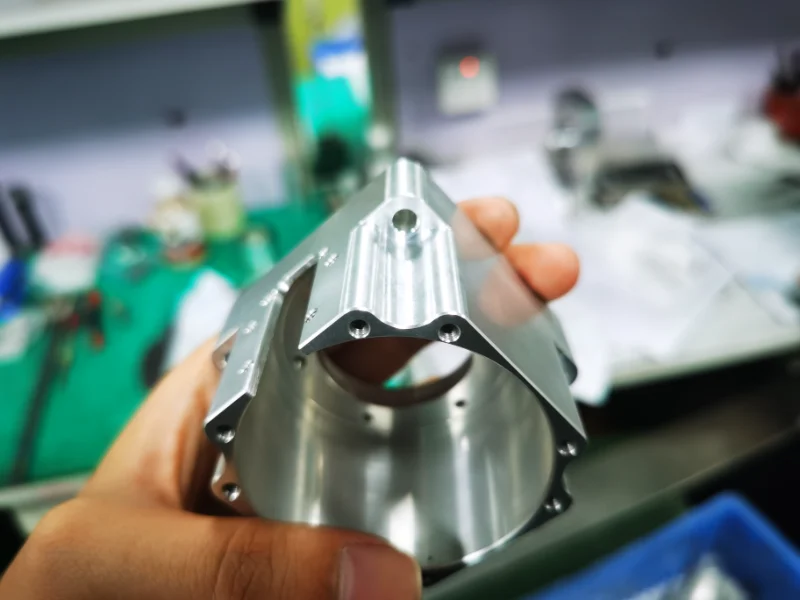
Aluminum
Aluminum is the most commonly used precision-machined component. It has a low density, a hard texture, and a soft material. Thanks to its corrosion resistance, it is widely used in aerospace, bionic bones, and automotive parts manufacturing.
Color : Silver.
Types : Aluminum 6061、7075、2024、5052、6063 and MIC-6.
Surface finish : Polishing, Brushing, Sandblasting, Chrome Plating, Anodizing, Electroplating, Powder Coating, Laser Etching.
Delivery time : 1-5 days.
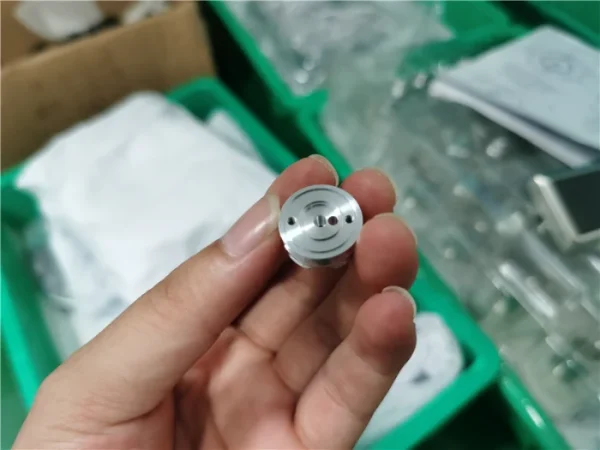
Stainless steel
Stainless steel offers strong corrosion resistance and a smooth, easy-to-clean surface. It is primarily used in kitchen equipment components, medical devices, building materials and construction, as well as automotive parts.
Color : Silver.
Types : Stainless steel 304/316/201/202/430/444/410/420/440c/2205/2507/17-4ph/17-7ph.
Surface finish : Polishing, Brushing, Sandblasting, Electroplating, Spraying, PVD (Physical Vapor Deposition), Passivation, Pickling, Coloring.
Delivery time : 2-5 days.
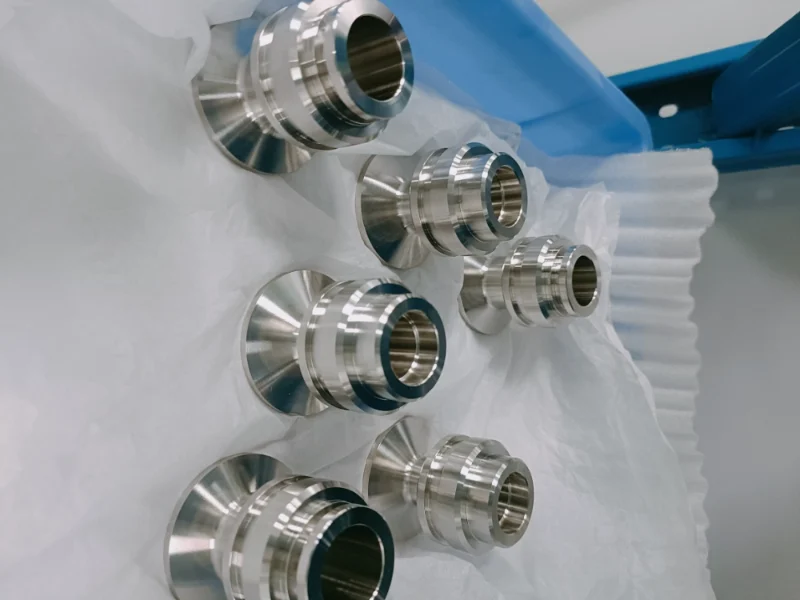
Steel
Steel is an iron–carbon alloy with added elements like chromium and nickel, offering properties such as high strength, toughness, and corrosion resistance.It is widely used for components like bolts, gears, cutting tools, as well as engine valves and turbine blades.
Color : Silver .
Types : Steel S20C,S45C,S50C,SK85,SK95,40Cr,4140,4130,H13,D2,W1,A2,D2,M2,SKD11,ASP-23,S136.
Surface finish :Sandblasting, Mirror Finish, PVD Coating, Brushed Finish, Spray Coating, Electroplating.
Delivery time : 1-5 days
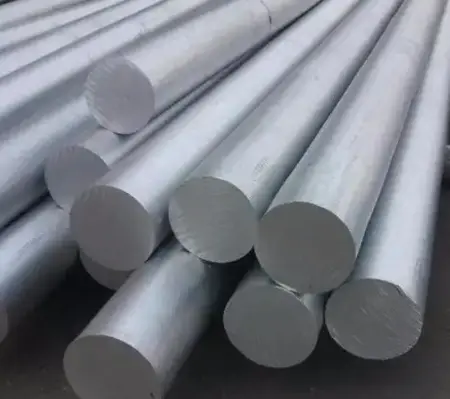
Magnesium
Magnesium has low density, good thermal conductivity, and low cutting resistance, improving CNC efficiency and reducing tool wear.With a high strength-to-weight ratio and excellent damping, it is ideal for aerospace, automotive, and electronics applications.
Color : Silver.
Types : Magnesium alloy AZ91D/AM60B/AM50A/AS41B/ZK60/MB8/AZ31/WE43/ZE41/LA141/LZ91.
Surface finish : Chemical conversion coating, anodizing, nickel plating, electroplating, composite coating, spray painting, powder coating, electrophoretic coating.
Delivery time : 1-5 days.
Plastic material :
Common process:FDM,SLA,DLP,SLS,MJF
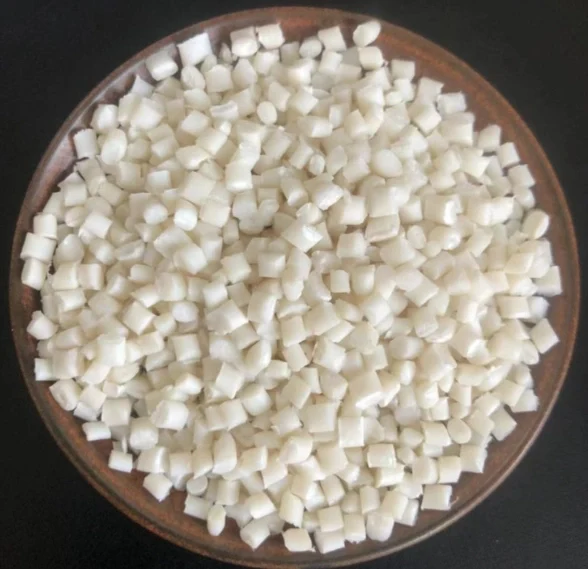
PLA
PLA is a biodegradable, eco-friendly material used for lightweight parts and models.
Color : white,black,grey,red,green,blue,yellow, etc.
Types : Pure PLA, Modified PLA, Composite PLA, Food-grade/Medical-grade PLA.
Surface finish :Grinding and polishing, chemical treatment, spraying and electroplating, plasma treatment, surface coating, heat treatment.
Delivery time : 1-5 days.
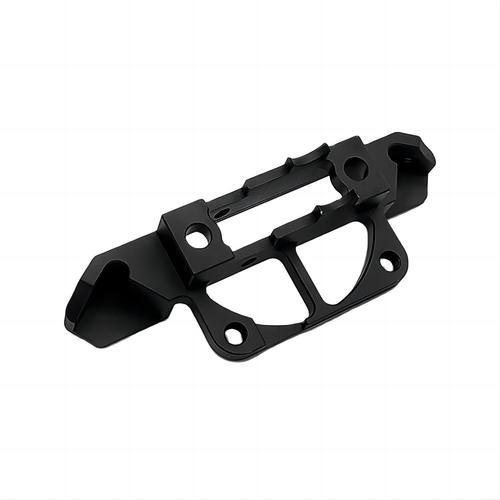
ABS
ABS offers impact resistance, toughness, and rigidity, ideal for enclosures and auto parts.
Color : Beige,black.
Types : General-purpose, flame-retardant, heat-resistant, high-impact-resistant, transparent (MBS), filled modified, alloyed, functionalized ABS.
Surface finish :Spray coating, electroplating, screen printing, laser engraving, hot stamping, vacuum coating, water transfer printing, sandblasting, anti-fingerprint coating.
Delivery time : 1-5 days.
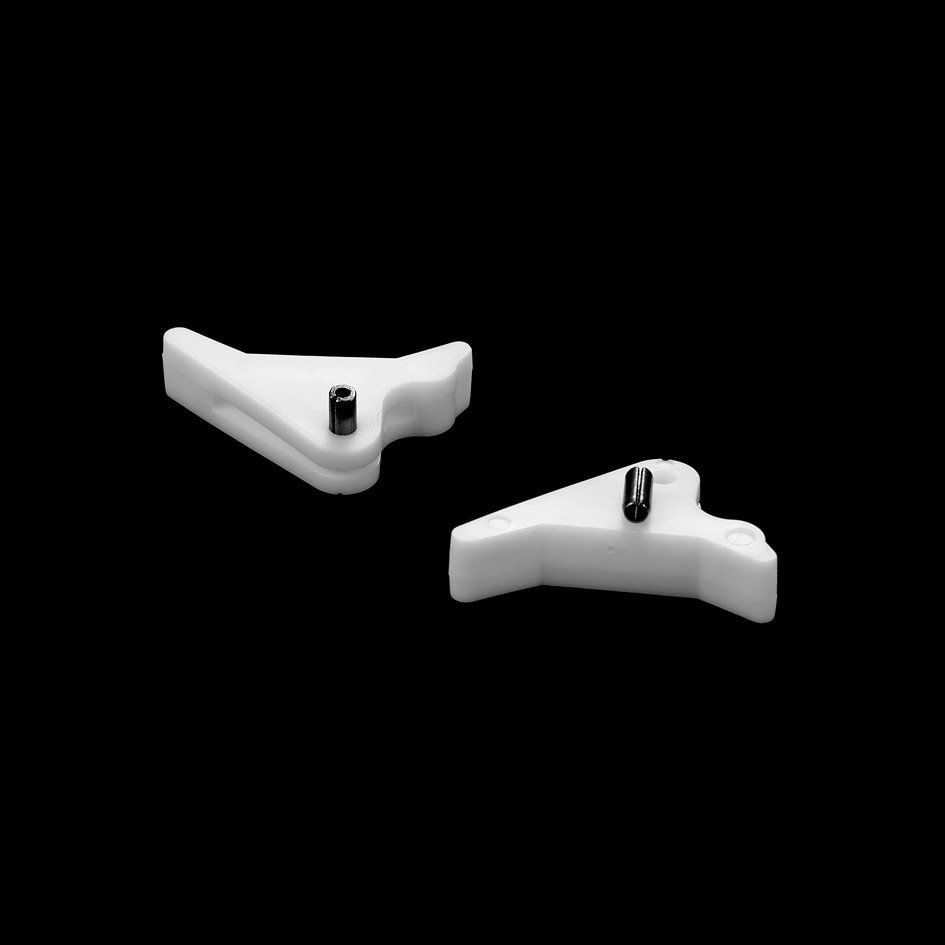
PC
High-toughness thermoplastic for CNC machining, ideal for durable, insulated parts.
Color : white or black.
Types : General Machinable/Flame Retardant/Reinforced/Blended PC.
Surface finish : Polishing, Hardening, Spraying, Laser Engraving, Electroplating, Hot Stamping.
Delivery time : 1-5 days.
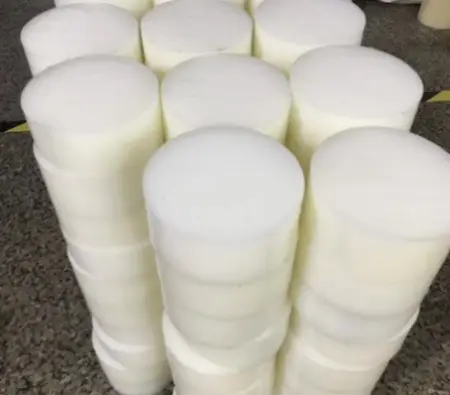
PA
High-strength thermoplastic with excellent wear resistance and low friction, used for durable mechanical parts.
Color : natural (off-white), black.
Types : PA6 / PA66 / Glass-Filled / Oil-Filled / Reinforced PA.
Surface finish : Polishing, Sandblasting, Dyeing, Laser Engraving.
Delivery : 1–5 days.
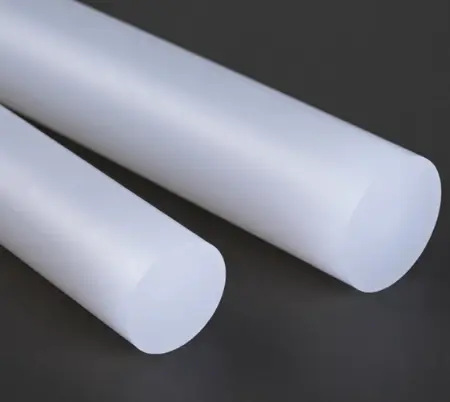
PP
Lightweight thermoplastic with excellent chemical resistance and fatigue resistance, used for corrosion-resistant and flexible parts.
Color : natural (white), black.
Types : Homopolymer / Copolymer / Glass-Filled / Reinforced PP.
Surface finish : Sandblasting, Polishing, Printing, Laser Marking.
Delivery : 1–5 days.
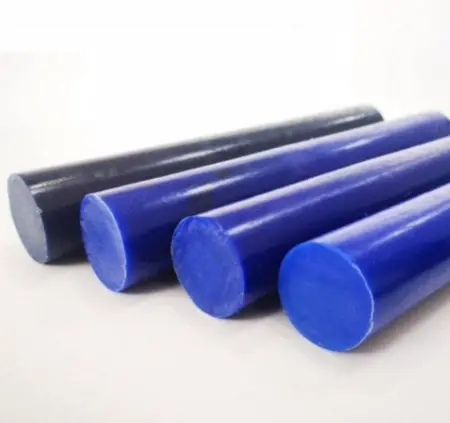
PE
Lightweight thermoplastic with excellent chemical resistance and low friction, suitable for 3D printing of durable, wear-resistant parts.
Color : natural (white), black.
Types : HDPE / LDPE / UHMW-PE.
Surface finish : Sandblasting, Polishing, Dyeing.
Delivery : 1–5 days.
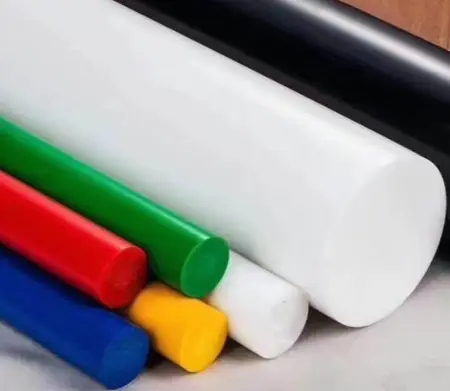
HDPE
Lightweight thermoplastic with excellent chemical resistance, impact strength, and low moisture absorption, suitable for 3D printing of durable functional parts.
Color : natural (white), black.
Types : Standard HDPE / Recycled HDPE / Modified HDPE.
Surface finish : Sanding, Polishing, Dyeing,Flame Treatment,Laser .
Delivery : 1–5 days.
3D printing capability
| ITEM | SPECIFICATION |
|---|---|
| MAXIMUM VOLUME | 750×550×550mm, Precision ±0.05mm |
| MINIMUM WALL THICKNESS | ≥0.8mm (FDM) / 0.3mm (SLA) |
| HOLE DIAMETER | ≥1.5mm |
| DIMENSIONAL TOLERANCE | Precision Grade ±0.1mm,Standard Grade ±0.3mm |
3D printing guide
| ITEM | SPECIFICATION |
|---|---|
| LAYER THICKNESS | Fine models: 0.05-0.1mm; Quick prototypes: 0.2mm |
| INFILL DENSITY | Structural parts: 70%-100%; Decorative parts: down to 20% |
| SUPPORT STRUCTURE | Add soluble or manually removable supports for complex models to avoid sagging in overhanging areas. |
| FIRST LAYER INSPECTION | Observe whether the first layer adheres evenly. Readjust if the edges lift. |
| MID-PRINT INSPECTION | Check material level and nozzle status every 2-3 hours to prevent running out of material or clogging. |
| ENVIRONMENT CONTROL | Maintain stable temperature (18-28°C) and avoid material absorption of moisture. |

Advantage of 3d printing
Design Freedom: Enables integrated molding of complex structures (e.g., topology-optimized parts, lattice supports) unattainable through traditional manufacturing methods
Rapid Iteration: Reduces product development cycles by 60%; a certain automotive component achieved design-to-prototype in just 3 days
Material Utilization: Powder bed process achieves >90% material recovery rate, saving 70% material compared to milling
Customized Production: Enables patient-specific implants in medical applications (e.g., titanium alloy cranial repair plates)
Weight Reduction: Aeronautical components achieve 30% weight reduction, boosting fuel efficiency by 15%.
Application of 3d printing
Medical:Applications in healthcare include customized prosthetics, dental braces, surgical guides, and bioprinting (e.g., skin, organs).
Automotive:3D printing is used to manufacture automotive components, prototype vehicles, and customized interior fittings.
Consumer Electronics:It produces casings and internal structural parts for consumer devices like smartphones and headphones.
Architecture:3D printing enables the creation of architectural models, aiding designers and clients in visualizing design concepts.
Education:3D printing provides tangible teaching tools for educational settings, helping students better comprehend three-dimensional spaces and object structures.
FAQ of 3D printing
How to Address Surface Roughness in 3D Printed Parts?
① For SLA printing: Use 10μm layer thickness + post-curing (UV at 60°C for 2 hours);
② For FDM, use a 0.4mm nozzle + cooling fan at full speed
What are the key post-processing steps for metal 3D printing?
① Powder removal (sandblasting at 0.3MPa pressure);
② Hot isostatic pressing (HIP at 1200℃/100MPa) to eliminate internal voids;
③ CNC finishing (achieving ±0.02mm precision)
How to choose between PLA and ABS printing?
PLA is suitable for low-stress applications (models, teaching aids), while ABS is ideal for functional testing (e.g., snap-fit structures, impact-resistant components).
How to prevent warping in large-scale prints?
① Increase heated bed temperature to 110°C (ABS);
② Enable “Brim” (5mm width);
③ Maintain ambient printing temperature at 25±2°C.