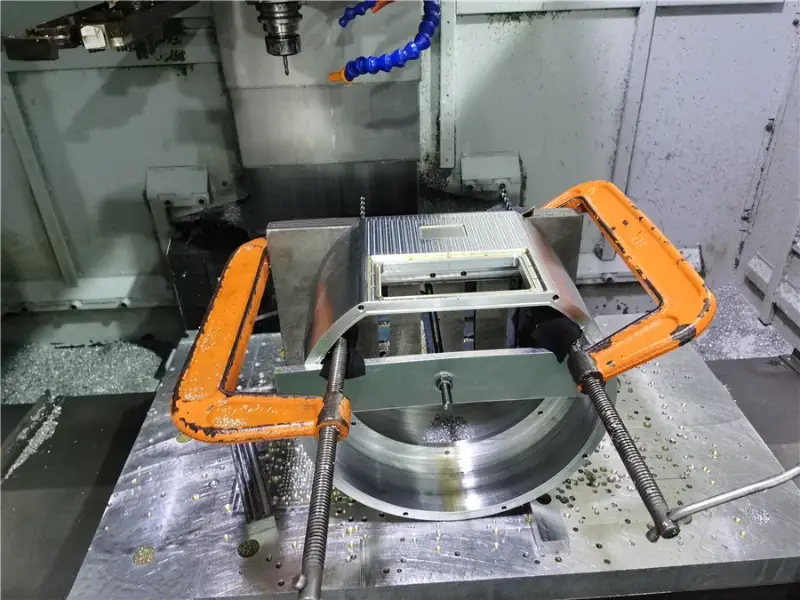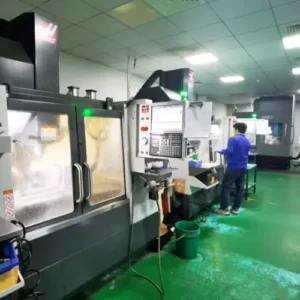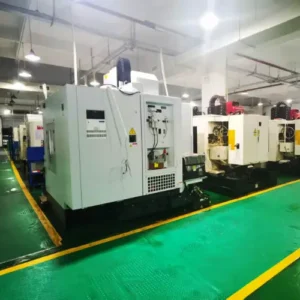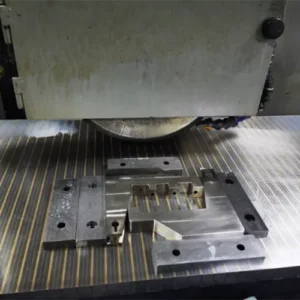
When comparing 6061 vs 7075 aluminum, understanding the differences in hardness, strength, and machinability is essential for selecting the right material. These two alloys are widely used across industries, from general structural components to high-performance aerospace applications. This article explores their key differences in hardness, cost, processing methods, and joining capabilities to help you make an informed choice.
What is hardness
Hardness is a physical indicator used to measure a material’s resistance to local deformation such as indentation, scratching, and wear on its surface. Common units include HRC (Rockwell), HBW (Brinell), and HV (Vickers). Among them, HRC is mostly used for quenched steels and tool steels, HBW is suitable for softer metals such as cast iron and mild steel, and HV is commonly used for thin parts, surface coatings, and hard alloys. The level of hardness directly determines a material’s wear resistance and load-bearing capacity.
Why compare the hardness of 6061 and 7075
Comparing the hardness of these two aluminum alloys is to select the right material based on load, wear resistance, machining, and application scenarios. Hardness directly affects their strength, wear resistance, deformation resistance, and machining difficulty. 6061 is more general-purpose and easier to machine, while 7075 has higher hardness and strength but is more difficult to process. In applications such as aerospace structures, load-bearing brackets, and molds and fixtures, the performance differences will directly impact product lifespan and safety, so hardness comparison is necessary to determine suitability.
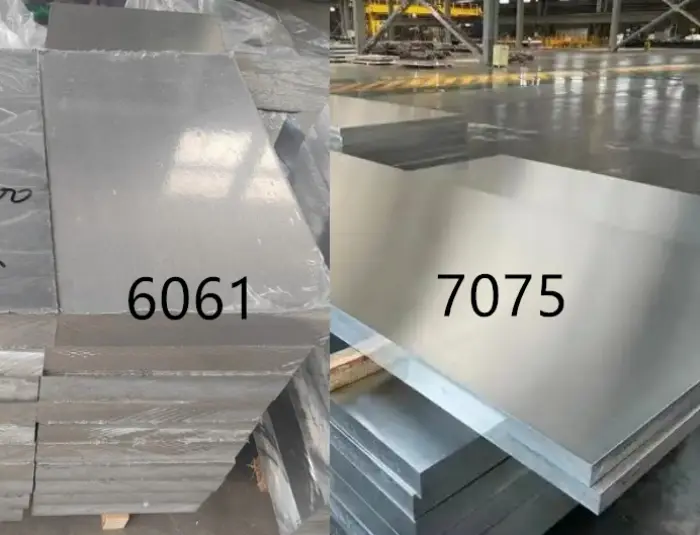
6061 vs 7075 aluminum hardness
What is the hardness of 6061
6061 aluminum alloy is most commonly used in the T6 condition, with a Brinell hardness of about 95 HBW and a Vickers hardness of about 107 HV. It is a medium-hardness aluminum material with a good balance of strength and toughness. It is widely used in aerospace structural parts, automotive components, automation equipment frames, heat sinks, fixtures, and general mechanical structures. It supports various conventional machining processes such as turning, milling, drilling, tapping, bending, welding, anodizing, and sandblasting, offering excellent machinability and strong versatility in industrial manufacturing.
What is the hardness of 7075
7075 aluminum alloy (T6 condition) has a Brinell hardness of about 150 HBW and a Vickers hardness of about 160 HV, belonging to ultra-high-strength aluminum alloys. It is mainly used in aerospace structural parts, aircraft landing gear, drone frames, high-end bicycle frames, automotive suspension components, precision molds, fixtures, high-load robotic structures, and military firearm parts. It supports CNC milling, turning, drilling, tapping, forging, deep hole drilling, anodizing, sandblasting, and polishing. However, it has poor weldability, is prone to cracking during cold bending, tends to stick to tools during machining, causes rapid tool wear, is sensitive to heat deformation, requires strict control of cutting parameters and cooling methods, and has high internal stress that may lead to warping or cracking. Overall, its machining difficulty is significantly higher than 6061.
Which is more expensive, 6061 or 7075
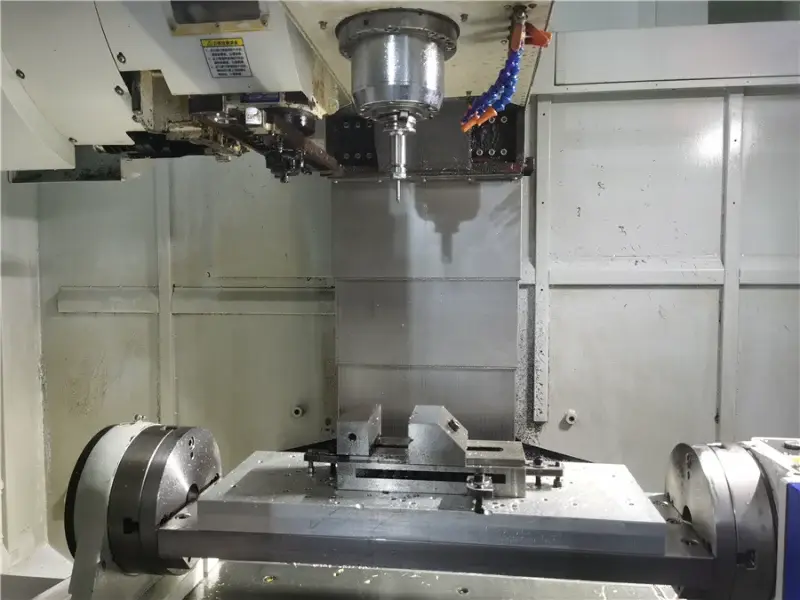
Under the same specifications and conditions, 7075 aluminum alloy is significantly more expensive than 6061. Taking commonly used T6 extrusions as an example, 6061 costs approximately 2.5–4.0 USD/kg, offering high cost-performance, controllable cost, and lower machining expenses. In contrast, 7075, as an aerospace-grade high-strength alloy, has higher raw material and production costs, typically priced at 6.0–9.0 USD/kg. Its higher hardness and machining difficulty further increase cutting and tool wear costs, making the overall cost more than 50% higher than 6061. Therefore, both material price and total manufacturing cost of 7075 are much higher than 6061.
How to harden 6061 and 7075 aluminum
Both 6061 and 7075 are heat-treatable aluminum alloys, mainly hardened through solution treatment followed by aging. The process principles are similar, but parameters and results differ.
For 6061 aluminum alloy, conventional hardening uses solution quenching followed by artificial aging (T6 treatment), achieving a hardness of about 95 HBW. The process is relatively mild with lower internal stress. Natural aging (T4) can also be used to achieve medium hardness for general structural applications.
For 7075, as an ultra-high-strength aluminum alloy, hardening is also achieved through solution quenching and artificial aging. After T6 treatment, hardness can reach around 150 HBW. However, it requires stricter control of heat treatment temperature and holding time, faster quenching rates, and tends to generate higher internal stress. Neither alloy typically relies on cold working as the main strengthening method, as it only slightly increases hardness while reducing toughness and increasing cracking risk. Additionally, after hardening, 7075 shows reduced weldability and bendability, requiring attention to stress relief during machining, while 6061 still maintains good overall machinability.
Can 6061 and 7075 be welded together
6061 and 7075 aluminum alloys can theoretically be welded together, but it is not recommended in practice. The main reason is that 7075 is a high-strength aluminum alloy with poor weldability, prone to hot cracking, and significant strength reduction after welding (the welded area may drop to less than half of the original strength), especially in the heat-affected zone, where its strength advantage is greatly weakened.
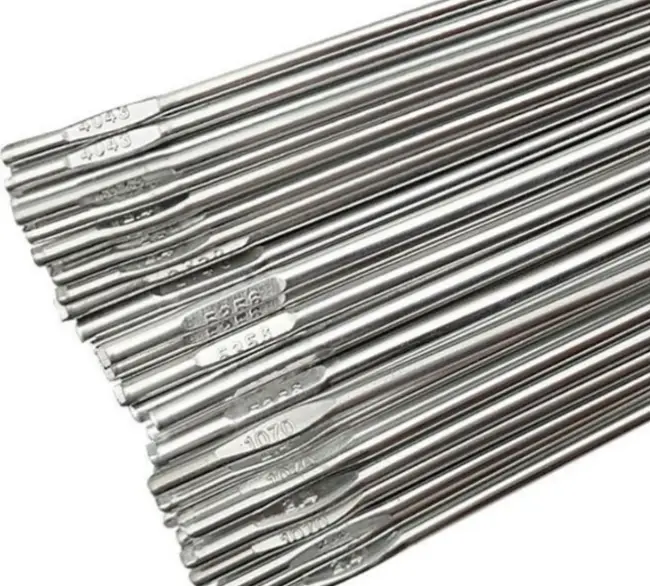
If welding is necessary, TIG welding is generally used with ER4043 or ER5356 filler wire, along with controlled heat input and preheating. However, in engineering applications, mechanical fastening such as bolts, riveting, or structural adhesives is preferred to ensure overall structural strength and stability.
Can 6061/7075 aluminium be brazed?
6061 and 7075 aluminum alloys can be brazed, but the feasibility and results are limited. 6061 has better brazing performance, while 7075, due to higher zinc, magnesium, and copper content, is prone to intergranular corrosion, narrow melting range, and structural embrittlement during heating. Therefore, strict temperature control is required to avoid weak joints or defects.
In practical applications, aluminum-based filler materials (such as Al-Si) are typically used along with a protective atmosphere (such as argon or nitrogen) or vacuum environment to reduce oxidation and defects. However, the brazed joint strength is usually much lower than the base material, especially failing to utilize the high strength of 7075 (it is recommended to use welding repair only for non-critical damage to reduce material waste and improve production efficiency). Therefore, mechanical connections or other joining methods are still preferred for structural or high-strength applications.
Do 6061 and 7075 support aluminum extrusion?
Both 6061 and 7075 aluminum alloys support extrusion processes, but their extrusion difficulty and application scenarios differ greatly. 6061 is a very commonly used extrusion alloy with excellent extrusion performance, allowing easy formation of complex cross-sectional profiles with stable shaping and high yield, making it the most mainstream choice for industrial profiles, heat sinks, frames, and brackets.
Although 7075 can also be extruded, its high zinc content combined with magnesium and copper forms a high-strength alloy system with poor high-temperature plasticity and low fluidity. It has high extrusion resistance, is prone to die sticking and cracking, causes significant mold wear, and usually limits cross-sectional designs to simpler shapes. It is mainly used in aerospace and high-strength structural applications where strength requirements are extremely high, with extrusion cost and difficulty far exceeding those of 6061.
Conclusion
Overall, 6061 is a versatile, cost-effective aluminum alloy with good machinability and balanced performance, making it ideal for general applications. In contrast, 7075 offers significantly higher hardness and strength but comes with higher cost and processing difficulty. Choosing between them depends on whether the priority is ease of manufacturing and flexibility (6061) or maximum strength and performance (7075).if you want know more details or get quote of aluminum machining,you can feel free to contact with us.