








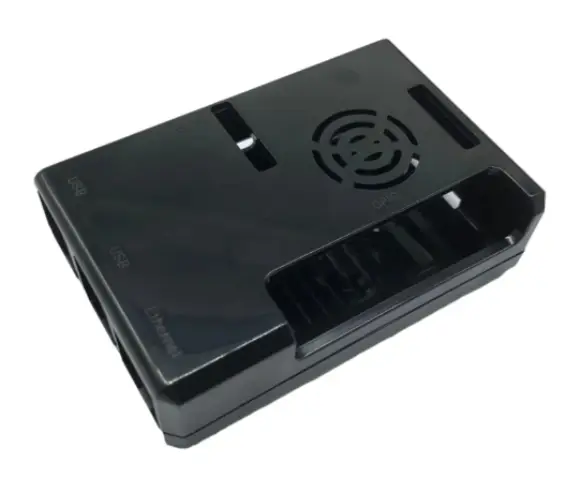
ABS CNC Machining
ABS offers excellent impact resistance, heat resistance, and machinability, making it ideal for electronics, automotive parts, and toys
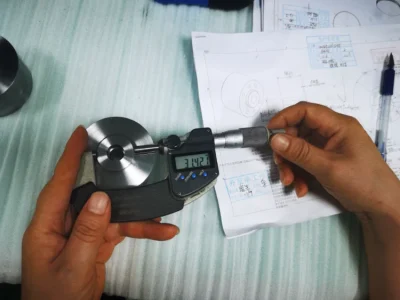
Tolerance: ±0.02mm
MOQ: prototype welcomed.
Delivery time: 1-7 days
Process range:
- CNC machining
- Molding
- Thermoforming
- Laser cutting
- Surface finish
What is ABS cnc machining ?
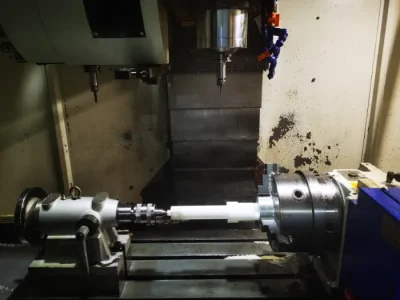
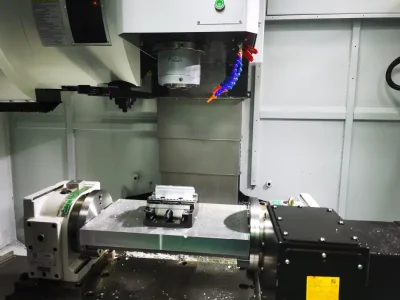
ABS CNC machining is a process for precision milling, drilling, tapping, and other machining operations on engineering plastics ABS.
Properties of ABS material
Mechanical Properties: High toughness and impact resistance, suitable for manufacturing parts that can withstand external forces.
Chemical Stability: Resistant to acids, alkalis, and oils, adaptable to complex environments.
Processing Performance: Easy to cut, melting point approximately 220℃, not prone to cracking during processing.
Surface Texture: Smooth surface after machining, suitable for direct spraying or electroplating.
Electrical Insulation: Suitable for electronic product casings and structural components.
Advantages of ABS CNC machining:
High precision: Micron-level precision, meeting the requirements for complex geometric machining.
Flexibility: Mold-free machining based on CAD models, suitable for small-batch and prototyping.
High efficiency: Automation shortens cycle time and saves labor costs.
High material utilization: Less waste than injection molding, suitable for high-value ABS.
Excellent surface quality: Smooth surface after machining, allowing for direct assembly and reducing post-processing.
Types of ABS Materials and Mechanical Properties
| Grade | Tensile Strength (MPa) | Flexural Modulus (GPa) | Notched Impact (kJ/m²) | Heat Deflection Temperature (°C) | Key Features | Typical Applications |
|---|---|---|---|---|---|---|
| General ABS | 33–52 | 2.0–2.6 | 15–25 | 85–95 | Balanced performance, easy processing, high gloss | Home appliance housings, daily products |
| High-Impact ABS | 33–44 | 1.8–2.2 | 25–50 | 85–95 | Excellent impact resistance, high toughness, high butadiene content | Automotive interiors, safety helmets, power tools |
| Heat-Resistant ABS | 41–52 | 2.1–2.8 | 10–20 | 110–125 | High temperature resistance, high heat distortion, good rigidity | Automotive engine compartments, high-temperature appliance components |
| Transparent ABS (MABS) | 42–50 | 2.0–2.2 | 14–20 | 80–92 | High light transmittance, chemical resistance, tougher than PMMA | Medical transparent parts, food containers, transparent housings |
| Glass Fiber Reinforced ABS (20–30%) | 70–100 | 6.0–8.0 | 5–10 | 100–120 | High strength, high rigidity, dimensional stability | Structural parts, automotive components, precision gears |
| Flame-Retardant ABS (UL94 V-0) | 35–45 | 2.2–2.7 | 15–25 | 85–95 | Flame retardant, electrical insulation, low smoke | Electronic and electrical housings, sockets, charging piles |
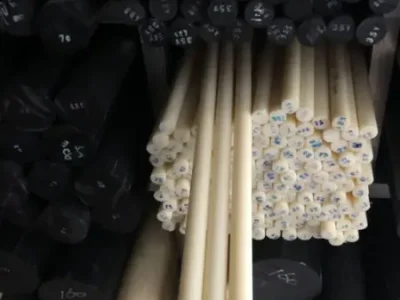
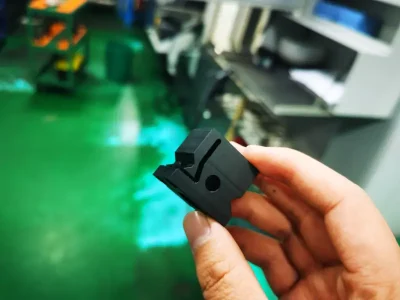
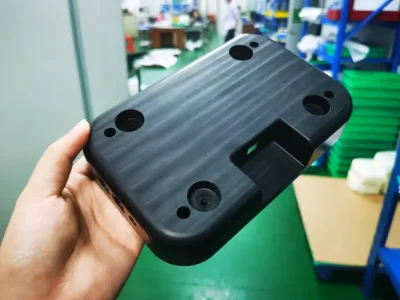
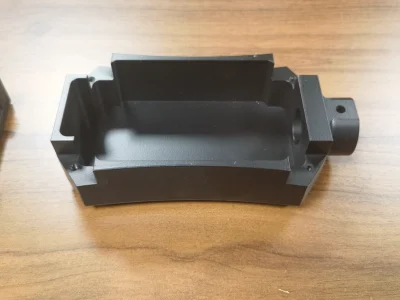
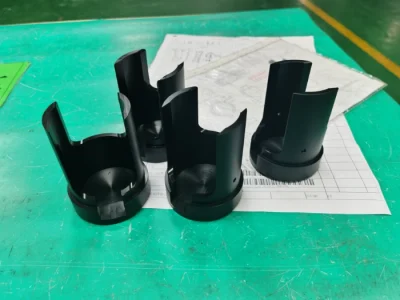
Surface finish for cnc machined ABS parts
Based on over 15 years of CNC machining experience, we have compiled the following list of surface finish processes used for various precision-machined parts made from ABS material.
| Surface Treatment | Description | Typical Applications |
|---|---|---|
| Polishing | Mechanical polishing removes tool marks and minor surface scratches, improving smoothness and appearance. | Cosmetic parts, display components |
| Sandblasting | Abrasive media is blasted onto the surface to create a uniform matte or textured finish. | Reducing glare, hiding machining marks |
| Painting / Spray Coating | Surface coating provides color, protection, and enhanced visual appeal. | Enclosures, housings, aesthetic parts |
| Silk Screen Printing | Logos, symbols, or text are printed onto the ABS surface. | Control panels, branding |
| UV Printing | Digital UV printing directly applies patterns or graphics with strong adhesion and durability. | Custom graphics, markings |
| Laser Engraving | Laser marking creates permanent text, logos, or serial numbers on the surface. | Identification, traceability |
| Vapor Smoothing | Chemical vapor treatment slightly melts the surface to achieve a smooth, glossy finish. | High-gloss appearance, sealed surfaces |
| Electroplating (ABS Plating) | Metallization process after special surface pretreatment to create a metallic appearance. | Decorative parts, premium finishes |
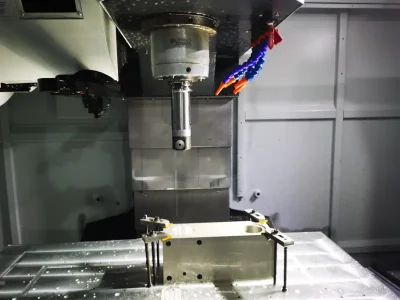
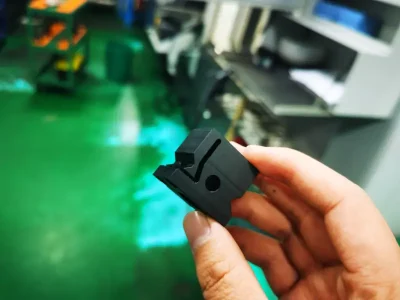
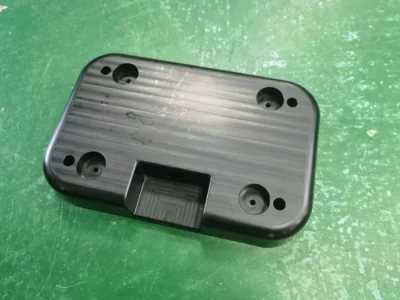
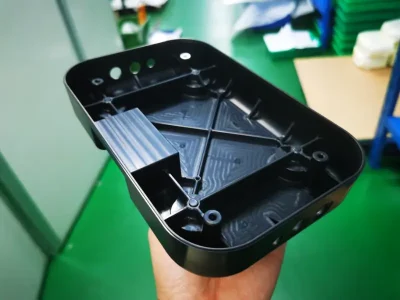
Application of cnc machined ASB parts
ABS CNC machining is widely used in the following industries:
Electronic : Mobile phone casings, tablet stands, router casings, etc.
Automotive : Dashboards, door panels, headlight casings, and other interior parts.
Home Appliances: Washing machine control panels, refrigerator drawers, air conditioning vents, etc.
Toy : Building blocks, model cars, robot casings, etc.
Medical Equipment: Equipment casings, handles, support structures, etc. (must meet medical-grade ABS standards).
Industrial Equipment: Sensor casings, connectors, protective covers, etc.
Key Considerations for ABS CNC Machining:
Material: Prefer machine-grade ABS to minimize deformation.
Tools: Use sharp, plastic-specific tools to prevent excessive cutting depth that could cause deformation and vibration.
Parameters: Optimize cutting speed, feed rate, and depth of cut to prevent overheating and deformation.
Clamping: Use reliable clamps to prevent excessive compression deformation.
Coolant: Choose a non-aromatic, water-soluble coolant to prevent ABS contamination.
Annealing: Pre-treatment to relieve internal stress and reduce deformation.
Surface Finish: Polish, electroplat, or spray paint as needed to improve performance and appearance.
FAQ of abs cnc machining
Is ABS material prone to deformation during CNC machining? How can this be avoided?
ABS material is prone to deformation due to internal stress or processing heat. Prevention methods include:
Annealing before machining (e.g., baking at 60-80℃ for 2-4 hours) to eliminate internal stress;
Optimizing cutting parameters (reducing feed rate, controlling depth of cut);
Using sharp tools to reduce cutting forces;
Using reliable fixtures to secure the workpiece and avoid vibration.
What if the surface roughness of ABS CNC machined does not meet standards?
This can be improved through the following methods:
Tool selection: Use a dedicated plastic end mill (double-edged spiral end mill) to reduce burrs;
Cutting parameters: Increase spindle speed (e.g., 10,000-18,000 RPM), reduce feed rate;
Post-treatment: Manual polishing, sandblasting, or applying a clear coat to improve surface smoothness.
Is ABS CNC machining suitable for mass production?
ABS CNC machining is more suitable for small batches (1-100 pieces) or prototype production for the following reasons:
Cost advantage: No mold costs, lower unit cost than injection molding;
Flexibility: Designs can be quickly modified to adapt to product iterations;
Limitations: For large batches, injection molding (lower unit cost, higher efficiency) is more economical.
How to choose a coolant when machining ABS? Can water-based coolants be used?
A:Recommended coolant: Non-aromatic water-soluble coolants (such as emulsions), which effectively cool the ABS without corroding it; Oil-based coolants are prohibited: Oil-based coolants commonly used in metal processing will contaminate the ABS surface, affecting subsequent painting or electroplating; Dry cutting alternative: For thin-walled or precision parts, high-pressure air cooling can be used to reduce thermal deformation.
What are the main differences between ABS CNC machined parts and injection molded parts?
CNC machining offers high precision and requires no molds, making it suitable for small-batch customization, complex structures, and high-precision requirements, but the cost per unit is higher. Injection molding offers low cost for mass production, but it relies on molds, and precision is limited by mold design.