PET и PETG — это термопластичные полиэфиры, однако они не являются взаимозаменяемыми материалами. PET представляет собой обширное семейство материалов, в которое входят продукты бутылочного, пленочного, волоконного и инженерного назначения. В обрабатывающей промышленности термин «PET-P» или «PETP» обычно обозначает полукристаллический ПЭТ инженерного назначения. PETG, в свою очередь, представляет собой модифицированный аморфный сополиэстер, известный своей прозрачностью, прочностью и термоформованностью.
Для обработки на станках с ЧПУ материал PET-P обычно выбирают благодаря его жесткости, износостойкости, устойчивости к ползучести и стабильности размеров, что делает его подходящим для изготовления прецизионных конструкционных деталей, шестерен, втулок и направляющих элементов. PETG чаще используется для изготовления прозрачных крышек, смотровых окон, панелей и защитных элементов, подвергающихся небольшим нагрузкам. В данной статье сравниваются их химическая структура, механические свойства, физические и термические характеристики, электрические свойства, химическая стойкость, обрабатываемость на станках с ЧПУ, а также критерии выбора материала.
Что такое ПЭТ и ПЭТГ?
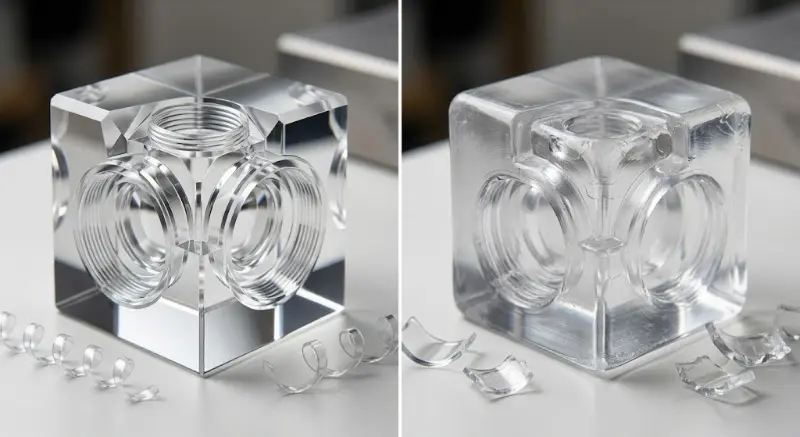
PET и PETG относятся к одному и тому же семейству термопластичных полиэфиров, однако их структура и приоритетные эксплуатационные характеристики различаются. PET представляет собой базовое семейство материалов, PET-P — это широко используемое название полукристаллического ПЭТ инженерного назначения, а PETG — модифицированная сополимером разновидность ПЭТ.
Что такое ПЭТ?
PET означает Полиэтилентерефталат. Обычно его получают путём поликонденсации терефталевой кислоты и этиленгликоля. В зависимости от степени кристалличности, марки и способа переработки ПЭТ может использоваться для производства бутылок, плёнок, волокон и технических деталей. В результате различные изделия из ПЭТ могут значительно различаться по прозрачности, жёсткости, термостойкости и механическим характеристикам.
В данной статье под термином «ПЭТ» в основном подразумевается инженерный ПЭТ, используемый для производства листов, прутков и деталей, обрабатываемых на станках с ЧПУ, а не обычный ПЭТ, предназначенный для производства бутылок или плёнок. Инженерный ПЭТ, как правило, отличается высокой жёсткостью, низким поглощением влаги и хорошей стабильностью размеров, что делает его подходящим для изготовления деталей, требующих точной подгонки или способных выдерживать длительные нагрузки.
Что такое ПЭТ-П?
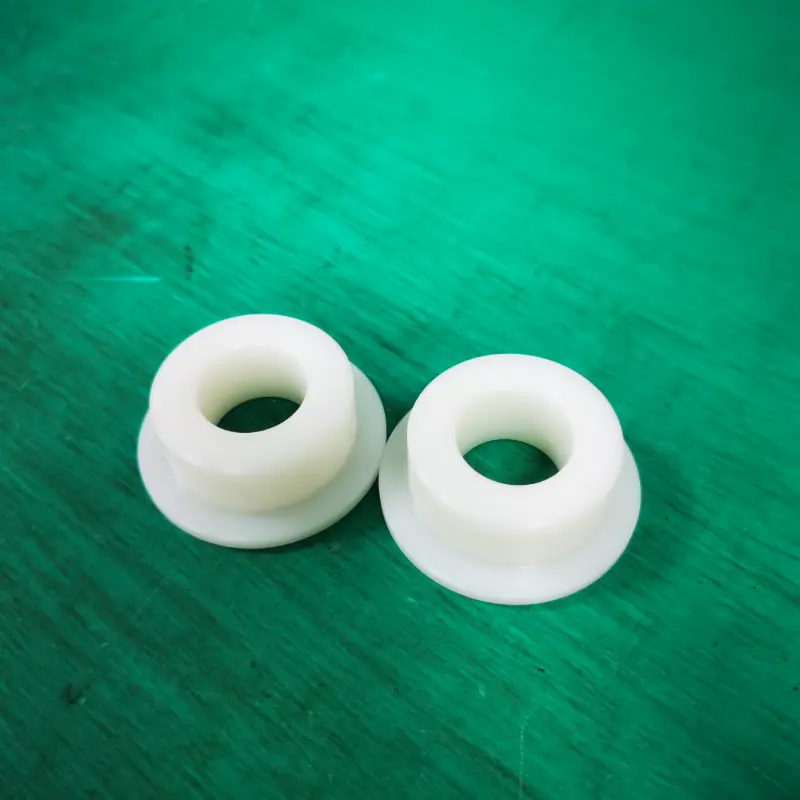
PET-P, также обозначается как ПЭТП, как правило, обозначает полукристаллическую техническую разновидность ПЭТ. Это не отдельный полимер, а разновидность ПЭТ, разработанная с целью повышения механической прочности, стабильности размеров, износостойкости и обрабатываемости. Обычно он поставляется в виде листов, прутков и труб.
Из материала PET-P часто изготавливают зубчатые колеса, втулки, ролики, направляющие элементы, электрические изоляторы, а также прецизионные конструкционные детали. По этой причине механические и обрабатываемостные свойства ПЭТ, рассматриваемые в данной статье, в основном относятся к ПЭТ-П.
Что такое PETG?
PETG — это аббревиатура от Полиэтилентерефталат, модифицированный гликолем. Его получают путем введения в полимерную систему ПЭТ таких сомономеров, как CHDM, что снижает склонность материала к кристаллизации и позволяет ему оставаться преимущественно аморфным.
Благодаря такой структуре PETG обладает высокой прозрачностью, хорошей прочностью и широкими возможностями обработки. Этот материал широко используется для изготовления прозрачных защитных кожухов, смотровых окон, панелей и корпусов. PETG также поддается фрезерованию на станках с ЧПУ, сверлению, резке и токарной обработке, хотя его относительно мягкая поверхность делает его более чувствительным к нагреву при резке, царапинам и давлению зажима.
Краткое сравнение PET и PETG
В приведенной ниже таблице представлены восемь факторов, имеющих наибольшее значение для обработки на станках с ЧПУ и выбора материала.
| Коэффициент сравнения | ПЭТ / ПЭТ-П | PETG |
|---|---|---|
| Жесткость | Высокая; подходит для несущих деталей | Средняя; подходит для деталей, подвергающихся небольшим нагрузкам |
| Ударная вязкость | Умеренный | Выше |
| Стабильность размеров | Хорошо; подходит для жестких допусков | Умеренный |
| Износостойкость | Хорошо | Ограниченный |
| Термостойкость | Выше | Нижняя часть и более чувствительная к нагреву |
| Поглощение влаги | Низкий | Низкий |
| Возможность обработки на ЧПУ | Хорошо подходит для токарной, фрезерной, сверлильной и резьбонарезной обработки | Поддается механической обработке, но необходимо контролировать тепловыделение при резке |
| Распространенные проблемы при механической обработке | Заусенцы и деформация тонкостенных деталей | Плавление, прилипание к инструменту и появление царапин на поверхности |
В целом, PET-P лучше подходит для изготовления прецизионных, износостойких и несущих нагрузку деталей, тогда как PETG более подходит для изготовления прозрачных, ударопрочных и подвергающихся небольшим нагрузкам деталей.
Химический состав и молекулярная структура
ПЭТ получают в результате поликонденсации терефталевой кислоты (ПТА) и этиленгликоля (ЭГ). В зависимости от условий обработки он может образовывать либо аморфную, либо полукристаллическую структуру. ПЭТ-П, используемый для обработки на станках с ЧПУ, обычно является полукристаллическим, что обеспечивает ему более высокую жёсткость, износостойкость и стабильность размеров.
PETG — это модифицированный сополиэстер, получаемый путем введения в полимерную цепь ПЭТ таких сомономеров, как CHDM. Такая модификация подавляет кристаллизацию, благодаря чему PETG сохраняет преимущественно аморфную структуру. В результате PETG обладает лучшей прозрачностью и ударной вязкостью, однако его жёсткость, термостойкость и долгосрочная стабильность размеров, как правило, ниже, чем у PET-P.
Механические свойства
Приведенные ниже значения позволяют сравнить типичные инженерные материалы PET-P и PETG. Фактические значения могут варьироваться в зависимости от марки, толщины, температуры и метода испытаний.
| Механические свойства | ПЭТ / ПЭТ-П | PETG |
|---|---|---|
| Предел текучести при растяжении | Приблизительно 83 МПа | Приблизительно 50 МПа |
| Модуль упругости при растяжении | Приблизительно 3,17 ГПа | Приблизительно 2,03 ГПа |
| Прочность на изгиб | Приблизительно 117 МПа | Приблизительно 68 МПа |
| Модуль упругости | Приблизительно 3,31 ГПа | Приблизительно 2,06 ГПа |
| Относительное удлинение при разрыве | Прибл. 30% | Прибл. 180% |
| Ударная вязкость по методу Изода с надрезом | Прибл. 27 Дж/м | Приблизительно 105 Дж/м |
| Твёрдость по Роквеллу | Приблизительно 125 рандов | Приблизительно 108 рандов |
Прочность на разрыв и жесткость
PET-P, как правило, обладает более высоким пределом текучести при растяжении и модулем упругости при растяжении, чем PETG, благодаря чему он менее подвержен деформации или потере формы под нагрузкой. Поэтому он лучше подходит для изготовления опорных элементов, монтажных блоков, деталей с прецизионной посадкой, а также компонентов, подвергающихся постоянным механическим нагрузкам.
PETG отличается меньшей жесткостью, но большей пластичностью, благодаря чему он лучше подходит для изготовления прозрачных корпусов, защитных кожухов и конструкционных деталей, на которые не предъявляются требования по выдерживанию больших нагрузок.
Характеристики при изгибе
PET-P обладает прочностью на изгиб примерно 117 МПа и модулем упругости при изгибе около 3,31 ГПа, что обеспечивает ему более высокую устойчивость к изгибу. Благодаря этому материал подходит для изготовления длинных деталей, тонких опорных пластин и обработанных деталей, которые должны сохранять плоскостность.
PETG обладает более низким модулем упругости при изгибе и более подвержен деформации при постоянной нагрузке или повышенных температурах, в связи с чем он лучше подходит для применения в условиях неинтенсивной эксплуатации.
Ударопрочность и вязкость
PETG, как правило, обладает гораздо более высокими показателями относительного удлинения при разрыве и ударной вязкости с надрезом, чем PET-P. Этот материал способен выдерживать более значительные деформации до разрушения, что делает его подходящим для изготовления прозрачных защитных кожухов и корпусов, которые могут подвергаться ударам, падениям или вибрации.
При изготовлении из PET-P основное внимание уделяется жесткости и стабильности размеров, а не высокой ударной вязкости. Поэтому тонкостенные детали, острые углы и выемки следует проектировать с особой тщательностью, чтобы снизить концентрацию напряжений.
Твёрдость, износ и ползучесть
PET-P обычно обладает более высокой твердостью поверхности, чем PETG, что обеспечивает лучшую стойкость к вмятинам и износу. Этот материал обычно используется для изготовления зубчатых колес, втулок, роликов и направляющих элементов.
Кроме того, PET-P обладает более высокой стойкостью к ползучести, что позволяет ему более эффективно сохранять свои размеры при постоянной нагрузке. PETG, напротив, с большей вероятностью подвергается постепенной деформации под воздействием длительных нагрузок или при повышенных температурах.
Физические и тепловые свойства
Приведенные ниже значения являются типичными для листов из ПЭТ-П и ПЭТГ инженерного класса. Точные значения следует уточнять в техническом паспорте поставщика.
| Недвижимость | ПЭТ / ПЭТ-П | PETG |
|---|---|---|
| Плотность | Приблизительно 1,41 г/см³ | Приблизительно 1,27 г/см³ |
| Поглощение воды в течение 24 часов | Приблизительно 0,071 TP3T | Приблизительно 0,201 TP3T |
| Температура теплового прогиба при давлении 1,8 МПа | Приблизительно 116 °C | Приблизительно 68 °C |
| Коэффициент линейного теплового расширения | Приблизительно 5,9 × 10⁻⁵/°C | Приблизительно 7,0 × 10⁻⁵/°C |
| Номинальная рабочая температура | До примерно 110 °C | Как правило, от примерно −40 до 60 °C |
Плотность и поглощение влаги
PET-P немного плотнее, чем PETG, хотя оба материала характеризуются относительно низким водопоглощением. Более низкое водопоглощение и более высокая жесткость PET-P позволяют ему сохранять точность размеров в условиях изменяющейся влажности.
PETG также впитывает гораздо меньше влаги, чем такие материалы, как нейлон, однако, как правило, он демонстрирует меньшую стабильность размеров по сравнению с PET-P в условиях, требующих соблюдения жестких допусков или при длительной нагрузке.
Прозрачность и внешний вид
ПЭТ-П инженерного назначения обычно поставляется в натуральном, белом, сером или чёрном цвете. Его выбирают в первую очередь из-за механических характеристик, износостойкости и стабильности размеров, а не из-за прозрачности.
PETG, как правило, отличается высокой прозрачностью и блеском поверхности, благодаря чему этот материал подходит для изготовления смотровых окон, элементов дисплеев, прозрачных корпусов и защитных ограждений оборудования. Однако его поверхность более подвержена появлению царапин.
Термостойкость
При одинаковых условиях нагрузки ПЭТ-П, как правило, обладает гораздо более высокой температурой термического изгиба, чем ПЭТГ. Поэтому он лучше сохраняет жесткость и точность форм при повышенных температурах.
PETG более чувствителен к нагреву. При обработке на станках с ЧПУ чрезмерная скорость вращения шпинделя, недостаточная подача или неэффективный отвод стружки могут привести к размягчению материала, прилипанию инструмента и появлению расплавленных краев.
Тепловое расширение и стабильность размеров
PET-P, как правило, имеет более низкий коэффициент линейного теплового расширения, чем PETG, что приводит к меньшим изменениям размеров при изменении температуры. Благодаря этому он лучше подходит для изготовления деталей, требующих жестких допусков, точной посадки и долгосрочной стабильности размеров.
PETG лучше подходит в тех случаях, когда прозрачность, прочность или внешний вид имеют большее значение, чем строгий контроль размеров.
Электрические свойства
Приведенные ниже значения являются типичными для неармированных марок PET-P и PETG. На результаты могут влиять частота испытаний, толщина материала и метод испытаний.
| Электрические свойства | ПЭТ / ПЭТ-П | PETG |
|---|---|---|
| Диэлектрическая проницаемость | Приблизительно 3,4 | Приблизительно 2,4 |
| Диэлектрическая прочность | Приблизительно 20 кВ/мм | Прибл. 16,1 кВ/мм |
| Объёмное удельное сопротивление | Приблизительно 10¹⁸ Ом·см | Приблизительно 10¹⁵ Ом·см |
| Удельное сопротивление поверхности | Приблизительно 10¹⁶ Ом | Приблизительно 10¹⁶ Ом/кв. |
И PET-P, и PETG обладают высоким удельным электрическим сопротивлением и могут использоваться в качестве универсальных электроизоляционных материалов. PET-P, благодаря своей более высокой стабильности размеров, подходит для изготовления изоляционных блоков, опор и прецизионных электрических компонентов. PETG более подходит для изготовления прозрачных электрических кожухов и защитных панелей.
Стандартные материалы PET-P и PETG по своей природе не обладают антистатическими свойствами и не являются электропроводящими. В случаях, когда требуется контроль статического электричества, следует использовать марки, содержащие антистатические добавки или проводящие наполнители.
Химическая стойкость
PET-P и PETG не ржавеют, как металлы, однако воздействие несовместимых химических веществ может привести к разбуханию, размягчению, растрескиванию, потере прозрачности или снижению механической прочности.
| Химическая среда | ПЭТ / ПЭТ-П | PETG |
|---|---|---|
| Разбавленные кислоты | Хорошо | Хорошо |
| Масла и смазочные материалы | Хорошо | Хорошо |
| Моющие средства и мыльные растворы | Хорошо | Хорошо |
| Спирты | Как правило, это допустимо | Как правило, это допустимо |
| Сильные щелочи | Плохо; возможен гидролиз | Ограничено; возможно появление вздутий или трещин |
| Ацетон, толуол и аналогичные растворители | Не рекомендуется для длительного контакта | Может вызвать помутнение, размягчение или набухание |
| Горячая вода и пар | Ограниченное сопротивление | Ограниченное сопротивление |
| Концентрированные кислоты | Применять с осторожностью | Может привести к серьезным повреждениям |
PET-P и PETG, как правило, устойчивы к воздействию многих масел, слабых кислот и обычных моющих средств. Однако следует соблюдать осторожность при использовании сильных щелочей, кетонов, ароматических растворителей и в условиях высокотемпературного гидролиза. Прозрачные детали из PETG также могут помутнеть, на них могут появиться трещины от напряжения или утратиться блеск поверхности после воздействия несовместимых химических веществ.
Фактическая химическая стойкость зависит от концентрации, температуры, времени воздействия, остаточного напряжения и марки материала. Компоненты, используемые в химическом оборудовании, системах очистки или в условиях длительного погружения, следует оценивать на основе данных поставщика о совместимости и результатов испытаний в реальных условиях эксплуатации.
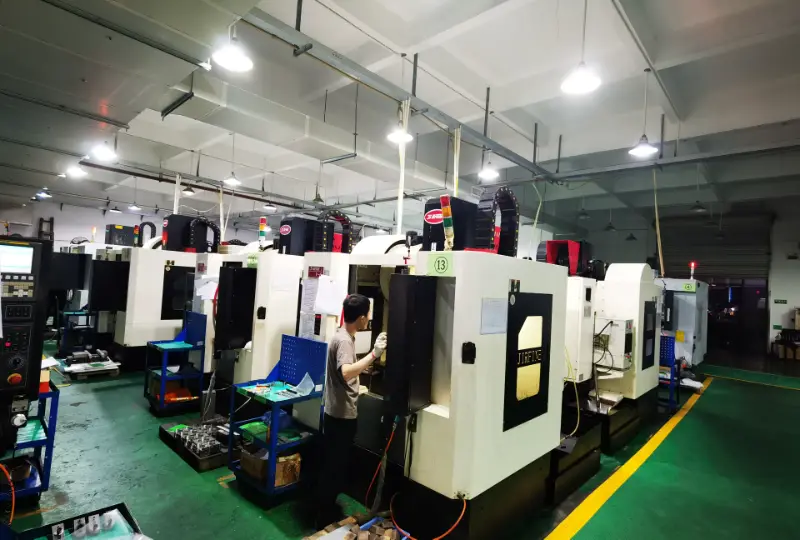
PET и PETG для обработки на станках с ЧПУ
И PET-P, и PETG поддаются обработке на станках с ЧПУ, однако они различаются по устойчивости к резанию, термочувствительности и точности сохранения размеров.
Обработка на станках с ЧПУ из ПЭТ / ПЭТ-П
- Характеристики резания: PET-P обладает высокой жесткостью и хорошей устойчивостью при резке, благодаря чему он подходит для фрезерования, токарной обработки, сверления и прецизионной контурной обработки.
- Точность размеров: Низкое тепловое расширение и низкая влагопоглощаемость способствуют сохранению положения отверстий, плоскостности и габаритных размеров.
- Отделка поверхности: Острые инструменты и правильные скорости подачи позволяют получить ровную и чистую обработанную поверхность.
- Сверление и нарезание резьбы: Материал PET-P хорошо подходит для сверления, развертки, нарезания резьбы и токарной обработки резьбы, обеспечивая относительно стабильные стенки отверстий и профили резьбы.
- Риск деформации: Тонкостенные детали или узлы, с которых удалено большое количество материала, могут деформироваться в результате снятия внутренних напряжений.
- Типовые детали: Шестерни, втулки, ролики, направляющие, изоляторы и прецизионные конструкционные детали.
Обработка PETG на станках с ЧПУ
- Характеристики резания: PETG поддается фрезерованию, сверлению, резке и токарной обработке, однако этот материал более мягкий и чувствителен к нагреву в результате трения.
- Точность размеров: Температура резки и давление зажима могут оказывать более значительное влияние на конечные размеры.
- Отделка поверхности: Прозрачные поверхности подвержены появлению царапин, следов от зажимов, следов от инструментов и локального побеления.
- Сверление и нарезание резьбы: Во время сверления стружку следует регулярно удалять, чтобы предотвратить накопление тепла. Резьбовые соединения лучше всего использовать для несильных крепежных соединений.
- Риск деформации: Тонкие листы и прозрачные детали могут деформироваться под воздействием чрезмерного усилия зажима.
- Типовые детали: Смотровые окна, защитные ограждения оборудования, прозрачные панели, корпуса приборов и компоненты дисплеев.
Советы по обработке ПЭТ и ПЭТГ на станках с ЧПУ
Советы по обработке ПЭТ / ПЭТ-П
- Используйте острые твердосплавные инструменты: Острые режущие кромки снижают усилие резания, выделение тепла и образование заусенцев.
- Соблюдайте стабильную скорость подачи: Слишком низкая скорость подачи увеличивает трение, а чрезмерная скорость подачи может привести к повреждению кромок.
- Удаляйте материал поэтапно: При обработке тонкостенных или высокоточных деталей следует избегать глубоких прорезов.
- Своевременно удаляйте стружку: Накопление стружки в глубоких отверстиях и пазах может привести к локальному нагреву и повреждению поверхности.
- Регулировка усилия зажима: Тонкие пластины, изящные детали и прецизионные узлы не следует зажимать слишком сильно.
- Оставьте припуск на обработку: Перед окончательной обработкой дайте детали устояться после черновой обработки.
Советы по обработке PETG
- Используйте острые, отполированные инструменты: Это позволяет уменьшить натяжение материала, прилипание инструмента и образование расплавленных краев.
- Обеспечьте достаточное количество корма: Не допускайте многократного трения режущего инструмента об одну и ту же область.
- Регулировка скорости шпинделя: Слишком высокая скорость в сочетании с недостаточной подачей может привести к размягчению материала.
- Используйте сжатый воздух: Сжатый воздух улучшает охлаждение и удаление стружки без использования избыточного количества жидкой охлаждающей жидкости.
- Защитите прозрачные поверхности: Оставьте защитную пленку на месте или используйте мягкие прокладки, чтобы избежать появления царапин и следов от зажимов.
- Используйте метод «пек-сверления»: Периодически выдвигайте сверло, чтобы удалить стружку и снизить нагрев.
- Уменьшите усилие зажима: Тонкие листы и прозрачные накладки следует закреплять с помощью равномерного зажима с небольшим усилием.
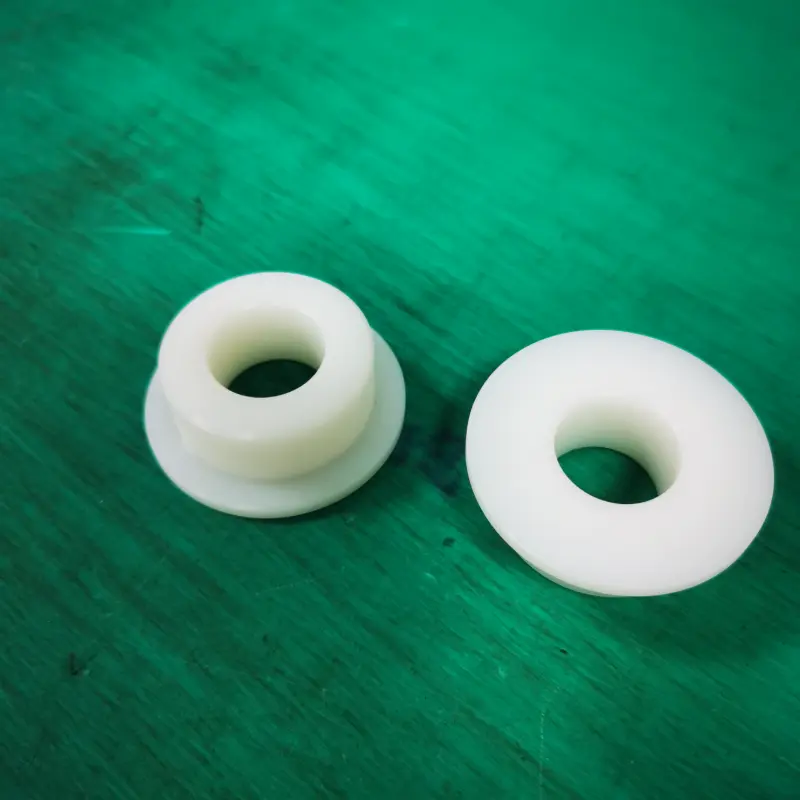
ПЭТ или ПЭТГ: что выбрать?
Выбирайте PET / PET-P, если вам нужно
- Повышенная жесткость
- Жесткие допуски на размеры
- Повышенная износостойкость
- Долгосрочная несущая способность
- Более высокие рабочие температуры
- Точное фрезерование, токарная обработка, сверление или нарезание резьбы
- Шестерни, втулки, ролики и направляющие элементы
Выбирайте PETG, если вам нужно
- Высокая прозрачность
- Повышенная ударопрочность
- Прозрачные ограждения машин или смотровые окна
- Хороший внешний вид поверхности
- Вторичная термодеформация или термоформование
- Прозрачные конструктивные элементы для легких конструкций
- Детали с умеренными требованиями к допускам
PETG не следует использовать вместо PET-P исключительно из-за его более высокой ударной вязкости, а PET-P не подходит для применений, требующих высокой прозрачности. При окончательном выборе материала необходимо учитывать механическую нагрузку, рабочую температуру, допуски на размеры, условия трения, воздействие химических веществ и требования к внешнему виду.
Заключение
Хотя PET-P и PETG относятся к одному и тому же семейству полиэфиров, они используются для разных технических целей. PET-P лучше подходит для изготовления прецизионных механических деталей, требующих жесткости, износостойкости, устойчивости к ползучести и стабильности размеров. PETG более подходит для изготовления прозрачных, ударопрочных и подвергающихся небольшим нагрузкам деталей, таких как защитные кожухи, панели и смотровые окна.
Weldo В рамках механической обработки предлагаются услуги по фрезерованию, токарной обработке, сверлению с ЧПУ, а также услуги по обработке на заказ для PET-P, PETG и других конструкционных пластиков. Пришлите свои чертежи и требования к применению, чтобы получить рекомендации по выбору материала и коммерческое предложение на механическую обработку с учетом геометрии детали, требований к эксплуатационным характеристикам и сложности изготовления.