
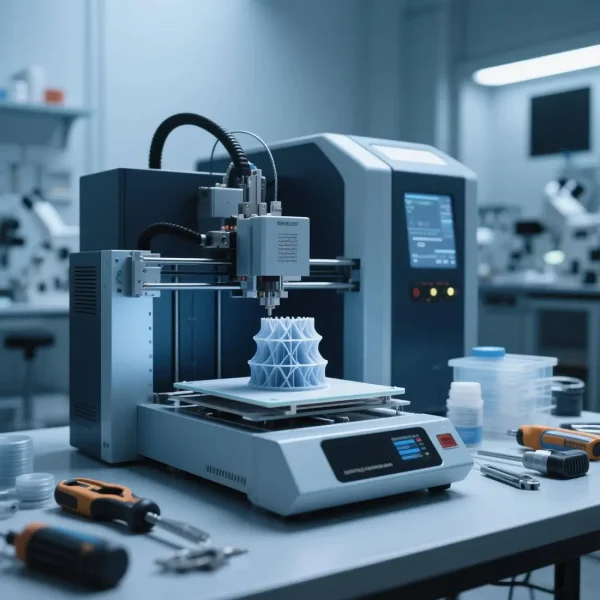
Быстрое аддитивное производство
Услуги по 3D-печати на заказ
Превращайте CAD-модели в точные прототипы и детали, выпускаемые небольшими партиями, благодаря интегрированному в единый рабочий процесс подбору технологий, рекомендациям по выбору материалов, печати, послепечатной обработке и контролю качества.
Предпочтительный формат — STEP; также принимаются файлы в форматах STL и 3MF.
Материалы для печати
Выберите подходящий материал для 3D-печати
Перед выбором марки следует сравнить технологию печати, характеристики материала, типовые детали и меры контроля качества.
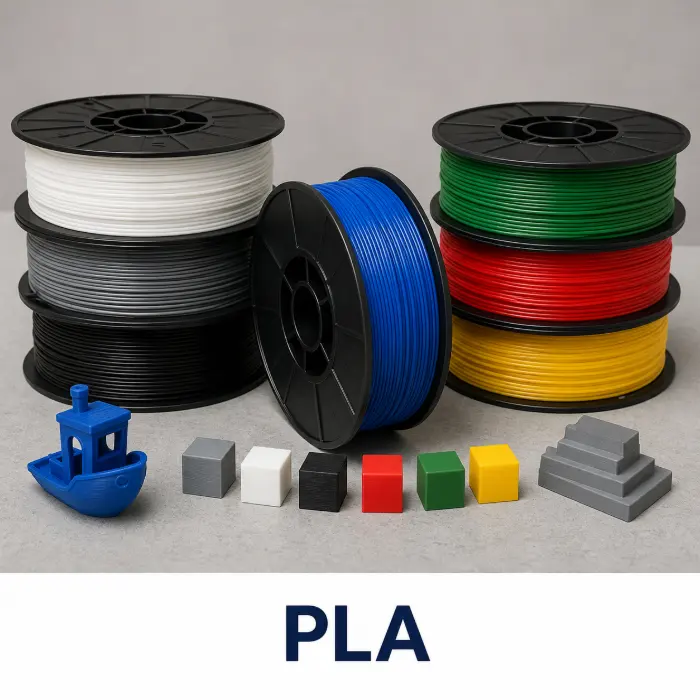
Термопластичный материал
PLA
Жесткий, экономичный и удобный для печати материал с ограниченной устойчивостью к длительному воздействию высоких температур.
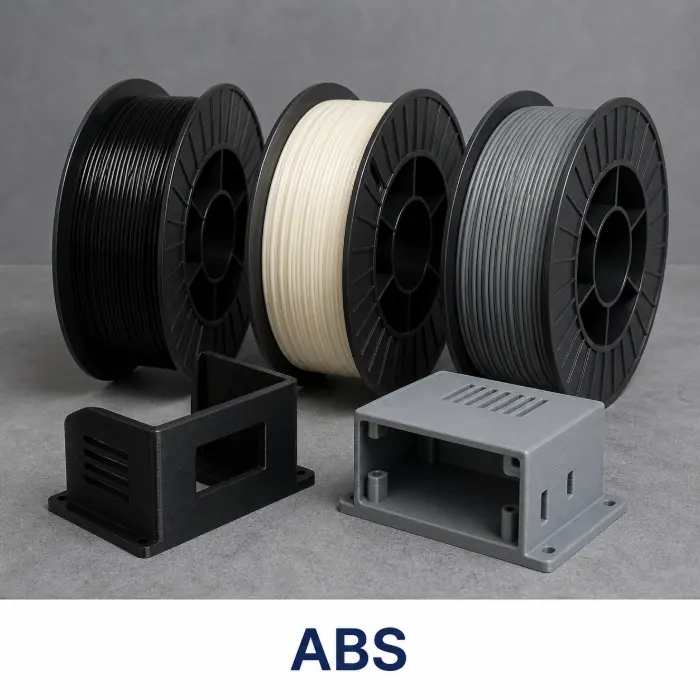
Термопластичный материал
ABS
Прочный инженерный термопластик, обладающий хорошей ударной вязкостью и более высокой термостойкостью, чем PLA.

Термопластичный материал
PETG
Обладает хорошей прочностью, водостойкостью и низкой склонностью к короблению, что делает его подходящим для общей функциональной печати.
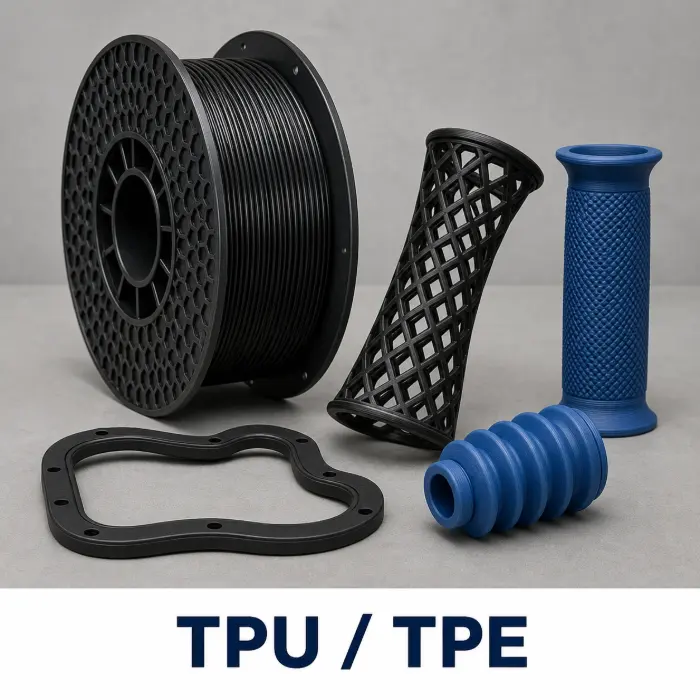
Термопластичный материал
TPU / TPE
Гибкий и эластичный материал, обладающий хорошей стойкостью к истиранию и способностью выдерживать многократные изгибы.
Термопластичный материал
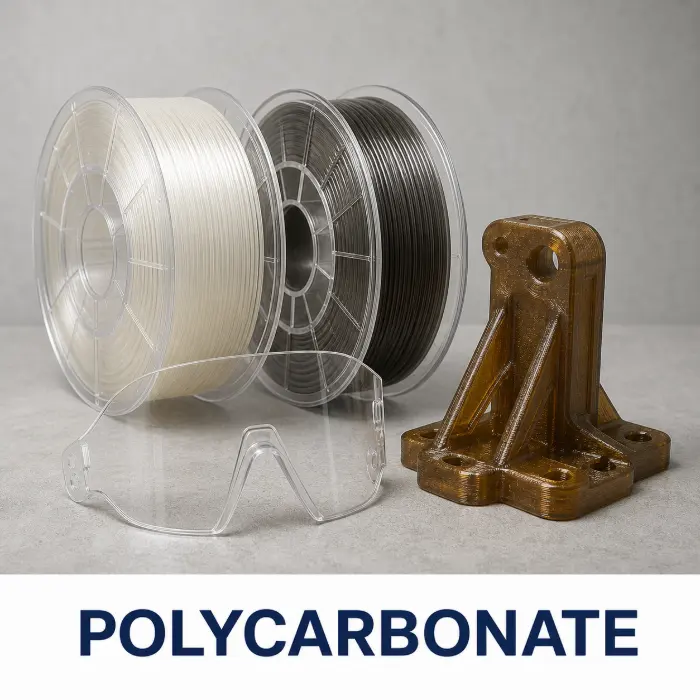
Поликарбонат (PC)
Высокопрочный термостойкий термопластик для изготовления более прочных функциональных и конструкционных прототипов.
Термопластичный материал
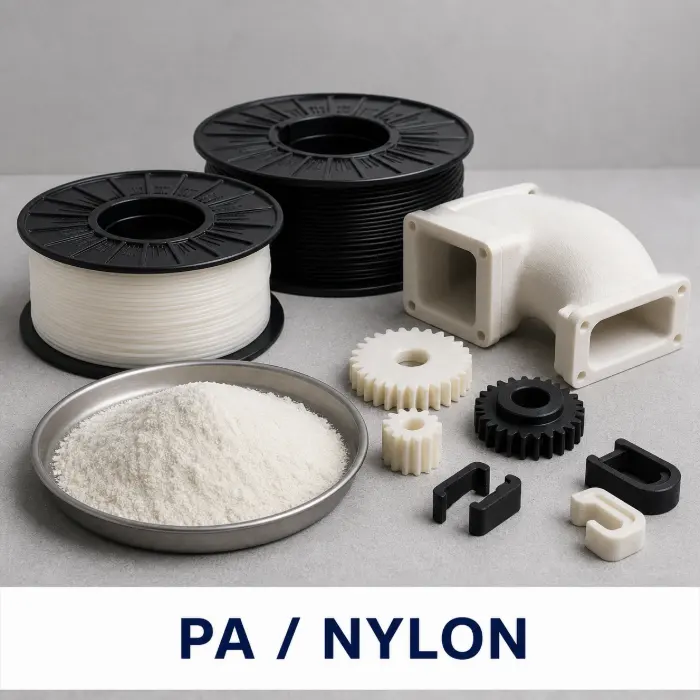
PA / нейлон
Прочный, усталостно-стойкий и износостойкий материал для подвижных и подверженных механическим нагрузкам деталей.
Термопластичный материал
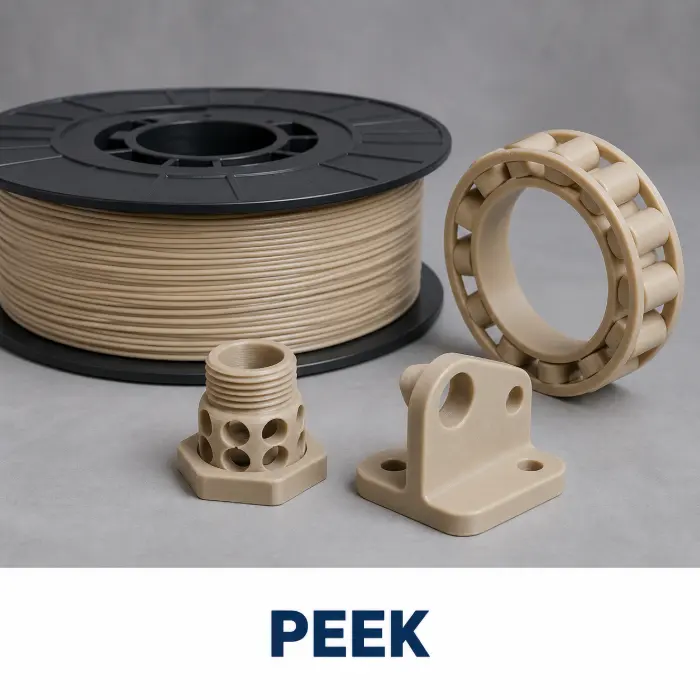
PEEK
Промышленный высокоэффективный полимер с превосходной термостойкостью и химической стойкостью.
Фотополимерная смола
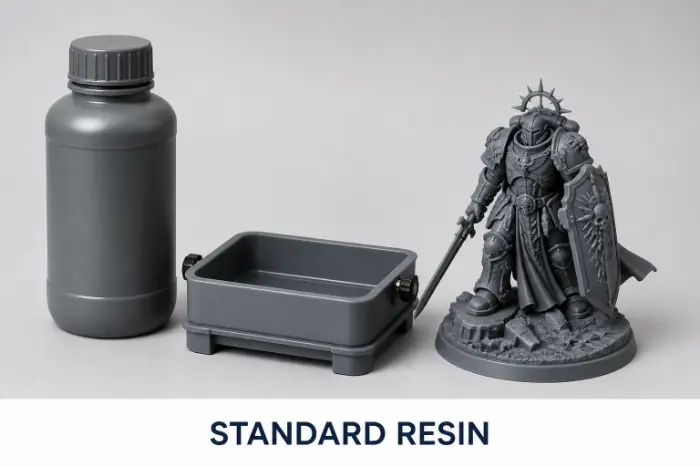
Стандартная смола
Сверхдетальная смола, позволяющая получать гладкие поверхности, но обладающая относительно низкой ударопрочностью.
Фотополимерная смола
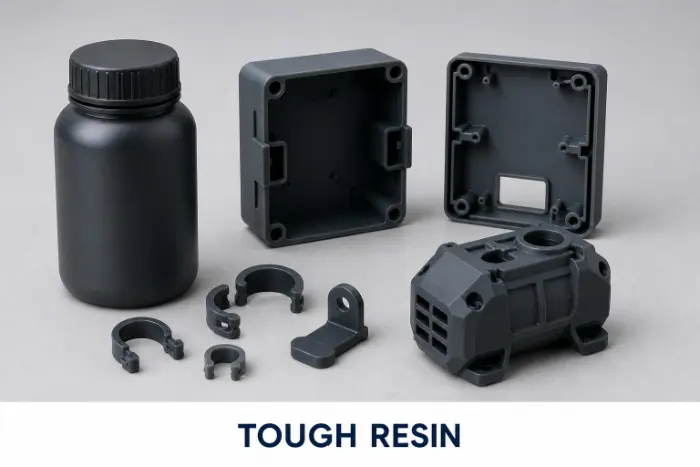
Прочная смола
Инженерная смола, разработанная для повышения ударной вязкости при сохранении детализации, характерной для технологии SLA.
Фотополимерная смола
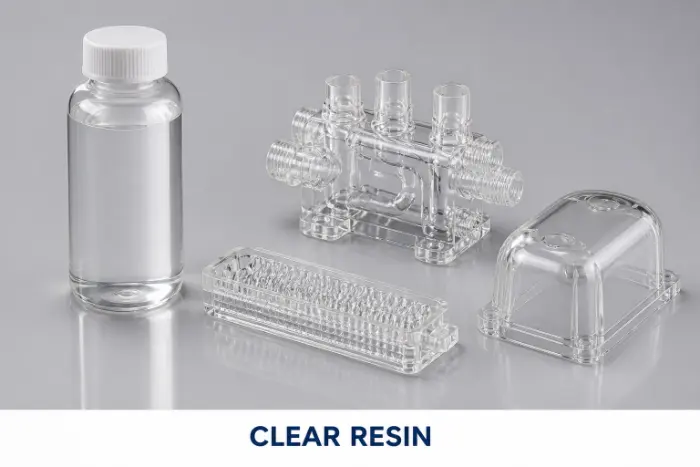
Прозрачная смола
Прозрачная смола для деталей, требующих визуального доступа или контролируемой светопроницаемости.
Фотополимерная смола
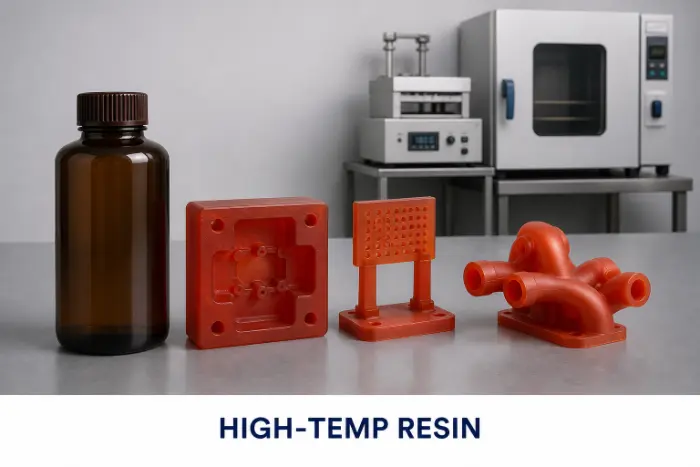
Высокотемпературная смола
Специальная смола, разработанная для сохранения формы при термической обработке, характерной для данного класса.
Фотополимерная смола
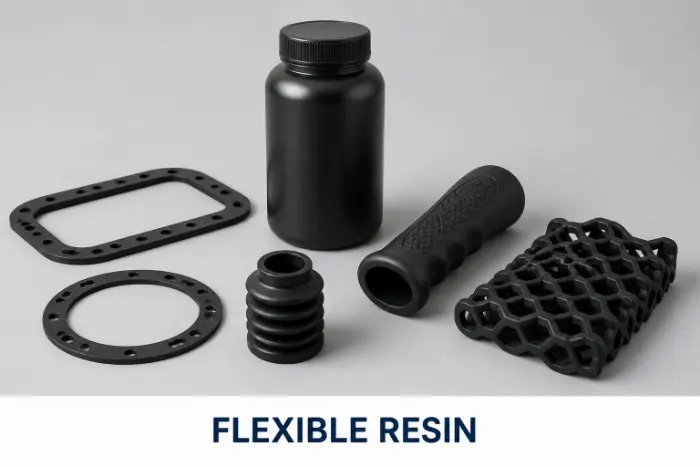
Гибкая смола
Резиноподобный фотополимер для изготовления гибких деталей и мягких функциональных прототипов.
Конечные эксплуатационные характеристики зависят от конкретного сорта материала, ориентации печати и последующей обработки. Для применения в пищевой промышленности, медицине, при производстве огнестойких материалов и в других сферах, подпадающих под регулирование, требуются сертифицированные материалы и документально подтвержденная технология обработки.
Где находит применение аддитивное производство
Области применения 3D-печати
3D-печать наиболее ценен для быстрой итерации, изготовления деталей по индивидуальному заказу, сложной геометрии и мелкосерийного производства без использования специального инструментария.

Медицина и стоматология
Анатомические модели, хирургические шаблоны, стоматологические модели и прототипы устройств.
Автомобили
Концептуальные детали, монтажные приспособления, модели воздушных потоков и индивидуальные прототипы интерьера.
Электроника
Концепции корпусов, внутренние кронштейны и эргономичные прототипы.
Архитектура
Масштабные модели, эскизы фасадов и элементы презентации.
Промышленное оборудование
Приспособления, зажимные устройства, защитные кожухи, воздуховоды и функциональные детали, выпускаемые небольшими партиями.
Разработка продукции
Быстрая оценка формы, посадки и сборки до вложения средств в изготовление пресс-форм.