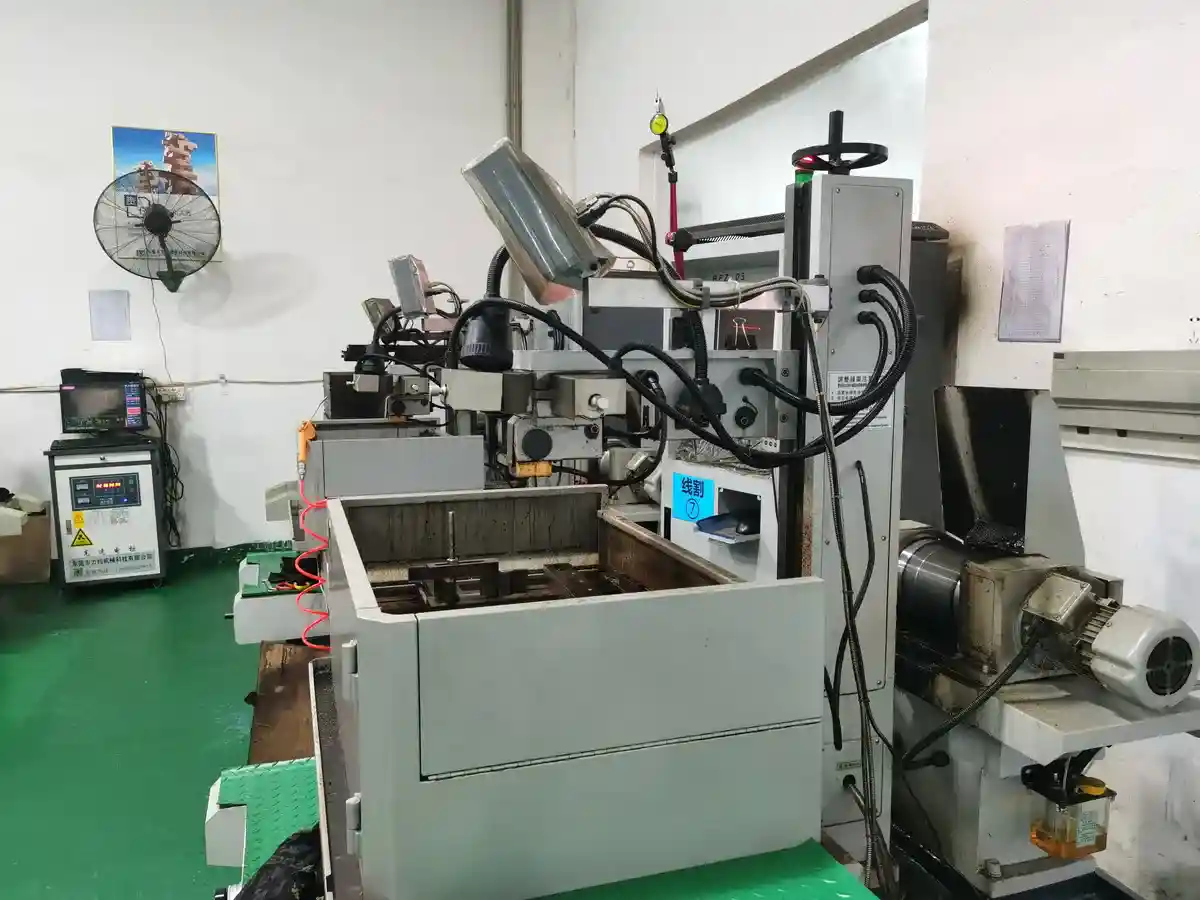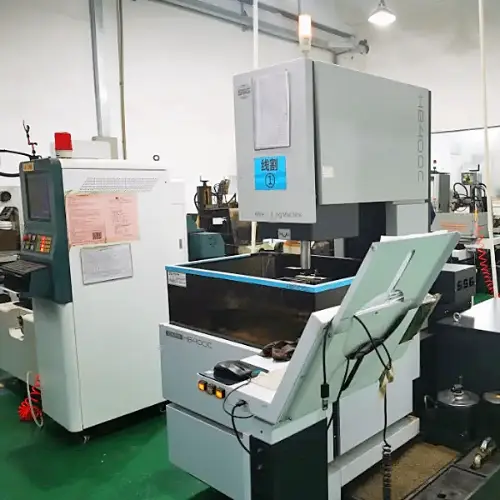
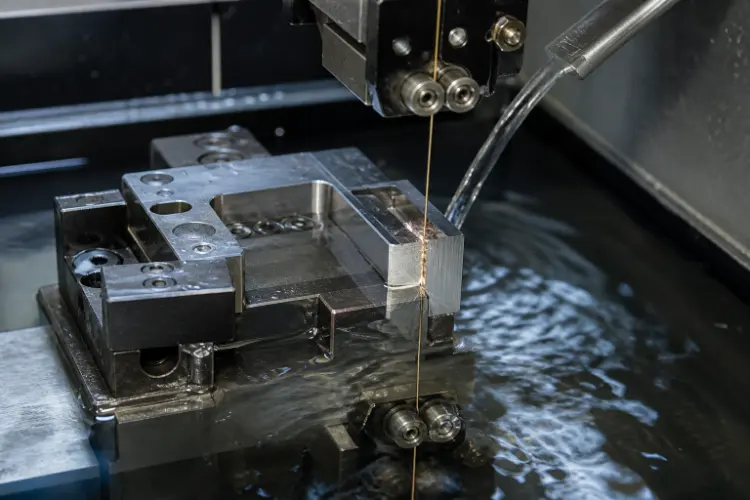
Точная электроэрозионная обработка проволокой
Controlled Wire EDM machining for molds, tooling, and complex components made from electrically conductive materials.
Материалы для электроэрозионной резки
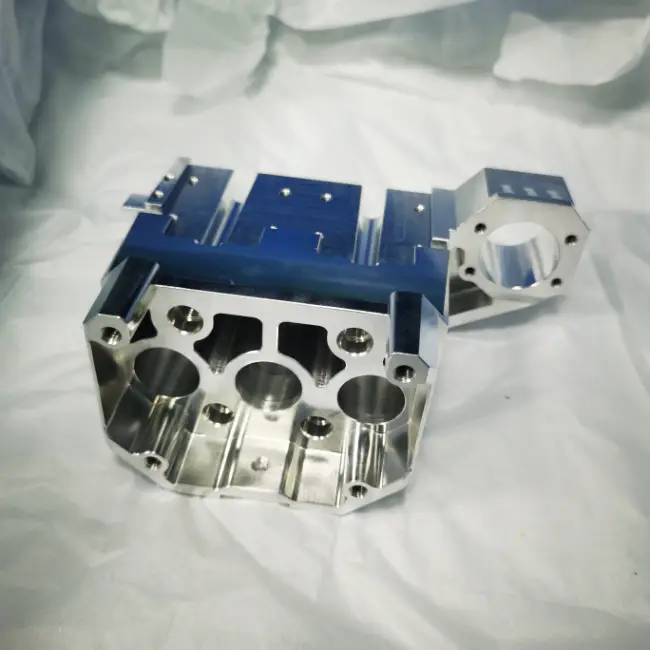
Алюминий
Aluminum can be wire-cut into complex profiles with minimal mechanical distortion. Cutting speed and surface finish depend on alloy, thickness, flushing, and discharge settings.
View material details
- Характеристики
- Lightweight, corrosion-resistant, and thermally conductive, with performance that varies by alloy and temper.
- Typical Wire-EDM Parts
- Aerospace brackets, fixture plates, mold components, precision slots, and lightweight structural profiles.
- Примечания по обработке
- Use alloy-specific discharge settings and stable flushing. Control debris evacuation, wire offset, electrochemical staining, and corner accuracy.

Нержавеющая сталь
Wire EDM produces accurate slots and profiles in stainless steel, including hardened conditions. Settings must balance cutting rate, surface roughness, and dimensional control.
View material details
- Характеристики
- High strength, corrosion resistance, heat resistance, and good dimensional stability.
- Typical Wire-EDM Parts
- Medical tooling, valve components, die inserts, precision shims, guides, and fine-profile instrument parts.
- Примечания по обработке
- Select pulse and trim-cut settings according to thickness and finish requirements. Clean and dry parts after cutting, and specify passivation when required.
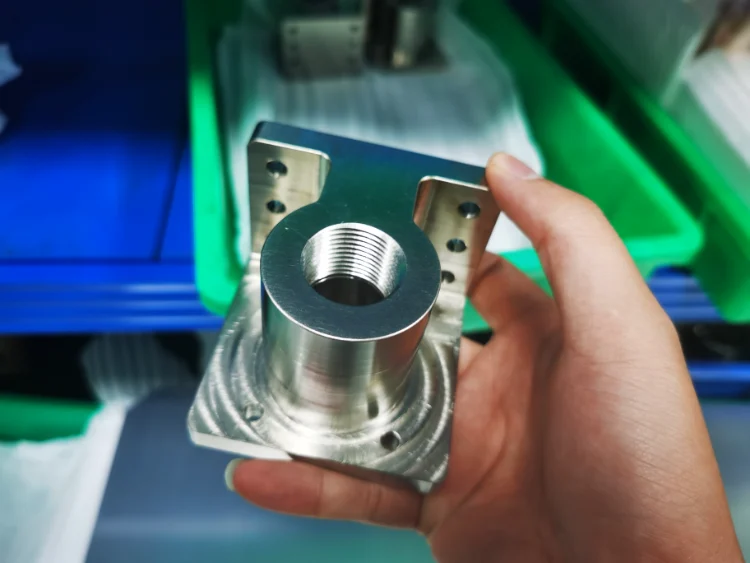
Tool Steel & Cemented Carbide
Hardened tool steels are well suited to Wire EDM. Cemented carbide requires grade-specific settings to control microcracking, binder corrosion, and edge damage.
View material details
- Характеристики
- Tool steels provide hardness and toughness; cemented carbides combine hard WC particles with a metallic binder for high wear resistance.
- Typical Wire-EDM Parts
- Punches, dies, mold inserts, gear profiles, cutting tools, wear plates, and precision carbide components.
- Примечания по обработке
- For carbide, confirm grade and binder content. Use low-energy trim passes, controlled flushing, corrosion management, and supported edges.
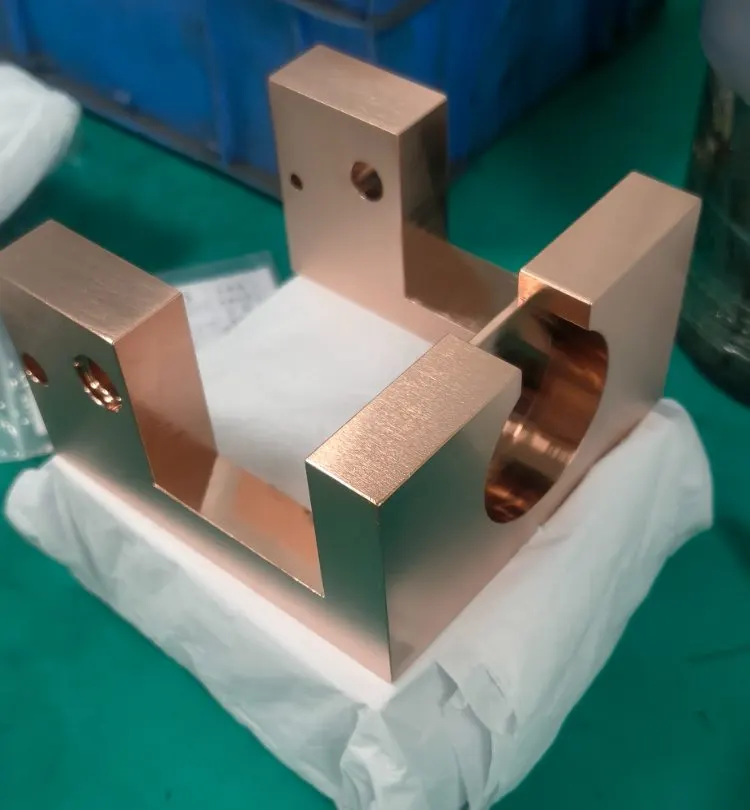
Медь и латунь
Copper and brass are Wire-EDM compatible, but high thermal conductivity requires tuned discharge energy and stable flushing for consistent accuracy and surface quality.
View material details
- Характеристики
- Excellent electrical and thermal conductivity, good corrosion resistance, and grade-dependent softness.
- Typical Wire-EDM Parts
- Electrodes, terminals, connectors, conductive fittings, cooling components, and precision instrument parts.
- Примечания по обработке
- Support soft workpieces carefully and control wire offset, flushing pressure, heat dissipation, surface marking, and post-cut oxidation.
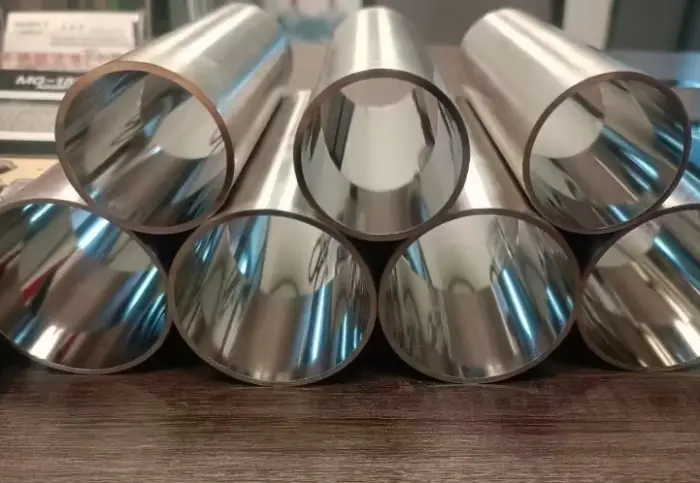
Titanium & High-Temperature Alloys
Wire EDM cuts titanium and nickel-based high-temperature alloys without mechanical force. Multiple trim passes may be required to control the recast layer and surface integrity.
View material details
- Характеристики
- High specific strength, corrosion resistance, heat resistance, and dependable performance in demanding environments.
- Typical Wire-EDM Parts
- Aerospace brackets, turbine components, medical parts, heat-resistant inserts, and complex high-strength profiles.
- Примечания по обработке
- For fatigue-sensitive, medical, or aerospace parts, specify recast-layer limits and whether polishing, chemical cleaning, or other post-processing is required.
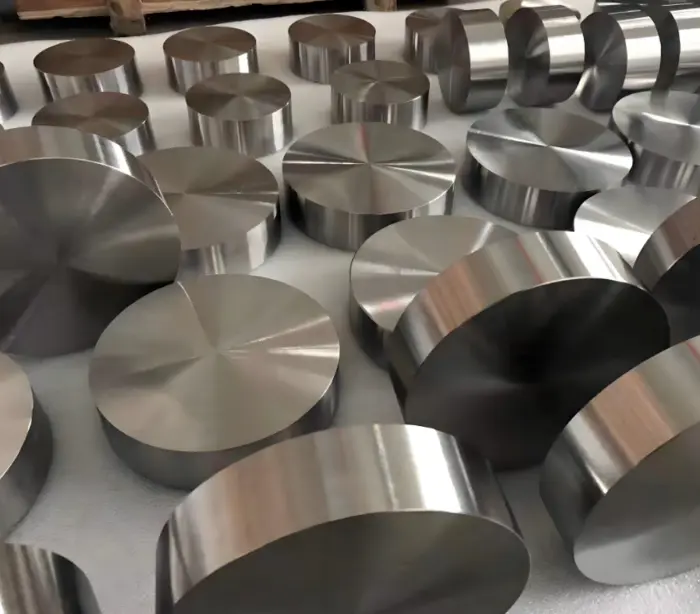
Tungsten & Molybdenum
Wire EDM produces precise profiles in these refractory metals without mechanical cutting force, although cutting speed is typically lower and material-specific settings are required.
View material details
- Характеристики
- Very high melting points, good high-temperature strength, electrical conductivity, and demanding conventional machinability.
- Typical Wire-EDM Parts
- High-temperature inserts, electrodes, precision apertures, semiconductor components, and refractory-metal profiles.
- Примечания по обработке
- Use grade-specific parameters, controlled flushing, and multiple trim passes to manage cutting stability, edge quality, and surface integrity.
Graphite, conductive ceramics, and conductive composites are reviewed separately. Conventional Wire EDM requires sufficient electrical conductivity; exact grade, porosity, thickness, and edge requirements must be confirmed before quoting.
4 шага к контролируемой стрижке
Программирование, выбор проволоки, настройки разряда, контроль диэлектрика и проверка планируются комплексно.
Обзор чертежа
Уточните базовую точку, профиль, начальное отверстие, конусность, допуск, шероховатость и толщину.
Программирование и настройка
Выберите диаметр проволоки, натяжение, смещение, параметры импульса и условия диэлектрика.
Грубая и чистая резка
Необходимо найти оптимальный баланс между временем резки, контролем размеров и требуемой чистотой поверхности.
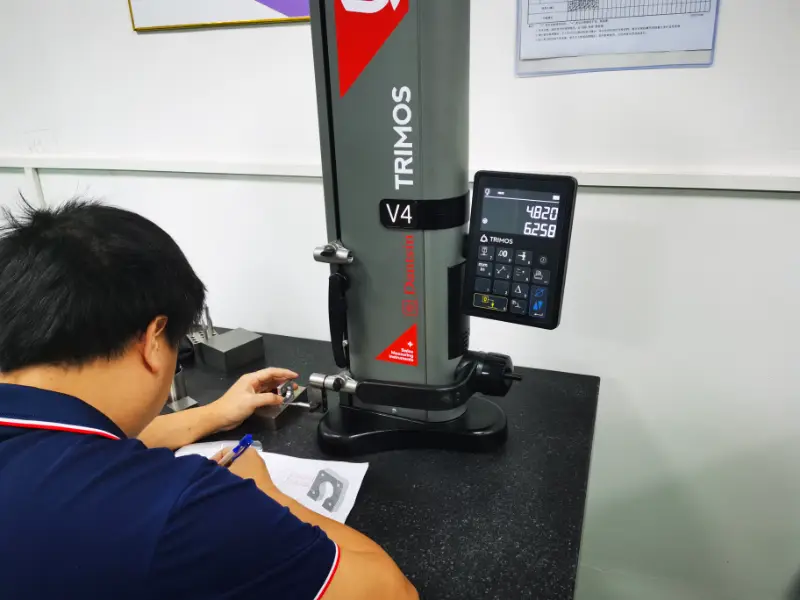
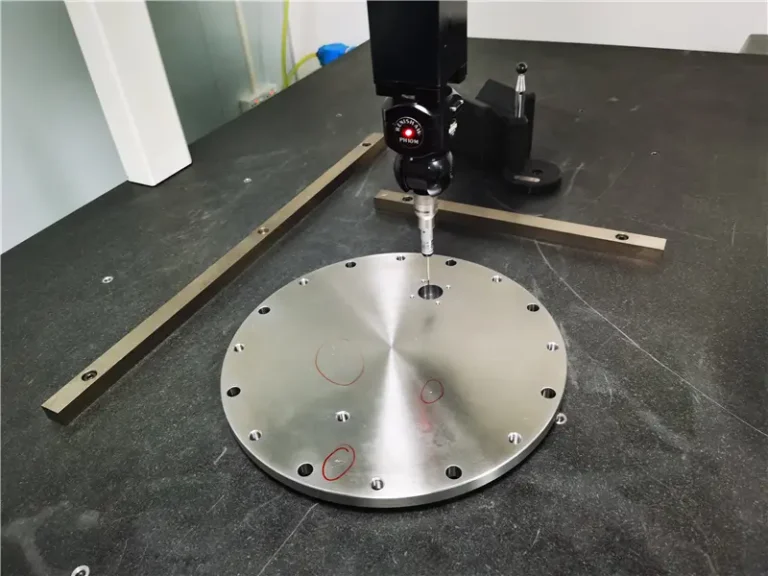
Проверка и сдача
Измерьте ключевые параметры, очистите деталь, защитите кромки и подготовьте к отправке.