
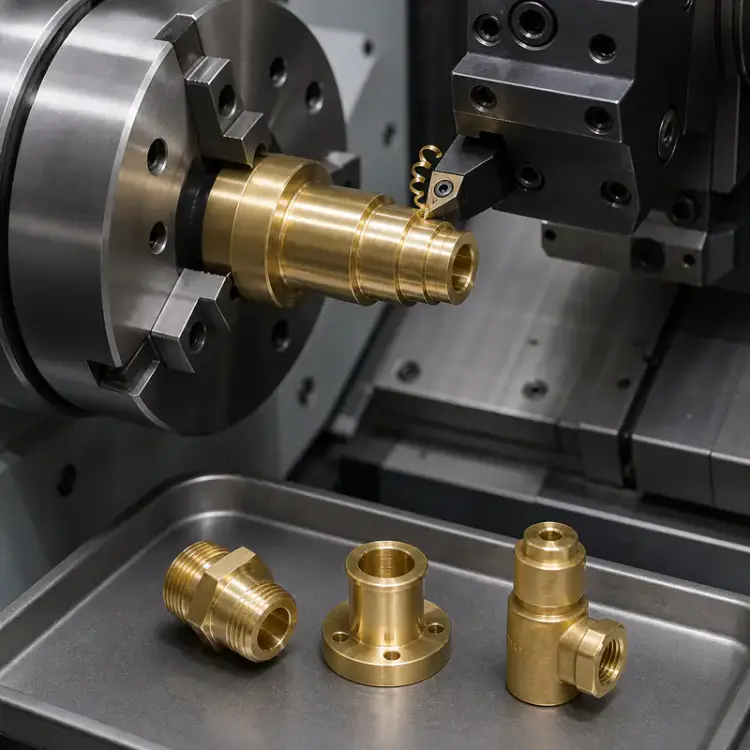
Услуги по обработке латуни на станках с ЧПУ
Custom brass parts made to drawing for electrical, fluid-control, mechanical, and decorative applications. We match grade, temper, machining, and finish to the required geometry, service conditions, and final dimensions.
- От прототипа до производства
- Отделка поверхности
- Контроль на основе чертежей
Brass Properties Depend on Grade and Temper
Alloy composition, supplied condition, and product form affect machinability, strength, ductility, conductivity, and corrosion behavior.
- Плотность
- 8.2–8.7г/см³
- Прочность на разрыв
- 300–700МПа
- Предел текучести
- 100–550МПа
- Твердость
- 60–200HB
- Электропроводность
- Approx. 9–30% IACS
- Теплопроводность
- Approx. 28–160W/(m·K)
Illustrative ranges cover selected grades and conditions. Elongation examples are about 5–50%. Silicon brass can have substantially lower conductivity than conventional brass. Confirm certified grade- and temper-specific data rather than combining these values into one material specification.
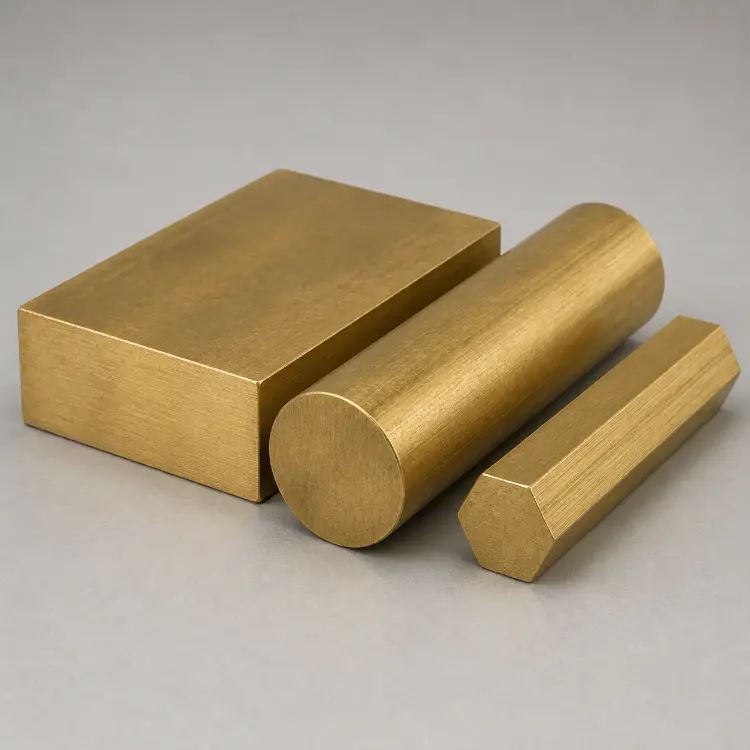
Choose the Brass Grade for the Part
Compare forming route, chip control, strength, corrosion exposure, and the material requirements for the finished product.
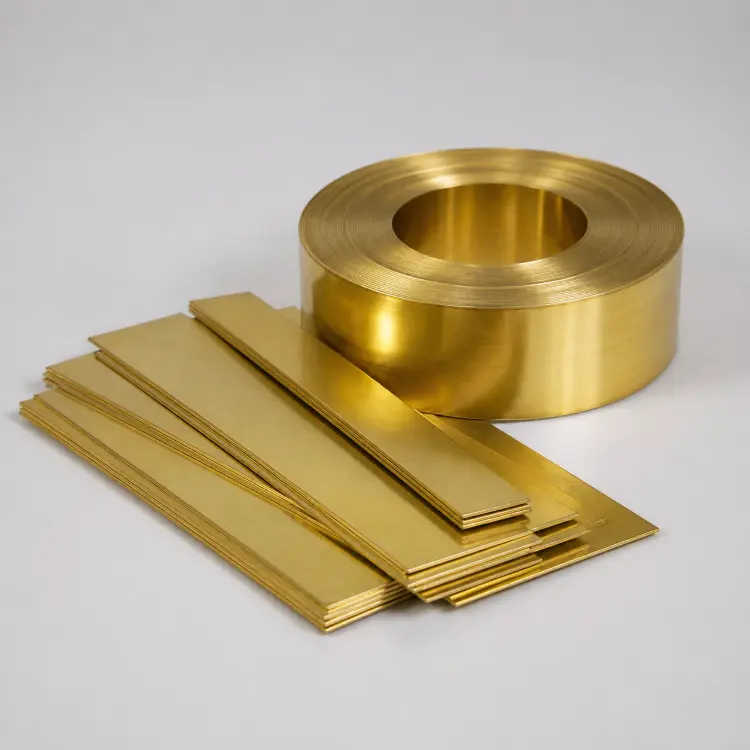
C26000 — латунный картридж
A nominal 70/30 copper-zinc brass with excellent cold-forming behavior and a useful decorative appearance. A common option for formed components requiring secondary machining.
Applications & machining notes
- Типовые детали
- Deep-drawn housings, terminals, clips, and stamped or formed components with machined features.
- Технологическая схема
- Cold forming followed by secondary machining, or machining from suitable stock. Select the product form and temper for the geometry.
- Machining considerations
- Expect different chip behavior from free-cutting brass. Support thin sections and review cold-work condition, cutting exits, and burr removal.
- Варианты отделки
- Polishing, brushing, plating, or a clear protective coating, with cosmetic faces and final fit requirements defined.
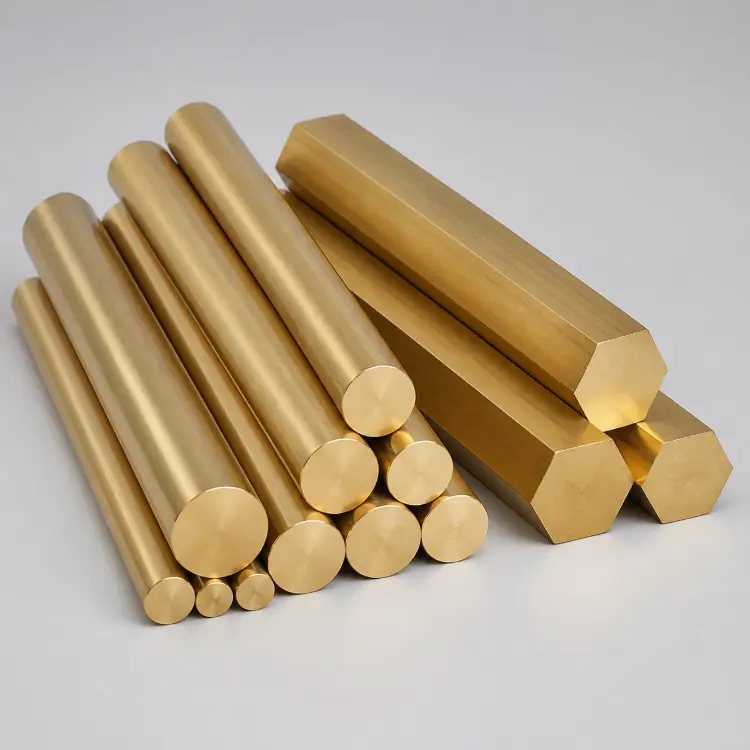
C36000 — латунь для легкой обработки
A leaded brass known for excellent machinability and short chips. Well suited to detailed turned features, threads, and efficient repeat production.
Applications & machining notes
- Типовые детали
- Fittings, valve components, fasteners, threaded inserts, and high-volume turned parts.
- Технологическая схема
- CNC turning, milling, and screw-machine operations from suitable bar or other supplied stock.
- Machining considerations
- Good chip breaking supports efficient cutting, but small features still require controlled tool geometry, burr removal, and inspection.
- Finishing and material requirements
- As-machined, polishing, nickel plating, or tin plating. C36000 contains lead; specify any lead-content restrictions and required product certification before material approval.
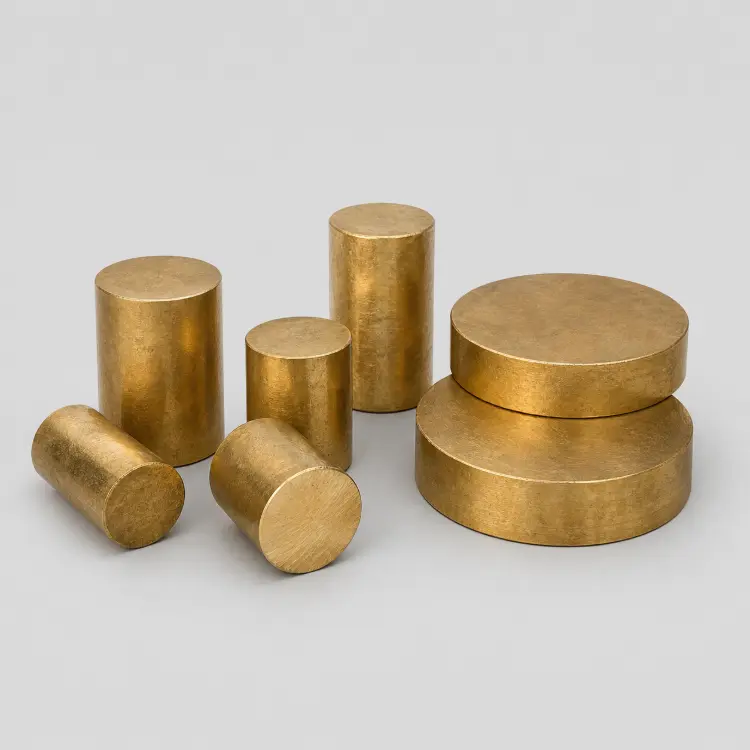
C37700 Латунь ковочная
A leaded brass developed for hot forging and subsequent machining. Near-net-shape forged blanks can be finished to controlled datums, threads, and sealing features.
Applications & machining notes
- Типовые детали
- Valve bodies, forged fittings, hardware, and shaped components suited to a forging route.
- Технологическая схема
- Hot forging followed by datum-controlled machining, with blank geometry and machining allowance agreed in advance.
- Machining considerations
- Establish stable datums from the forged blank. Review flash removal, forging variation, feature access, and critical sealing or thread dimensions.
- Finishing and material requirements
- Polishing, nickel plating, or a clear protective coating. Confirm lead-content limits, supplied condition, and any required material or product records.
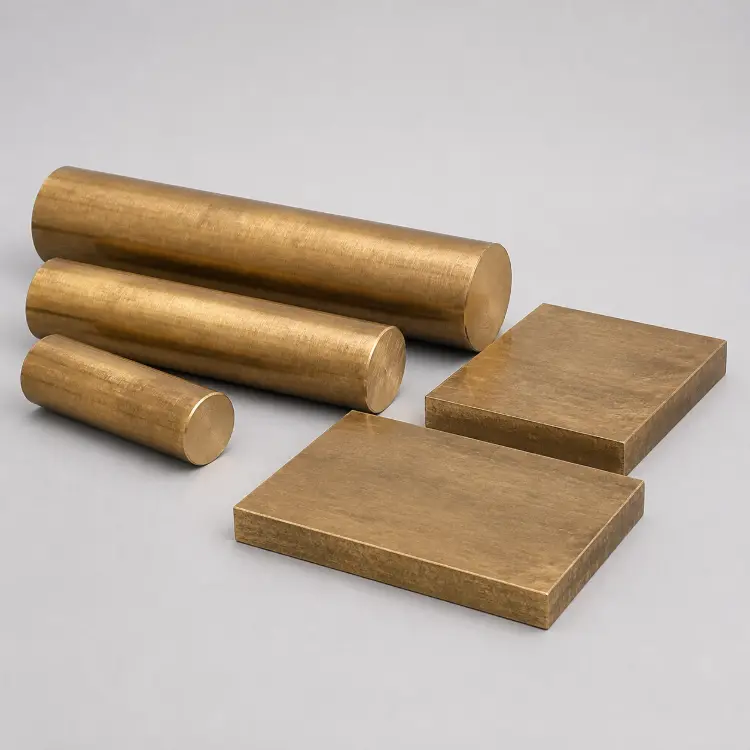
C46400 Военно-морская латунь
A tin-containing copper-zinc alloy used for selected marine and mechanical parts. Tin improves corrosion behavior, while suitability still depends on the exposure and material condition.
Applications & machining notes
- Типовые детали
- Marine hardware, shafts, valve stems, and fasteners where the specified alloy meets the service requirements.
- Технологическая схема
- Turning and milling from suitable bar, rod, plate, or formed stock.
- Machining considerations
- Use stable tooling and parameters suited to the actual temper. Review chips, burrs, slender features, and final surface requirements.
- Corrosion and finishing
- Specify fluid chemistry, temperature, and any dezincification test requirement. C46400 is an uninhibited naval brass; the name alone does not establish dezincification-resistant approval. Polishing, cleaning, lacquer, or plating may be specified.
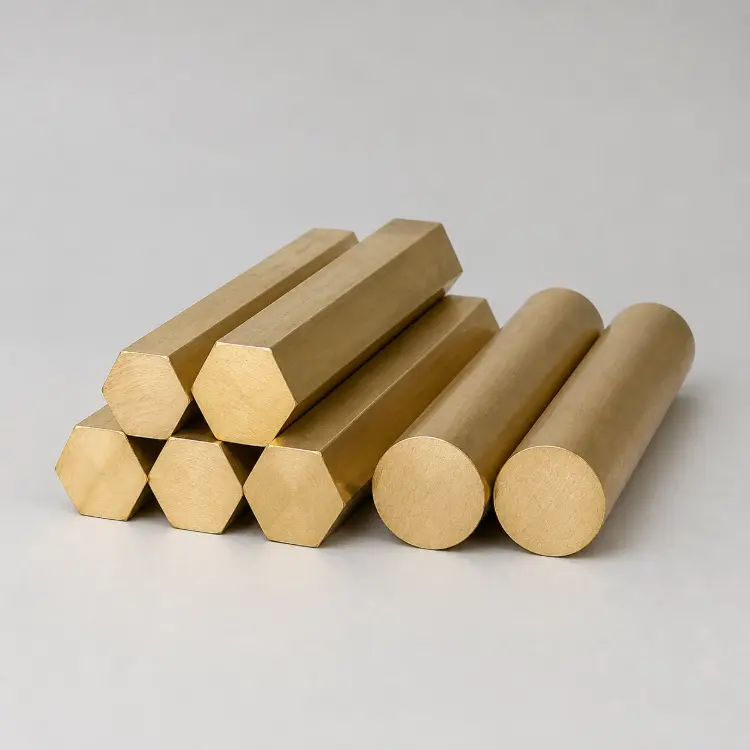
C69300 Бессвинцовая кремниевая латунь
A silicon brass used for strength, machinability, and corrosion performance in fluid-service components. Its electrical and thermal conductivity are lower than those of many conventional brasses.
Applications & machining notes
- Типовые детали
- Valves, fittings, and other fluid-service hardware, including potable-water parts where the finished product meets the applicable specification.
- Технологическая схема
- Suitable forging, CNC turning, and secondary machining, with the supplied and final material conditions defined.
- Machining considerations
- Match tools and cutting parameters to the silicon-bearing alloy. Specify any required dezincification resistance and account for later thermal processing.
- Finishing and qualification
- As-machined, polishing, cleaning, or compatible plating. Specify the required lead limit and product certification; a lead-free alloy designation alone does not qualify the finished assembly for drinking-water use.
Specify the exact grade, product form, temper, required records, and service environment. Lead-content limits, dezincification resistance, and finished-product certification are separate requirements.
Drawing-Based Brass Machining Capabilities
Confirm the production route from the grade, temper, feature depth, workholding, and measurement requirements.
Machining Reference Parameters
| Part-envelope reference | Up to 2000 × 1000 × 1000 mm*Subject to stock availability, usable machine travel, clamping, and tool access. |
|---|---|
| Small-part references | 5 × 5 × 5 mm / diameter from Ø0.5 mm*Separate planning references. Feature type, part geometry, handling, and inspection require review. |
| Thin-wall reference | From 0.5 mm*Depends on height, span, support, material condition, and final surface requirements. |
| Dimensional references | General ±0.05 mm / selected features down to ±0.01 mm*Quotation references; drawing tolerances and acceptance conditions are agreed for each feature. |
| Selected roundness | Down to 0.003 mm*Requires suitable geometry, process, and a defined roundness measurement method. |
| Шероховатость поверхности | Ra 0.4–3.2 µm*Depends on grade, tool access, cutting conditions, and any additional finishing. |
Control Chips, Burrs, and Thin Features
Выберите подходящий сорт
Match machining behavior, forming needs, strength, corrosion exposure, and any material qualification before programming.
Control Cutting Exits
Use appropriate sharp tools, stable feeds, and an accessible deburring route around threads, holes, and small edges.
Поддержка тонких стен
Plan stable workholding, staged material removal, and controlled clamping to protect wall thickness and finished geometry.
Define the Finished Condition
Review fluid contact, temperature, coating thickness, conductivity, and the final material and inspection requirements.
*Planning references confirmed against the complete drawing. Maximum size, minimum diameter, thin walls, precision, roundness, and roughness are assessed separately and should not be assumed achievable together.
Surface Finishes for Brass Parts
Choose the finish around appearance, wear, solderability, conductivity, corrosion exposure, and the final assembly fit.
Полировка и чистка щеткой
Control gloss, directional texture, and visible surface quality. Specify a visual reference and functional roughness separately.
Пескоструйная обработка
Create a controlled matte texture with suitable media and masking. Define any subsequent coating and protect critical fits.
Никель или хром
Specify the coating system, thickness, underlayers, masking, and final dimensions for the required appearance and wear performance.
Оцинковка
Support solderability and selected electrical applications, with coating thickness and contact requirements defined for the assembly.
Прозрачное покрытие или патина
A clear coating helps retain the chosen appearance; a controlled patina creates a specified aged color and surface effect.
Weldo Brass Machining Projects
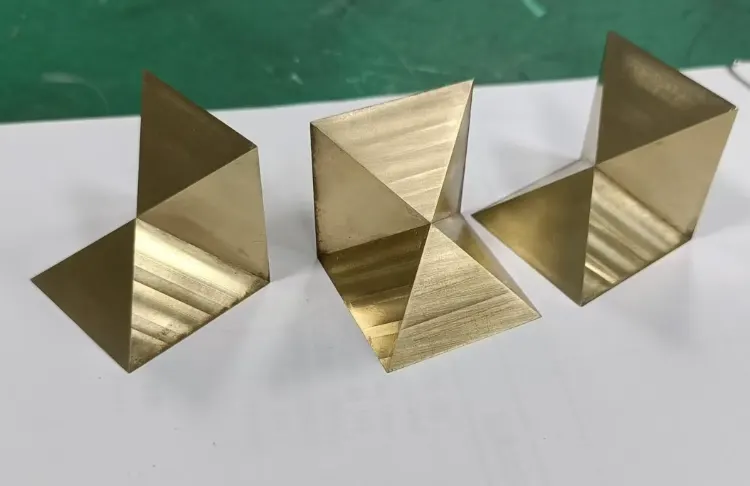
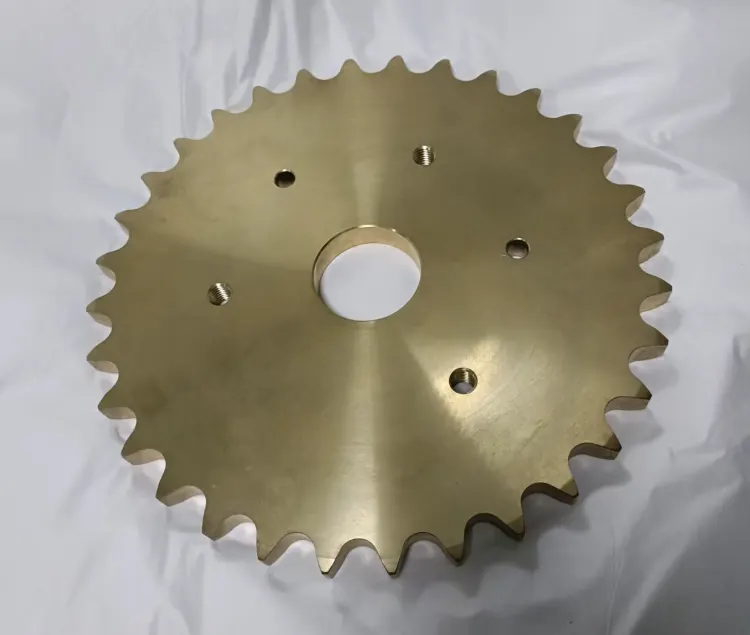
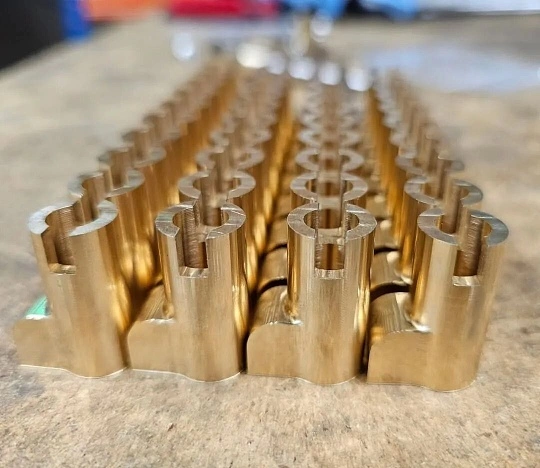
Examples of brass machining projects completed by Weldo, including flanges, gears, and custom components for electrical, fluid-control, industrial, and decorative applications.
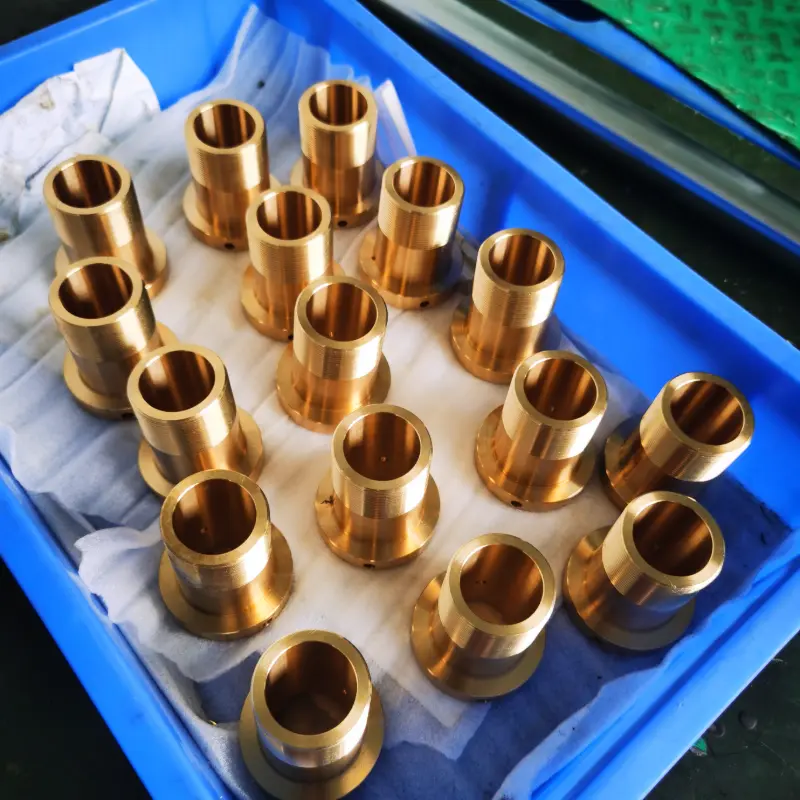
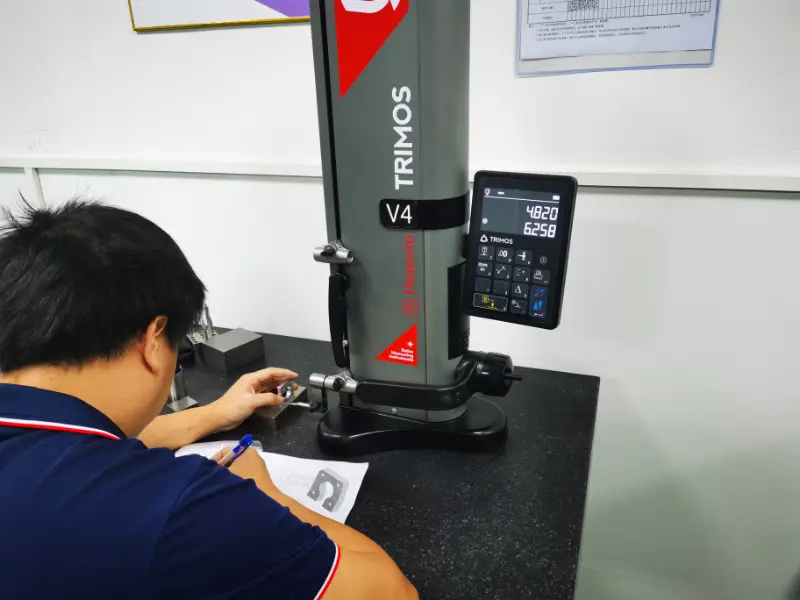
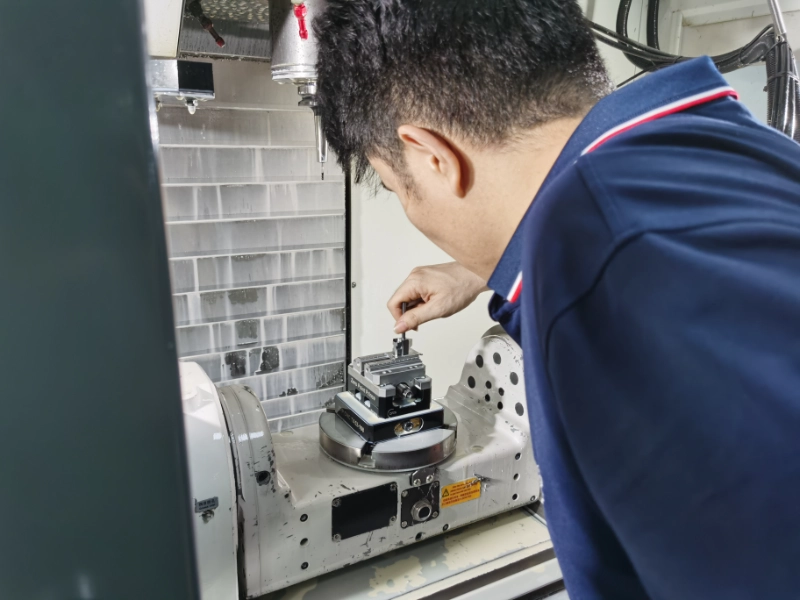
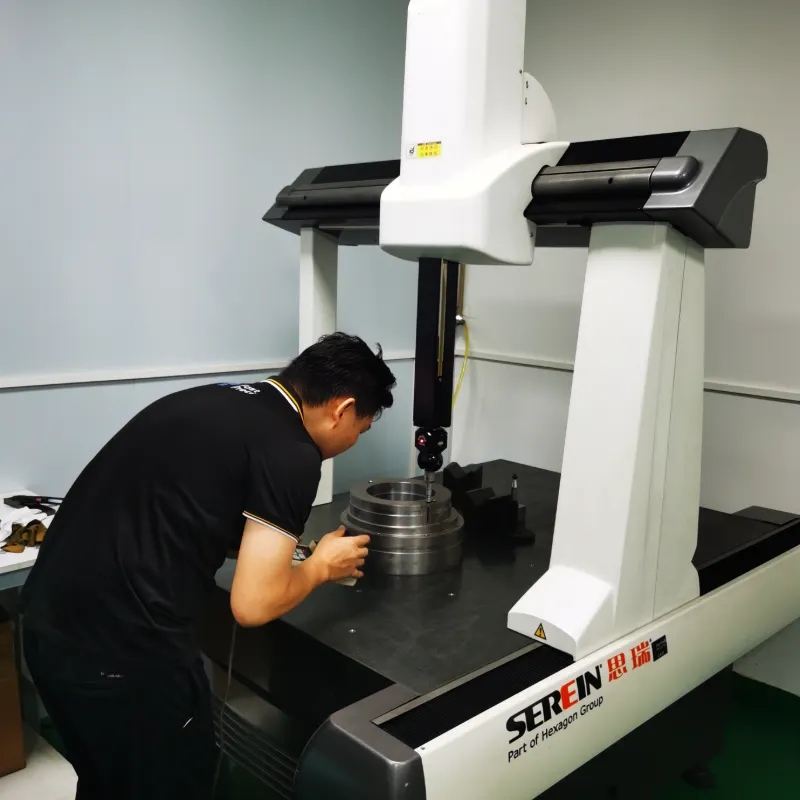
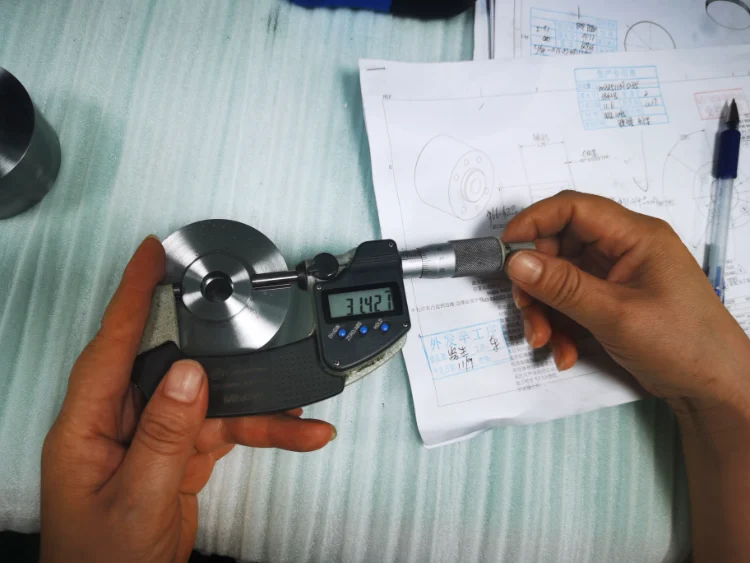
Machining and Inspection Resources
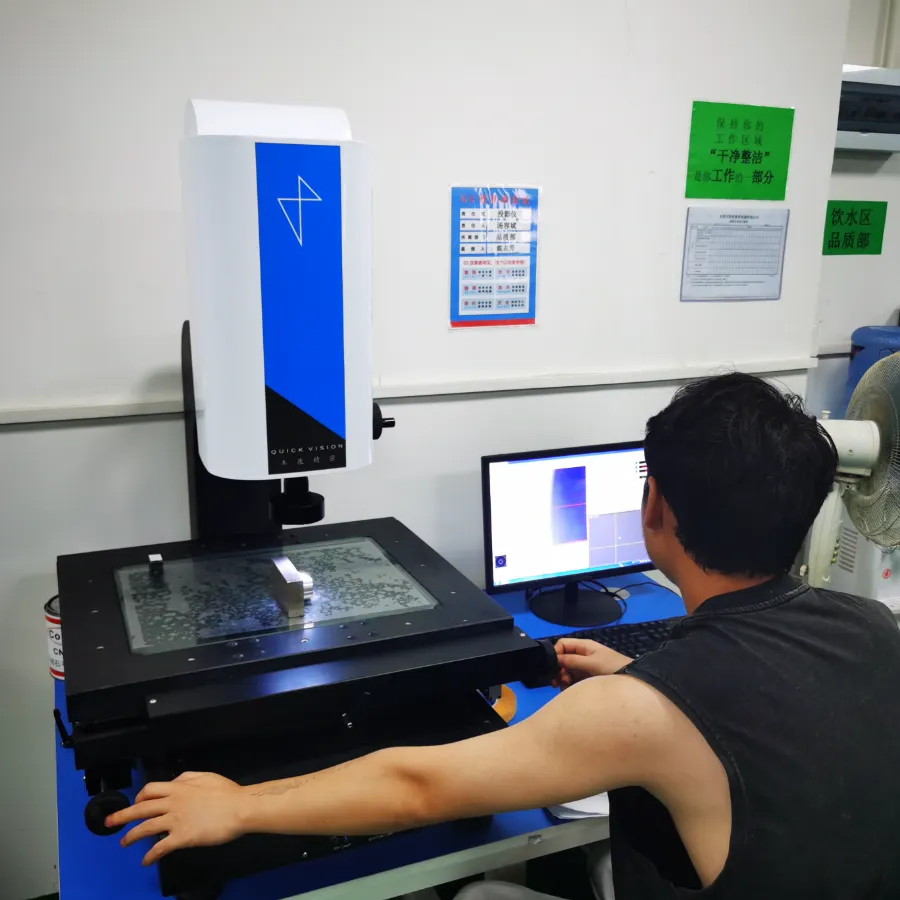
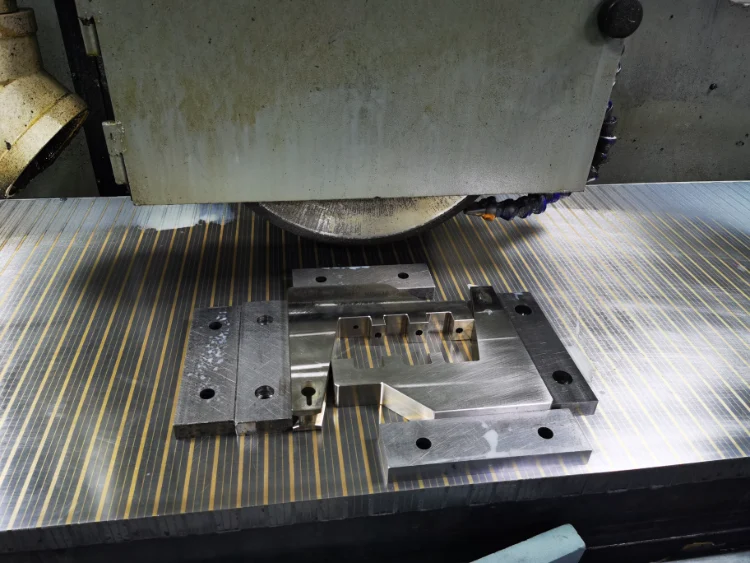
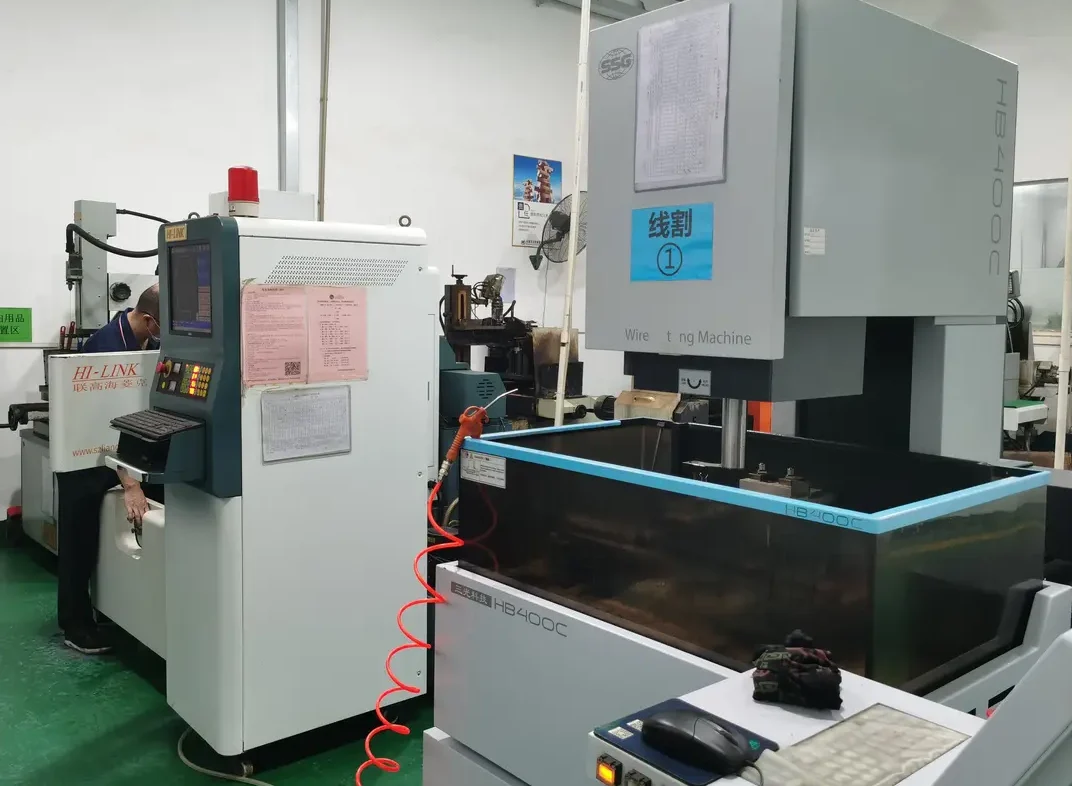
Machining, grinding, EDM, and dimensional inspection support the agreed production route and acceptance requirements for brass parts.
Вопросы по обработке латуни
Зеленеет ли латунь?
Brass can develop brown or green corrosion products as its copper reacts with moisture, salts, and other environmental chemicals. Cleaning, polishing, a suitable clear coating, or a specified plating system can help manage the chosen appearance.
Латунь притягивается магнитом?
Common copper-zinc brasses are generally non-magnetic for normal engineering purposes. For sensitive equipment, define the required magnetic response of the finished component, including any plating, inserts, or contamination.
Можно ли использовать латунь для изготовления деталей, предназначенных для питьевой воды?
Yes, when the specified material, finish, and finished product meet the required application and certification criteria. Provide the target market, lead-content limit, water-contact specification, and required certification during quotation.
Does lead-free brass resist dezincification?
Lead content and dezincification resistance describe different properties. Select a grade with suitable corrosion performance and specify any required test. Fluid chemistry, temperature, material condition, and later thermal processing also affect suitability.
Which brass grade is easiest to machine?
C36000 is a widely used free-cutting brass with excellent chip breaking. C26000 emphasizes cold forming, C37700 suits forging routes, and silicon brasses require their own cutting parameters. Select the grade for the complete service and production requirements.
How does plating affect precision fits?
Coating and underlayer thickness change finished dimensions. Identify critical bores, threads, sealing faces, masked areas, and cosmetic surfaces before machining. Define which dimensions are accepted in the finished coated condition.