
Токарные работы с ЧПУ
Услуги по токарной обработке на станках с ЧПУ по индивидуальному заказу
Точно обработанные на токарном станке валы, втулки, штифты, гильзы, резьбовые детали и фитинги из металлов и инженерных пластиков. Загрузите свой чертеж для оценки технологичности (DFM) и получения прозрачного коммерческого предложения — от прототипа до серийного производства.
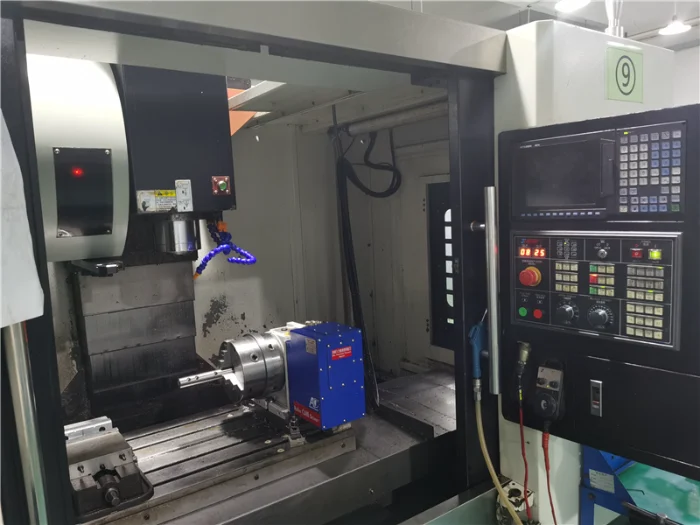
Процесс токарной обработки
Как работает токарная обработка с ЧПУ
Заготовка вращается, а запрограммированные инструменты создают диаметры, отверстия, канавки, конусы и резьбу с точно контролируемыми параметрами.
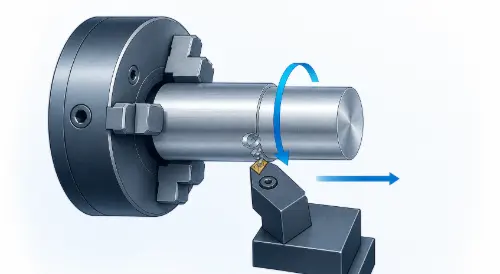
Настройка и система отсчёта
Определены заготовка, длина рукоятки, биение и опорные поверхности.
Грубое точение
Материал удаляется при контролируемом усилии резания, нагреве и образовании стружки.
Особенности отделки
Критические диаметры, отверстия, канавки и резьба выполняются в соответствии с чертежом.
Проверка
Перед отгрузкой проверяются размеры, биение, резьба и качество поверхности.
Для деталей, сочетающих в себе вращательные и призматические элементы, наша Обработка на станках с ЧПУ Оборудование позволяет координировать токарную, фрезерную, сверлильную обработку и дополнительные операции в рамках одной производственной линии.
Возможности токарной обработки
Параметры токарной обработки с ЧПУ
Используйте эти значения на ранних этапах проектирования. Окончательные технические характеристики определяются с учетом материала, геометрии, способа закрепления и плана контроля.
| Возможности | Параметр |
|---|---|
| Максимальная рабочая зона | До Ø500 × 1200 мм |
| Минимальный диаметр | От Ø1 мм |
| Типичная токарная обработка | Ra 0,8–3,2 мкм |
| Рекомендуемая металлическая стена | От примерно 0,7 мм |
| Рекомендуемая пластиковая стена | От примерно 1,5 мм |
| Диапазон резьбы | Внутренняя и наружная резьба, M1–M50 |
| Рекомендуемое соотношение глубины и диаметра | До 5× диаметра; для более глубоких элементов требуется дополнительная оценка |
| Объем производства | Прототипное, мелкосерийное и серийное производство |
Допуски на основе чертежей
Общие допуски при токарной обработке с ЧПУ
Если на чертеже указан стандарт ISO 2768-1, эти общие линейные допуски применяются только к размерам, для которых не указаны индивидуальные допуски.
| Номинальный размер | Тонкий — ISO 2768-f | Средний — ISO 2768-m |
|---|---|---|
| 0,5–3 мм | ±0,05 мм | ±0,10 мм |
| Более 3–6 мм | ±0,05 мм | ±0,10 мм |
| Более 6–30 мм | ±0,10 мм | ±0,20 мм |
| Более 30–120 мм | ±0,15 мм | ±0,30 мм |
| Более 120–400 мм | ±0,20 мм | ±0,50 мм |
| Более 400–1000 мм | ±0,30 мм | ±0,80 мм |
| Более 1000–2000 мм | ±0,50 мм | ±1,20 мм |
Стандарт ISO 2768 применяется только в том случае, если на него есть ссылка в чертеже. Для прилеганий, резьбы, биения, соосности, качества поверхности и размеров менее 0,5 мм требуются отдельные технические условия.
Материалы для токарной обработки
Материалы для деталей, изготовленных на токарных станках с ЧПУ
Выбор материала зависит от нагрузки, износа, коррозии, температуры, трения и стабильности размеров.
Алюминий
Легкие валы, прокладки, корпуса и фитинги из алюминия, из которого обычно изготавливают детали.
Нержавеющая сталь
Детали клапанов, резьбовые стержни, фитинги и коррозионно-стойкие прецизионные втулки.
Углеродистая и легированная сталь
Ролики, штифты, муфты и несущие валы трансмиссии.
Латунь и Бронза
Фитинги, втулки, подшипники, соединители и детали для прецизионных приборов.
Медь
Электрические контакты, клеммы, охлаждающие элементы и токопроводящие фитинги.
Инженерные пластики
POM, PEEK, PTFE, нейлон и PE для деталей с низким коэффициентом трения, изоляционных деталей или деталей, подвергающихся воздействию химических веществ.
При запросе ценового предложения укажите точный сорт, состояние, степень отпуски или наполнитель. При необходимости предоставляется информация об отслеживаемости материала и соответствующая документация.
Конструкция для токарной обработки
Снижение затрат на токарную обработку с ЧПУ ещё на этапе разработки чертежей
Простая геометрия и четко сформулированные функциональные требования сокращают время на настройку, изготовление инструментов и контроль качества.
Использовать стандартный запас
Подберите основной диаметр в соответствии с имеющимися размерами прутков или труб, чтобы сократить объем съема материала.
Управление параметрами «Стройная фигура»
Меньшая длина участков без опор позволяет снизить прогиб, вибрацию и потребность в дополнительных опорах.
Строгие допуски
Требования к точности следует применять только к функциональным посадкам, базовым поверхностям и критическим сопряжениям.
Используйте стандартные резьбы
Стандартные размеры резьбы и практичные канавки для снятия заусенцев позволяют сократить количество специального инструмента.
Проекты по токарной обработке деталей
Детали, изготовленные на заказ методом токарной обработки с ЧПУ
Высокоточные металлические и пластиковые детали — от прототипов до серийного производства.
Производство и контроль качества
От проверки чертежей до окончательной приемки
Критические элементы токарной обработки выявляются до начала производства и проверяются перед отгрузкой.
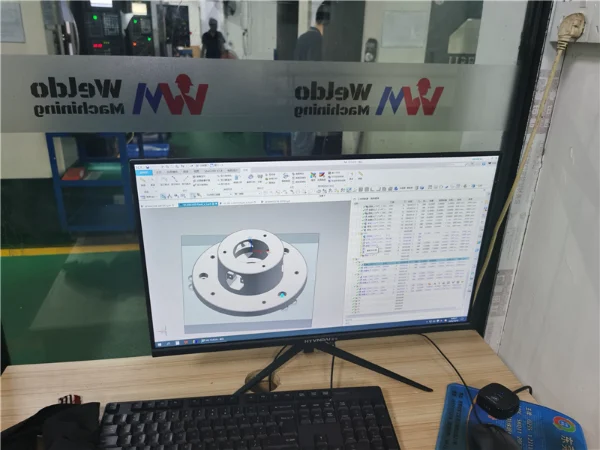
Обзор чертежа
Проверьте материал, толщину стенок, резьбу, фаски, биение и риски заклинивания.
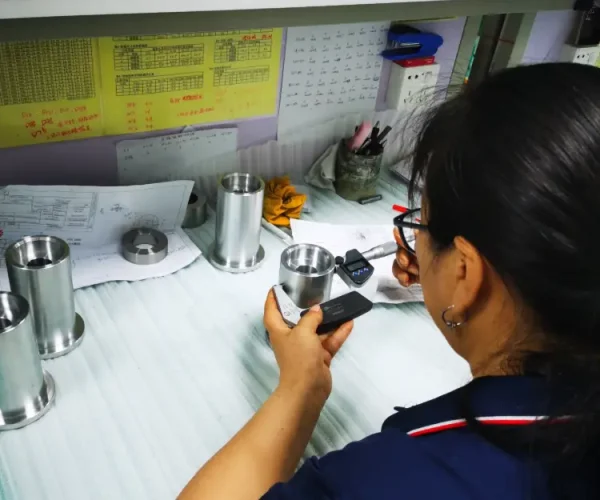
Контролируемое производство
Токарная обработка, вторичная обработка и контроль осуществляются в соответствии с утвержденной технологической схемой.
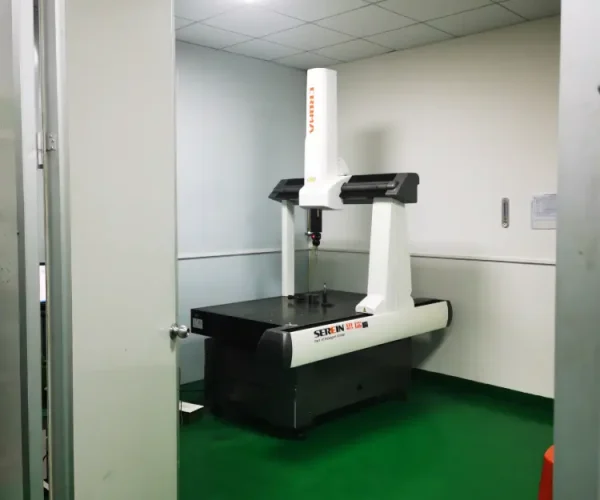
Контроль размеров
Контроль критических диаметров, внутренних диаметров, биения и резьбы осуществляется с помощью соответствующего оборудования.

Управление доставкой
Сертифицированные детали очищаются, обрабатываются защитным составом, маркируются и упаковываются для отправки.
Термообработка, прецизионная шлифовка и обработка поверхности требования можно согласовать с планом механической обработки и контроля.
Часто задаваемые вопросы о токарной обработке с ЧПУ
Спланируйте свой проект токарной обработки с ЧПУ
В чём заключается разница между токарной обработкой с ЧПУ и фрезерной обработкой с ЧПУ?
Токарная обработка заключается в вращении заготовки и подходит для деталей круглой формы. Фрезерование — это перемещение вращающегося инструмента по неподвижной детали с целью создания плоских поверхностей, углублений и сложных контуров.
Могут ли токарные детали иметь плоские участки, пазы или поперечные отверстия?
Да. При использовании приводных инструментов или в условиях контролируемого вторичного фрезерования можно создавать невращающиеся элементы, если это позволяют доступ к инструменту и контроль системы отсчёта.
Как осуществляется контроль качества длинных и тонких токарных деталей?
Задняя бабка, упоры, поэтапная обработка, снижение режущих усилий и контроль биения помогают сдерживать вибрацию и прогиб.
Как можно снизить затраты на токарную обработку с ЧПУ?
Используйте стандартную заготовку, ограничьте жесткие допуски только функциональными элементами, указывайте стандартные резьбы и сократите количество ненужных настроек.
Что влияет на сроки выполнения токарной обработки с ЧПУ?
График работ определяется наличием материалов, геометрией, количеством, допусками, термообработкой, а также требованиями к финишной обработке и контролю качества.