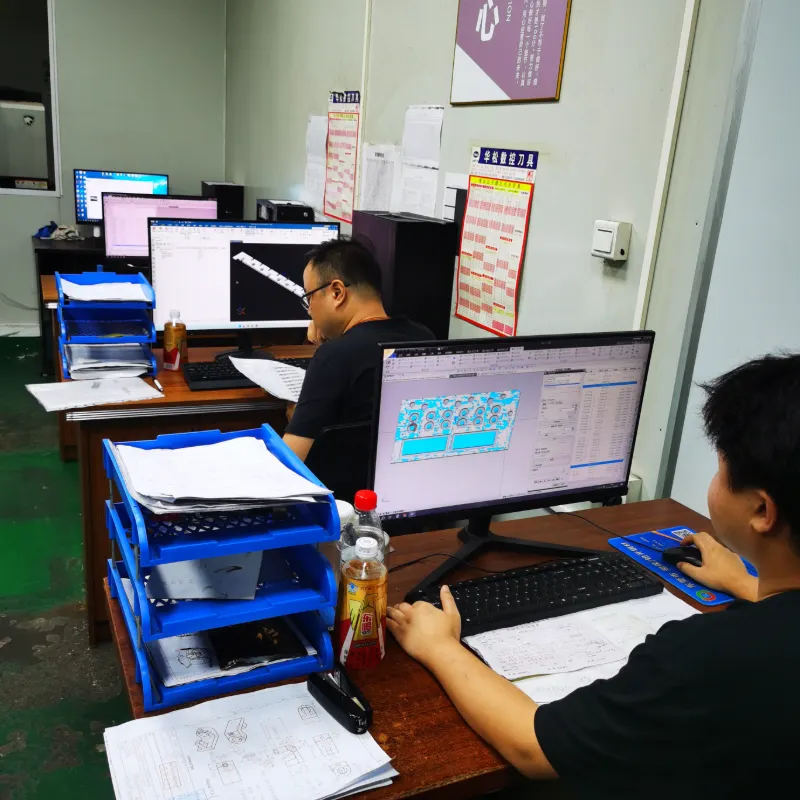
Алюминиевый сплав 5083 сочетает в себе относительно высокую прочность, хорошую свариваемость, низкотемпературную вязкость и коррозионную стойкость в морской воде. Он широко применяется в судостроении, при изготовлении резервуаров для хранения, железнодорожных вагонов, криогенного оборудования и промышленных конструкционных элементов. Его можно подвергать фрезерованию, токарной обработке, сверлению и нарезанию резьбы на станках с ЧПУ, однако его обрабатываемость, как правило, уступает 6061-T6. Более мягкие сплавы более подвержены прилипанию к инструменту, образованию длинных стружек, заусенцев и деформации при обработке.
В данной статье представлены химический состав, распространенные марки, механические свойства, методы обработки с ЧПУ, сложности при производстве, виды поверхностной обработки и области применения алюминиевого сплава 5083, что поможет конструкторам и специалистам по закупкам выбрать подходящий материал и оптимальный способ обработки.
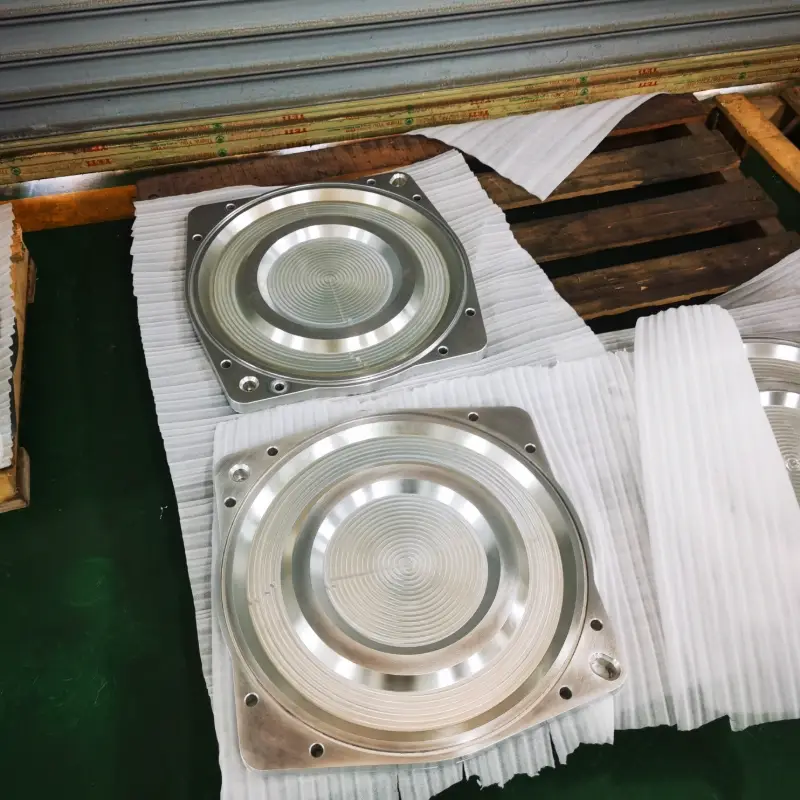
Что такое алюминий 5083?
5083 — это кованый алюминиевый сплав серии 5xxx, основным легирующим элементом которого является магний, наряду с марганцем и хромом. Это алюминиевый сплав, не поддающийся термической обработке, который невозможно упрочнить посредством старения по методу T6. Необходимые свойства этого сплава в основном достигаются за счет упрочнения магниевым твердым раствором, деформационного упрочнения и стабилизации.
К распространенным обозначениям материалов относятся AA 5083, UNS A95083, EN AW-5083, а также AlMg4,5Mn0,7. Требования к химическому составу, механическим свойствам и габаритам изделия могут незначительно различаться в зависимости от стандарта. Поэтому при закупке следует указывать стандарт на материал, форму изделия, состояние и толщину, а не обозначать материал просто как “5083”.”
Химический состав алюминия марки 5083
Магний обеспечивает основной упрочняющий эффект в сплаве 5083, а марганец и хром способствуют повышению прочности, стабильности микроструктуры и свариваемости. Содержание меди и других примесных элементов необходимо строго контролировать для сохранения коррозионной стойкости материала.
| Элемент | Типичное содержание | Основной эффект |
| Алюминий (Al) | Баланс | Образует матрицу сплава |
| Магний (Mg) | 4.0%–4.9% | Повышает прочность, коррозионную стойкость и свариваемость |
| Марганец (Mn) | 0.40%–1.00% | Повышает прочность и улучшает стабильность микроструктуры |
| Хром (Cr) | 0.05%–0.25% | Предотвращает рекристаллизацию и регулирует структуру зерен |
| Кремний (Si) | ≤0.40% | Присутствует в качестве контролируемого примесного элемента |
| Железо (Fe) | ≤0.40% | Ограничивает образование хрупких интерметаллических соединений |
| Медь (Cu) | ≤0.10% | Подвергается строгому контролю для обеспечения коррозионной стойкости |
| Цинк (Zn) | ≤0.25% | Присутствует в качестве ограниченного легирующего элемента |
| Титан (Ti) | ≤0.15% | Способствует уплотнению структуры зерна |
| Другие элементы | Каждый ≤0,051 TP3T; в сумме ≤0,151 TP3T | Обеспечивает контроль за содержанием примесей и стабильность качества от партии к партии |
Фактический состав должен соответствовать действующему стандарту на закупку и сертификату на материал.
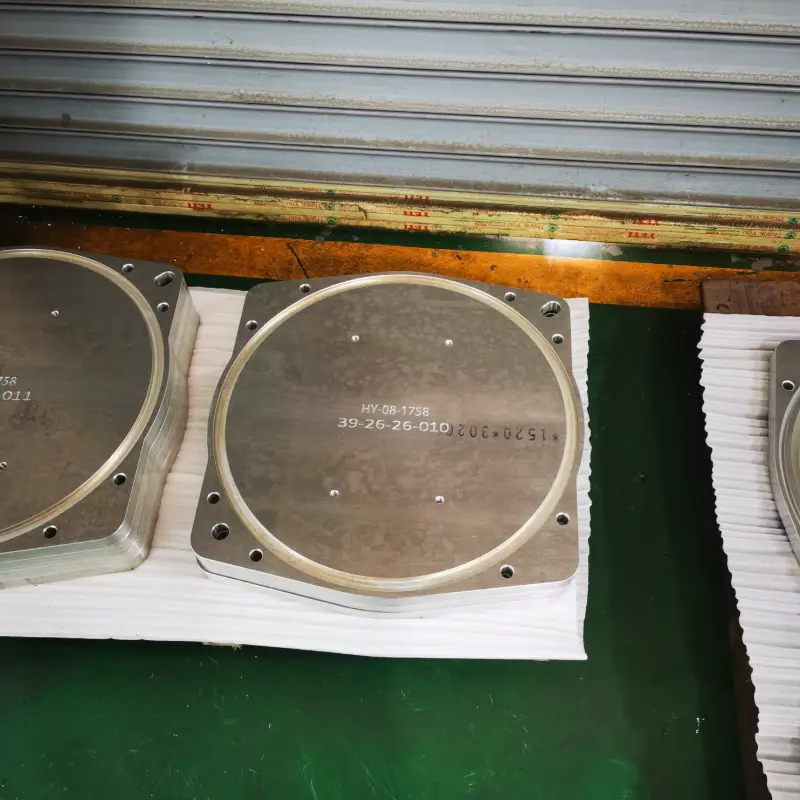
Механические свойства алюминия марки 5083
5083 — это обозначение сплава, а O, H111, H112, H32, H116 и H321 обозначают различные степени закалки материала. Его механические свойства зависят от степени закалки, толщины, формы изделия, направления отбора проб и применимого стандарта.
В приведенной ниже таблице представлены справочные характеристики для распространенных комбинаций марки и состояния 5083 в виде листов и пластин:
| Распространенные марки и состояния | Эталонная толщина | 0,21 TP3T Предел прочности | Прочность на разрыв | Удлинение |
| 5083-O | 1,2–40 мм | ≥125 МПа | 275–350 МПа | ≥16% |
| 5083-H111 | 3–12 мм | ≥145 МПа | 290–350 МПа | ≥16% |
| 5083-H112 | 6,3–40 мм | ≥125 МПа | ≥275 МПа | ≥10%–12% |
| 5083-H32 | 3,2–40 мм | ≥215 МПа | 305–385 МПа | ≥10%–12% |
| 5083-H116 | 3–40 мм | ≥215 МПа | ≥305 МПа | ≥10% |
| 5083-H321 | 3–40 мм | ≥215 МПа | 305–385 МПа | ≥10% |
Марки 5083-O и 5083-H111 обладают хорошей пластичностью и подходят для гибки, формовки и изготовления сварных конструкций общего назначения. Марка 5083-H112 обычно выпускается в виде толстых листов, прутков и горячедеформированных изделий, тогда как марка 5083-H32 сочетает в себе прочность с определенной степенью формуемости.
Марки 5083-H116 и 5083-H321 обладают более высокой прочностью и соответствуют требованиям по стойкости к эксфолиационной коррозии, что делает их пригодными в первую очередь для судов и морских сооружений. Указанные в таблице значения не могут заменить конкретный стандарт на закупку. При выборе материала также следует проверить его толщину, форму изделия и сертификат на материал.
Физические, тепловые и электрические свойства
| Недвижимость | Типичное эталонное значение |
| Плотность | Приблизительно 2,66 г/см³ |
| Модуль упругости | Приблизительно 69,2 ГПа |
| Модуль сдвига | Приблизительно 25,8 ГПа |
| Удельная теплоемкость | Приблизительно 1,03 Дж/г·К |
| Диапазон плавления | Приблизительно 575–640 °C |
| Теплопроводность при 20 °C | Прибл. 120 Вт/м·К |
| Электропроводность | Прибл. 15–19 мс/м |
| Коэффициент теплового расширения | Приблизительно 25 × 10⁻⁶/K |
| Твёрдость по Бринеллю для O/H111 | Обычно около 70–75 по шкале HB |
Теплопроводность и электропроводность сплава 5083 не являются его основными преимуществами. Однако низкая плотность и относительно высокая прочность конструкций делают его подходящим для применения в судостроении и транспортном оборудовании, где требуется снижение веса.
Сплав сохраняет хорошую прочность и вязкость в условиях низких температур, благодаря чему он подходит для изготовления криогенных резервуаров и оборудования, связанного с СПГ. При использовании в конструкциях, предполагающих длительное воздействие температур выше примерно 65 °C, следует повторно проверить степень отжига материала, продолжительность воздействия и применимый стандарт.
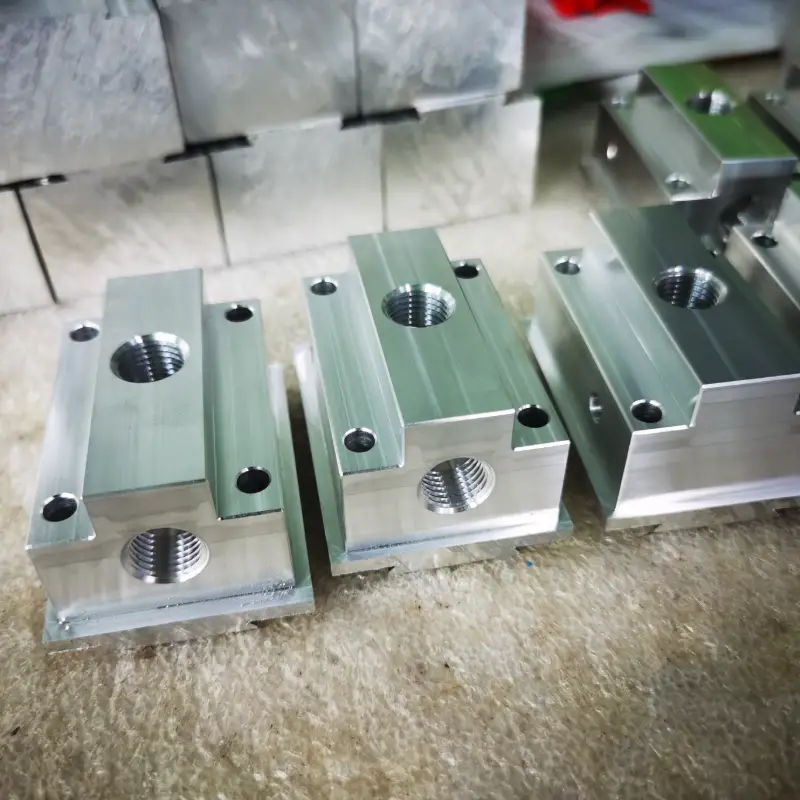
Распространенные виды термической обработки алюминия марки 5083
5083-O
Марка O характеризуется отжигаемым мягким состоянием, обладает хорошей пластичностью и способностью к холодной деформации. Она подходит для глубокой гибки, штамповки и сложной формовки. Однако, поскольку материал относительно мягкий, при обработке на станках с ЧПУ он более подвержен прилипанию к инструменту, образованию длинных стружек и заусенцев.
5083-H111
Сталь H111 подвергается умеренному упрочнению при деформации и обеспечивает оптимальный баланс между формуемостью, прочностью и свариваемостью. Она широко применяется для изготовления судовых листов, резервуаров для хранения и сварных конструкций общего назначения.
5083-H112
Марка H112, как правило, используется для изделий, полученных методом горяшей обработки, и широко применяется при производстве толстого листа, прутков и экструдированных профилей. Ее свойства определяются технологическим процессом изготовления изделия и применимым стандартом.
5083-H32
Сталь H32 подвергается упрочнению холодной деформацией и термической стабилизации, что обеспечивает ей относительно высокую прочность и определенную степень формуемости. Ее можно использовать для изготовления листовых и пластинчатых изделий, корпусов, а также общепромышленных коррозионно-стойких конструкций.
5083-H116
Сталь H116 проходит специальную деформационную обработку для обеспечения заданных механических свойств и устойчивости к эксфолиационной коррозии. Она в основном применяется в судостроении и в морских условиях.
5083-H321
Сталь H321 после упрочнения деформацией приобретает стабильные свойства и сочетает в себе прочность, коррозионную стойкость и стабильность микроструктуры. Она широко применяется для изготовления корпусов, палуб и других судовых конструкций.
Коррозионная стойкость алюминия марки 5083
Сплав 5083 обладает хорошей коррозионной стойкостью в морской воде, в условиях солевого тумана, во влажной среде и при контакте с различными промышленными средами, что делает его широко используемым алюминиевым сплавом морского класса. Марки H116 и H321 особенно подходят для конструкций, к которым предъявляются четко определенные требования по коррозионной стойкости в морских условиях.
Однако хорошая коррозионная стойкость в морской воде не означает, что любую конструкцию можно оставить без защиты. При проектировании по-прежнему следует избегать прямого контакта разнородных металлов, скопления воды в щелях и длительного загрязнения. Меры по герметизации, нанесению покрытий или электрохимической изоляции следует выбирать с учетом условий эксплуатации.
Обработка алюминия марки 5083 на станках с ЧПУ
Алюминий марки 5083 поддается фрезерованию, токарной обработке, сверлению и нарезанию резьбы на станках с ЧПУ, однако он не относится к числу типичных легкообрабатываемых алюминиевых сплавов. Состояние материала оказывает существенное влияние на отвод стружки, образование заусенцев, качество поверхности и стабильность размеров.
Для механической обработки, как правило, требуются острые режущие инструменты, предназначенные для обработки алюминия, с большим положительным углом наклона режущей кромки и отполированными канавками для стружки. Твердосплавные инструменты подходят для высокоскоростной и серийной обработки, тогда как инструменты из поликристаллического алмаза (PCD) — для проектов, предъявляющих высокие требования к качеству поверхности и сроку службы инструмента.
Фрезерование с ЧПУ
Фрезерование с ЧПУ подходит для обработки корпусов из сплава 5083, соединительных пластин, монтажных оснований, фланцев и крупных листовых деталей. При обработке глубоких полостей и тонкостенных конструкций следует использовать стабильные траектории инструмента, равномерный съем материала и поэтапную обработку, чтобы предотвратить деформацию, вызванную сосредоточенным резанием с одной стороны.
Токарная обработка с ЧПУ
Стан 5083 можно использовать для обработки втулок, колец, резьбовых соединений и круглых фланцев. При токарной обработке следует выбирать пластины и геометрию стружколома, предназначенные для алюминия, а также поддерживать стабильную подачу, чтобы предотвратить намотку длинных стружек на инструмент или появление царапин на детали.
Сверление и нарезание резьбы
В процессе сверления необходимо тщательно контролировать удаление стружки и прилипание материала. Для сверления глубоких отверстий можно применять метод «пек-сверления» и использовать достаточное количество охлаждающей жидкости. При нарезании резьбы следует правильно подобрать размер резьбонарезного сверла, а также использовать метчики и смазочные материалы, подходящие для алюминиевых сплавов, чтобы снизить риск разрыва резьбы и поломки метчика.
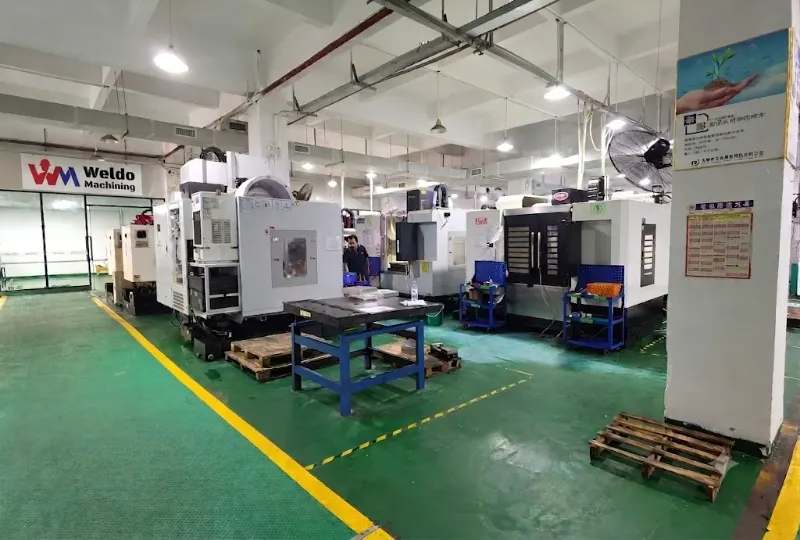
Проблемы при обработке алюминия марки 5083 на станках с ЧПУ
| Сложности при механической обработке | Основной риск | Рекомендуемое решение |
| Накладной край | Неровности поверхности, отклонения в размерах и износ инструмента | Используйте острые инструменты с большим положительным углом наклона режущей кромки и обеспечивайте достаточную смазку |
| Длинные чипы | Стружка, намотающаяся на инструменты, забивающая глубокие отверстия и оставляющая царапины на заготовках | Используйте стругоразрушители, обеспечьте стабильную подачу и эффективный отвод стружки |
| Образование бурта | Заметные заусенцы на отверстиях и краях тонкостенных деталей | Поддерживайте инструменты в остром состоянии и снижайте режущие усилия при выходе инструмента из материала |
| Деформация тонких стенок | Деформация при зажиме и возврат в исходное положение после снятия зажима | Используйте зажим с минимальной нагрузкой, небольшую глубину реза и симметричное снятие материала |
| Остаточное напряжение | Деформация после механической обработки крупногабаритных листовых деталей | Поочередная обработка с обеих сторон и разделение черновой и чистовой обработки |
| Накопление тепла | Изменение размеров и ухудшение качества поверхности | Регулируйте температуру резки и обеспечивайте стабильное охлаждение |
Темпер O наиболее подвержен прилипанию к инструменту и образованию длинных стружек, тогда как H111, как правило, обеспечивает несколько лучшую стабильность обработки. Стали H32, H116 и H321 обладают более высокой прочностью и лучше способствуют сохранению стабильности размеров при надлежащих условиях зажима. Однако при обработке крупных тонкостенных деталей по-прежнему необходимо контролировать остаточные напряжения и последовательность снятия материала.
Другие технологии производства алюминия марки 5083
Пиление и гидроабразивная резка
Пиление подходит для рутинной резки листов и профилей из сплава 5083, тогда как гидроабразивная резка — для листов средней толщины и сложных контуров. При гидроабразивной резке не образуется значительная зона термического влияния, что способствует снижению термической деформации.
Лазерная резка
Лазерная резка подходит для изготовления контуров, отверстий и конструкций из тонколистового алюминия марки 5083. Поскольку алюминиевые сплавы обладают высокой отражательной способностью и теплопроводностью, следует использовать лазерное оборудование, предназначенное для обработки алюминия, с соответствующим регулированием мощности, скорости и подачи защитного газа.
Гибка и прокатка
Сталь марки 5083 обладает хорошими характеристиками при гибке и профилировании и подходит для изготовления листов корпусов судов, резервуаров для хранения и изогнутых конструкций. Сталь с состояниями O и H111 легче поддается формовке, тогда как для состояний H116 и H321, как правило, требуется больший радиус гибки.
Штамповка и холодная штамповка
Штамповка и холодная штамповка подходят для изготовления корпусов, крышек и деталей из листового металла из сплава 5083 средней сложности. Для сложной штамповки, как правило, предпочтительны более мягкие состояния, при этом также необходимо оптимизировать зазор в штампе, радиусы углов и последовательность штамповки.
Сварка
Сплав 5083 подходит для сварки методами MIG, TIG и сварки трением с перемешиванием. В качестве присадочных материалов обычно используются сплавы 5183, 5356 и 5556. Конкретный присадочный материал следует выбирать с учетом состояния основного металла, требуемых эксплуатационных характеристик соединения и применимого стандарта.
Тепло, выделяемое при сварке, может привести к изменению свойств зоны термического влияния и деформации конструкции. Поэтому после сварки можно провести чистовую механическую обработку деталей с критическими размерами.
Области применения алюминия марки 5083
Морские компоненты
Сталь марки 5083 широко используется для изготовления обшивки корпуса, судовых фланцев, палубных соединителей, рам люков, кронштейнов для оборудования и комплектующих силовой установки. Благодаря хорошей коррозионной стойкости в морской воде она подходит для эксплуатации в условиях солевого тумана и прибрежных зон.
Резервуары и сосуды под давлением
Сталь марки 5083 может использоваться для изготовления резервуаров, торцевых крышек резервуаров, фланцев и соединительных элементов трубопроводов. При изготовлении конструкций, работающих под давлением, необходимо проверить состояние материала, толщину листов и эксплуатационные характеристики сварных соединений в соответствии с применимым стандартом.
Детали для транспортных средств
Сталь марки 5083 может использоваться для изготовления панелей пола, кронштейнов, корпусов и сварных рам в железнодорожных транспортных средствах, коммерческом транспорте и специальной транспортной технике. Она позволяет снизить вес, сохраняя при этом необходимую прочность конструкции.
Криогенное оборудование
5083 сохраняет хорошую ударную вязкость при низких температурах и может применяться для изготовления конструкционных элементов в СПГ оборудование, криогенные резервуары и установки по разделению воздуха. При проектировании критически важных деталей необходимо учитывать их эксплуатационные характеристики при низких температурах, а также требования к сварке.
Промышленные прецизионные детали
С помощью фрезерования и токарной обработки с ЧПУ из сплава 5083 можно изготавливать коррозионно-стойкие корпуса, соединительные пластины, фланцы, монтажные основания и крепежные приспособления для оборудования. При изготовлении тонкостенных и высокоточных деталей необходимо уделять особое внимание состоянию материала, способу зажима и последовательности обработки.
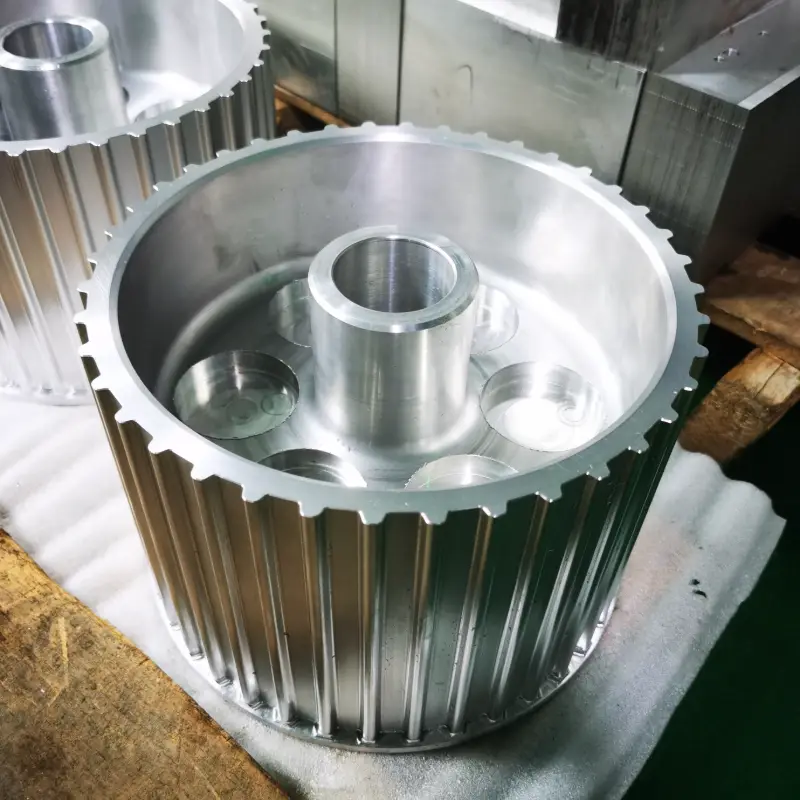
Алюминий 5083 и алюминий 6061
5083 и 6061 — оба являются широко используемыми конструкционными алюминиевыми сплавами, однако они предназначены для разных областей применения. В сплаве 5083 больше внимания уделяется коррозионной стойкости в морской среде, свариваемости и эксплуатационным характеристикам при низких температурах, тогда как сплав 6061 отличается более сбалансированной обрабатываемостью на станках с ЧПУ и подходит для изготовления прецизионных деталей общего назначения.
| Сравнение | Алюминий 5083 | Алюминий 6061 |
| Основные легирующие элементы | Магний и марганец | Магний и кремний |
| Метод укрепления | Упрочнение и стабилизация | Термическая обработка и выдержка |
| Устойчивость к морской коррозии | Превосходно | Хорошо |
| Свариваемость | Превосходно | Хорошо, но смягчение HAZ более заметно |
| Возможность обработки на ЧПУ | Умеренный | Хорошо |
| Рабочие характеристики при низких температурах | Превосходно | Хорошо |
| Типичные области применения | Корабли, танки и сварные конструкции | Кронштейны, корпуса, крепежные элементы и прецизионные детали |
Сплавы 5083-H116 и H321 обеспечивают относительно высокую прочность на разрыв, тогда как сплавы 6061-T6 или T651, как правило, обладают более высоким пределом текучести и лучшими характеристиками по удалению стружки.
Алюминий марки 5083, как правило, предпочтительнее использовать для морского оборудования, криогенных резервуаров и крупных сварных конструкций, тогда как алюминий марки 6061 обычно лучше подходит для изготовления сложных корпусов, приспособлений, кронштейнов и прецизионных деталей общего назначения, изготавливаемых на станках с ЧПУ.
Виды отделки поверхности алюминия марки 5083
Анодирование
Анодирование может повысить износостойкость поверхности и защитные свойства сплава 5083. Однако более высокое содержание магния может привести к появлению более темных оттенков или к колебаниям цвета от партии к партии, поэтому детали, имеющие эстетическое значение, следует заранее проверить на образцах.
Химическое конверсионное покрытие
Химическое конверсионное покрытие обеспечивает базовую защиту от коррозии и улучшает адгезию лакокрасочных и порошковых покрытий. Это тонкое покрытие практически не влияет на прецизионные размеры и электропроводящие контактные поверхности.
Порошковое покрытие
Порошковое покрытие позволяет создать относительно толстый, устойчивый к воздействию атмосферных факторов защитный слой и подходит для корпусов морского оборудования, деталей транспортных средств и конструкций, эксплуатируемых на открытом воздухе. Перед нанесением покрытия требуется тщательная очистка и соответствующая химическая предварительная обработка.
Живопись
Метод нанесения краски «мокрым способом» позволяет создавать гибкие системы, обеспечивающие необходимый цвет, блеск и защиту от коррозии, и широко применяется при окраске судов и крупных сварных конструкций. Фактическая защитная эффективность зависит от подготовки поверхности, выбора грунтовки и общей системы покрытия.
Полировка
Механическая полировка позволяет уменьшить незначительные следы от инструментов и повысить гладкость поверхности, но сама по себе не может обеспечить долгосрочную защиту от коррозии. При необходимости можно нанести прозрачное защитное покрытие.
Рекомендации по проектированию деталей из алюминия марки 5083
Укажите правильную температуру
На чертеже должно быть четко указано конкретное состояние 5083. Состояние H111 подходит для формовки и общего сварного производства, тогда как состояния H116 и H321 более подходят для применения в судостроении. Указания только обозначения сплава недостаточно.
Сохранение фактической толщины стенки
Толщина стенок должна быть максимально однородной. Следует избегать больших неподпертых тонких стенок, глубоких полостей и стройных консольных конструкций. Достаточная жесткость конструкции способствует уменьшению деформаций при механической обработке и сварке.
Указать доступ к инструменту и радиусы закругления углов
Глубокие полости и чрезмерно малые радиусы внутренних углов ограничивают диаметр инструмента и усиливают вибрацию. Соответствующее увеличение радиусов внутренних углов и уменьшение отношения глубины полости к её ширине позволяют использовать более жёсткие инструменты.
Выборочное применение допусков
Узкие допуски следует применять преимущественно к монтажным поверхностям, сопрягаемым отверстиям и критически важным участкам. Чрезмерно широкие допуски в нефункциональных зонах приводят к увеличению затрат на механическую обработку, контроль качества и исправление дефектов.
Предусмотреть возможность проведения сварочных работ и отделки
Критические размеры в сварных конструкциях могут быть доработаны после сварки. Анодирование, конверсионное покрытие и напыление также могут повлиять на локальные размеры и внешний вид, поэтому при проектировании следует предусмотреть необходимый припуск.
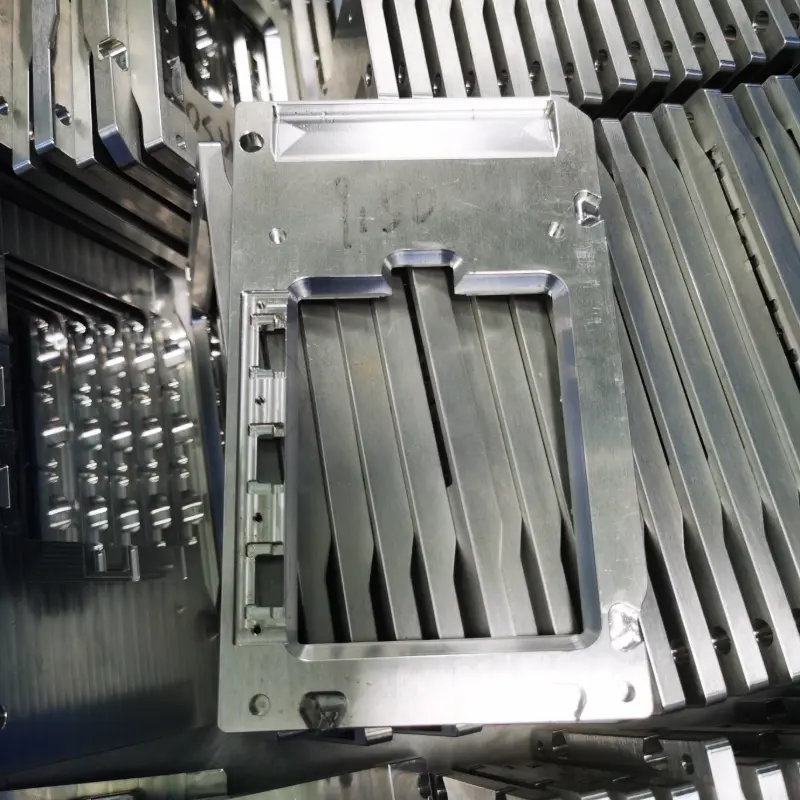
Факторы, влияющие на стоимость обработки алюминия марки 5083 на станках с ЧПУ
Материал и геометрия детали
H116, H321, толстолисты большого формата, а также материалы, имеющие сертификат морской классификации, как правило, характеризуются более высокими затратами на закупку. Глубокие полости, тонкие стенки и конструкции, требующие высокой скорости съема материала, также увеличивают время обработки и затрудняют контроль деформации.
Допуски и стабильность размеров
Жесткие допуски на размеры, требования к плоскостности и качеству поверхности, как правило, требуют проведения дополнительных операций по финишной обработке, контролю и корректировке. Сосредоточение усилий на обеспечении высокой точности в критически важных местах сопряжения позволяет контролировать производственные затраты.
Объем производства
Затраты на программирование, настройку оборудования и приспособления невозможно полностью распределить между заказами с небольшим объемом, поэтому цена за единицу, как правило, выше. При серийном производстве использование специализированных приспособлений, зажим нескольких деталей одновременно и оптимизация траектории инструмента позволяют снизить себестоимость единицы продукции.
Заключение
Основными преимуществами алюминиевого сплава 5083 являются устойчивость к морской коррозии, свариваемость, относительно высокая прочность и низкотемпературная вязкость. Он подходит для применения в судостроении, при изготовлении резервуаров для хранения, транспортного оборудования, криогенных установок и крупных сварных конструкций.
Его также можно использовать для изготовления прецизионных деталей с ЧПУ, однако инструменты, отвод стружки, способ закрепления заготовки и последовательность снятия материала должны быть правильно подобраны с учетом конкретного состояния металла, например 5083-O, H111, H32, H116 или H321.
Компания «Weldo Machining» может выполнить фрезерование и токарную обработку с ЧПУ, а также оказать сопутствующие услуги по финишной обработке поверхностей деталей из алюминия марки 5083 в соответствии с чертежами заказчика. Предоставление информации, такой как состояние материала, допуски, количество и условия эксплуатации, позволяет дать более точные рекомендации по механической обработке и обеспечить прозрачность цитаты.
Часто задаваемые вопросы
Можно ли подвергнуть алюминий марки 5083 термообработке?
5083 — это алюминиевый сплав, не поддающийся термической обработке, который невозможно упрочнить посредством старения по методу T6. Его свойства в основном достигаются за счет упрочнения в твердом растворе, деформационного упрочнения и стабилизации.
Подходит ли алюминий марки 5083 для обработки на станках с ЧПУ?
Алюминий марки 5083 подходит для обработки на станках с ЧПУ, однако его обрабатываемость, как правило, уступает обрабатываемости алюминия марки 6061-T6. При выборе подходящего состояния и использовании острого инструмента, достаточной смазки и стабильного удаления стружки можно добиться хорошей точности размеров и качества поверхности.
В чём разница между 5083-H116 и H321?
Сталь марки H116 подвергается специальной деформационной закалке для обеспечения соответствия заданным требованиям к механическим свойствам и стойкости к эксфолиационной коррозии, тогда как сталь марки H321 после деформационной закалки подвергается стабилизации. Обе марки широко используются в морских сооружениях, однако их выбор должен осуществляться в соответствии с конкретным стандартом и сертификатом на материал.
Подходит ли алюминий марки 5083 для применения в условиях морской воды?
Сталь марки 5083 обладает хорошей стойкостью к коррозии под воздействием морской воды и солевого тумана, что делает её пригодной для использования на судах и в морском оборудовании. Однако по-прежнему необходимо контролировать контакт разнородных металлов, скопление воды в щелях и качество сварки. Необходимость нанесения дополнительного покрытия следует определять с учётом условий эксплуатации.
Какая степень закалки 5083 лучше всего подходит для обработки на станках с ЧПУ?
Стали H32, H116 и H321 обладают более высокой прочностью и, как правило, легче сохраняют стабильность размеров при механической обработке по сравнению с состоянием «O». При окончательном выборе необходимо учитывать требования к коррозионной стойкости, особенности формовки, свариваемость, а также применимый стандарт на продукцию.