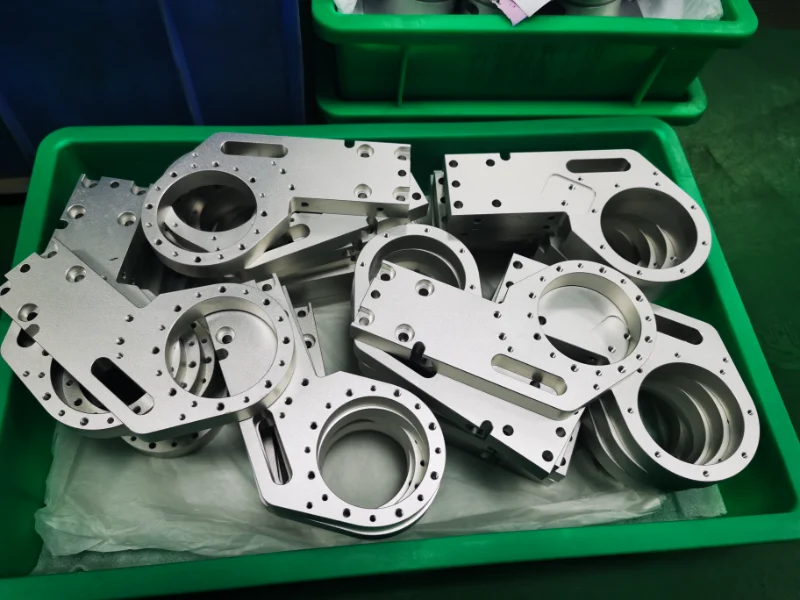
Алюминиевый сплав 5052 относится к системе сплавов Al-Mg (алюминий-магний) и является одним из наиболее широко используемых алюминиевых материалов в серии 5xxx. Он известен своей превосходной коррозионной стойкостью, хорошей формуемостью и умеренной прочностью. Он широко используется в судостроении, автомобилестроении, электронике, механических конструкционных элементах и различных листовой металл изделия. В следующих разделах систематически представлены свойства материала, особенности обработки, механические свойства и сравнение с другими алюминиевыми сплавами.
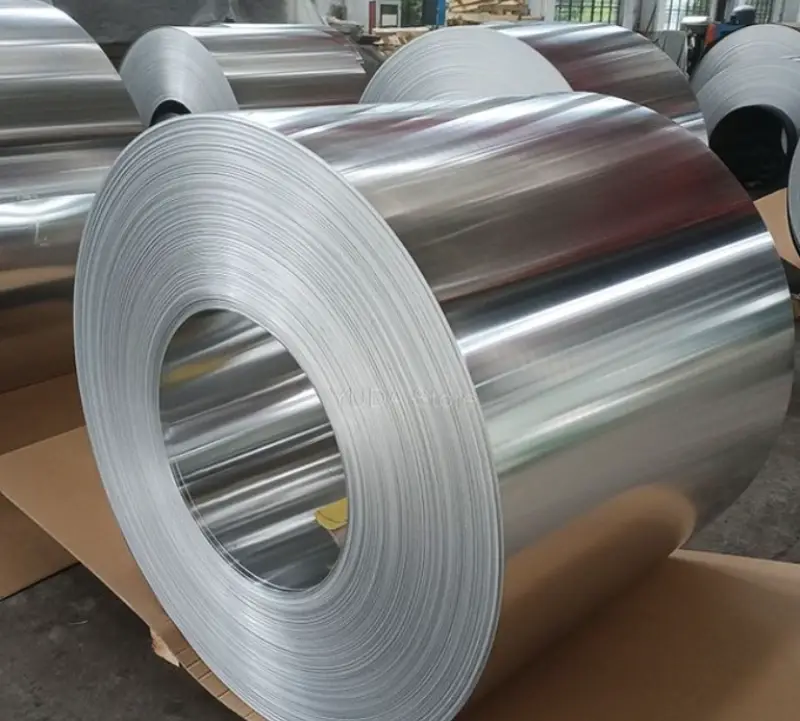
Характеристики и химический состав алюминиевого сплава 5052
Алюминиевый сплав 5052 - это алюминиевый сплав, не поддающийся термической обработке, в основном усиленный за счет холодной обработки. Его основными характеристиками являются сильная устойчивость к морской коррозии, хорошая пластичность и отличные сварочные характеристики.
Химический состав
| Элемент | Содержание |
|---|---|
| Эл | Баланс |
| Mg | 2.2 - 2.8% |
| Cr | 0.15 - 0.35% |
| Fe | ≤0.40% |
| Si | ≤0.25% |
| Cu | ≤0.10% |
| Mn | ≤0.10% |
| Zn | ≤0.10% |
Среди этих элементов магний (Mg) является основным упрочняющим элементом, который повышает прочность и коррозионную стойкость материала.
Основные характеристики
Алюминиевый сплав 5052 широко используется в промышленном производстве благодаря своим сбалансированным комплексным характеристикам.
Во-первых, алюминиевый сплав 5052 обладает хорошей коррозионной стойкостью. Поскольку в нем высокое содержание алюминия, на поверхности естественным образом образуется плотная и стабильная оксидная пленка. Кроме того, добавленный магний находится в виде твердого раствора и не образует грубых осадков, которые могут вызвать межкристаллитную коррозию. Общий состав однороден, поэтому он не подвержен ржавчине или коррозии в повседневной среде, во влажных условиях или даже в слабоагрессивной среде, обеспечивая высокую долговечность.
Алюминиевый сплав 5052 обладает отличной формуемостью. Содержание магния в нем составляет 2,2%-2,8%. При повышении прочности за счет упрочнения твердым раствором он сохраняет хорошую пластичность и вязкость. Упрочняющий эффект магния умеренный и не приводит к значительному снижению способности к деформации. Растрескивание при гибке, штамповке или растяжении маловероятно, что делает его пригодным для различных процессов холодной обработки. Он широко используется для обработки листового металла и изготовления корпусов электронного оборудования.
С точки зрения прочности 5052 относится к среднепрочным алюминиевым сплавам. Его прочность значительно выше, чем у алюминия 3003. Магний является основным упрочняющим элементом в этом сплаве. Он повышает прочность за счет упрочнения твердым раствором, сохраняя при этом хорошую обрабатываемость и обеспечивая определенную способность к структурной поддержке.
Алюминиевый сплав 5052 обладает отличным качеством поверхности, в основном благодаря содержанию алюминия более 95% и разумному составу сплава. Чистая алюминиевая матрица однородна и стабильна, что снижает вероятность образования дефектов при обработке поверхности и позволяет получить гладкую и тонкую поверхность. Сплав очень хорошо подходит для естественного или цветного анодирования, образуя равномерную и плотную оксидную пленку, которая значительно улучшает коррозионную стойкость, износостойкость и качество внешнего вида.
В целом, алюминиевый сплав 5052 обеспечивает хороший баланс между коррозионной стойкостью, формуемостью и прочностью, что делает его одним из наиболее часто используемых алюминиевых сплавов в промышленности и производстве листового металла.
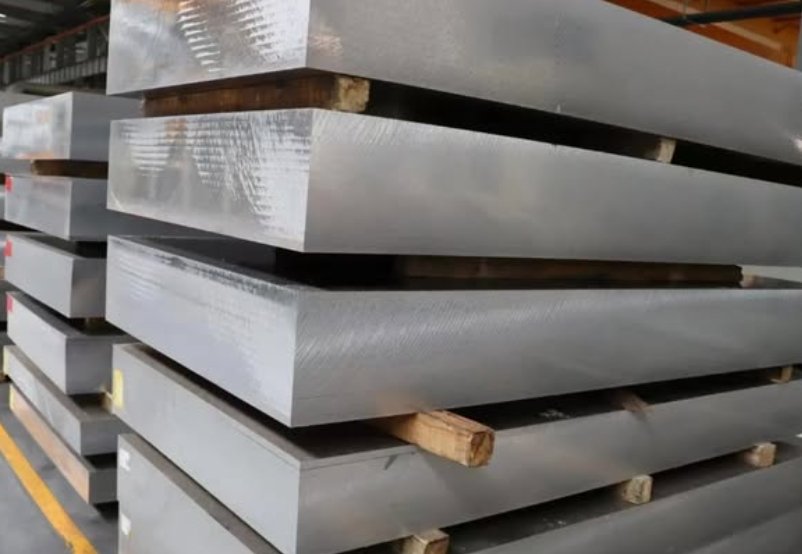
Обрабатываемость алюминиевого сплава 5052
Алюминиевый сплав 5052 обладает хорошей технологичностью и очень распространен в обработке с ЧПУ и производстве листового металла.
Характеристики производительности обработки
Формуемость
В процессах формовки сплав обладает отличной пластичностью и ковкостью. Он хорошо подходит для различных процессов холодной обработки и может стабильно выполнять операции штамповки, глубокой вытяжки, прокатки и гибки. Он не легко растрескивается, пружинящая обратная связь контролируется, и он может удовлетворить требования к формовке сложных криволинейных поверхностей и прецизионных листовых металлических конструкций, что приводит к высокому выходу обработки.
Обработка и обработка поверхности
При механической обработке и обработке поверхности 5052 обладает умеренной режущей способностью. Использование острых инструментов и соответствующих параметров резания позволяет эффективно избежать заедания инструмента и обеспечить точность размеров и чистоту поверхности. В то же время превосходное качество поверхности делает ее пригодной для анодирования, пескоструйной обработки, обработки щеткой, напыления и других методов обработки. После обработки слой покрытия становится равномерным, а внешний вид - деликатным, что значительно повышает коррозионную стойкость и улучшает визуальное качество.
Тепловые свойства алюминия 5052
5052 относится к сплавам, не поддающимся термической обработке, и его прочность достигается в основном за счет холодной обработки.
Тепловые свойства
| Недвижимость | Значение |
|---|---|
| Температура плавления | 607-650°C |
| Теплопроводность | 138 Вт/м-К |
| Коэффициент линейного расширения | 23,7 мкм/м-°C |
Алюминиевый сплав 5052 не может значительно повысить свою прочность путем закалки или старения (непрерывного низкотемпературного нагрева). Обычно он используется только для низкотемпературной термообработки, такой как отжиг и снятие напряжения. Его механические свойства остаются стабильными в обычных условиях при температуре около 100°C. Его жаростойкость умеренная, а прочность может снижаться при длительном воздействии высоких температур, поэтому он не подходит для высокотемпературных несущих конструкций. Однако он обладает хорошей теплопроводностью и умеренным коэффициентом теплового расширения, обеспечивая стабильную и надежную работу в системах теплоотвода, листового металла и конструкциях при комнатной и средне-низкой температурах.
Механические свойства алюминиевого сплава 5052
Механические свойства зависят от состояния закалки.
| Темпер | Прочность на разрыв | Предел текучести | Удлинение |
|---|---|---|---|
| O (отожженный) | 170 МПа | 65 МПа | 25% |
| H32 (Упрочнение и стабилизация деформации) | 215 МПа | 160 МПа | 12% |
| H34 (Усиленная деформация) | 230 МПа | 180 МПа | 10% |
Общие характеристики:
Средняя прочность: алюминиевый сплав 5052 обладает средней прочностью. По сравнению с чистым алюминием, он обладает лучшей несущей способностью при сохранении хорошей обрабатываемости, что делает его пригодным для изготовления различных легких конструкционных деталей и механических компонентов.
Хорошая пластичность: алюминиевый сплав 5052 обладает отличной пластичностью и формуемостью. Особенно при отпуске O удлинение относительно высокое, что делает его пригодным для штамповки, гибки и обработки сложных форм. Поэтому он широко используется в производстве листового металла и конструкций.
Хорошая усталостная прочность: Алюминиевый сплав 5052 обладает хорошей усталостной прочностью и может выдерживать длительные циклические нагрузки без образования трещин. Он широко используется в транспортном оборудовании и механических конструкциях.
Можно ли сваривать алюминиевый сплав 5052
Алюминиевый сплав 5052 обладает очень хорошей свариваемостью и подходит для следующих методов сварки:
Сварка TIG (Сварка вольфрамовым электродом в инертном газе): используется нерасходуемый вольфрамовый электрод в качестве источника тепла и газ аргон для защиты расплавленной ванны. Процесс сварки стабилен, сварной шов красив, а точность высока. Он подходит для тонких пластин, точных деталей и приложений, требующих высококачественного внешнего вида, и является распространенным методом сварки для алюминиевого сплава 5052.
MIG-сварка (Сварка в среде инертного газа): в качестве электрода и присадочного материала используется непрерывно подаваемая алюминиевая проволока, защищенная газом аргоном. Она отличается высокой скоростью сварки, глубоким проплавлением и высокой эффективностью. Она подходит для листов средней толщины и крупных конструкционных деталей и широко используется в листовом металле, шкафах и кронштейнах из 5052.
Сварка сопротивлением: выделяет тепло за счет контактного сопротивления под давлением электрода, расплавляя и склеивая контактные поверхности. Не требует сварочной проволоки, открытого пламени и обеспечивает чрезвычайно высокую скорость. Часто используется для сварки внахлест и точечной сварки, подходит для крупномасштабного автоматизированного производства, такого как сборка корпусов и конструкций из листового металла.
Распространенные сварочные проволоки для алюминиевого сплава 5052
ER5356: содержит большее количество магния, обеспечивая превосходную прочность сварного шва, вязкость и трещиностойкость. Он обеспечивает хороший внешний вид сварного шва и сильную устойчивость к окислению. Обладает широкой универсальностью и подходит для сварки TIG, MIG и других методов, что делает ее распространенной сварочной проволокой для 5052.
ER5183: имеет умеренное содержание магния и хорошую сварочную текучесть при стабильных процессах сварки. Сварной шов обладает хорошей пластичностью и является преимуществом в конструкциях, требующих повышенной пластичности и коррозионной стойкости, обеспечивая надежность соединения. Прочность после сварки немного снижается, но общие структурные характеристики остаются хорошими.
Формы и области применения алюминиевого сплава 5052
Алюминиевый сплав 5052 поставляется в различных формах. К распространенным формам относятся:
Алюминиевая пластина 5052: наиболее широко используемый конструкционный материал, с плоской поверхностью и отличным внешним видом. Толщина варьируется в пределах 0,5-100 мм. Он обладает отличной пластичностью и может подвергаться обработке на станках с ЧПУ, гибке, штамповке, сверлению и другим процессам. В сочетании с анодированием, нанесением покрытий и обработкой щеткой он используется в корпусах электроники, прецизионных деталях из листового металла, механических компонентах и дорожных знаках, от которых требуется как прочность конструкции, так и качество внешнего вида.
Алюминиевая катушка 5052: поставляется в непрерывных рулонах, часто с защитной пленкой на поверхности. Толщина варьируется в пределах 0,1-3,0 мм и обладает эффективными характеристиками непрерывной обработки. Благодаря процессам выравнивания, продольной резки, прокатки и штамповки можно добиться автоматизированного массового производства с высокой степенью использования материала. В основном используется в корпусах бытовой техники, отражателях освещения, изоляции труб и различных конструкционных деталях непрерывной штамповки.
Алюминиевая полоса 5052: узкий полосовой материал, вырезанный из рулонов 5052, отличающийся высокой точностью кромок и гладкими поверхностями толщиной 0,1-2,0 мм. Имея стабильные размеры, он подходит для автоматизированной подачи и точной формовки. Его можно штамповать, прокатывать, гнуть и сваривать. С помощью анодирования или нанесения покрытий он обычно используется для изготовления ребер радиаторов, экранирующих крышек для электроники, уплотнительных прокладок и выступов для подключения батарей.
5052 Алюминиевая фольга: чрезвычайно тонкий рулонный материал толщиной всего 0,01-0,1 мм. Он мягкий с высоким блеском поверхности и обладает отличными барьерными, теплопроводными и электропроводными свойствами. Он может быть обработан с помощью высечки, ламинирования, фальцовки и сварки и в основном используется в пищевой упаковке, электронном экранировании, изоляционных слоях и уплотнительных прокладках.
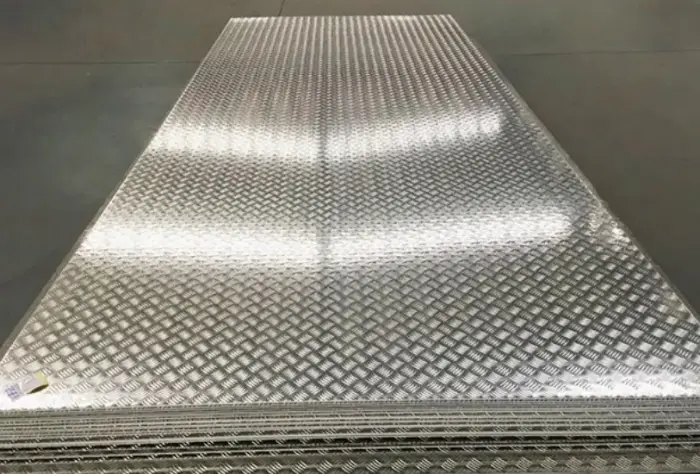
5052 Узорчатая пластина: на поверхность нанесен рельефный противоскользящий рисунок в виде чечевицы или ромба. Толщина варьируется в пределах 1,5-6 мм, сочетая в себе противоскользящие свойства, износостойкость и эстетичность. Он может быть обработан с помощью резки, гибки, сверления и сварки, а также может быть покрыт или анодирован для повышения устойчивости к погодным условиям. Он широко используется на промышленных платформах, лестничных проступях, полах автомобилей и палубах кораблей, где требуется надежное противоскользящее покрытие.
Другие типичные области применения алюминиевого сплава 5052
- Транспортная промышленность: автомобильные топливные баки, внутренние панели автомобилей, кузова грузовиков
- Судостроение и морское дело: корпусные конструкции, детали судов, морское оборудование
- Электронное оборудование: корпуса, радиаторы, кожухи
- Механическое оборудование: корпуса из листового металла, кронштейны, панели
Алюминиевый сплав 5052 против 3003
5052 относится к серии алюминиево-магниевых сплавов 5xxx, где основным легирующим элементом является магний (Mg), а 3003 относится к серии алюминиево-марганцевых сплавов 3xxx, где основным легирующим элементом является марганец (Mn). Различные составы элементов дают этим двум материалам разные преимущества в производительности и сценариях применения.
ПрочностьАлюминиевый сплав :5052 содержит магний, что обеспечивает ему более высокую общую прочность, чем 3003. Он больше подходит для структурных компонентов и механических деталей, требующих определенной несущей способности.
Устойчивость к коррозии:5052 обладает лучшей коррозионной стойкостью и хорошо работает в морской или влажной среде, поэтому его часто используют в компонентах кораблей и наружном оборудовании. 3003 также обладает хорошей коррозионной стойкостью, но в целом немного уступает 5052.
Формуемость:3003 обладает лучшей пластичностью и ковкостью, что делает его пригодным для глубокой вытяжки, растяжения и других сложных процессов формования. Поэтому она широко используется в производстве посуды, декоративных материалов и тонколистовых штампованных деталей. 5052 также обладает хорошей пластичностью, но его способность к сложной формовке несколько ниже.
Фактор стоимости:5052 обычно имеет немного более высокую цену из-за своих более высоких характеристик, в то время как 3003 имеет более низкую стоимость и более выгоден для крупного производства или продукции, чувствительной к стоимости.
Сводная таблица:
| Предмет сравнения | 5052 | 3003 |
|---|---|---|
| Серия | 5xxx | 3xxx |
| Основной элемент | Mg | Mn |
| Прочность | Выше | Нижний |
| Устойчивость к коррозии | Лучше | Хорошо |
| Формуемость | Хорошо | Очень хорошо |
| Цена | Немного выше | Нижний |
Если требуется более высокая прочность и коррозионная стойкость, то алюминиевый сплав 5052 обычно является лучшим выбором. Например, структурные компоненты, транспортное оборудование или детали для наружной среды;.
Если изделие в большей степени ориентировано на контроль затрат и отличные характеристики формовки, например, штамповочные детали, декоративные детали или общие детали из листового металла, то алюминиевый сплав 3003 будет более подходящим выбором.
Общие температуры алюминиевого сплава 5052
Температура алюминиевого сплава 5052 указывает на степень закалки и условия обработки, которым подвергся материал в процессе производства. Различные темперы напрямую влияют на его механические свойства. С увеличением степени закалки прочность и твердость повышаются, а пластичность снижается. К распространенным видам закалки относятся O, H32, H34, H36 и H38.
| Темпер | Описание | Прочность на разрыв (МПа) | Предел текучести (МПа) | Удлинение (%) | Твердость (HB) |
|---|---|---|---|---|---|
| O | Полностью отожженное состояние, самое мягкое состояние с наилучшей пластичностью и вязкостью | 170 | 65 | 25 | 47 |
| H32 | Закалка и стабилизация при холодной обработке, сбалансированная прочность и формуемость | 215 | 160 | 12 | 60 |
| H34 | Более высокая степень закалки по сравнению с H32, повышенная прочность | 230 | 180 | 10 | 68 |
| H36 | Высокая степень закалки при холодной обработке, более высокая прочность | 250 | 200 | 8 | 73 |
| H38 | Высочайшая степень закалки при холодной обработке, максимальная твердость и прочность | 270 | 220 | 7 | 75 |
Проще говоря,
H32: умеренная закалка со сбалансированными свойствами, наиболее широко используется.
H34 / H36 / H38: увеличивается уровень закалки, повышается прочность, но снижается пластичность.
Отпуск: незакаленное состояние, наименьшая прочность, но наилучшая формуемость.
Можно ли согнуть алюминиевый сплав 5052?
Да, и у него очень хорошие характеристики на изгиб.
Алюминий 5052 обладает хорошей пластичностью и пластичностью. Он не легко трескается при гибке листового металла и очень хорошо подходит для гибки, прокатки и других процессов формовки. Способность к изгибу зависит от температуры материала. Как правило, чем мягче материал, тем меньше допустимый радиус изгиба и тем выше способность к формовке.
Рекомендуемый минимальный радиус изгиба и соотношение температур
| Темпер | Минимальный радиус изгиба |
|---|---|
| O (отожженное состояние) | 0t |
| H32 | 1t |
| H34 | 1.5t |
t - толщина листа. Например, лист толщиной 2 мм в закалке H32 рекомендуется использовать с радиусом изгиба около 2 мм.
Отпуск O обладает наилучшими характеристиками при изгибе и позволяет достичь меньшего радиуса изгиба. H32 и H34 имеют более высокую прочность, но радиус изгиба должен быть соответствующим образом увеличен, чтобы избежать растрескивания.
Общие приложения
Благодаря сочетанию хороших характеристик гибки, коррозионной стойкости и умеренной прочности алюминиевый сплав 5052 широко используется для изготовления корпусов оборудования, конструкций электронного оборудования и различных конструкций для гибки листового металла.
5052 против 6061 алюминия
5052 и 6061 - два широко используемых в промышленном производстве алюминиевых сплава. Они имеют очевидные различия в методах упрочнения, механических свойствах и характеристиках обработки, поэтому подходят для разных производственных нужд.
5052 относится к серии алюминиево-магниевых сплавов 5xxx и в основном упрочняется путем холодной закалки; 6061 относится к серии алюминиево-магниево-кремниевых сплавов 6xxx и может быть упрочнен путем термической обработки, что приводит к повышению общей прочности.
Сравнение производительности
| Артикул | 5052 | 6061 |
|---|---|---|
| Серия | Серия 5xxx | Серия 6xxx |
| Метод укрепления | Закалка при холодной обработке | Упрочняющая термическая обработка |
| Прочность | Средний | Выше |
| Устойчивость к коррозии | Очень хорошо | Хорошо |
| Свариваемость | Очень хорошо | Хорошо |
| Обработка на станках с ЧПУ производительность | Умеренный | Превосходно |
| Характеристики изгиба | Очень хорошо | Умеренный |
Преимущества и недостатки Резюме
Плюсы и минусы алюминиевого сплава 5052
Преимущества: отличная коррозионная стойкость, особенно во влажной или морской среде. Хорошая формуемость, подходит для гибки, штамповки и обработки листового металла. Отличные сварочные характеристики, незначительная потеря прочности после сварки, что делает ее пригодной для изготовления сварных конструктивных элементов.
Недостатки: более низкая прочность по сравнению с 6061 и не подходит для конструктивных элементов, несущих большие нагрузки. Его прочность не может быть значительно повышена за счет термообработки.
Плюсы и минусы алюминиевого сплава 6061
Преимущества: высокая прочность, особенно в закалке T6 с хорошей структурной прочностью. Отличная производительность обработки с ЧПУ со стабильной резкой и хорошим качеством поверхности, поэтому она широко используется в точных механических деталях и структурных компонентах.
Недостатки: более слабые характеристики при гибке и формовке, склонность к образованию трещин при гибке на малый радиус. В морской среде или среде с высокой влажностью коррозионная стойкость немного ниже, чем у 5052, и может потребоваться дополнительная обработка поверхности.
Краткое заключение
Для процессов гибки, коррозионной стойкости или сварных конструкций: 5052 алюминиевый сплав является более подходящим.
Для более высокой прочности или прецизионной обработки деталей с ЧПУ: алюминиевый сплав 6061 обычно является лучшим выбором.
Заключение
Алюминиевый сплав 5052 широко используется в промышленности благодаря хорошей коррозионной стойкости, пластичности и сбалансированным механическим свойствам. По сравнению с такими сплавами, как 3003 и 6061, он обладает лучшими характеристиками гибки и свариваемости, сохраняя при этом умеренную прочность. Благодаря различным температурам, таким как O, H32 и H34, он может удовлетворять различным требованиям к обработке и применению, что делает его подходящим для изготовления деталей из листового металла, корпусов оборудования и структурных компонентов.Если у вас есть дополнительные предложения по этой статье или получить мгновенное предложение алюминиевой обработки, вы можете оставить сообщение ниже.