

Surface Finishing for CNC Machined Parts
Weldo provides one-stop finishing for CNC-machined metal and plastic parts, including process selection, masking, surface treatment, heat treatment and inspection.
Upload Files for Finish Review →Choose the Finish from the Part Requirement
Start with the base material and required performance—not appearance alone.
Corrosion Protection
Protection for moisture, chemicals and outdoor service.
Wear & Hardness
Resistance for sliding and contact surfaces.
Appearance & Texture
Controlled color, gloss, grain and touch.
Fits & Critical Surfaces
Allowance, masking and final dimensions.
Chemical & Electrochemical Finishes
Corrosion protection, color and controlled surface layers.
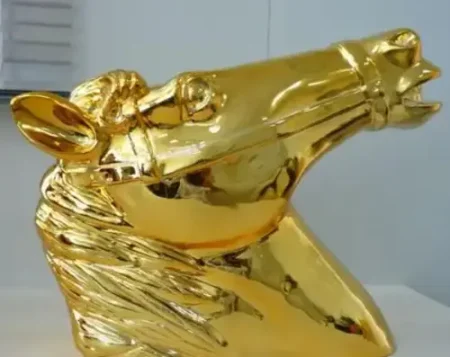
Electroplating
Corrosion, wear and conductive metal coatings.
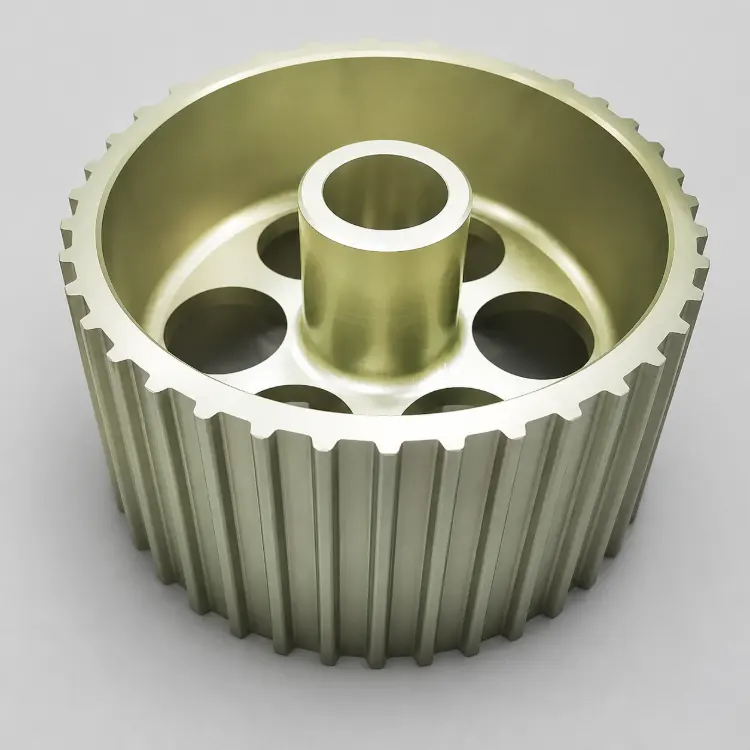
Anodizing
Protective oxide finish for aluminum.
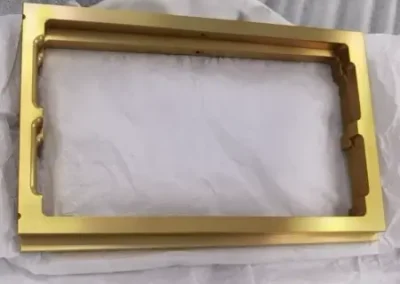
Alodine
Thin conductive conversion coating for aluminum.
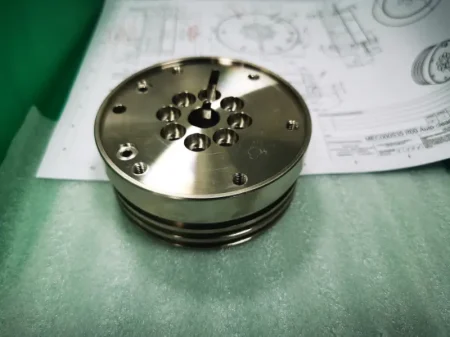
Electroless Nickel
Uniform nickel coverage on complex parts.
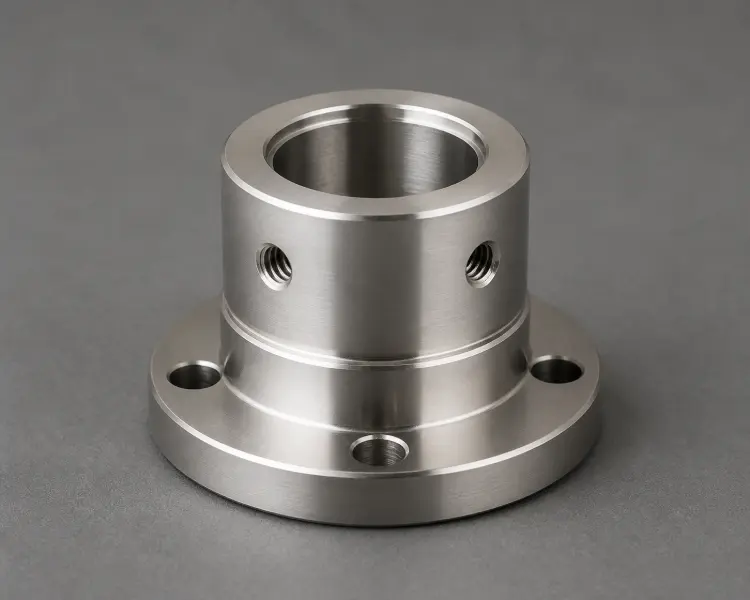
Passivation
Restores stainless-steel corrosion resistance.
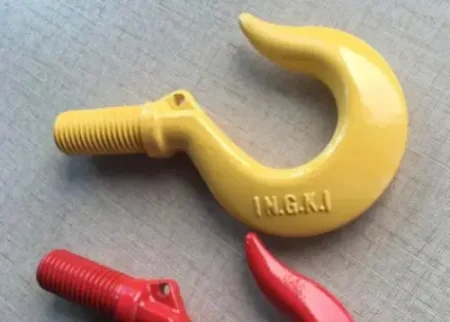
E-Coating
Uniform protective coating for conductive parts.
Mechanical Finishes
Control roughness, texture, gloss or grip.
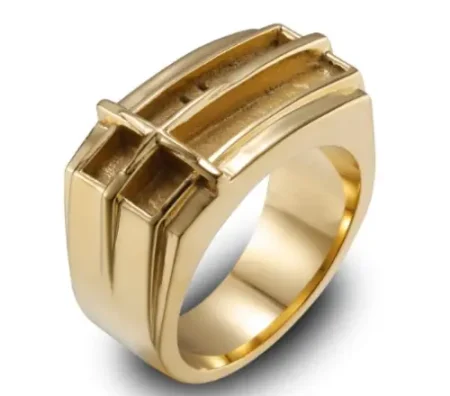
Polishing
Lower roughness with a brighter finish.
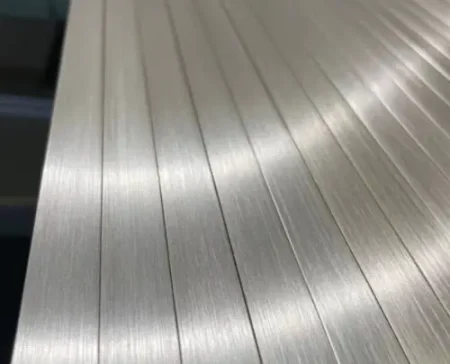
Brushing
Directional grain for visible metal surfaces.
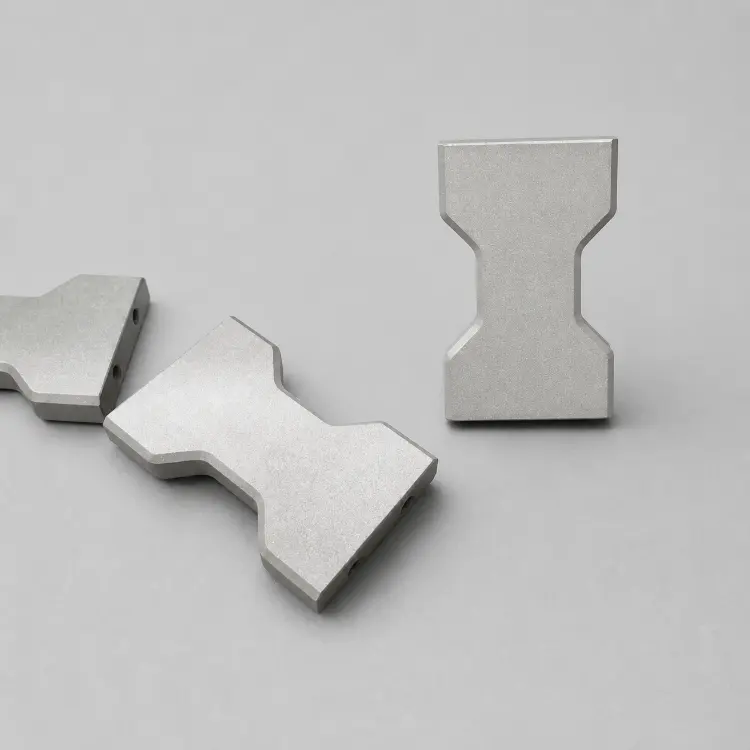
Sandblasting
Uniform matte texture and coating preparation.
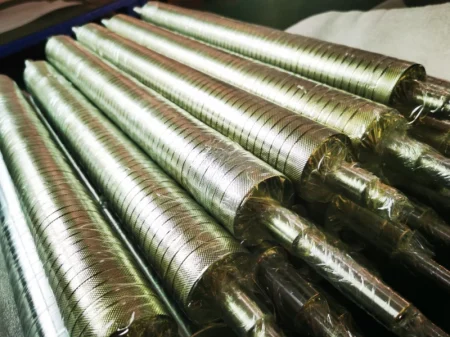
Knurling
Controlled grip on cylindrical features.
Protective & Specialty Processes
Protect the surface or modify material performance.
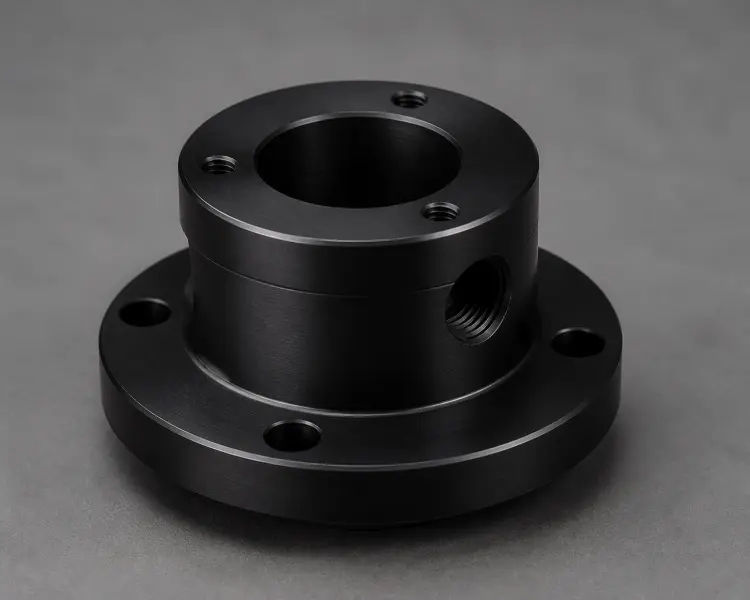
Black Oxide
Thin protective conversion layer for steel.
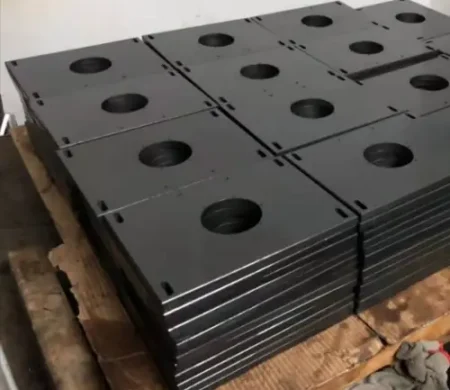
Phosphating
Steel pretreatment for protection or coating.
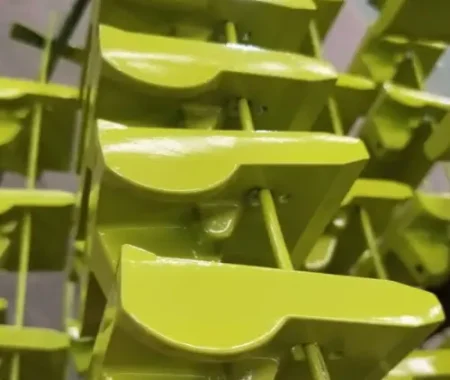
Painting / Powder Coating
Durable colored barrier for compatible parts.
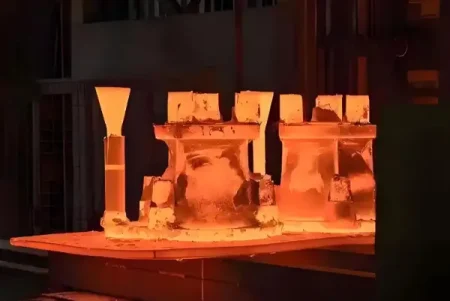
Heat Treatment
Controlled hardness and mechanical properties.
Other Common Surface Finishes
Additional processes are selected according to material, function and production quantity.
| Surface Finish | Typical Purpose |
|---|---|
| Bead Blasting | Creates a fine, uniform matte texture and removes light surface marks. |
| Vibratory / Tumbling | Deburrs and smooths small metal or plastic parts in batches. |
| Shot Peening | Adds compressive surface stress to improve fatigue resistance. |
| PVD Coating | Applies a thin, hard layer for wear resistance and decorative color. |
| DLC Coating | Provides high hardness, low friction and strong wear resistance. |
| PTFE Coating | Adds a low-friction, non-stick and chemical-resistant surface. |
| Zinc Flake Coating | Protects steel fasteners and components against corrosion. |
| Hot-Dip Galvanizing | Provides thick zinc protection for outdoor structural steel parts. |
| Ceramic Coating | Improves resistance to heat, wear and chemical exposure. |
| Thermal Spray | Builds a protective or repair layer on worn and high-load surfaces. |
| Laser Marking | Adds permanent part numbers, logos or traceability codes. |
| Chemical Polishing | Smooths and brightens compatible metals without mechanical contact. |
Match the Process to the Base Material
Confirm the exact grade and performance requirement before selecting a finish.
| Material | Common Finishes | Review Focus |
|---|---|---|
| Aluminum | Anodizing · Alodine · Plating · Painting | Alloy, temper and color target |
| Stainless Steel | Passivation · Polishing · Brushing · Blasting | Grade, Ra and grain direction |
| Carbon / Alloy Steel | Plating · Black Oxide · Phosphating · Painting | Corrosion system and hardness |
| Copper / Brass | Plating · Polishing · Brushing · Coloring | Conductivity and exposed contacts |
| Titanium | Anodizing · Blasting · Polishing | Grade and fatigue-critical surfaces |
| Engineering Plastics | Polishing · Painting · Compatible Plating | Adhesion, heat and solvent sensitivity |
Specify the Finish before Production
Clear acceptance criteria protect critical features and prevent cosmetic disputes.
Coating Thickness
Define buildup on critical diameters, threads and mating surfaces.
Masking
Mark bearing seats, sealing faces, contacts and untreated areas.
Cosmetic Standard
Specify color, gloss, texture, grain direction or an approved sample.
Inspection
Define required checks: thickness, adhesion, roughness, color or corrosion.
Project Questions
How much does surface finishing cost?
Cost depends on the process, material, part size, masking, quantity and inspection. Send the drawing for a clear quotation.
Does surface finishing increase lead time?
Yes. Added time depends on pretreatment, coating, curing, testing and batch scheduling.
Can you match an existing color or sample?
Yes. Provide a color code or physical sample. Batch-to-batch limits are confirmed before production.
Can Weldo finish prototypes and production batches?
Yes. We support prototypes, small batches and repeat production with an approved finish specification.