Surface finishes

We provide various surface finishing options for metals and plastics to improve both appearance and performance.

sand blasting surface finish
5083 aluminum precision part with orange anodizing (12)

Surface treatment options

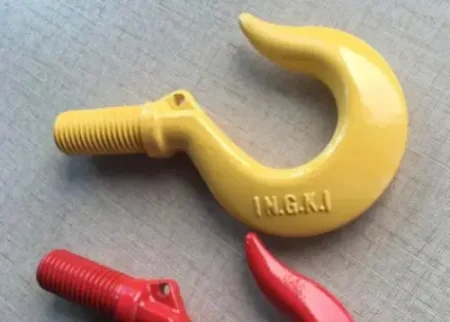
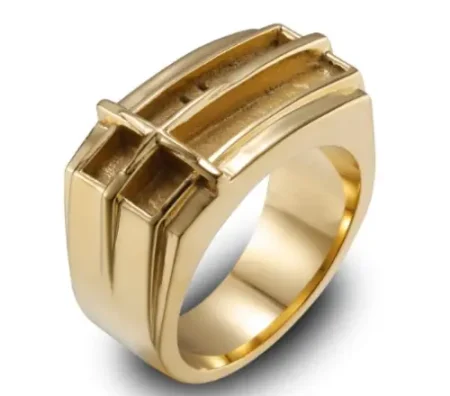
We offer a wide range of surface finishing options, including anodizing, plating, coating, and polishing, to enhance durability and appearance.

electroplating

A metal coating process that improves corrosion resistance, wear resistance, and appearance. Suitable for automotive parts and fasteners. Supports steel, copper, aluminum, and other metals.

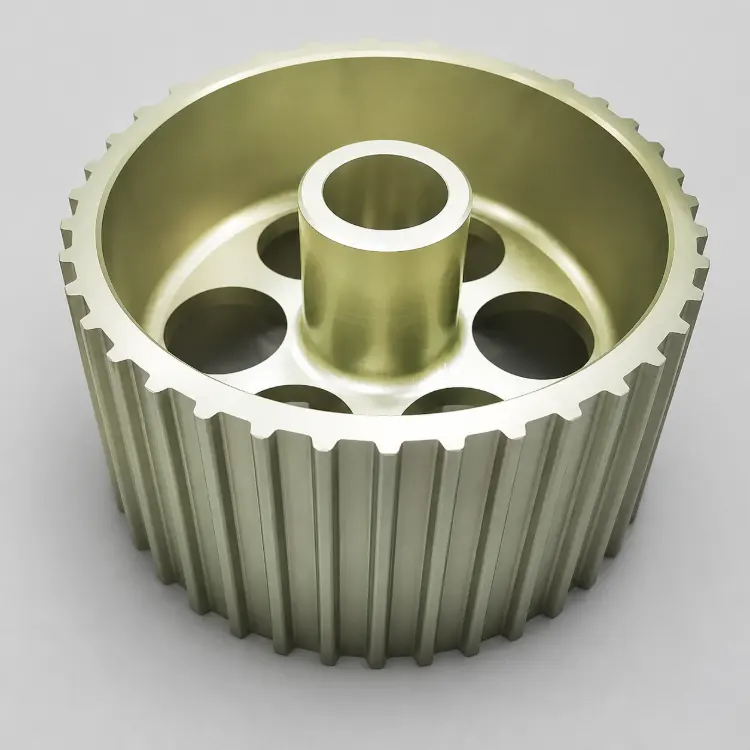
Forms an electrically insulating oxide layer on aluminum to improve corrosion resistance and hardness. Supports Type I, II, III, phosphoric and oxalic processes. Suitable for housings, profiles, and aluminum alloys.

alodine finish

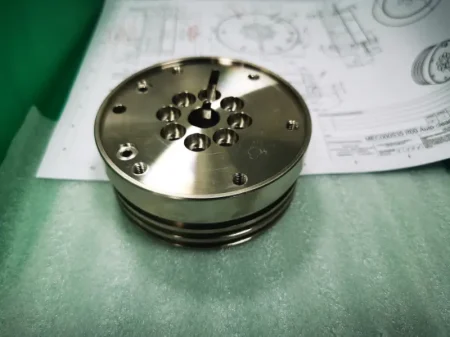
A chemical conversion coating process that forms a thin, conductive, corrosion-resistant protective layer on metal surfaces, especially aluminum.

Polishing

polishing

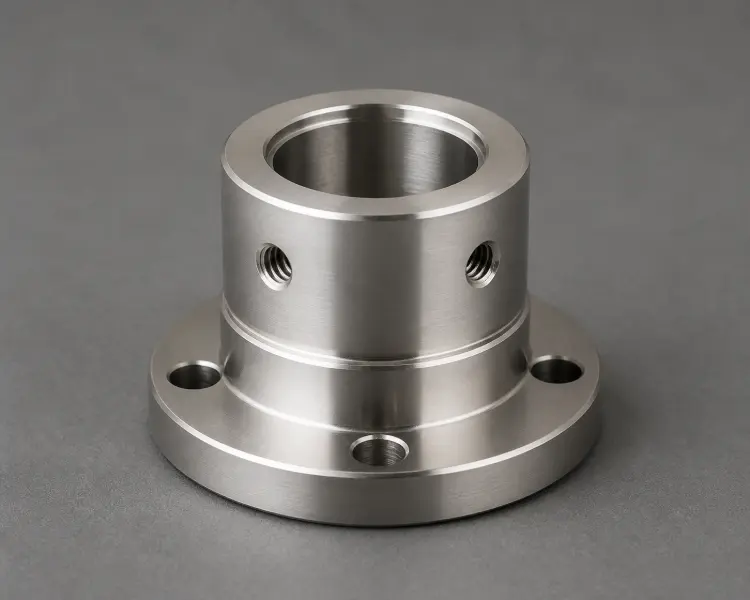
Reduces surface roughness to improve gloss and precision. Suitable for decorative and precision parts. Supports stainless steel, aluminum, copper, and more.

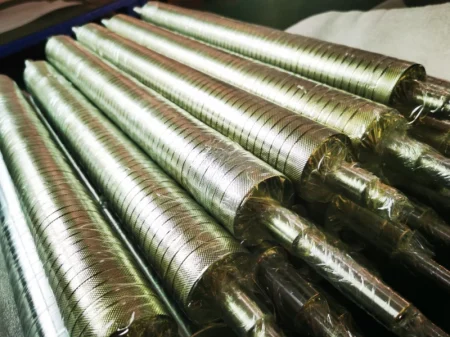
knurling process stainless steel rod

Creates textured patterns to enhance grip and handling. Suitable for handles and knobs. Supports steel, aluminum, copper, and other metals.

Brushing

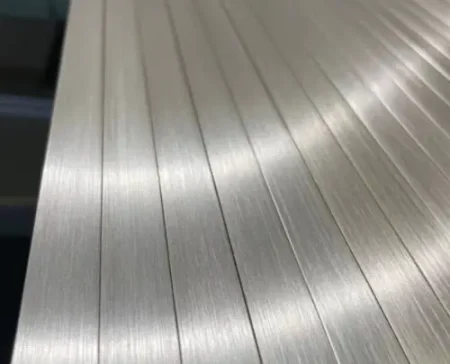
brushing finish

Produces a fine textured finish to improve appearance and hide minor defects. Suitable for decorative parts and enclosures. Supports stainless steel and aluminum.

Phosphating

Phosphating

Forms a phosphate layer for corrosion protection and improved coating adhesion. Suitable for pre-treatment processes. Supports steel materials.

Sandblasting

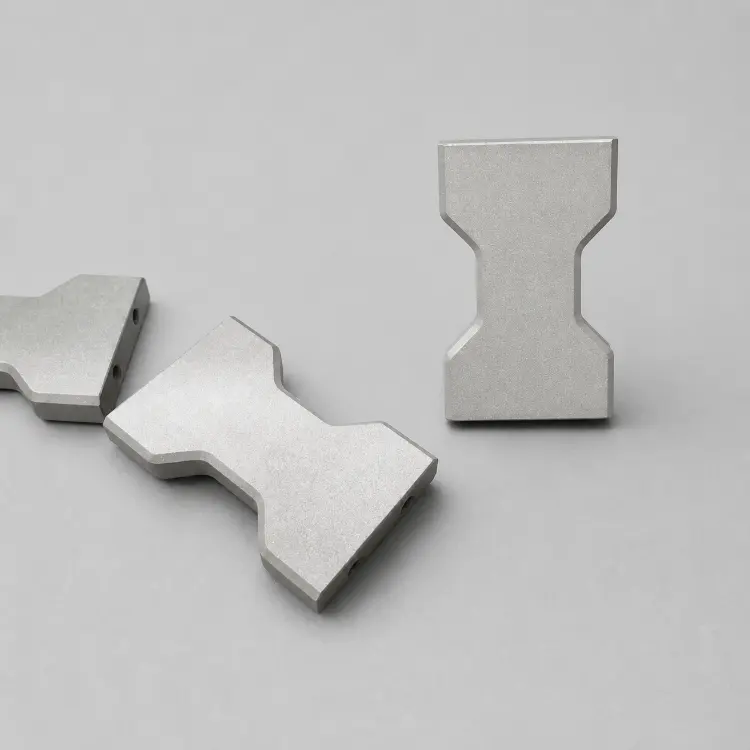
sand blasting finish

Cleans and roughens surfaces to improve coating adhesion. Suitable for surface preparation. Supports metals and some non-metal materials.

Heat Treatment

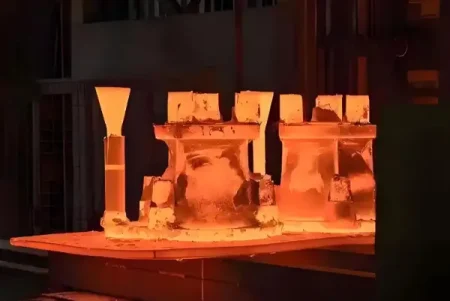
heat treatment

Through the process of heating metals followed by controlling their cooling rates—a technique known as heat treatment—specific performance requirements for intended applications are enhanced. Examples include 6061-T6 aluminum, martensitic stainless steels, and various alloy steels; this process effectively improves the overall mechanical properties of these metals.

Black oxide

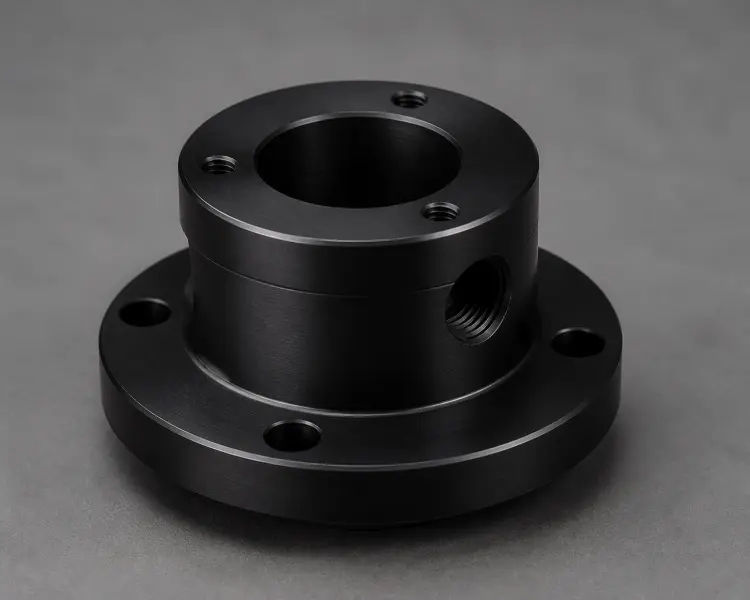
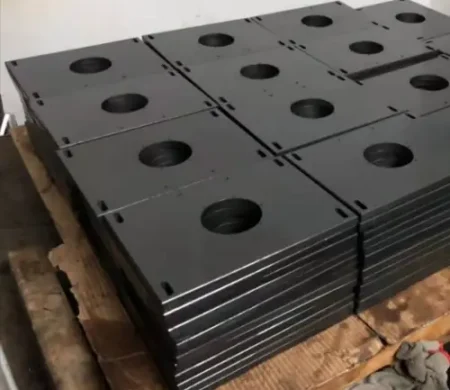
Black Oxide

Creates an oxide layer for rust protection while maintaining dimensional accuracy. Suitable for molds and mechanical parts. Supports steel materials.

Rubber lagging

overmolding process steel part

Enhances friction and reduces wear for better performance. Suitable for conveyor rollers. Supports steel rollers with rubber covering.

Electroless plating

cnc machining carbon steel part with Nickel plating

Deposits a uniform coating without electricity, offering excellent corrosion resistance. Suitable for complex parts. Supports steel, aluminum, copper, and plastics.

Electrolytic coloring

Electrolytic Coloring

Applies stable colors through electrochemical processes. Suitable for architectural and decorative parts. Supports aluminum and aluminum alloys.

Coating (painting)

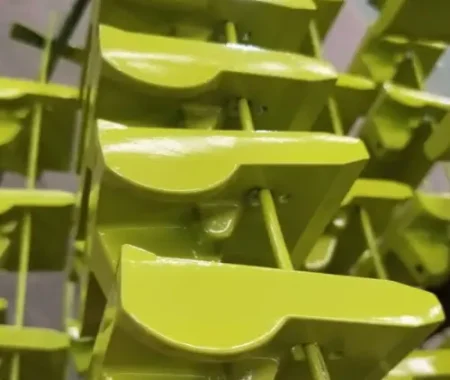
coating finish

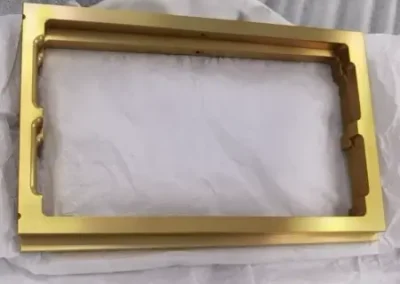
Applies a protective layer to isolate the surface from the environment, offering corrosion resistance and decoration. Suitable for frames and enclosures. Supports metals and some plastics.

Electrophoresis (E-coating)

Electrophoresis

Applies a uniform coating layer with both protective and decorative properties. Suitable for automotive parts and appliance housings. Supports steel, aluminum, and other metals.

FAQ

ask us
anything

Surface treatments primarily target all accessible, exposed surfaces. For processes such as anodizing, internal surfaces—such as through-holes—can also be treated, provided they are accessible to the treatment medium and electrical current; however, for deep holes, blind holes, or enclosed structures, the effectiveness of internal treatment is typically limited or cannot be achieved.

Surface treatment quality is acceptable when it meets key requirements for appearance, thickness, adhesion, and performance. The finish should be uniform and defect-free, with coating thickness within the specified range, strong adhesion without peeling, and adequate properties such as corrosion and wear resistance, while also complying with relevant standards like ISO or ASTM.

Surface finishing typically increases manufacturing cost by around 10% to 50%, depending on the process type, coating requirements, and part complexity.

Surface finishing can alter dimensions, affecting tolerances and precision; for critical fits, allowance, masking, or post-machining is often required to ensure proper assembly.