
В области Обработка на станках с ЧПУ В машиностроении и производстве бронза является инженерным материалом, который невозможно легко заменить. По сравнению с обычными углеродистая стальБронза, нержавеющая сталь или латунь, обладает уникальными преимуществами по износостойкости, антизадирным свойствам, антифрикционным свойствам и долговременной стабильности. В результате она широко используется в подшипниках, втулках, червячных передачах, компонентах насосов и клапанов, морской арматуре и тяжелонагруженных скользящих конструкциях.
Эта статья посвящена обработке бронзы и содержит систематический анализ с различных инженерных точек зрения, включая стандарты на материалы, пятимерные механические свойства, методы обработки, сценарии применения, механизмы коррозии и стратегии обслуживания, помогая читателям получить полное представление о бронзе в области обработки.
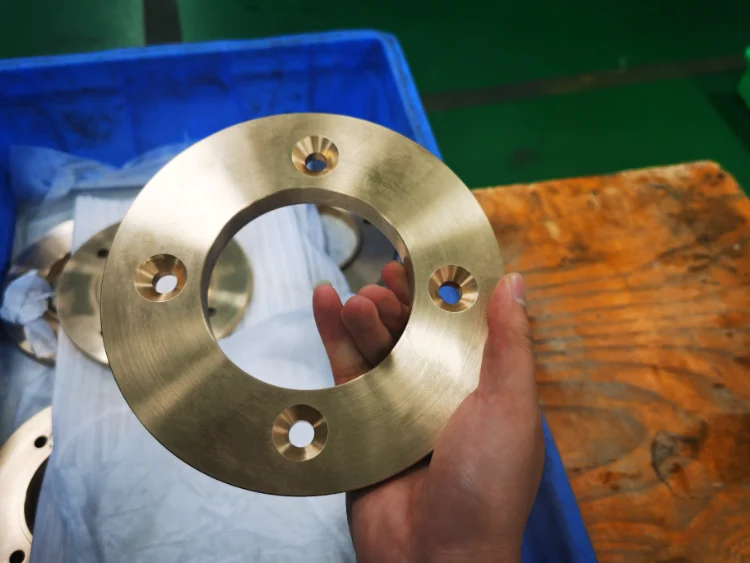
Что такое бронза? Техническое определение и природа материала
Инженерное определение бронзы
В инженерном контексте "бронза" обычно относится к сплавам на основе меди. К распространенным системам относятся:
- Оловянная бронза: Типичные марки: C90500, C90700 и C93200 (SAE 660, широко известная как подшипниковая бронза).
- Алюминий Бронза: Такие как C95400 и C95500 (высокая прочность и коррозионная стойкость, широко используется в морской технике)
- Кремниевая бронза: Например, C65500 (сбалансированная прочность, коррозионная стойкость и свариваемость)
- Фосфористая бронза: Такие как C51000 и C52100 (хорошая эластичность и износостойкость, часто используется для изготовления тонких листов и пружинных компонентов, но также поддается механической обработке)
Влияние легирующих элементов на эксплуатационные характеристики
Бронза состоит из множества легирующих элементов, и разные элементы придают различным сортам бронзы уникальные эксплуатационные преимущества.
- Олово (Sn): Повышает износостойкость и усталостную прочность
- Алюминий (Al): Значительно повышает прочность и коррозионную стойкость
- Кремний (Si): Улучшает общие механические свойства и свариваемость
- Фосфор (P): Повышает эластичность и усталостную прочность
- Свинец (Pb): Улучшает антифрикционные свойства и обрабатываемость
Фундаментальные различия между бронзой и чистой медью
По сравнению с чистой медью, бронза жертвует небольшим количеством электро- и теплопроводности в обмен на более высокую прочность, низкий коэффициент трения и более стабильное поведение в эксплуатации. Это основная причина, по которой бронза широко используется в механической обработке и механических приложениях.
Механические свойства бронзы (понимание на инженерном уровне)
Общие диапазоны механических свойств
| Недвижимость | Типичный диапазон (общие значения для бронзы) | Описание |
|---|---|---|
| Плотность (ρ) | 7,4-8,9 г/см³ | Большинство бронз немного легче стали или аналогичных материалов. |
| Модуль упругости (E) | 95-125 ГПа | Ниже, чем у стали (~200 ГПа), но достаточно жесткая |
| Прочность на разрыв (UTS) | 250-750 МПа | Алюминиевая бронза может быть более высокой; подшипниковая бронза - умеренной |
| Предел текучести (YS) | 100-500 МПа | Сильно связано с термической и холодной обработкой |
| Удлинение | 5%-35% | Подшипниковая бронза и кремниевая бронза хорошо работают |
| Твердость по Бринеллю (HB) | 60-200+ HB | Алюминиевая и фосфористая бронза более твердые. |
| Теплопроводность (k) | 30-80 Вт/м-К (типично) | Ниже, чем чистая медь, но все равно хорошо |
| Фрикционные / антизадирные | Превосходно | Основная причина использования бронзы для изготовления втулок |
Высокое удлинение помогает противостоять ударам и предотвратить хрупкое разрушение, а умеренная твердость обеспечивает баланс между износостойкостью и обрабатываемостью.
Почему бронза не стремится к "экстремальной силе"
Инженерная ценность бронзы заключается не в замене высокопрочной стали, а в обеспечении сбалансированного сочетания стабильной несущей способности, низкого трения и длительного срока службы.

Международные стандартные марки бронзы (ASTM / UNS / SAE)
Различные бронзовые сплавы сильно отличаются по обрабатываемости, прочности, коррозионной стойкости и стоимости. Поэтому при обсуждении вопросов обработки бронзы необходимо четко указывать марки и системы сплавов.
| Бронзовый тип | Международный стандартный класс | Применимый стандарт |
|---|---|---|
| Оловянно-свинцовая бронза (подшипниковая бронза) | C93200 / SAE 660 | ASTM B505 |
| Оловянная бронза | C90700 / C90500 | ASTM B505 |
| Алюминий Бронза | C95400 / C95500 | ASTM B148 |
| Кремниевая бронза | C65500 | ASTM B30 |
| Фосфористая бронза | C51000 / C52100 | ASTM B139 |
Номера UNS однозначно идентифицируют материалы, а стандарты ASTM определяют химический состав и механические свойства.
5 Сравнение размерных механических свойств различных бронзовых материалов
Следующее сравнение основано на пределе прочности, пределе текучести, твердости, удлинении и обрабатываемости.
| UNS Марка | Растяжение МПа | Предел текучести МПа | Твердость HB | Удлинение % | Обрабатываемость |
|---|---|---|---|---|---|
| C93200 | 240-310 | 125-170 | 65-90 | 10-20 | Высокий |
| C90700 | 275-345 | 150-200 | 70-100 | 15-30 | Относительно высокий |
| C90500 | 260-310 | 140-180 | 65-95 | 20-35 | Относительно высокий |
| C95400 | 620-760 | 275-450 | 140-190 | 10-18 | Средний |
| C95500 | 655-790 | 380-550 | 170-220 | 8-15 | Низкий |
| C65500 | 380-550 | 170-310 | 100-150 | 20-35 | Относительно высокий |
| C51000 | 350-500 | 250-420 | 100-150 | 5-20 | Средний |
| C52100 | 440-620 | 350-550 | 130-180 | 5-15 | Низкий |
Коренные причины разницы в производительности
Различия в характеристиках в основном обусловлены соотношением состава сплава, структурой зерна, а также условиями литья или обработки.
Преимущества и недостатки бронзовых материалов
Преимущества
- Износостойкость и антизадирные свойства
- Сильная коррозионная стойкость (особенно кремниевой и алюминиевой бронзы в морской среде)
- Демпфирование вибраций и низкий уровень шума
- Хорошая тепло- и электропроводность по сравнению со сталью
- Отличная способность к литью и механической обработке
Недостатки
- Более высокая стоимость материала по сравнению с углеродистой сталью
- Предел прочности зависит от системы сплавов
- Некоторые виды бронзы содержат свинец и не подходят для использования в пищевых продуктах и питьевой воде.
- При неправильных параметрах резания возможно налипание инструмента или наращивание кромки
Бронза обычно выбирается по критерию долговечности и стабильности системы, а не по наименьшей стоимости материала.

Доступные способы обработки бронзы
Бронза - хорошо поддающийся обработке инженерный медный сплав, но различные системы сплавов демонстрируют значительные различия в производительности резания. Поэтому процессы обработки должны выбираться с учетом геометрии детали, требований к точности и условий эксплуатации.
Токарная обработка с ЧПУ
Токарная обработка с ЧПУ это наиболее распространенный процесс обработки бронзы, используемый в основном для изготовления деталей вращения, таких как втулки, гильзы и износостойкие кольца. При токарной обработке достигаются стабильные размеры.
Избегайте слишком низких скоростей подачи, чтобы предотвратить истирание и размазывание поверхности. При обработке высокопрочной алюминиевой бронзы скорость резания должна быть снижена для контроля износа инструмента.
Фрезерование с ЧПУ
Фрезерование с ЧПУ подходит для сложных или невращающихся бронзовых деталей, таких как корпуса клапанов, фланцы, ползуны и монтажные основания. Он широко используется в экспортно-ориентированной обработке с ЧПУ.
Из-за непрерывной стружки необходимо уделять внимание отводу стружки и геометрии инструмента для уменьшения адгезии и дефектов поверхности.
Сверление, растачивание и развертывание
Обработка отверстий широко распространена в бронзовых деталях, особенно в подшипниках и сборочных отверстиях. Простые отверстия могут быть просверлены напрямую, в то время как для высокоточных отверстий требуется комбинированное сверление, растачивание или развертывание.
Разрушение стружки и отвод тепла имеют решающее значение для предотвращения нестабильности размеров или повреждения поверхности.
Нарезание резьбы
Бронза обычно пригодна для нарезания резьбы и широко используется в корпусах клапанов и соединителях. Оловянная бронза и подшипниковая бронза надежно соединяются.
Для высокопрочной алюминиевой бронзы рекомендуется использовать режущее масло или фрезеровать резьбу, чтобы снизить риск срыва метчика или разрыва резьбы.
Шлифование, хонингование и финишная обработка
Для бронзовых деталей, требующих высокой чистоты поверхности или жестких допусков, шлифование или хонингование, например, для прецизионных отверстий в подшипниках.
Поскольку бронза относительно мягкая, необходимо тщательно контролировать давление и параметры обработки, чтобы избежать размазывания поверхности или локального перегрева.
Литье + вторичная обработка
Литье в сочетании с вторичной механической обработкой с ЧПУ является наиболее распространенным и экономически эффективным способом производства бронзовых деталей. Литье обеспечивает практически чистые формы, а механическая обработка - критические размеры.
Такой подход идеально подходит для средних и крупных, сложных или серийно выпускаемых бронзовых деталей, таких как подшипники, корпуса клапанов и насосов.
Обработка поверхности и постобработка
После обработки бронзовые детали обычно требуют только удаления заусенцев, снятия фасок или простой полировки. Некоторые детали для внешнего вида или хранения могут быть обработаны защитным маслом или пескоструйной обработкой.
Бронза, как правило, не использует поверхностные покрытия для улучшения характеристик, а неправильная химическая обработка может увеличить риск коррозии.
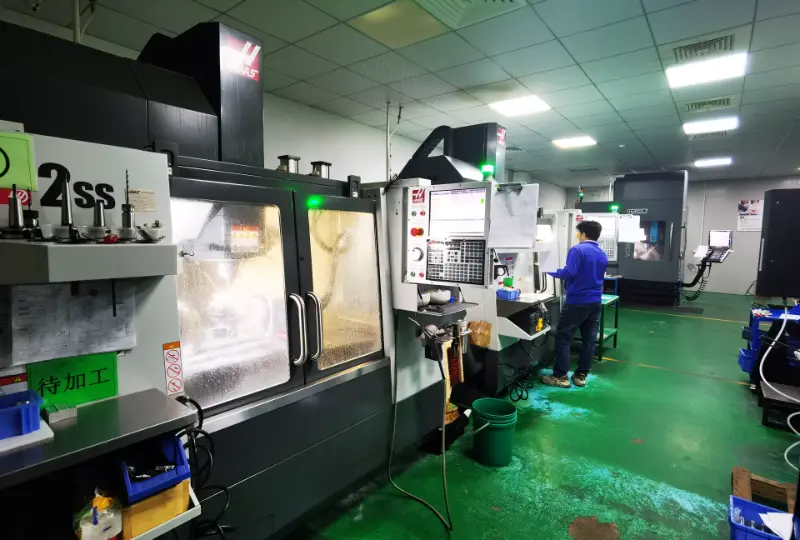
Области применения и общие компоненты
Механическая трансмиссия и изнашиваемые детали
- Втулки, подшипники, ползуны, износостойкие шайбы
- Бронзовые червячные передачи в паре со стальными червяками снижают уровень шума и износа
Насосные и клапанные системы
- Корпуса клапанов, седла клапанов, золотники, износостойкие кольца насосов, уплотнительные седла
- Алюминиевая бронза или кремниевая бронза предпочтительнее в морской воде или соленой среде
Морское и оффшорное оборудование
- Компоненты пропеллеров, втулки валов, крепеж, устойчивый к воздействию морской воды, палубная арматура
- Типичный сплав: алюминиевая бронза
Электрические и взрывобезопасные применения
- В некоторых областях применения используются низкоискровые характеристики медных сплавов, при условии соблюдения соответствующих стандартов
Лучшие бронзовые материалы для обработки
Легкое точение и фрезерование, высокая рентабельность и стабильное производство:
- C93200 / SAE 660 (подшипниковая бронза)
Отличная обрабатываемость, износостойкость и антизадирные свойства. Подходит для втулок, подшипников и быстроизнашивающихся деталей.
Для высокой прочности и устойчивости к морской воде:
- C95400 (Алюминиевая бронза)
Более прочные и коррозионностойкие, подходят для морских, тяжелых и ответственных деталей насосов/клапанов, но имеют более высокий износ инструмента.
Для обеспечения коррозионной стойкости и свариваемости:
- C65500 (Кремниевая бронза)
Хороший внешний вид, коррозионная стойкость и свариваемость, подходит для береговой фурнитуры и коррозионностойкого крепежа.
Сравнение обрабатываемости бронзы и латуни
В большинстве случаев бронза труднее поддается обработке, чем латунь.
Многие латуни, особенно свинцовые, обладают отличной стружколомкостью и низким сопротивлением резанию, что обеспечивает гладкую обработку.
Бронза, как правило, более жесткая и износостойкая, что может приводить к образованию непрерывной стружки, выкрашиванию поверхности и повышенному износу инструмента, особенно при работе с алюминиевой бронзой.
Однако подшипниковая бронза (C93200) не особенно сложна в обработке - просто она менее податлива, чем латунь для свободной обработки.
Как очистить бронзовые детали? Можно ли использовать WD-40?
Рекомендуемые методы очистки
Легкая пыль или отпечатки пальцев:
Теплая вода, мягкое моющее средство и мягкая ткань. После ополаскивания тщательно высушите.
Остатки масла или смазочно-охлаждающей жидкости:
Нейтральный обезжириватель или изопропиловый спирт (IPA). Обеспечьте полное высыхание после очистки.
Легкое окисление или потемнение:
Мягкие чистящие средства для меди/бронзы, разбавленный лимонный сок или уксус с последующим немедленным ополаскиванием и сушкой. Кислотная чистка должна быть только кратковременной.
Можно ли использовать WD-40?
Да, но только в подходящих ситуациях.
Подходящие способы применения WD-40:
- Вытеснение влаги
- Удаление легкого масла
- Временная защита от ржавчины и коррозии
Не рекомендуется для:
- Поверхности, требующие окраски, склеивания или нанесения клея
- Долгосрочная смазка прецизионных деталей скольжения
Более безопасным является следующий подход: очистка → сушка → нанесение подходящего защитного масла или воска в зависимости от условий эксплуатации.
Вещества, которые могут разъедать бронзу
Бронза, как правило, устойчива к коррозии, но не неуязвима.
Среды повышенного риска
- Аммиакосодержащие среды (NH₃), которые могут вызвать коррозию под напряжением
- Сильные кислоты или окисляющие кислоты, такие как азотная кислота
- Сульфидсодержащие среды (H₂S), вызывающие черные сульфидные пленки
- Среда с высоким содержанием хлоридов (морская вода, соляной туман), приводящая к точечной или щелевой коррозии
- Гальваническая коррозия при контакте разнородных металлов в электролитах
Практические советы по профилактике
- Избегайте длительного воздействия сильных кислот или щелочей
- Предпочтите алюминий или кремниевую бронзу для прибрежных районов
- Используйте изоляцию, герметики или покрытия для изоляции разнородных металлов
Является ли бронза ценным металлоломом?
Вообще, бронза считается относительно ценным металлоломом.
Будучи сплавом на основе меди, бронза имеет высокую ценность при переработке и относится к категории высокоценных цветных металлов.
Однако стоимость лома зависит от типа сплава, чистоты, загрязненности стальной стружкой или покрытиями, а также от условий местного рынка.
При обработке рекомендуется разделять бронзовую стружку по типу сплава, так как разница в цене может быть значительной.
Может ли бронза быть такой же острой, как сталь?
Бронзу можно заточить до очень острого края, но она не может сохранять остроту так долго, как сталь.
Закаленные инструментальные стали достигают более высокой твердости и износостойкости благодаря термообработке, что приводит к лучшему сохранению кромки.
Большинство бронз не обладают твердостью, необходимой для долговечных режущих кромок, и легко затупляются или скатываются.
Поэтому бронзу можно временно затачивать, но она не идеальна для использования в качестве режущего инструмента.
Заключение
Обработка бронзы - это не просто выбор медного сплава, а баланс между механическими характеристиками, обрабатываемостью, износостойкостью и надежностью в долгосрочной эксплуатации. Понимая международные марки бронзы, ключевые механические свойства, подходящие процессы обработки, риски коррозии и надлежащие методы обслуживания, инженеры и покупатели могут принимать более обоснованные решения о материале и производстве.
Независимо от того, используется ли бронза для подшипников, втулок, червячных передач, компонентов насосов и клапанов, а также для морских применений, она остается проверенным инженерным материалом, обеспечивающим стабильные характеристики в широком диапазоне условий эксплуатации. Правильный выбор материала и стратегии обработки необходимы для полной реализации преимуществ бронза при обработке на станках с ЧПУ применения.Если вы хотите узнать больше деталей или получить цену обработки бронзы, вы можете чувствовать себя свободно к связаться с нами.