6061-T6 aluminum CNC machining has become one of the most widely adopted solutions for lightweight, high-precision, and structurally reliable components. Known for its excellent strength-to-weight ratio, stable machinability, and versatile performance, 6061-T6 aluminum CNC machining is the preferred choice in aerospace parts, automotive components, robotics, consumer electronics, industrial machinery, and countless engineering applications.
As global industries increasingly rely on high-precision aluminum components, understanding the performance, cost structure, alloy comparisons, and key selection criteria surrounding 6061-T6 aluminum CNC machining is essential. This guide explores why the alloy is so popular, how it compares to other grades like 6082, 5052, 7050, and 7075, and what affects aluminum CNC machining price and aluminum CNC machining cost when sourcing from aluminum CNC machining manufacturers.
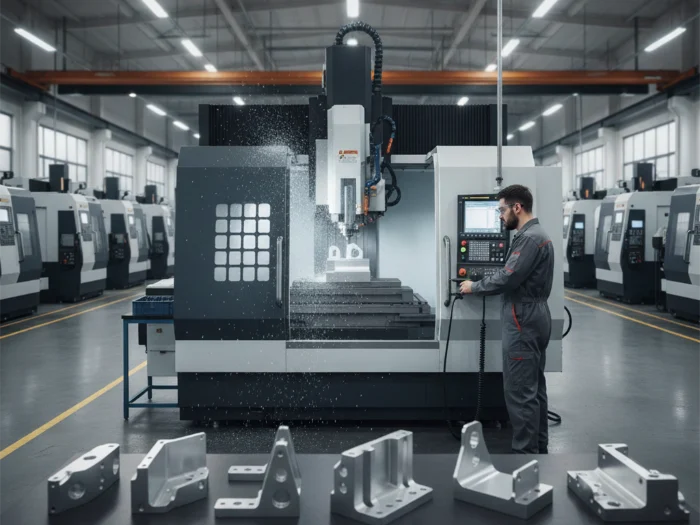
Why 6061-T6 Aluminum CNC Machining Is Widely Used
6061-T6 aluminum CNC machining is popular because of its ideal balance of performance and affordability. This alloy offers:
- Excellent machinability
- Good tensile strength and rigidity
- Strong corrosion resistance
- High durability in structural applications
- Compatibility with anodizing and other surface finishes
Because of its predictable cutting behavior, 6061-T6 aluminum CNC machining is efficient, reduces tool wear, and helps maintain stable aluminum CNC machining cost for most industrial projects.
Comparing 6061-T6 With Other CNC Machined Aluminum Alloys
6061-T6 is not the only alloy used in CNC machining. Comparing it with similar grades helps engineers choose the best option for mechanical, thermal, or structural requirements.
6082 Aluminum
6082 is often considered a stronger alternative to 6061-T6 and is widely used in structural components, transportation equipment, and machine frames. While both alloys machine well, 6082 tends to be slightly tougher, which may increase aluminum CNC machining price due to longer cycle times.
5052 Aluminum
5052 is softer and extremely corrosion resistant, making it ideal for marine parts and sheet-metal applications. Its ductility is beneficial for forming processes, but for tight-tolerance CNC work, 6061-T6 aluminum CNC machining remains more stable.
7050 Aluminum
7050 is a high-strength aerospace alloy with excellent fatigue resistance. It is more difficult to machine than 6061-T6, increasing both aluminum CNC machining cost and tool consumption.
7075 Aluminum
7075 is one of the strongest aluminum alloys available. It is used in defense, aviation, and high-performance equipment. While stronger than 6061-T6, its reduced corrosion resistance and higher price make aluminum CNC machining price significantly higher.
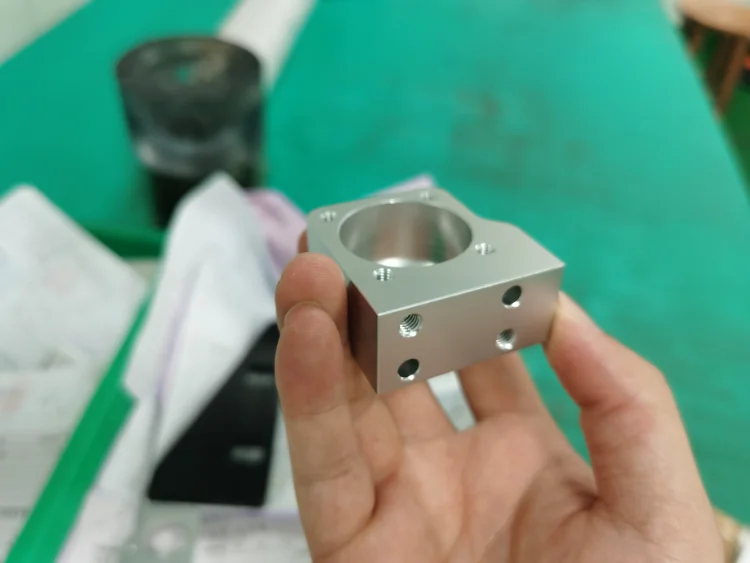
Key Factors Affecting Aluminum CNC Machining Price for 6061-T6
Understanding aluminum CNC machining price helps companies budget more accurately and determine the best value among aluminum CNC machining manufacturers.
Alloy Selection
While 6061-T6 is cost-effective, choosing premium alloys such as 7050 or 7075 increases both raw material cost and machining difficulty. This directly influences aluminum CNC machining cost.
Part Geometry and Tolerances
Complex shapes with deep cavities, thin walls, or tight radii require more machine time. CNC machining with ultra-tight tolerances also lengthens cycle time, increasing aluminum CNC machining price for 6061-T6 parts.
Surface Finish Requirements
6061-T6 is highly compatible with finishing processes such as:
- Anodizing
- Sandblasting
- Powder coating
- Brushing
- Polishing
High-cosmetic finishes, especially clear or hard anodizing, raise overall aluminum CNC machining cost.
Production Volume
Low-volume prototypes have higher manufacturing cost per unit, while large production quantities benefit from optimized tool paths and reduced setup time. This is where experienced aluminum CNC machining manufacturers can significantly reduce aluminum CNC machining price.
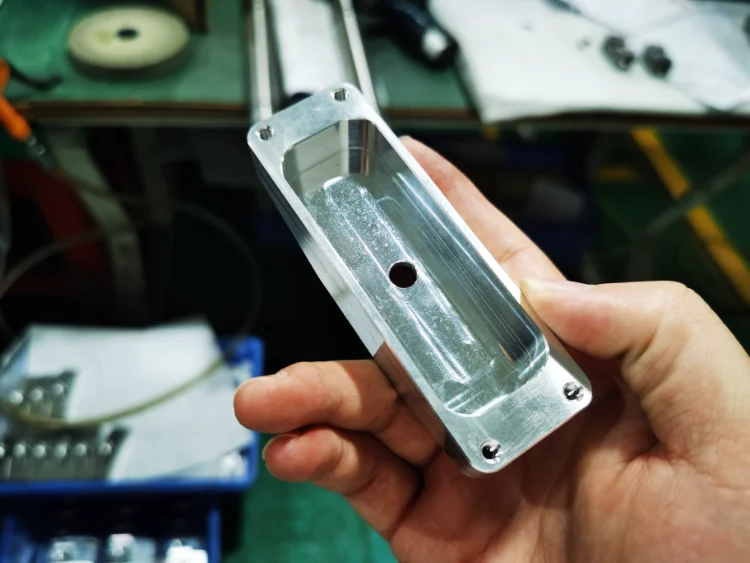
How 6061-T6 Aluminum CNC Machining Works
CNC Milling for Prismatic Components
Most 6061-T6 aluminum CNC machining involves milling, which is ideal for brackets, housings, heat sinks, and structural parts. The alloy cuts cleanly and supports high spindle speeds.
CNC Turning for Round or Cylindrical Parts
Shafts, bushings, rings, and precision round components are efficiently produced using CNC turning. 6061-T6 provides excellent dimensional stability during turning operations.
Multi-Axis Machining for Complex Geometries
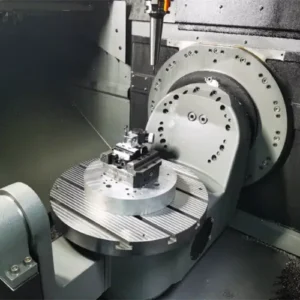
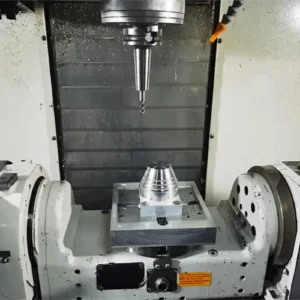
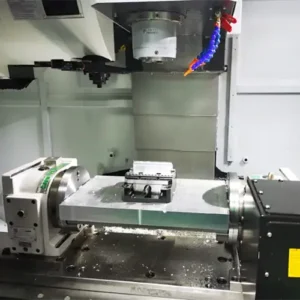
4-axis and 5-axis machining allow manufacturers to reduce setups, minimize manual repositioning, and achieve extremely tight tolerances. This approach helps keep aluminum CNC machining cost under control while maximizing precision.
Inspection and Quality Control
A reliable production process includes:
- CMM inspection
- Digital micrometer measurement
- Surface roughness testing
- Material certification
These steps guarantee consistent quality for 6061-T6 aluminum CNC machining parts across multiple batches.

Applications of 6061-T6 Aluminum CNC Machining
Aerospace Components
6061-T6 is used for interior aircraft structures, custom brackets, fixturing, and lightweight assemblies.
Automotive and Motorcycle Parts
Engine mounts, performance parts, and lightweight frames benefit from strong yet economical aluminum CNC machining price.
Electronics and Consumer Products
6061-T6 is used for enclosures, heat sinks, laptop housings, and precision mounts thanks to its thermal conductivity.
Robotics and Industrial Machinery
Robotic arm components, automation platforms, and machine housings rely on 6061-T6 aluminum CNC machining for accuracy and rigidity.

Choosing the Right Aluminum CNC Machining Manufacturers
Reliable aluminum CNC machining manufacturers play a major role in determining final cost, quality, and production efficiency.
Key Qualities to Look For
- Experience working with 6061-T6, 6082, 5052, 7050, and 7075
- Multi-axis machining capabilities
- In-house finishing and quality control
- Fast prototyping and large-volume production options
Technical Support and DFM Optimization
Manufacturers that offer design-for-machining suggestions help reduce aluminum CNC machining price and ensure stronger mechanical performance.
Transparent Cost Structure
A dependable supplier provides clear, itemized aluminum CNC machining cost estimates covering:
- Material
- Machining time
- Finishing
- Packing and logistics
Conclusion
6061-T6 aluminum CNC machining remains one of the most cost-effective and versatile solutions for high-precision aluminum parts. With excellent machinability, strong performance, and compatibility with various finishes, it is widely used across aerospace, automotive, electronics, and industrial applications. By understanding aluminum CNC machining price, comparing alloys such as 6082, 5052, 7050, and 7075, and working with experienced aluminum CNC machining manufacturers, businesses can effectively control aluminum CNC machining cost while ensuring consistent quality and performance.
FAQ of 6061 aluminum cnc machining
Why is 6061-T6 aluminum CNC machining so popular?
Because 6061-T6 is strong, affordable, and very machinable, making it ideal for high-precision parts across multiple industries.
How does 6061-T6 compare to 6082, 5052, 7050, and 7075 for CNC machining?
6061-T6 is the best all-around option for cost and machinability. Stronger alloys like 7050 and 7075 are used for aerospace, while 5052 offers better corrosion resistance.
What affects aluminum CNC machining price for 6061-T6 parts?
Material grade, geometry complexity, finishing, tolerance levels, and production volume determine aluminum CNC machining cost.