
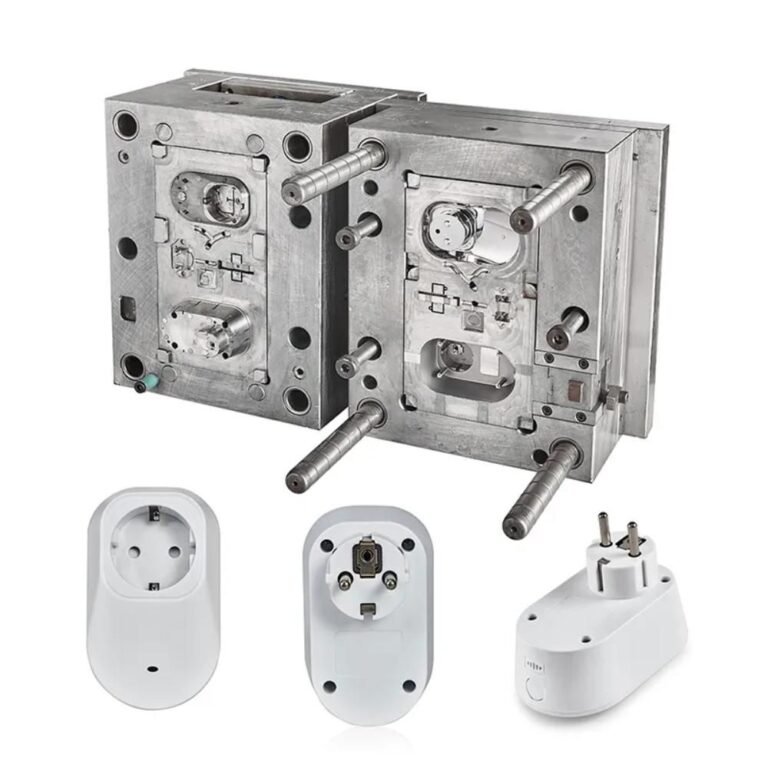
Molding service
We provide one-stop molding solutions from prototyping to production, including injection molding, die-casting, With 20 years of experience and advanced equipment.
- ISO 9001:2015 Certified
- Accuracy down to ±0.01 mm.
- Delivery within 3 days
- Molding cost:1000-1000,000 USD
What is molding service ?
Molding Service is a process service that processes materials (such as plastics, metals, rubber, etc.) into specific shapes through molds. Depending on the material and application scenario, common molding service types include: injection molding, die casting, hot pressing, blow molding, rotational molding.
Material for mold
In mold services, the choice of materials directly affects the mold life, processing accuracy and manufacturing cost. The following is a brief description of commonly used materials and their characteristics:
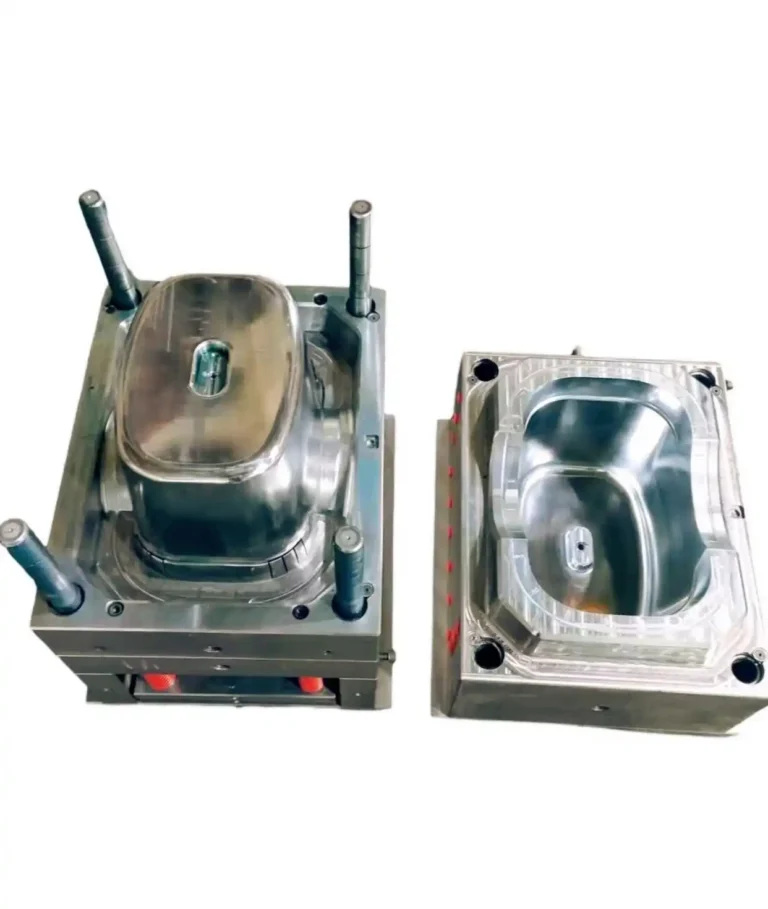
Tool steel mold
Characteristics: High hardness, wear resistance, and thermal fatigue resistance, suitable for long-term, high-load use.
Sub-categories:
Cold work tool steels (such as D2 and O1): Used in stamping and shearing dies, with a hardness of HRC 58-62.
Hot work tool steels (such as H13 and H21): Used in die-casting and forging dies, offering high-temperature resistance (600-800°C) and resistance to thermal cracking.
Plastic mold steels (such as P20 and 718): Used in injection molds, offering excellent polishability and suiting the production of transparent parts.
Applications: Automotive parts die-casting, electronic connector stamping, and appliance housing injection molding.
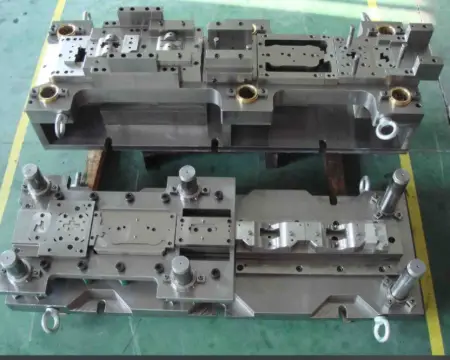
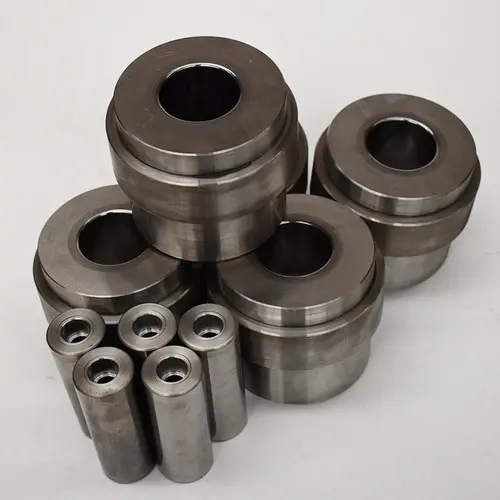
Powder Metallurgy Steel mold
Properties: Produced through a powder metallurgy process, it boasts uniform microstructure and strong impact resistance.
Representative materials: ASP23 and V10 (ultra-fine grain steel), with a hardness of HRC 63-65.
Applications: High-precision gear stamping and die-casting molds for complex structures.
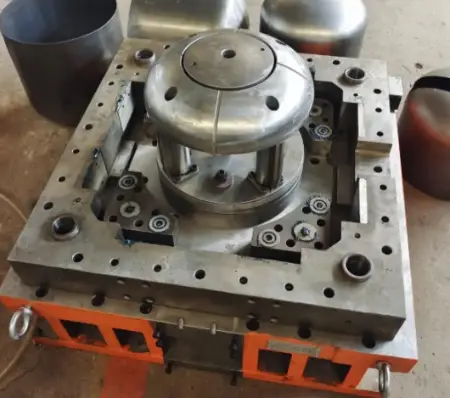
Stainless Steel mold
Properties: Corrosion resistance, excellent polishing properties, suitable for food-grade and medical molds.
Common grades:
420: Martensitic stainless steel, hardness 48-52 HRC, used for tableware and medical device molds.
316L: Austenitic stainless steel, acid and alkali resistant, used for pharmaceutical packaging molds.
Applications: Injection molds for syringes, surgical instruments, and food containers.
Powder Metallurgy Steel mold
Properties: Produced through a powder metallurgy process, it boasts uniform microstructure and strong impact resistance.
Representative materials: ASP23 and V10 (ultra-fine grain steel), with a hardness of HRC 63-65.
Applications: High-precision gear stamping and die-casting molds for complex structures.
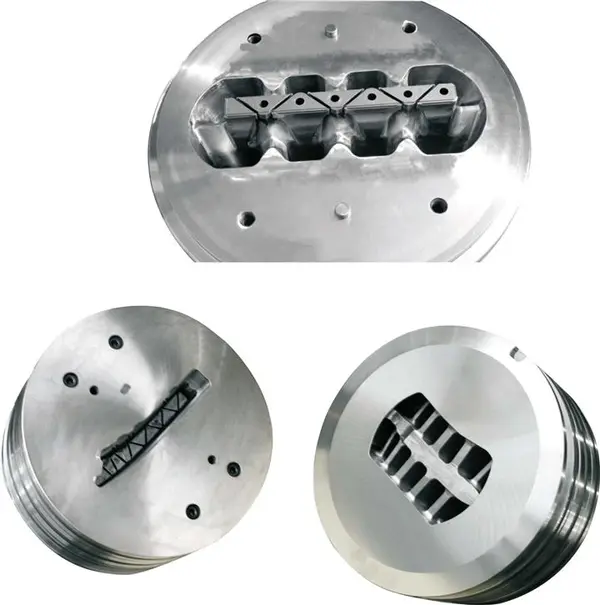
Aluminum Alloy mold
Properties: Low density (1/3 that of steel), good thermal conductivity, fast processing speed, suitable for rapid mold trials.
Common grades:
6061-T6: General-purpose aluminum alloy with a hardness of HB 95, suitable for low-volume molds.
7075-T6: High-strength aluminum alloy with a hardness of HB 150, suitable for molds with complex structures.
Applications: Prototype development and small-batch customization (such as 3C product housings).
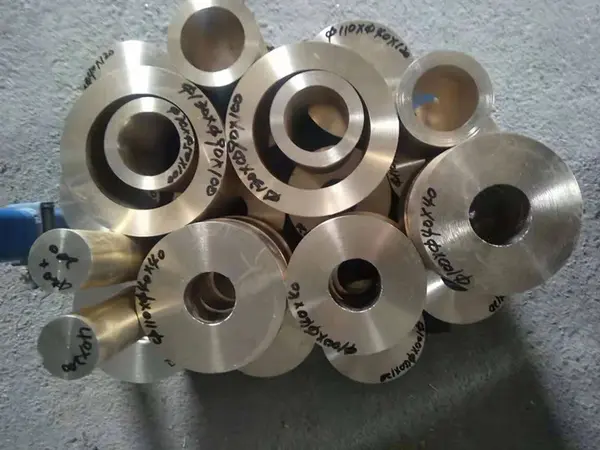
Copper Alloy mold
Properties: Excellent thermal conductivity (three times that of steel), suitable for molds requiring rapid cooling.
Representative material: Beryllium copper (C17200), with a hardness of 38-42 HRC, used for electrodes and die-casting mold inserts.
Applications: Die-casting of mobile phone midframes and molding of precision electronic components.
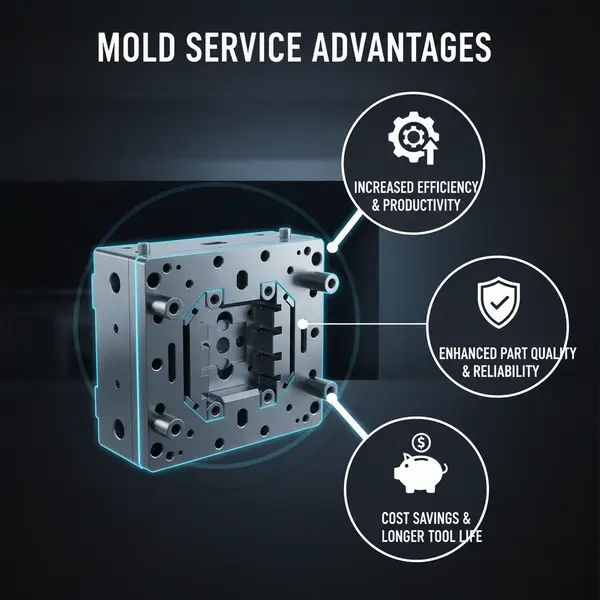
Advantage of molding service
High Precision & Consistency: CNC and EDM ensure tight tolerances (up to ±0.001 mm) and uniform product quality.
Efficient Mass Production: Enables large-scale production with lower unit costs.
Optimized Material Use: Moldflow design reduces waste and improves efficiency.
Complex Structure Capability: Supports intricate designs like thin walls and multi-cavity parts.
Controlled Surface Quality: Surface treatments enhance hardness, corrosion resistance, and finish.
Rapid Prototyping: Aluminum or resin molds shorten development cycles.
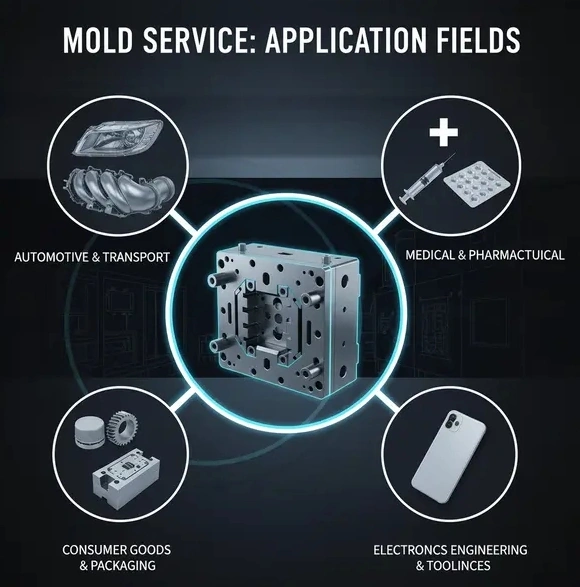
Application of molding service
Automotive Industry: Used for body parts, powertrain components, and lightweight structures through injection and die-casting molds. Mold lifespan reaches 500,000–1,000,000 cycles, meeting high reliability demands.
Electronics & Consumer Products: Applied in casings, connectors, and internal components using CNC, injection, and stamping molds. High-precision requirements (up to ±0.005 mm) support advanced technologies like 5G.
Medical Field: Produces implants, instruments, and packaging with precision casting and medical-grade molds. Must meet strict standards like ISO 13485 and biocompatibility requirements.
Home Appliances & Daily Necessities: Used for large and small appliances as well as everyday plastic products through various molding processes. Innovations like spray-free molds reduce costs and post-processing steps.
Why work with Weldo machining
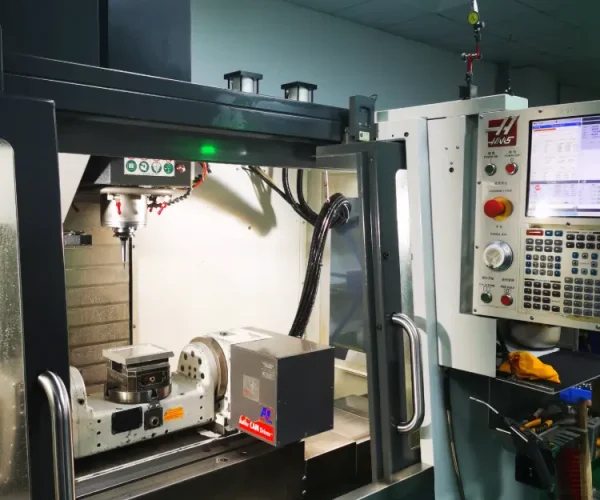
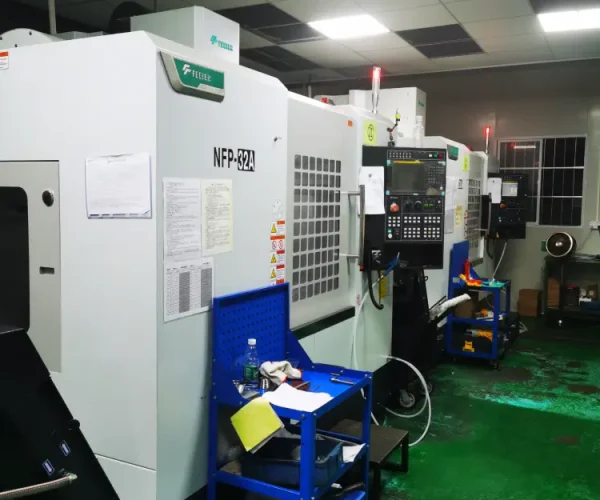
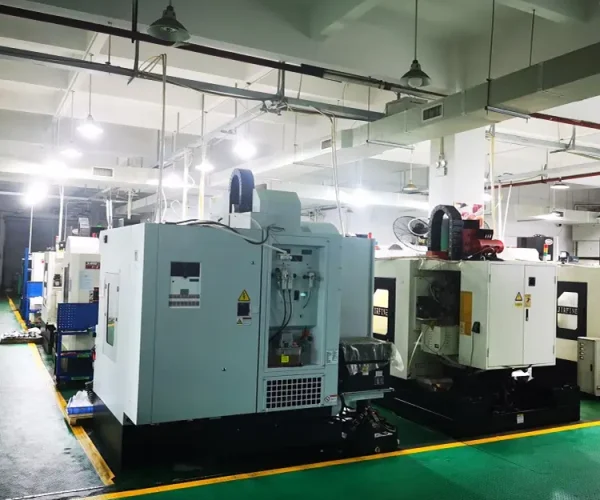
60+ Machine
More than 60 multi-axis CNC machine and EDM cutting can ensure consistency in mass production.
DFM Service
Optimize structural design; reduce manufacturing costs, improve processing efficiency.
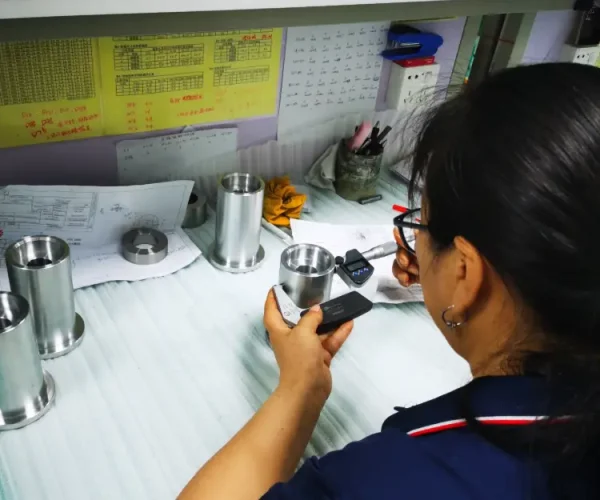
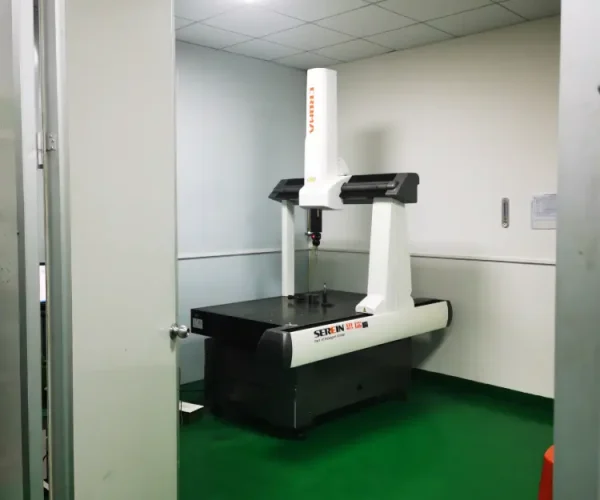
Quality inspection
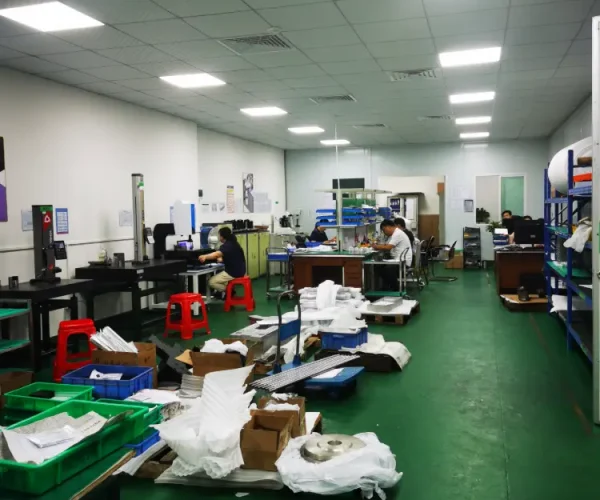
With CMM and other equipment quality inspection systems, the detection accuracy can reach 0.001mm.
Fast Delivery
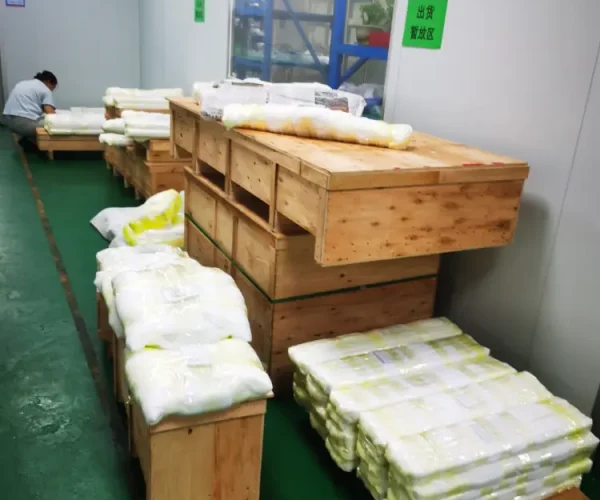
Samples can be shipped within 1 day, Production can be shipped in 3-15 days
FAQ of molding service
What are the main types of Molding Service processes?
Key processes include Injection Molding (plastic parts), Die Casting (metal components), Blow Molding (hollow products), Extrusion (long profiles), and Thermoforming (thin-wall items). Choose based on material, precision, and volume needs.
What factors determine Molding Service costs?
Costs depend on mold complexity/material (30-60% of total), material type (plastic/metal prices), production volume (larger batches reduce per-unit costs), and post-processing (e.g., painting, assembly).
How to select a Molding Service supplier?
Prioritize suppliers with technical expertise (complex structures/precision tolerance), certified equipment (CNC/EDM/automated machines), industry experience (automotive/medical cases), and responsive support (design to post-sale). Avoid low-cost suppliers with short mold lifespans.
What is the typical production cycle?
Cycles vary: Design review (1-3 days), mold making (7-15 days for aluminum/30-60 days for steel), trial molding (3-7 days), and mass production (days to weeks). Use simulation tools or local suppliers to speed up.
How to fix common molded product defects?
Solutions: Sink marks (optimize gate/packing), flash (trim mold/reduce pressure), flow marks (adjust melt temp/design), warpage (modify cooling/packing). Use DOE for optimal parameters.
Does Molding Service support eco-friendly materials?
Yes, options include biobased plastics (PLA), recycled materials (PCR/PIR), halogen-free compounds, and lightweight designs (thin-wall/foam). Balance performance with sustainability.