
5 Axis CNC Machining Service
5-axis CNC machining enables ultra-precision for complex geometries, micro-holes, and advanced parts across aerospace, automotive, and medical fields.

5 axis cnc machining service with Weldo
We bring years of five-axis machining experience to material and process selection. With around 100 material options and tolerances down to 0.001 inch, we balance durability, reliability, and cost across different equipment and operating environments.
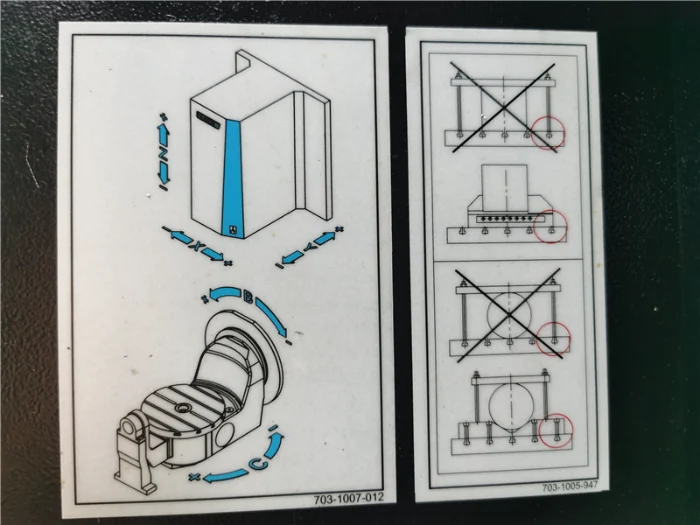
5 Axis CNC Machining Material Optional
Our 5-axis CNC machining centers boast over a decade of production experience, capable of precision machining and cutting approximately one hundred materials with tolerances as tight as 0.001mm. Below are our commonly used material options for CNC machined parts. Should you require machining of other unique materials, please contact us for further information.
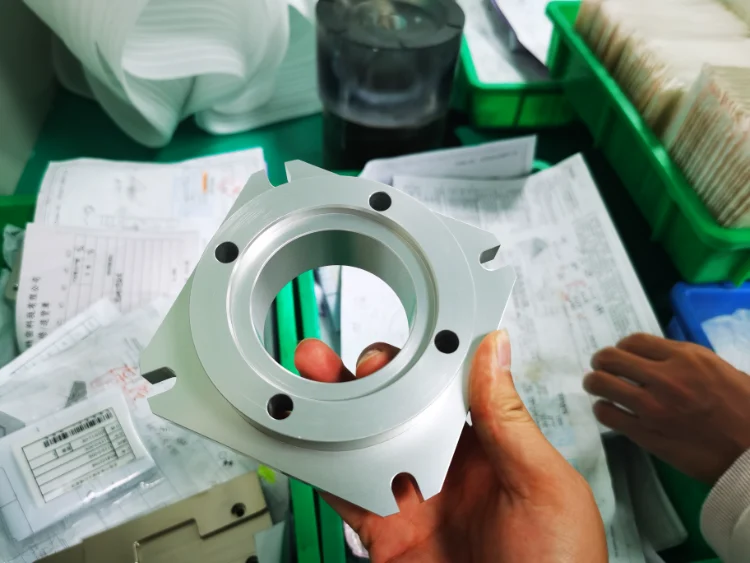
Aluminum
Aluminum is the most commonly used precision-machined component. It has a low density, a hard texture, and a soft material. Thanks to its corrosion resistance, it is widely used in aerospace, bionic bones, and automotive parts manufacturing.
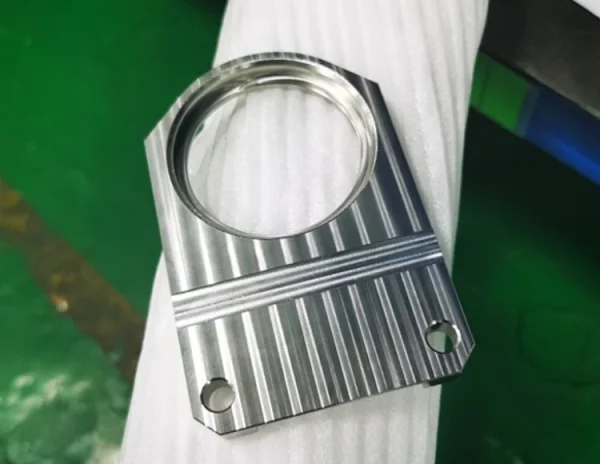
Stainless steel
Stainless steel offers strong corrosion resistance and a smooth, easy-to-clean surface. It is primarily used in kitchen equipment components, medical devices, building materials and construction, as well as automotive parts.
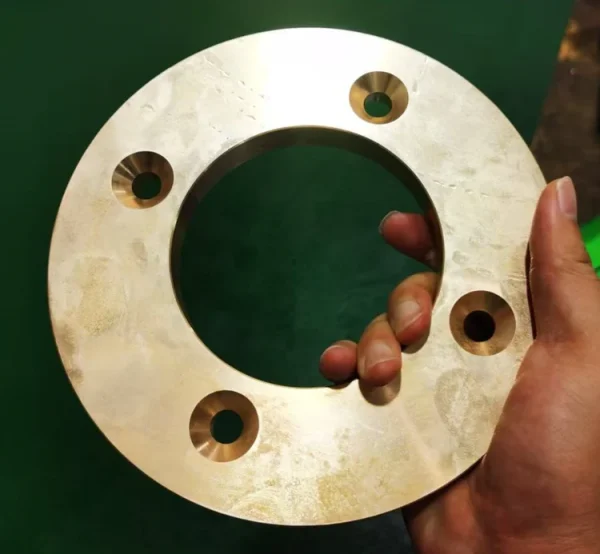
Copper
Possesses electrical conductivity, tensile ductility, and antimicrobial properties, primarily used for processing into crafts, decorative items, and medical equipment.

Bronze
Bronze is a copper–tin alloy with good fluidity, low melting point, and corrosion resistance. It is used for bearings, gears, valves, sculptures, and marine parts like propellers and pumps.
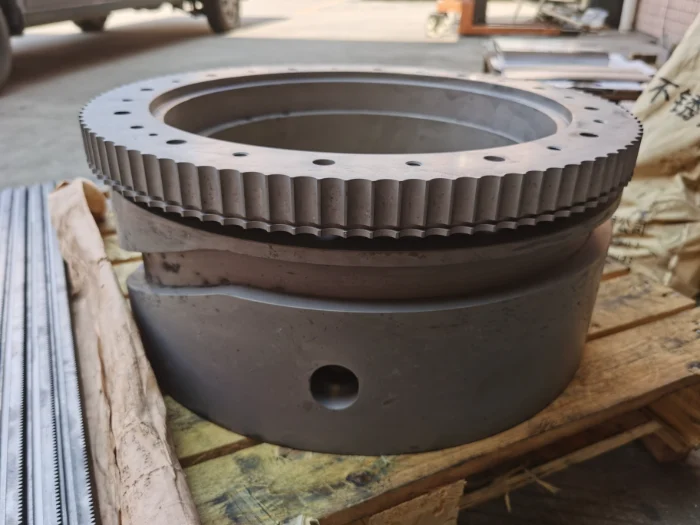
Steel
Steel is an iron–carbon alloy with elements like chromium and nickel, offering strength, toughness, wear, and corrosion resistance. It is widely used for bolts, shafts, gears, cutting tools, and engine components like valves and turbine blades.
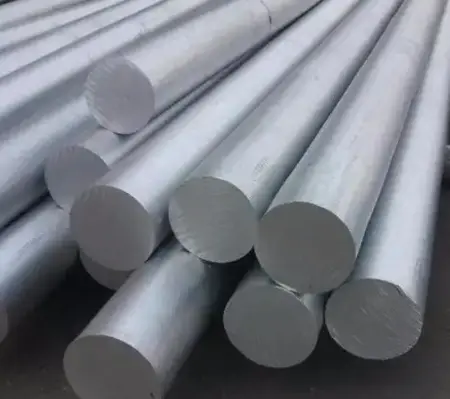
Magnesium
Magnesium offers low density, good thermal conductivity, and easy machining, improving CNC efficiency. Its high strength-to-weight ratio and strong damping make it ideal for aerospace, automotive, and electronics applications.
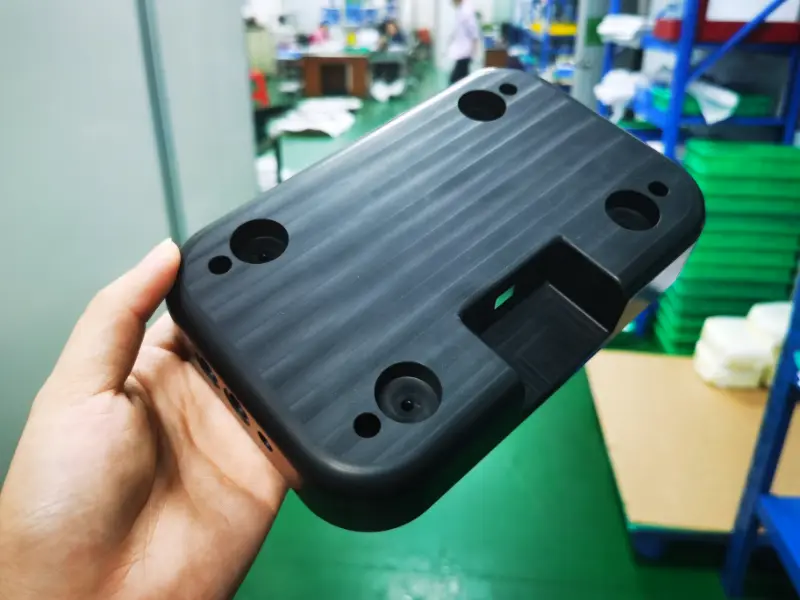
ABS
ABS combines strength, toughness, and processability with good impact resistance, ideal for enclosures and auto parts.
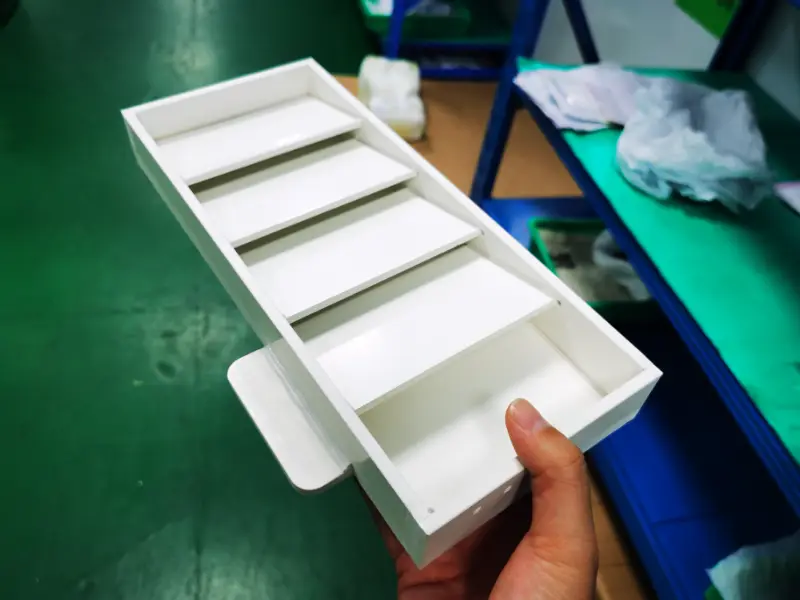
PVC
Rigid PVC: Density approximately 1.35 g/cm³, high mechanical strength, tensile strength up to 34.5–49 MPa, elongation 20–40%, strong resistance to acids, alkalis, and oils, aging resistant, suitable for chemical and corrosive environments.

POM
High strength, low friction, and stable, easy to machine; ideal for gears, bearings, and industrial components.

PMMA
High transparency (92%) plastic with good optics and low weight, used for lenses, light guides, and display covers.
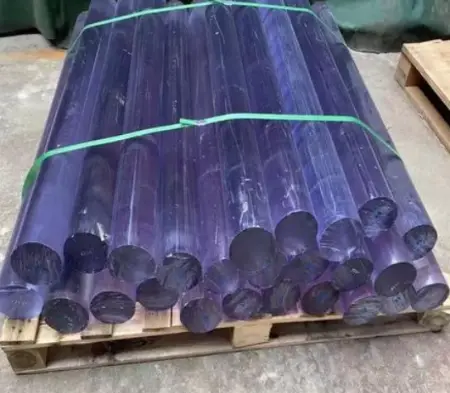
PC
High-toughness thermoplastic with rigidity, insulation, and machinability, ideal for durable electronic and precision parts.
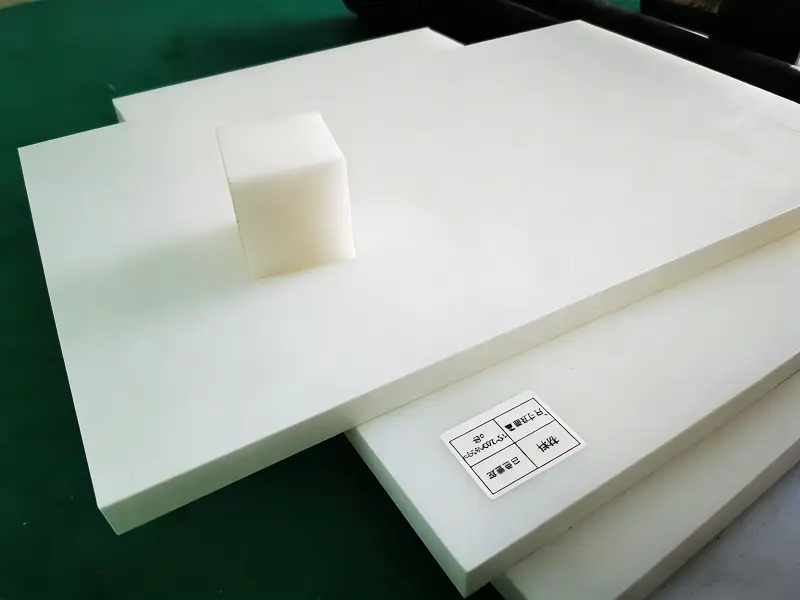
PA
PA (nylon) offers high tensile strength, low friction, and good heat resistance, making it ideal for gears, bearings, and high-load structural parts in automotive, electronics, and industrial machinery.

PE
PE is a low-melting thermoplastic with low friction and self-lubrication, ideal for sliding parts. It offers smooth machining, strong chemical resistance, and is used in containers, bins, and toys.

PEEK
PEEK is a high-performance, semi-crystalline plastic with high strength, high temperature resistance, low friction, and excellent chemical stability. It is widely used in aerospace parts, high-temperature components, and medical devices.
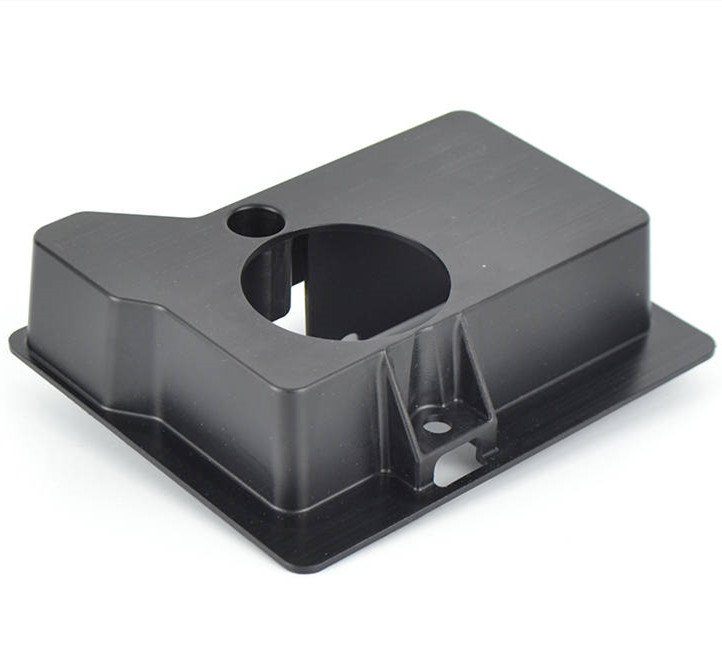
PP
PP is a semi-crystalline thermoplastic with good flow and flexibility. It requires temperature control during machining and is widely used for containers, connectors, and structural parts.
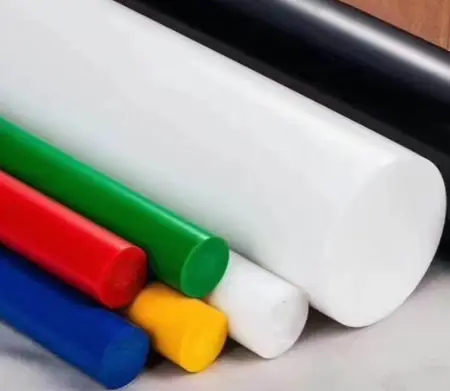
HDPE
HDPE is a linear thermoplastic with high impact resistance and good dimensional stability. Non-toxic and odorless, it is used for valves, pump parts, gears, bearings, and surfboard cores.
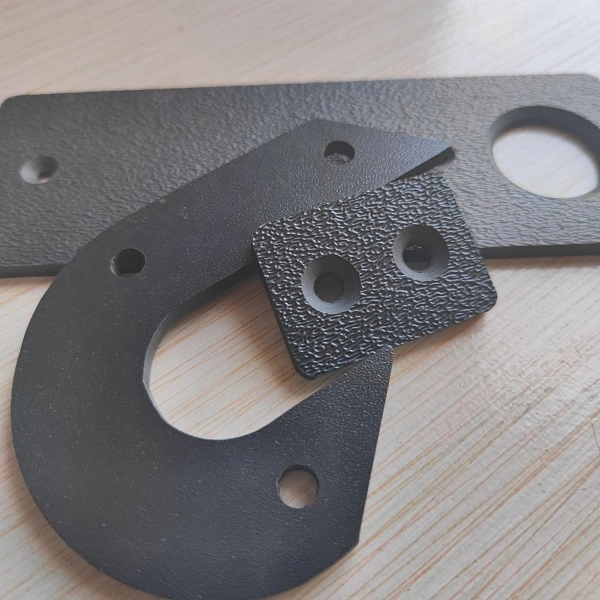
HIPS
HIPS is a low-cost HIPS with high impact resistance, easy processing, and low moisture absorption. It is widely used in housings, packaging, and automotive interiors.
Composite materials
Special alloys
Application of 5 axis cnc machining part

Aerospace Components
Blisks, impellers, turbine blades, structural brackets, and complex housings that require tight tolerances and multi-surface machining.
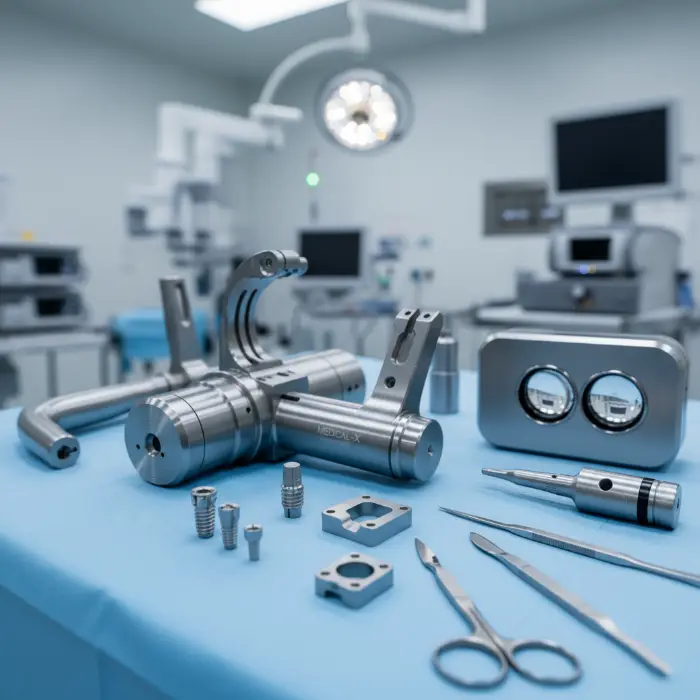
Medical and Orthopedic Parts
Surgical instruments, implant trial components, cutting guides, and complex polymer/metal parts with precise features and smooth surface requirements.
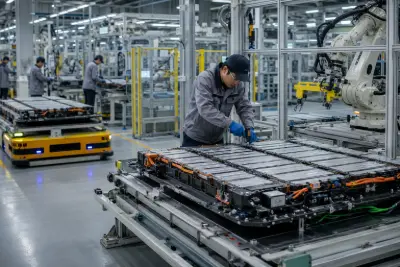
Automotive Performance and Prototype Parts
Engine components, transmission housings, intake manifolds, and prototype parts where complex geometry and fast iteration are critical.
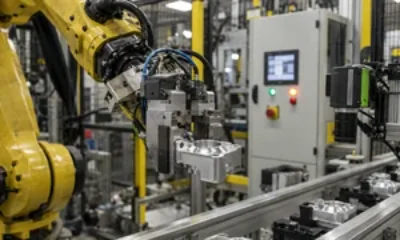
Energy and Industrial Equipment Parts
Pump and valve bodies, impellers, compressor components, and precision manifolds requiring multi-angle drilling and complex internal features.
5 Axis Machining Center
A closer look at the machines and precision parts behind multi-face machining.


