Choosing the right 6061-T6 CNC machining manufacturer is essential for producing strong, stable, and cost-effective aluminum components. Because 6061-T6 aluminum offers excellent machinability, durability, and corrosion resistance, it is widely used in aerospace parts, electronic housings, brackets, jigs, and high-precision mechanical structures. Understanding the material’s advantages, machining behavior, and application needs helps buyers select the best machining partner.
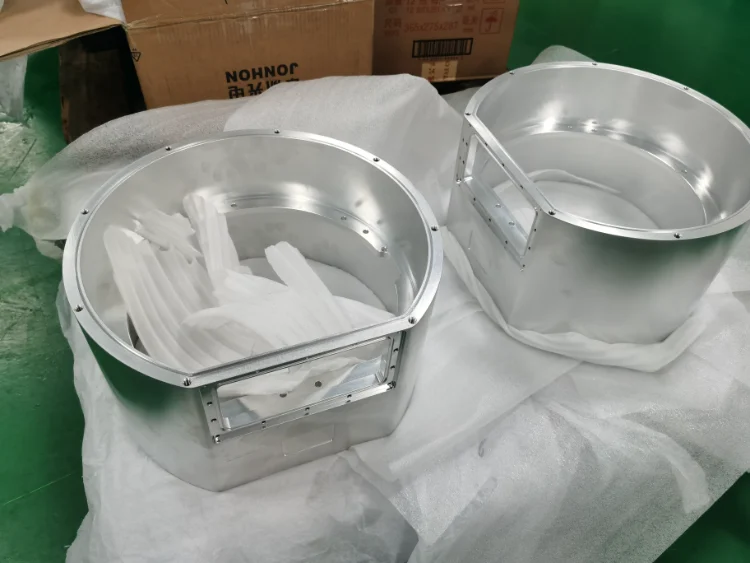
Pros and Cons of 6061-T6 Aluminum for CNC Machining
Advantages
- Excellent machinability
Cuts cleanly with carbide tools and supports high-speed milling and turning. - Strong and lightweight
Ideal for structural components that must remain rigid without adding weight. - Corrosion resistant
Works well for outdoor or marine environments, especially when anodized. - Cost-effective
Less expensive than aerospace-grade materials like 7075-T6. - Good weldability
Supports post-machining welding or structural assembly. - Stable T6 temper
Heat treatment ensures predictable hardness and dimensional consistency.
Disadvantages
- Not as strong as 7075
For extreme load-bearing applications, 7075 may be a better choice. - Moderate fatigue resistance
Not ideal for highly repetitive stress environments. - Susceptible to slight burrs
Requires optimized toolpaths and deburring for clean edges. - Can deform if thin-walled
Thin areas need careful fixturing to prevent vibration or warping.
These pros and cons help customers decide whether 6061-T6 is suitable for their CNC aluminum parts.
Why 6061-T6 Is Ideal for CNC Machining
6061-T6 remains one of the most commonly used aluminum alloys due to its strong balance of performance and machinability.
Key Material Properties
- High strength-to-weight ratio
- Excellent corrosion resistance
- Smooth cutting behavior
- Good dimensional stability
- Suitable for polishing, bead blasting, and anodizing
A professional 6061-T6 CNC machining manufacturer can meet strict tolerance requirements and achieve a clean surface finish.

Machining Behavior of 6061-T6 Aluminum
Cutting Speeds and Feeds
- Spindle speeds: 8,000–18,000 rpm
- Feed rate: 0.08–0.25 mm/tooth
- Depth of cut: aggressive for roughing, shallow for finishing
Best Tooling
- 2-flute or 3-flute carbide end mills
- Polished aluminum-specific tools
- Sharp geometry for burr control
Machining Challenges
- Slight burr formation
- Heat accumulation in deep pockets
- Thin walls require support
An experienced 6061-T6 CNC machining manufacturer uses adaptive toolpaths and rigid fixturing to solve these issues.
Common Applications of 6061-T6 CNC Parts
Automotive & Motorsport
- Housings, brackets, mounts
- Lightweight structural components
Aerospace & UAV Components
- Connectors
- Precision linkages
- Airframe brackets
Electronics
- CNC-milled housings
- Heat sinks
- Frames and panels
Industrial Machinery
- Fixtures
- Machine bases
- Automation parts
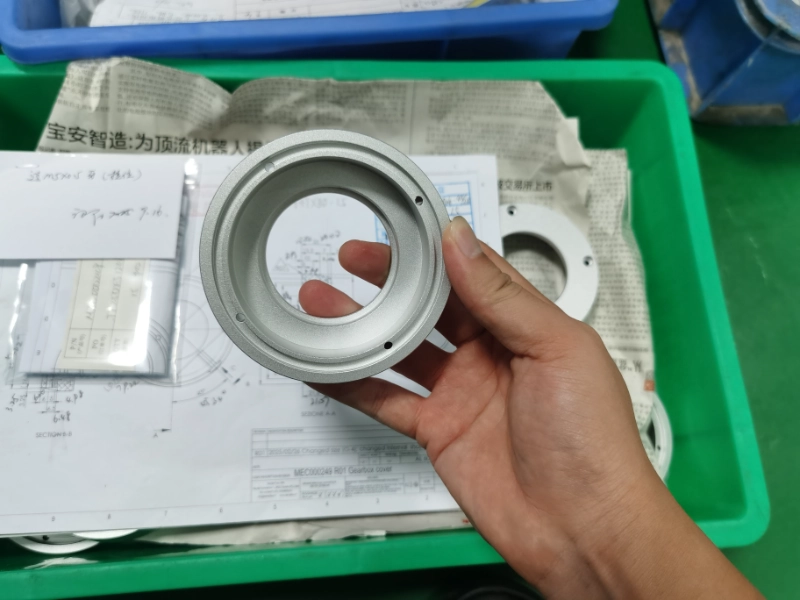
Surface Finishing Options
Standard Finishes
- Type II anodizing (cosmetic & corrosion resistant)
- Type III hard anodizing (industrial wear resistance)
- Sandblasting / bead blasting
- Powder coating
- Brushing & polishing
Finishing selection depends on function, durability, and design expectations.
Reducing Costs With a 6061-T6 CNC Machining Manufacturer
Practical Cost-Reduction Tips
- Avoid unnecessary tight tolerances
- Choose standard stock thicknesses
- Design uniform wall thicknesses
- Specify only required surface finishes
- Use batch production to reduce setup time
A qualified 6061-T6 CNC machining manufacturer can reduce total machining expenses by optimizing toolpaths and material usage.
Conclusion
A reliable 6061-T6 CNC machining manufacturer delivers strong, accurate, and cost-efficient aluminum components suitable for aerospace, automotive, electronics, and industrial applications. By understanding 6061-T6’s advantages, limitations, and finishing requirements, buyers can make better engineering and sourcing decisions.
For expert machining advice, engineering support, or fast quotations, contact Weldo Machining for professional 6061-T6 aluminum CNC solutions tailored to your project.
FAQ of 6061-t6 cnc machining manufacturer
Why is 6061-T6 aluminum widely used for CNC machining?
6061-T6 offers excellent machinability, strength, corrosion resistance, and dimensional stability. It supports high-speed milling and turning, making it ideal for structural and precision components.
What tolerance levels can a 6061-T6 CNC machining manufacturer achieve?
Typical tolerances range from ±0.02–0.05 mm, while high-precision parts can reach ±0.01 mm depending on geometry, tooling, and fixturing.
Does 6061-T6 require post-machining surface treatment?
Not always, but anodizing, bead blasting, brushing, and polishing are often used to enhance corrosion resistance, improve wear performance, or achieve a desired cosmetic finish.
Is 6061-T6 suitable for both prototypes and mass production?
Yes. Its machinability and stable mechanical properties make it ideal for both rapid prototypes and large-scale CNC production runs with consistent quality.