








In today’s fast-paced industrial environment, CNC machining parts play an essential role in ensuring product reliability, precision, and performance. From aerospace and automotive components to medical devices and consumer electronics, CNC-manufactured parts are critical for nearly every modern industry. As consumer demand for higher-quality products increases, the global need for accurate, consistent, and cost-efficient machining parts continues to rise.
This guide explains what CNC parts are, how they’re made, the benefits they offer, and how to choose the right manufacturing partner. It also highlights the growth of specialized production hubs — including the increasing demand for CNC machining parts in Germany — and the importance of selecting the right CNC machining parts factory and CNC machining parts supplier for long-term success.
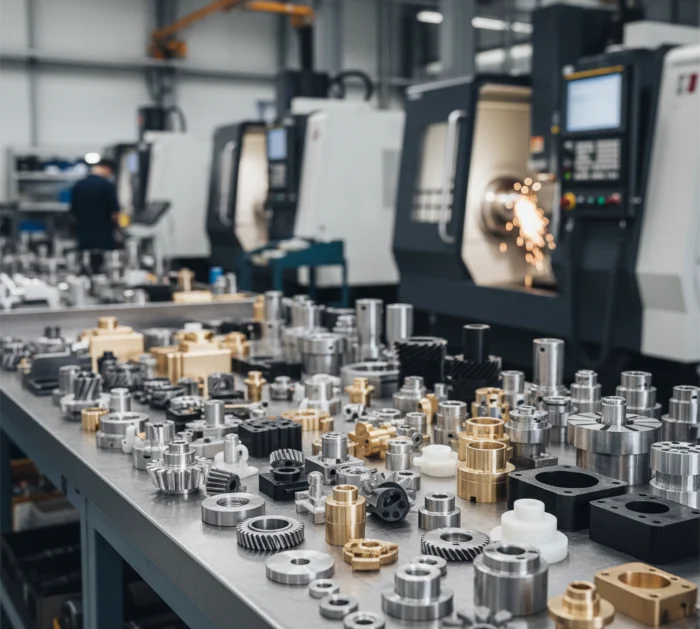
What Are CNC Machining Parts?
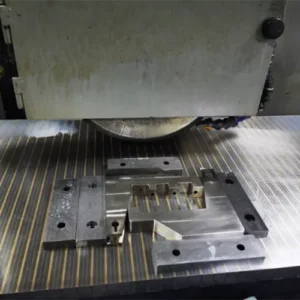
CNC machining parts are components produced using computer numerical control machining processes such as milling, turning, drilling, and grinding. These automated methods provide exceptional accuracy and repeatability by following programmed toolpaths that eliminate manual errors.
These parts can be made from metals (aluminum, steel, stainless steel, brass, titanium), engineering plastics (ABS, PEEK, nylon), and advanced materials like composites. Because the quality of CNC machined parts depends heavily on precision control, manufacturers rely on multi-axis machines, advanced tooling, and digital inspection systems to ensure the highest level of consistency.
Advantages of CNC Machining Parts
High Dimensional Accuracy
CNC machines operate with micron-level precision, enabling the creation of complex geometries and tight tolerances. This makes CNC parts ideal for mechanical assemblies, aerospace structures, and medical instruments.
Superior Repeatability
Once programmed, machines can produce identical components repeatedly, ensuring consistency across batches — a major advantage over manual machining.
Versatile Material Compatibility
A key benefit of CNC machining is the ability to process a wide range of materials. Whether producing high-strength metal parts or finely detailed plastic components, CNC machined parts maintain reliable performance.
Cost-Effective for Prototypes and Production
From one-off prototypes to high-volume runs, CNC machining is cost-efficient and scalable. Automated cutting reduces labor costs while maintaining premium quality.
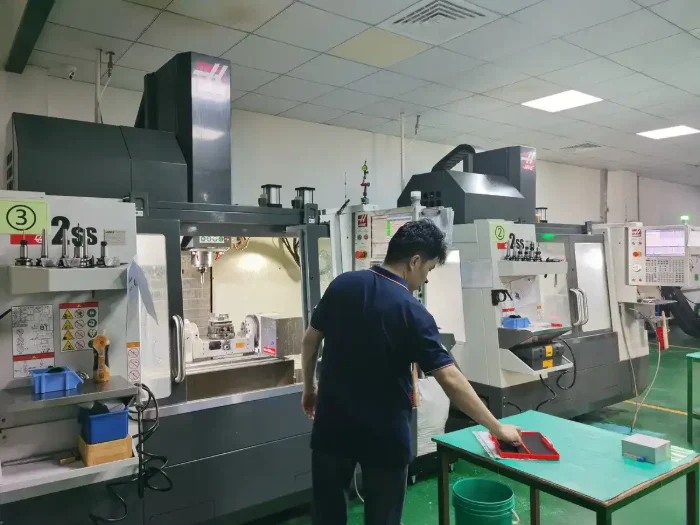
Inside a CNC Machining Parts Factory
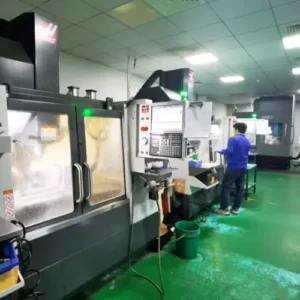
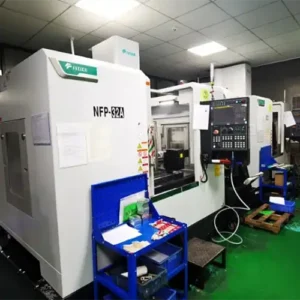
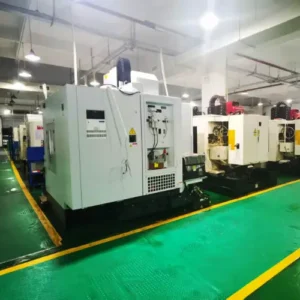
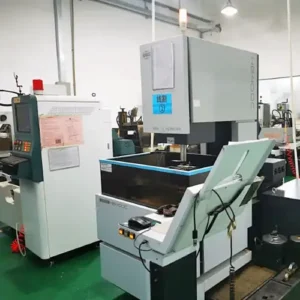
A professional CNC machining parts factory is equipped with a variety of machines, inspection tools, and finishing equipment. Their operations typically include:
Advanced CNC Equipment
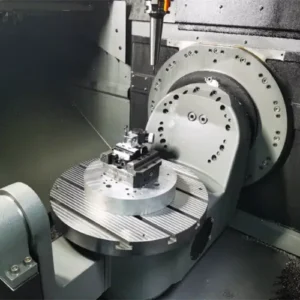
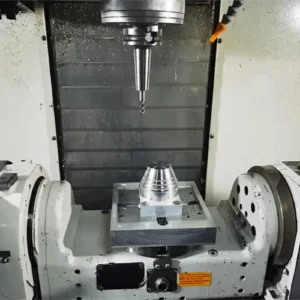
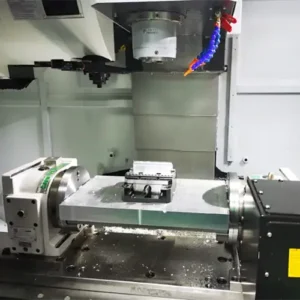
Factories commonly use 3-axis, 4-axis, and 5-axis machining centers to achieve multi-angle cutting and complex geometry production.
Quality Control Systems
High–precision CMMs, optical scanners, gauges, and surface-roughness testers ensure that every batch of CNC machining parts meets drawing specifications.
Skilled Engineering Support
Experienced engineers support customers in design optimization, material selection, prototype development, and tolerance planning.
Full Production Workflow
A well-organized CNC machining parts factory typically offers:
Raw material sourcing
CNC milling & turning
Deburring and finishing
Heat treatment and coating
Assembly (where required)
Final inspection and packaging
Choosing the right factory provides security in lead time, cost control, and production reliability.

How to Select a CNC Machining Parts Supplier
Finding the right CNC machining parts supplier is crucial for maintaining consistent product quality and a smooth supply chain.
Technical Capability
Evaluate a supplier’s experience across materials, tolerances, and applications. A qualified CNC machining parts supplier should demonstrate strong engineering depth and a track record in your industry.
Production Capacity
Suppliers with flexible capacity can handle both prototype and production orders, adapting quickly to market demands.
Quality Certifications
ISO 9001, ISO 13485, IATF 16949, and other certifications ensure that the supplier operates under strict quality management guidelines.
Cost Transparency
A reliable CNC machining parts supplier provides clear pricing structures, lead times, and inspection standards.
Communication & Service
Timely updates, DFM feedback, and after-sales support are essential features of a trustworthy supplier relationship.

CNC Machining Parts in Germany — A Growing Global Hub
Germany is known for world-leading engineering and manufacturing excellence, making CNC machining parts in Germany highly sought after in industries such as:
Automotive and electric vehicles
Aerospace engineering
Industrial machinery
Medical and dental devices
Precision optics
Why Germany Stands Out
Germany’s strength comes from its combination of:
Advanced engineering standards
High inbound investment in automation
Strong industrial infrastructure
Skilled machinists and engineers
German manufacturers are recognized for superior-quality precesion parts, tight tolerances, and robust performance in demanding applications.
Collaboration With Global Suppliers
Many businesses combine the precision of CNC machining parts in Germany with cost-effective global suppliers to balance price, speed, and engineering quality. This hybrid approach strengthens supply chain resilience while maintaining product performance.
Key Applications of CNC Machining Parts
CNC machining parts support nearly every modern sector, including:
Aerospace & Defense
Custom housings, engine brackets, turbine components, and structural elements.
Automotive
Suspension parts, transmission components, custom fixtures, and EV battery system hardware.
Medical & Dental
Implant-grade titanium parts, surgical tools, medical housings, and laboratory components.
Electronics
Heat sinks, connectors, housings, precision mounts, and mechanical assemblies.
Industrial Equipment
Machine tool components, shafts, gears, and high-wear parts.
Because CNC machining produces consistent and high-quality components, it remains one of the most trusted technologies in advanced manufacturing.

Future Trends
The market Key trends include:
Automation & Smart Factories
AI-based toolpath optimization, automated QA systems, and robotic handling are increasing production speed and accuracy.
Hybrid Machining
Combining additive manufacturing with CNC machining is becoming more common, allowing for complex geometries and improved efficiency.
Eco-Friendly Manufacturing
Factories are adopting sustainable practices such as material recycling, coolant filtration, and energy-efficient equipment.
Global Supplier Networks
More companies are integrating local and international CNC machining parts supplier networks to diversify risk and shorten lead times.
Conclusion — Choosing the Right CNC Machining Parts Partner
Whether you’re seeking high precision, fast turnaround, or specialized materials, choosing the right manufacturing partner is key. A capable CNC machining parts factory equipped with advanced machines, strong engineering knowledge, and strict quality systems can support your entire product lifecycle. At the same time, a trusted CNC machining parts supplier ensures stable communication, professional support, and consistent product reliability.
If your business requires high-accuracy, durable, and custom-engineered precise parts, partnering with an experienced global supplier such as our Weldo machining ,please feel free contact with us for more details and quote.