








Understanding custom CNC machining cost is essential for manufacturers, engineers, and businesses looking to optimize production. As demand for precision components continues to rise, evaluating the factors behind custom CNC machining cost becomes a critical step for both prototyping and mass production. When compared with other fabrication technologies, custom CNC machining cost remains attractive for its accuracy, versatility, and repeatability—especially when paired with stable custom CNC machining price strategies that help businesses plan ahead.
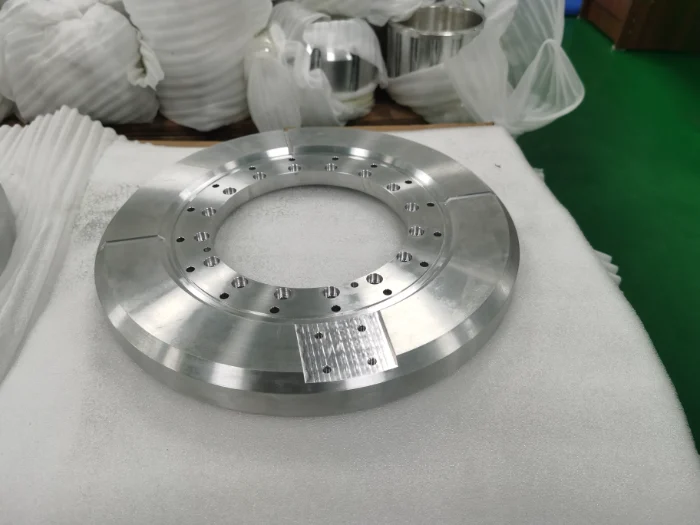
What Shapes Custom CNC Machining Cost?
Custom CNC machining cost is influenced by material type, design complexity, tolerance requirements, tool paths, and post-processing needs. Each of these elements interacts directly with the overall custom CNC machining price quoted by suppliers. For example, tighter tolerances require additional machine time, increasing cost, while simplified structures reduce unnecessary tool movement and setup cycles.
Material Choices and Their Impact on Custom CNC Machining Price
Material selection plays a major role in determining custom CNC machining cost. Hard metals such as stainless steel and titanium increase cutting difficulty and tool wear, raising the overall custom CNC machining price. Softer materials like aluminum reduce machining resistance, making them more cost-efficient choices. When selecting materials, buyers should consider both performance requirements and long-term custom CNC machining cost implications to avoid overspending.
Design Optimization to Reduce Custom CNC Machining Cost
Design for manufacturability (DFM) is one of the most effective ways to reduce custom CNC machining cost. Engineers can simplify non-essential features, use fillets instead of sharp internal corners, and avoid overly deep pockets that require special tooling. These optimizations not only reduce custom CNC machining price but also shorten lead time. Collaborating early with machinists ensures that each design choice supports cost-efficient production.
Production Volume and Its Effect on Custom CNC Machining Price
One crucial factor in evaluating custom CNC machining cost is quantity. Large-volume orders usually receive a lower custom CNC machining price per unit because machine setup costs are spread across more parts. Meanwhile, prototype machining may involve higher cost due to short runs and multiple revisions. Companies should assess whether batch production or on-demand machining fits their cost structure more effectively.
Post-Processing Requirements and Cost Implications
Surface finishing—such as anodizing, powder coating, polishing, heat treatment, or laser engraving—adds additional cost. Although these steps increase aesthetic appeal and performance, they raise the final custom CNC machining price. Understanding which surface finish is essential versus optional helps control custom CNC machining cost without sacrificing product quality.
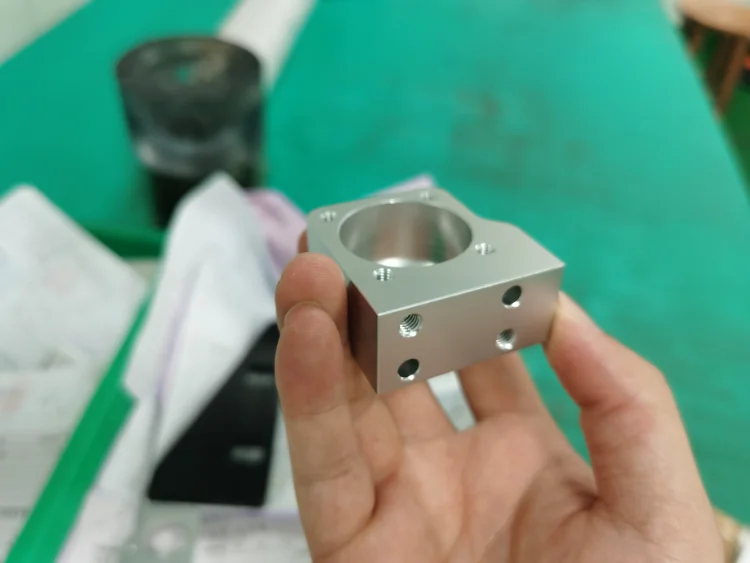
How Manufacturers Calculate Custom CNC Machining Cost
Manufacturers typically calculate custom CNC machining cost using a combination of machine running hours, operator labor, fixture setup, tooling wear, material consumption, and post-processing expenses. Transparent and consistent custom CNC machining price assessments allow customers to compare suppliers and negotiate more effectively. High-end machine shops may charge more, but they often deliver superior precision and reliability, offsetting higher initial cost.
Choosing the Right Supplier for Reasonable Custom CNC Machining Cost
Selecting a reliable manufacturer directly affects the final custom CNC machining cost. Experienced machining companies optimize production steps, reduce errors, and control waste, resulting in more stable custom CNC machining price quotes. Always evaluate supplier capabilities, from equipment type to quality management systems, before committing to long-term cooperation.
Case Study — Reducing Custom CNC Machining Price Through Smart Design
A manufacturer producing aluminum housings achieved a 22% reduction in custom CNC machining cost by redesigning undercuts, reducing the number of tool changes, and adjusting tolerance requirements. This example shows how thoughtful engineering directly drives a more economical custom CNC machining price without compromising performance.

Final Thoughts on Managing Custom CNC Machining Cost
Understanding the elements influencing custom CNC machining cost empowers businesses to optimize budgets and production quality. By evaluating materials, design complexity, machining strategies, and supplier capabilities, companies can secure competitive custom CNC machining price offers while maintaining strong product performance.
FAQ of custom cnc machining cost
What is the main factor affecting custom CNC machining cost?
Material choice, design complexity, and machining time are the primary cost drivers.
How can I reduce custom CNC machining price?
Simplify the design, choose efficient materials, and increase order quantity when possible.
Why does tolerance accuracy increase custom CNC machining cost?
Tighter tolerances require slower cutting speeds and additional inspection, increasing overall price.