
Understanding ABS CNC machining cost is essential for companies seeking affordable and reliable plastic part production. ABS is widely used due to its toughness, stability, and low processing difficulty, which makes estimating ABS CNC machining cost more predictable compared with metals or high-performance plastics. Manufacturers in automotive, electronics, consumer goods, and prototyping often choose ABS because it supports tight tolerances while keeping budgets under control.

Factors That Influence ABS CNC Machining Cost
Material Selection and Its Effect on ABS CNC Machining Cost
ABS material grade affects the final price. Standard ABS is inexpensive, while flame-retardant or high-impact ABS may increase ABS CNC machining cost due to higher raw material pricing. Color additives also slightly influence material expenses.
Machine Time and Complexity
Machining time remains one of the largest contributors to ABS CNC machining cost. Simple parts with smooth geometries require minimal passes, while parts with deep pockets, thin walls, or tight tolerances take longer. Multi-axis operations add precision but also raise machining time and labor requirements.
Tooling Requirements
ABS is easier to machine than metals, yet tool selection still matters. Sharp cutters and stable speeds maintain quality and consistency. While tooling wear is low, surface finishing and deburring steps can affect the overall ABS CNC machining cost.
Design Factors That Impact Pricing
Dimensional Accuracy and Tolerance Levels
Tight tolerances increase ABS CNC machining cost because they require slower feed rates and more inspections. Designers should specify tolerances only where necessary to optimize expense without sacrificing performance.
Part Size and Wall Thickness
Large ABS components require more material and longer machining times. Extremely thin-wall parts may need additional setups, which increases the overall ABS CNC machining cost.

Comparing ABS CNC Machining Cost With Other Plastics
ABS vs. Nylon Machining Costs
Nylon absorbs moisture and requires stabilization, which raises cost. ABS CNC machining cost is typically lower, making it a cost-effective option for general engineering parts.
ABS vs. POM (Delrin) Machining Costs
POM offers excellent dimensional stability but is harder to machine than ABS. Specialized tooling increases machining prices, giving ABS an economic advantage.
Industries That Rely on Cost-Effective ABS CNC Machining
Electronics
ABS is suitable for housings, covers, brackets, and connectors. Manufacturers choose ABS to balance durability and low machining cost.
Automotive
Interior components, holders, and prototypes benefit from ABS’s strength and lower machining expenses.
Prototyping
ABS CNC machining cost remains favorable for rapid prototyping where early-stage validation is needed.
How Manufacturers Reduce ABS CNC Machining Cost
Optimizing CAD Models
Simplifying geometry, avoiding unnecessary undercuts, and maintaining consistent wall thickness reduces machining time and improves cost-efficiency.
Batch Production
Higher quantities spread setup fees across multiple parts. Bulk machining also helps achieve stable pricing and faster lead times.
Choosing the Right Machining Process
2-axis machining is cheaper than 3- or 5-axis machining. Selecting the correct axis level helps keep ABS CNC machining cost under control.
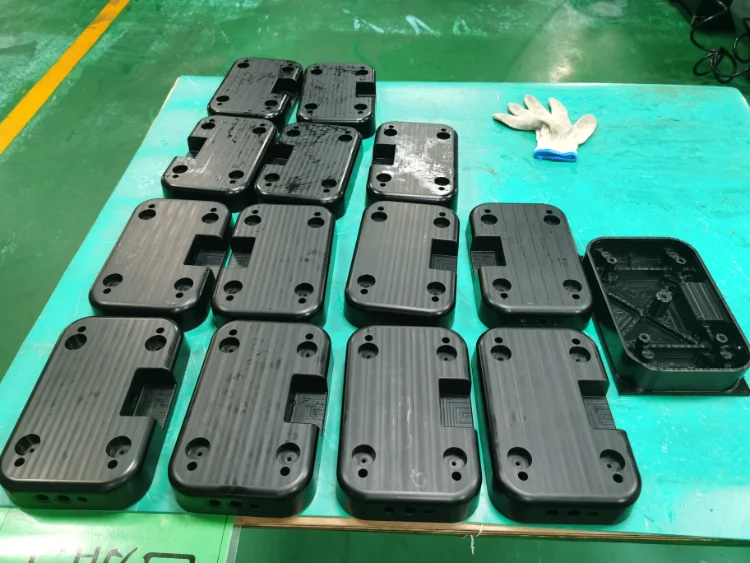
Why ABS CNC Machining Remains a Cost-Effective Choice
ABS is popular because it machines cleanly, offers a good strength-to-weight ratio, and produces stable tolerances at a competitive price point. Manufacturers continually choose ABS because the balance of precision, performance, and reasonable ABS CNC machining cost is ideal for both prototypes and final-use components.
Case Examples of Cost-Optimized ABS CNC Machining
Electronics Shell Prototyping
A manufacturer required ABS enclosures for small consumer electronics. By modifying fillets and reducing unnecessary design features, they lowered ABS CNC machining cost by nearly 18% while maintaining quality.
Automotive Interior Clips
Simplifying tooling and adjusting tolerance zones reduced material waste and shortened machining time. The final part met strength requirements with a controlled ABS CNC machining cost.
Robotics Structural Components
Switching from tight default tolerances to function-based tolerances cut machining time and improved production efficiency while keeping ABS CNC machining cost predictable.
Future Trends in ABS CNC Machining Cost Control
Automation
Toolpath automation and AI-driven CAM software reduce manual labor and maintain consistent machining quality, helping stabilize ABS CNC machining cost.
Material Innovation
Improved ABS grades with better machining properties contribute to lower scrap rates and optimized tool performance.
Digital Cost Forecasting
Software tools help manufacturers calculate ABS CNC machining cost more accurately, enabling faster supplier comparison and budgeting.
Conclusion
Understanding ABS CNC machining cost ensures better design decisions and overall manufacturing efficiency. By considering factors such as material grade, machining time, tolerances, and production strategy, companies can control expenses without sacrificing performance. ABS continues to be a reliable, cost-effective material for a wide range of engineering and consumer applications.
If you want get a abs prototype quote or know more details of abs material,you can contact with us Weldo machining bellow: