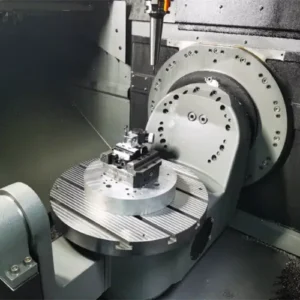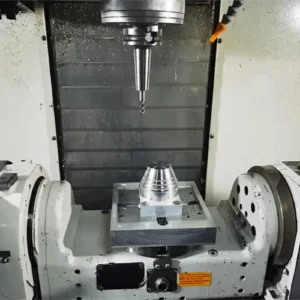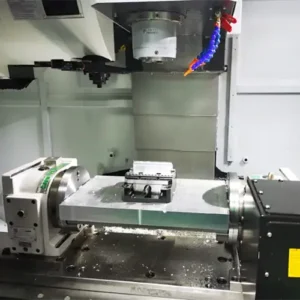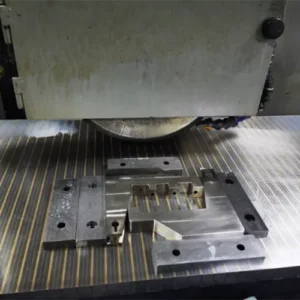









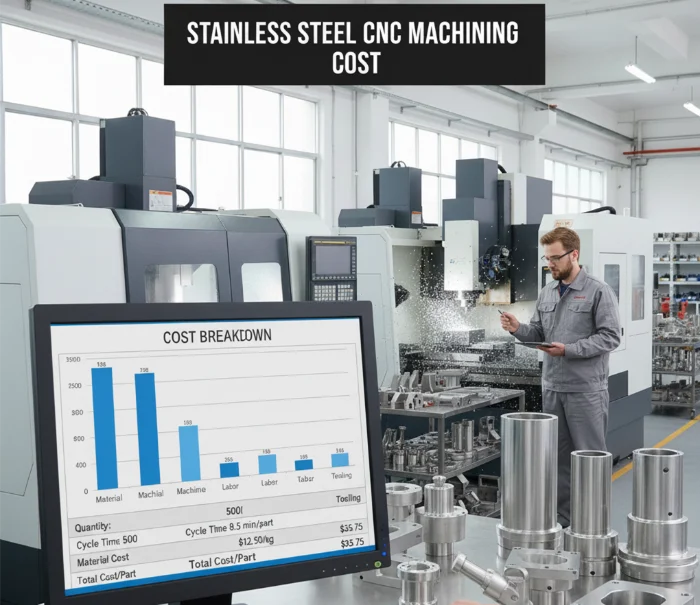
Stainless steel CNC machining cost is one of the most frequently analyzed topics among engineers, procurement teams, and product developers. As stainless steel continues to be a preferred industrial material due to its strength, corrosion resistance, and long service life, understanding the cost structure behind CNC machining becomes essential for accurate budgeting and product planning. This guide explains what truly affects stainless steel machining expenses and how you can optimize your costs without compromising quality.
Why Stainless Steel CNC Machining Cost Matters
Stainless steel CNC machining cost directly determines the feasibility of many components used in sectors such as automotive, medical, defense, food processing, and heavy machinery. While stainless steel offers unmatched reliability, it is also harder to machine than aluminum or plastics, which means the cost per part tends to be higher.
Manufacturers evaluate factors like raw material grade, design complexity, tool wear, and production volume to calculate a competitive price. Understanding these components helps companies gain control over their expenses and avoid overspending.
Key Factors Influencing Stainless Steel CNC Machining Cost
Material Grade Impact on Stainless Steel CNC Machining Cost
Different grades significantly affect stainless steel CNC machining cost. Common machining grades include:
- 304 stainless steel – widely used but relatively tough to machine
- 316 stainless steel – higher corrosion resistance but slower to cut
- 410/420 stainless steel – machinable but harder, increasing tool wear
- 17-4PH stainless steel – strong but requires precise machining parameters
Higher hardness, more alloying elements, and tighter tolerances lead to longer machining times, which increases cost per unit.
Design Geometry and Complexity
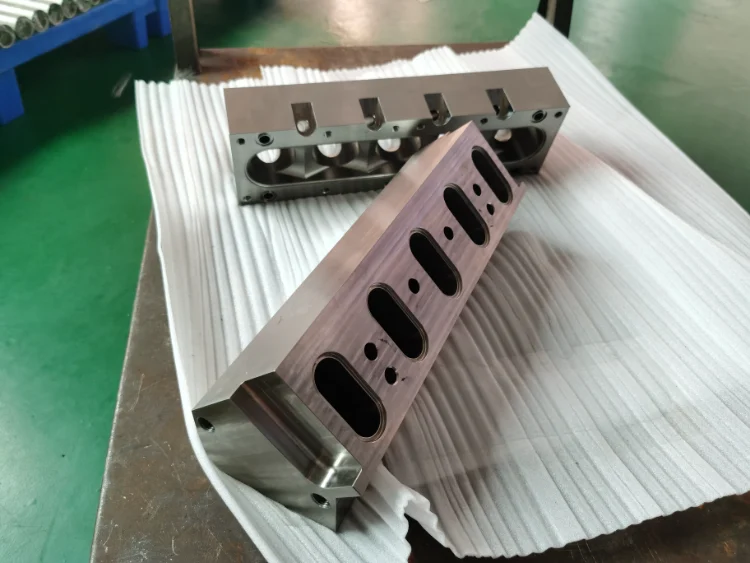
Complex parts require more tool paths, multi-axis machining, longer cycle times, and additional setup operations. Features such as thin walls, deep cavities, or micro-tolerances add significantly to stainless steel CNC machining cost.
Designers are encouraged to simplify non-critical features to reduce cutting time and tool usage.
Tool Wear and Cutting Efficiency
Stainless steel is notorious for causing tool wear due to its toughness and heat retention. Machinists frequently use carbide tools and coolant systems to maintain cutting performance. These factors influence stainless steel CNC machining cost because manufacturers must account for frequent tool replacement and optimization strategies.
Production Volume
Low-volume machining (1–50 pieces) involves higher setup costs per part. High-volume orders benefit from process stability and reduced per-piece pricing. Understanding volume impact is essential for cost-effective project planning.
Related Cost Considerations in Stainless Steel CNC Machining
CNC Stainless Steel Parts Pricing Structure
When calculating cost for CNC stainless steel parts, manufacturers include:
- Raw material price
- Machining time
- Equipment usage and depreciation
- Tooling wear
- Surface finishing
- Inspection and quality assurance
- Packaging and logistics
This structure ensures both accuracy and repeatability in stainless steel CNC machining cost evaluations.
Custom Stainless Steel CNC Machining Cost
Custom machining requires tailored processes, custom fixtures, special cutting strategies, or programming from scratch. The more unique the component, the higher the stainless steel CNC machining cost becomes.
Examples include medical implants, aerospace fittings, and precision hydraulic components.
Additional Elements that Influence Stainless Steel CNC Machining Cost
Surface Finishing for Stainless Steel
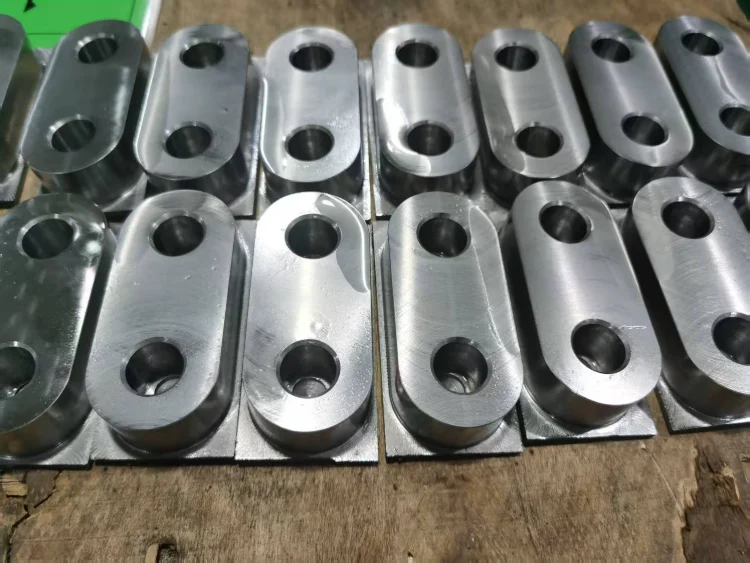
Finishes such as polishing, passivation, sandblasting, electroplating, or heat treating add time and labor. While stainless steel naturally resists corrosion, many applications demand enhanced aesthetics or performance.
Each finishing step contributes 10–40% additional cost depending on complexity.
Tolerance Requirements
Tight tolerances drastically increase machining time and scrap rates. High-precision stainless steel components for aerospace or medical applications typically cost more than standard industrial parts.
Strategies to Reduce Stainless Steel CNC Machining Cost
Optimize Design for Machinability
Minimize undercuts, avoid unnecessary deep grooves, and maintain uniform wall thickness. Reducing design complexity is the fastest way to control stainless steel CNC machining cost.
Choose the Correct Material Grade
Sometimes 304 stainless steel is enough. Using 316 stainless steel when unnecessary increases machining time and tool wear.
Increase Order Quantity
Batch machining allows amortization of setup costs and provides better unit pricing.
Work With an Experienced Stainless Steel Machining Supplier
Expert machinists understand appropriate feeds, speeds, cooling methods, and tooling strategies required for stainless steel. Their experience directly reduces stainless steel CNC machining cost through higher efficiency and lower scrap rates.
Applications That Justify Stainless Steel CNC Machining Cost
Industrial Components
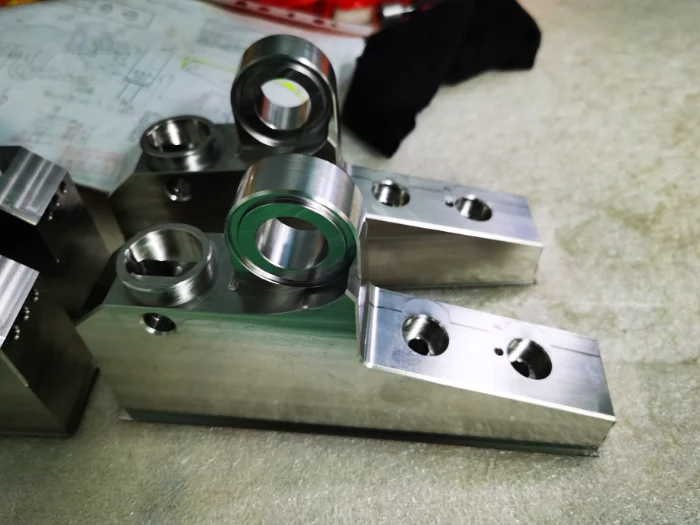
Pumps, valves, fasteners, and high-load structural components require stainless steel’s strength and durability.
Medical and Food Processing Machinery
These industries demand corrosion-resistant and hygienic stainless steel parts, making machining cost a worthwhile investment.
Marine and Outdoor Equipment
The combination of moisture, salt exposure, and heat makes stainless steel the best option, even if stainless steel CNC machining cost is slightly higher.
Aerospace and Defense
Precision and performance outweigh machining expenses in these mission-critical sectors.
Conclusion
Stainless steel CNC machining cost is influenced by many factors including material grade, part complexity, machining time, tooling, volume, and finishing requirements. By understanding these components and cooperating with an experienced manufacturer, companies can optimize production budgets and maintain consistent part quality. Although stainless steel machining is relatively more expensive, its long-term performance, durability, and corrosion resistance make it a cost-effective investment for numerous industries.
if you want get an instant quote or more details,you can contact with us Weldo now.
FAQ of stainless steel cnc machining cost
What is the average stainless steel CNC machining cost per part?
The cost ranges from $30 to $200+, depending on material grade, design complexity, machining time, and finishing requirements.
Why is stainless steel CNC machining more expensive than aluminum?
Stainless steel is harder, retains heat, and causes higher tool wear, which increases machining time and tooling expenses.
How can I reduce stainless steel CNC machining cost?
Optimize part design, choose the appropriate stainless steel grade, increase batch quantities, and work with an experienced machining supplier.