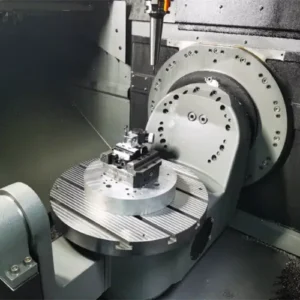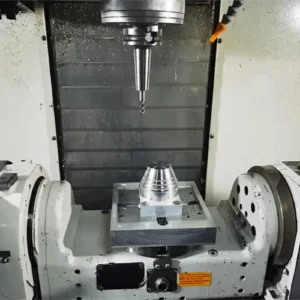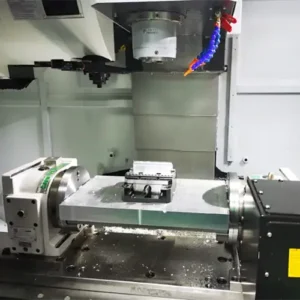









The demand for cnc machining medical prototype development keeps rising as the medical industry seeks faster innovation and higher precision. CNC machining is widely used for diagnostic equipment, surgical tools, implants, and handheld devices because it offers tight tolerances, medical-grade materials, and smooth finishes that molding or 3D printing often cannot match. This article briefly explains the key requirements, materials, costs, and finishing options to help you choose the right approach for your next cnc machining medical prototype project.
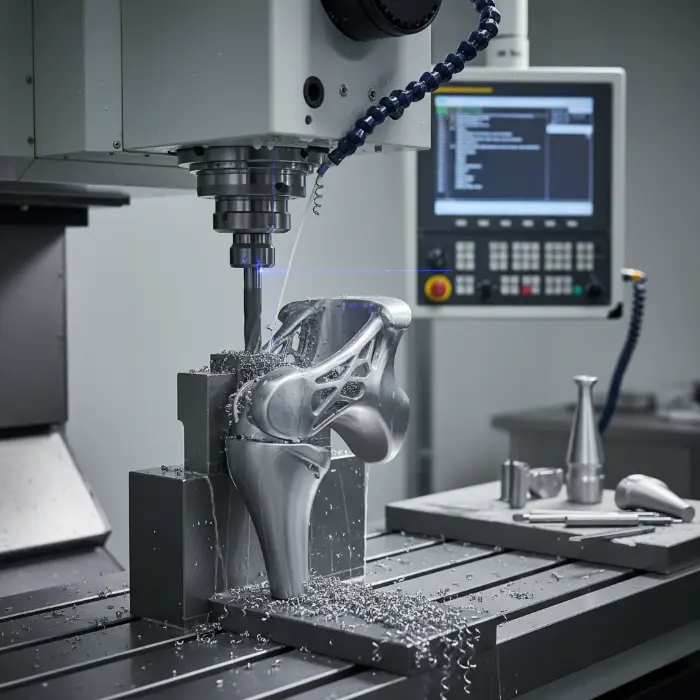
1. Why CNC Machining Is Essential for Medical Prototyping
For decades, CNC machining has been the gold-standard method for producing medical prototypes due to its precision, repeatability, and compatibility with FDA-approved and ISO-certified materials.
Key advantages include:
- Ultra-tight tolerances (±0.01–0.02 mm)
- Full compatibility with medical-grade metals and plastics
- Superior surface finish suitable for laboratory and clinical testing
- Rapid prototyping (1–7 days) for iterative development
- High dimensional accuracy for snap-fit, alignment, and assembly testing
- Ability to support complex geometries such as channels, tapers, undercuts, and ergonomic designs
2. Common Components in CNC Machining Medical Prototype Projects
A wide range of medical components require CNC machining for prototyping:
2.1 Surgical Tool Prototypes
- Forceps
- Scalpels and blades
- Graspers
- Drill guides
- Surgical handles
- Endoscopic parts
2.2 Implant and Orthopedic Prototypes
- Bone plates
- Screws
- Joint components
- Spinal implants
- Dental implants
2.3 Diagnostic Equipment Components
- Housings
- Frames and brackets
- Sensor mounts
- Electrode interfaces
- Test stand parts
2.4 Medical Electronics Prototypes
- ECG housings
- Ultrasound covers
- Portable device enclosures
- Connector systems
2.5 Laboratory Device Parts
- Pumps
- Sampling trays
- Chemical-resistant chambers
- Guide rails
The versatility of CNC machining makes it possible to develop prototypes for almost every medical application, from simple brackets to full surgical assemblies.
3. Industry Requirements for CNC Machining Medical Prototype Development
Medical device prototyping requires a level of precision and safety far beyond typical industrial standards. Manufacturers must comply with:
3.1 Strict tolerance requirements
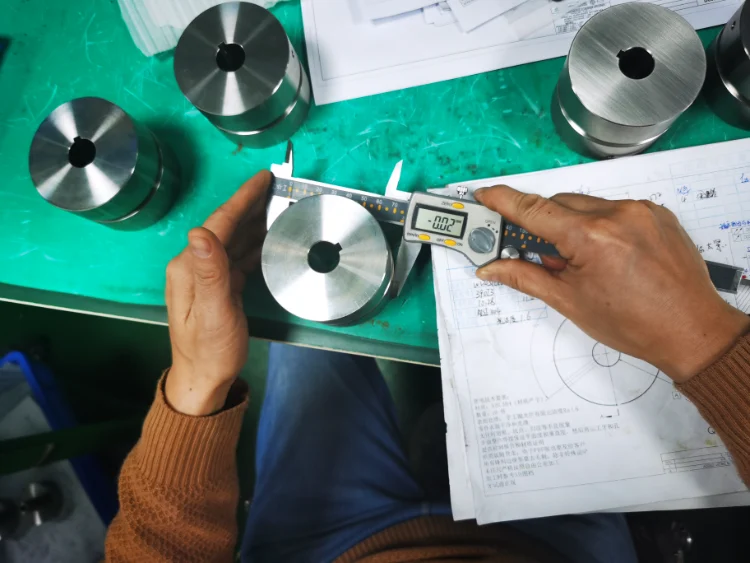
Many medical parts require tolerances as tight as ±0.01 mm, especially for implants, alignment features, or mechanical interfaces.
3.2 Biocompatibility requirements
Most medical prototypes must follow:
- ISO 10993 biocompatibility guidelines
- FDA material compatibility specifications
- Non-toxic, non-reactive material selection
3.3 Sterilization compatibility
Machined prototypes must withstand:
- Autoclave
- Gamma radiation
- Ethylene oxide
- Chemical sterilizers
3.4 Clean and defect-free surfaces
Medical parts require smooth, burr-free edges to prevent contamination and ensure safe handling.
3.5 Traceability and documentation
Many projects require:
- Material certifications
- Batch traceability
- Production documentation
- Surface finish reports
CNC machining naturally supports these requirements thanks to precise process control and stable repeatability.
4. Material Options for CNC Machining Medical Prototype Projects
Because the medical industry is highly regulated, selecting suitable materials is essential. The most commonly used medical-grade materials include:
4.1 Medical-Grade Metals
Stainless Steel (303, 304, 316L)
- Corrosion-resistant
- Biocompatible
- Common for surgical instruments
- Compatible with passivation & electropolish
Used widely in medical cnc machining of handles, blades, and implant prototypes.
Titanium (Ti6Al4V)
- High strength-to-weight ratio
- Excellent biocompatibility
- Non-magnetic
- Suitable for implant trials
Ideal for orthopedic prototypes, dental implants, and surgical frames.
Aluminum (6061, 7075)
- Lightweight
- Cost-effective
- Easy to machine
- Common for housings and diagnostic devices
Often used in cnc aluminum machining for brackets and enclosures.
4.2 Medical-Grade Plastics
PEEK
- High-temperature resistance
- Sterilization-friendly
- Strong mechanical properties
- Used in implant tests and surgical guides
Ultem (PEI)
- Flame-resistant
- Chemical-resistant
- Used for medical electronics
Delrin (POM)
- Excellent dimensional stability
- Smooth surface finish
- Ideal for lab equipment prototypes
PTFE (Teflon)
- Chemical-resistant
- Low friction
- Perfect for fluid-contact components
ABS / PC / PMMA
- Cost-effective
- Easy for rapid prototyping
- Used for housings and test fixtures
Choosing the right material is one of the most critical decisions in medical device prototype development.
5. The Role of CNC Machining in Medical Prototyping
5.1 Tolerance control
CNC machining delivers high repeatability and strict tolerances that additive manufacturing cannot match.
5.2 Functional testing
Components must behave like final production parts—CNC machining produces prototypes suitable for physical and mechanical testing.
5.3 Fit & alignment validation
Machined parts allow engineers to test assemblies, connections, snap-fit features, and ergonomic details.
5.4 Sterilization trial support
Only CNC machining supports the range of sterilization-resistant materials required in medical engineering.
5.5 Rapid turnaround
Prototyping cycles can be shortened to 1–3 days, enabling fast iteration.
6. Cost Breakdown for CNC Machining Medical Prototype Projects
Costs vary depending on material, tolerance, complexity, and finishing.
6.1 Typical cost ranges
- Simple aluminum part: $50–$150
- Stainless steel surgical part: $80–$250
- Titanium implant prototype: $150–$450
- Plastic housings: $20–$120
6.2 Factors affecting cost
- Material choice
- Prototype quantity
- Machining hours
- Tight tolerance requirements
- 5-axis machining needs
- Surface finishing
- Special inspection (CMM, test reports)
6.3 How to reduce CNC machining costs
- Use machinable materials like 6061 aluminum
- Avoid unnecessary tight tolerances
- Group parts into batches
- Use standard finishes
- Simplify non-functional shapes
7. Surface Finishing Options for Medical Prototypes
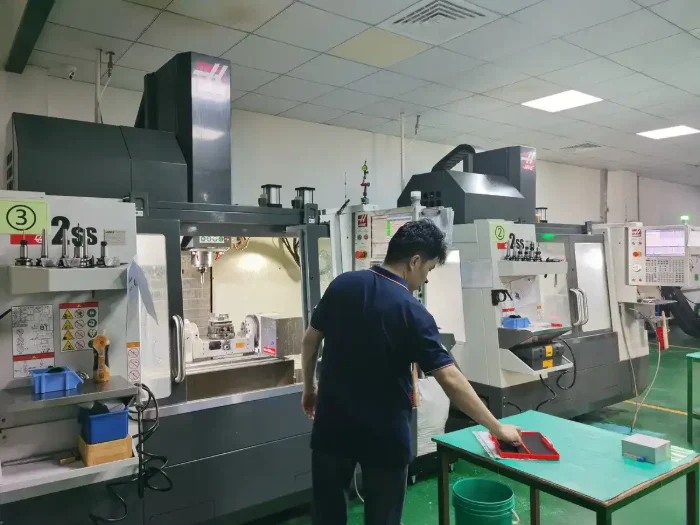
Surface finishes ensure cleanliness, precision, corrosion resistance, and sterilization compatibility.
7.1 Anodizing
For aluminum prototypes:
- Clear anodizing
- Hard anodizing
- Medical housings
- Wear-resistant surfaces
7.2 Passivation (for stainless steel)
Removes contamination, improves corrosion resistance.
7.3 Electropolishing
Creates a smooth, sterile, mirror-like surface for surgical tools.
7.4 Bead Blasting
For uniform matte appearance—common on diagnostic housings.
7.5 Powder coating or painting
For prototype enclosures and electronics.
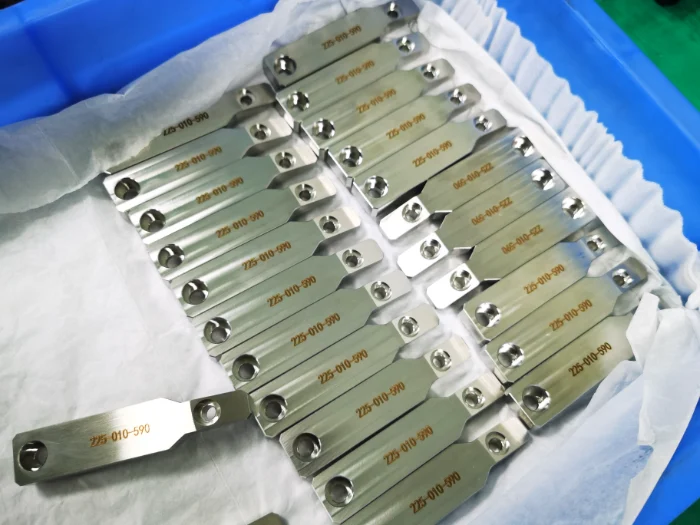
7.6 Laser marking
For batch traceability and regulatory compliance.
Choosing the right finish depends on function, sterilization needs, and mechanical requirements.
8. How to Select the Right Process for CNC Machining Medical Prototype Production
A proper selection framework includes:
8.1 Define functional requirements
- Is it structural?
- Does it contact the human body?
- Does it need biocompatibility or conductivity?
8.2 Select the right material
Match each material’s strengths to the application.
8.3 Match machining capability
- 3-axis for basic prototypes
- 5-axis for complex shapes
- Turn-mill for cylindrical implants
8.4 Choose compatible finishing
Ensure sterilization, corrosion resistance, and compliance.
8.5 Consider budget and timeline
Balance prototype complexity with project phase and testing workload.
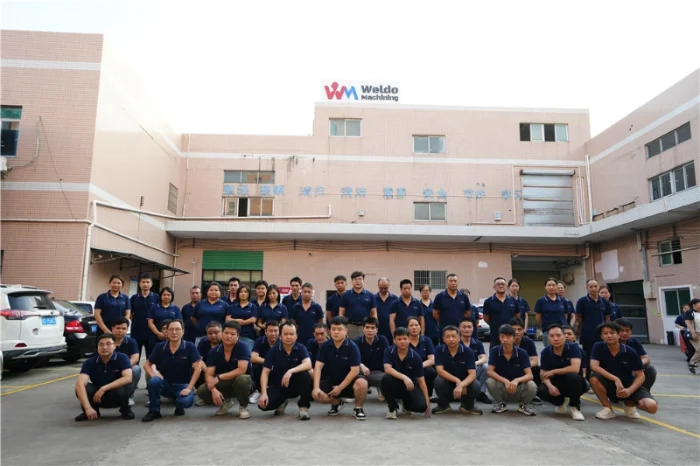
9. Why Choose Weldo Machining for Medical CNC Prototyping?
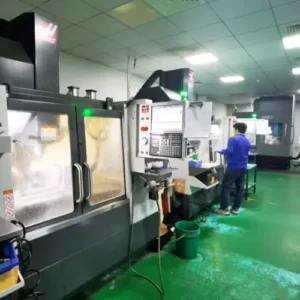
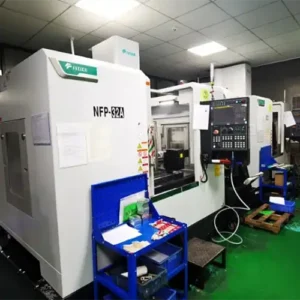
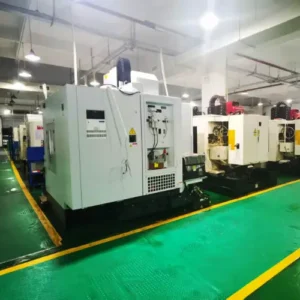
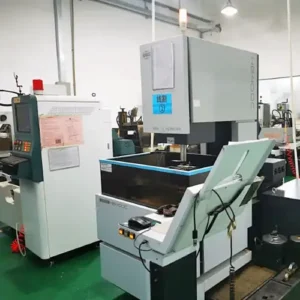
Weldo Machining provides complete medical machining services, offering:
- CNC machining with tolerances down to ±0.01 mm
- Full medical-grade materials: titanium, 316L steel, aluminum, PEEK, Delrin, PC, ABS
- Professional surface treatments
- Rapid prototyping in 3–7 days
- CMM inspection and documentation
- U.S.-oriented quality standards
- Experienced engineering team for optimization
Whether you need implant-grade prototypes, diagnostic parts, housings, or complex surgical tools, we deliver the precision and quality required for your project.
Contact Weldo Machining today for expert support and accurate costing for your next cnc machining medical prototype.