








When it comes to strong, durable, and widely used materials, carbon steel remains a dominant choice for industrial components. But how much does it really cost to machine? Whether you are sourcing parts domestically or overseas, understanding the full scope of CNC machining carbon steel cost is essential for accurate budgeting and procurement planning.
This guide breaks down all the variables that influence cost—from material grade to machining complexity—and helps you estimate pricing for both prototyping and full production runs.

Why Carbon Steel Is a Popular Choice for CNC Machining
Before we dive into costs, let’s quickly explore why carbon steel is frequently chosen for CNC projects:
- High strength and hardness
- Cost-effective compared to stainless steel or exotic alloys
- Excellent wear resistance
- Suitable for heat treatment and surface hardening
- Versatile applications across automotive, construction, and industrial sectors
However, carbon steel’s hardness and chip-forming behavior also affect the CNC machining price, as it tends to wear tools faster than aluminum or brass.
What Determines CNC Machining Carbon Steel Cost?
There’s no one-size-fits-all answer to CNC pricing. Below are the main factors that impact the cost per part:
1. Carbon Steel Grade Selection and Material Price
Carbon steel comes in a wide range of grades like A36, 1018, 1045, 1215, and 4140, each with different characteristics and machining ease.
| Grade | Machinability | Application | Price Range (USD/kg) |
|---|---|---|---|
| 1018 | Excellent | Shafts, pins | $0.80–$1.10 |
| 1045 | Medium | Gears, axles | $1.00–$1.30 |
| 4140 | Hard | Tools, dies | $1.50–$2.00 |
The higher the carbon content or hardness, the more challenging (and expensive) the machining becomes.
2. Part Complexity and Machining Time
The more intricate the geometry, the higher the machining time and setup—which directly affects the total cost.
Factors that increase complexity:
- Deep holes or tight internal radii
- Multi-sided features requiring 4- or 5-axis machining
- Close tolerances (e.g., ±0.01 mm)
- Threading, knurling, or engraving
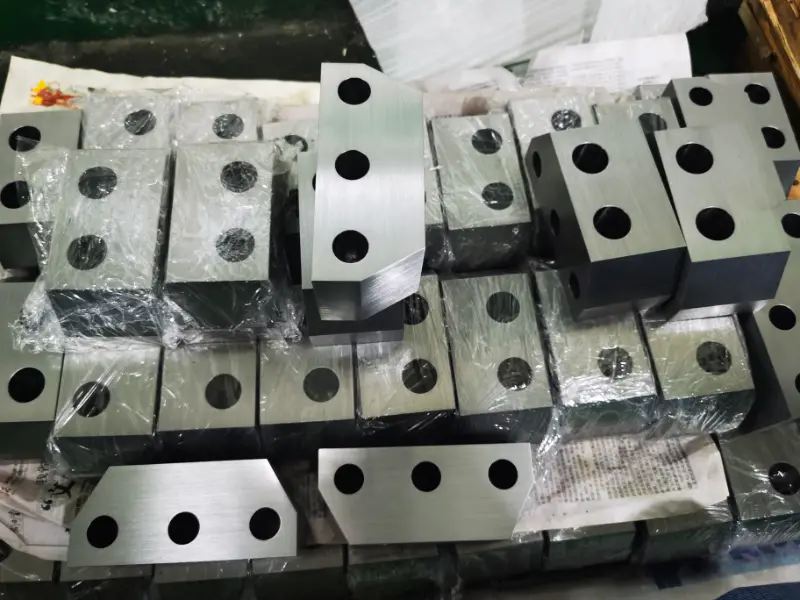
Expect CNC machining carbon steel cost to range between $50 to $150+ per part for complex geometries, depending on part size and precision level.
3. Production Volume and Setup Efficiency
Machining 5 parts is very different from machining 500. Here’s how production volume affects price:
| Volume | Cost per Part (Estimate) |
|---|---|
| 1–10 pcs | $60–$180 (prototyping) |
| 50–100 pcs | $25–$60 |
| 500+ pcs | $10–$25 |
Once setup and programming are complete, larger batch sizes reduce cost per unit significantly.
4. Surface Treatment and Finishing Services
Most carbon steel parts require post-machining treatments such as:
- Black oxide coating (anti-corrosion)
- Phosphate coating
- Heat treatment (quenching, tempering)
- Zinc or powder coating
These processes can add $5–$30+ per part depending on surface area and complexity.
5. Tool Wear and Machine Runtime
Because carbon steel is harder than aluminum or plastic, it increases tool wear, requiring more frequent tool changes or premium tooling (e.g., coated carbide).
This leads to:
- More downtime
- Increased overhead
- Slightly higher hourly machine rates (especially for hard grades like 4140)
Factories often include these in their CNC machining quote by increasing the per-minute runtime charge.
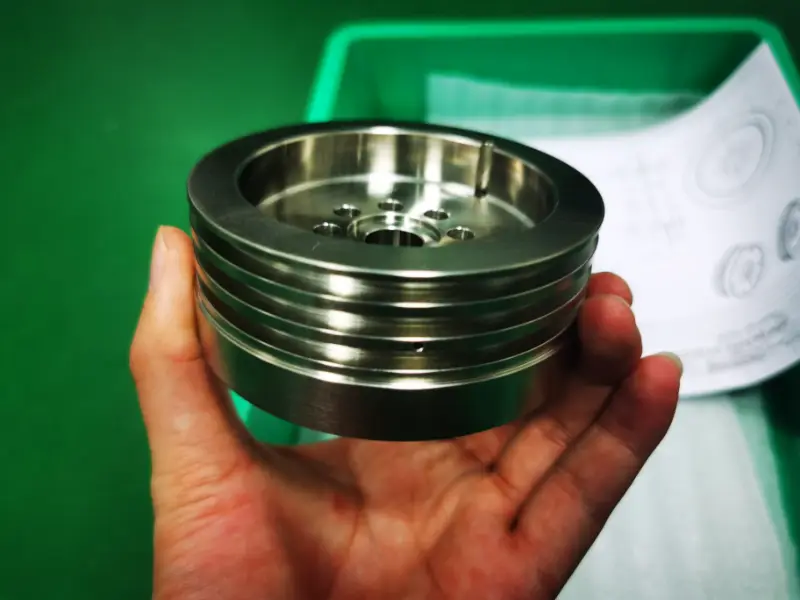
CNC Machining Carbon Steel: Prototyping vs. Production Cost
For Prototypes:
- Single parts or small batches
- Minimal fixture investment
- Often higher cost per part
- Good for testing design and function
Example: A single carbon steel bracket (1018, size 100mm x 100mm) might cost $120–$160 including basic finishing.
For Production:
- Higher upfront setup costs
- Low unit price in volume
- Ideal for ongoing production or assembly components
Example: The same bracket in a batch of 500 could drop to $18–$25 per piece with optimized machining paths.
Cost Breakdown Example: Carbon Steel Gear Housing
Here’s a sample breakdown of a real-world custom project:
Part: CNC machined gear housing
Material: 1045 carbon steel
Dimensions: Ø150mm x 40mm
Tolerances: ±0.01 mm
Processes: CNC turning + milling, heat treatment
Volume: 100 pcs
| Cost Component | Unit Cost (USD) |
|---|---|
| Raw Material | $8.00 |
| Machining (2 ops) | $28.00 |
| Heat Treatment | $6.00 |
| QA and packaging | $3.00 |
| Total per part | $45.00 |
Domestic vs. Overseas Machining: Which Offers Better Price?
| Factor | Domestic (e.g., U.S./EU) | Overseas (e.g., China) |
|---|---|---|
| Material Price | Higher | Lower (~20–30%) |
| Labor Cost | High | Low |
| Lead Time | Shorter (7–10 days) | Longer (10–20 days + ship) |
| Overall Unit Price | $60–$120/part | $25–$60/part |
If you’re sourcing from a reliable overseas CNC machining carbon steel supplier like Weldo Machining, you can get both quality and savings—especially for repeat orders.
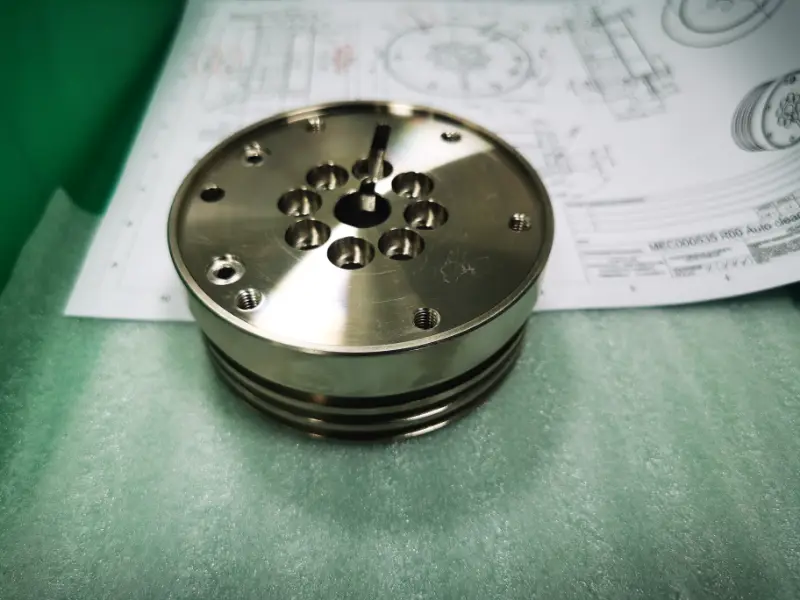
Tips to Optimize CNC Machining Carbon Steel Cost
- Design for manufacturability (DFM): Avoid overly tight tolerances or unnecessary features
- Choose the right grade: Don’t use 4140 if 1018 meets your strength needs
- Bundle orders: Larger batches reduce price-per-part significantly
- Use standard stock sizes: Reduces waste and cutting time
- Consult early: Work with your CNC company on prototype feasibility and cost
Conclusion: Get Transparent CNC Carbon Steel Quotes from Weldo
The CNC machining carbon steel cost depends on multiple variables—material grade, part geometry, order size, and finishing requirements. Understanding these cost drivers empowers engineers, buyers, and product developers to make better sourcing decisions.
At Weldo Machining, we specialize in precision CNC machining of carbon steel and alloy components. From prototypes to production, we offer competitive pricing, fast lead times, and high-tolerance parts with full QA documentation.
Contact us today for a free consultation or instant quote tailored to your specific carbon steel project.