








An electroplate finish is widely used when metal parts require improved corrosion resistance, electrical conductivity, wear protection, or enhanced appearance. Unlike coatings applied mechanically, an electroplated coating uses an electrochemical process to deposit a controlled metal layer onto a substrate. Understanding when to specify an electroplate crafts, which materials and components benefit most, and how to manage plating quality is essential for reliable manufacturing outcomes.

What Is an Electroplate Finish?
An electroplate finish is a surface treatment created through electroplating, where an electric current drives metal ions from a solution onto a conductive workpiece. The deposited metal forms a thin, uniform, and functional surface layer.
Common terms related to electroplate include:
- Electroplated finish
- Metal electroplating
- Surface electroplating
- Plated coating
- Electrochemical plating
An electroplate crafts can be decorative, functional, or both, depending on the plated material and thickness.
Why Electroplate Finish Is Used in Manufacturing
An electroplate finish is selected when surface performance must exceed the base material’s natural properties.
Primary objectives include:
- Corrosion protection
- Improved electrical conductivity
- Increased wear and abrasion resistance
- Enhanced solderability
- Decorative or reflective appearance
Because electroplate adds material to the surface, it must be specified carefully for tolerance-critical parts.
Materials Commonly Used with Electroplate Finish
Not all materials are suitable for electroplate process. The substrate must be conductive or made conductive through pre-treatment.
Base Materials Frequently Electroplated
- Carbon steel and alloy steel
- Stainless steel
- Copper and copper alloys
- Brass
- Aluminum (with special pre-treatment)
Among these, steel, copper, and brass are the most common substrates for an electroplate process due to process stability.
Components That Commonly Require Electroplate Finish
Electroplate is often specified for functional components rather than purely structural parts.
Typical components include:
- Fasteners (screws, bolts, nuts)
- Electrical connectors and terminals
- Contacts and pins
- Springs and clips
- Bushings and shafts
- Precision hardware and fittings
In these applications, an electroplate process directly impacts performance, durability, or reliability.
Common Types of Electroplate Finish
Different electroplating processes create different functional results. The most widely used electroplate finish types include:
Zinc Electroplating
- Corrosion protection for steel parts
- Often used with chromate conversion
- Cost-effective and widely available
Nickel Electroplating
- Improved wear resistance
- Decorative and functional
- Common underlayer for other finishes
Chrome Electroplating
- Hard chrome for wear resistance
- Decorative chrome for appearance
- High hardness and durability
Copper Electroplating
- Electrical conductivity
- Often used as an intermediate layer
- Improves adhesion for multi-layer plating
Gold and Silver Electroplating
- High conductivity
- Corrosion resistance
- Used in electronics and precision contacts
Each electroplate process type serves a distinct purpose and must be matched to application needs.

Advantages of Electroplate Finish
Choosing an electroplate process offers several important benefits.
Enhanced Corrosion Resistance
Electroplated layers protect base metals from oxidation and environmental exposure.
Functional Surface Improvement
An electroplate finish can significantly improve conductivity, solderability, and wear resistance.
Controlled Thickness
Electroplating allows precise control of coating thickness for functional requirements.
Broad Industry Acceptance
An electroplate finish is widely specified in automotive, electronics, industrial, and consumer products.
Disadvantages and Limitations of Electroplate Finish
Despite its advantages, an electroplate crafts has inherent trade-offs.
Dimensional Impact
Because material is added, an electroplate finish can affect tight tolerances.
Process Sensitivity
Poor surface preparation leads to adhesion failures or uneven plating.
Environmental and Compliance Considerations
Electroplating involves chemicals that require controlled handling and compliance.
Higher Cost for Precious Metals
Gold and silver electroplate crafts options are significantly more expensive.
Typical Cost Range for Electroplate Finish
The cost of an electroplate finish depends on material, finish type, thickness, and quantity.
Approximate industry ranges:
- Zinc electroplate : USD 0.05–0.30 per part
- Nickel electroplate : USD 0.30–1.00 per part
- Chrome electroplate : USD 1.00–5.00+ per part
- Precious metal electroplate : USD 5.00–20.00+ per part
Complex geometries, masking, and tight thickness control increase cost.
When to Choose an Electroplate Finish
An electroplate crafts is best specified when:
- Corrosion protection is required on steel parts
- Electrical conductivity is critical
- Wear resistance is needed without changing base material
- Decorative appearance must meet visual standards
For purely structural or hidden parts, simpler finishes may be more economical.
Key Considerations Before Electroplating
Before applying an electroplate finish, several factors must be addressed.
Design Stage
- Allow for plating thickness in tolerance design
- Avoid sharp internal corners that trap solution
Material Preparation
- Ensure surfaces are free of oil, oxides, and scale
- Proper pre-cleaning is critical for adhesion
Controls During the Electroplating Process
During electroplating, process control determines finish quality.
Important factors include:
- Bath chemistry stability
- Current density control
- Temperature regulation
- Proper fixturing and part orientation
A controlled electroplate finish process ensures uniform thickness and adhesion.
Post-Plating Inspection and Handling
After plating, quality verification is essential.
Common checks include:
- Visual inspection for blistering or peeling
- Thickness measurement
- Adhesion testing
- Corrosion resistance testing
Improper handling after an electroplate crafts can damage the plated layer.

Common Electroplate Finish Problems and Solutions
Poor Adhesion
Cause: Inadequate surface cleaning
Solution: Improve degreasing and activation steps
Uneven Thickness
Cause: Improper fixturing or current distribution
Solution: Adjust racking and electrical contact points
Discoloration or Burning
Cause: Excessive current density
Solution: Optimize plating parameters
Addressing these issues early improves electroplate finish consistency.
Conclusion: Making the Right Electroplate Finish Decision
An electroplate finish is a powerful surface treatment when corrosion resistance, conductivity, wear protection, or appearance are required. By selecting the correct plating type, controlling process variables, and understanding cost and tolerance impacts, manufacturers can achieve reliable and repeatable results.
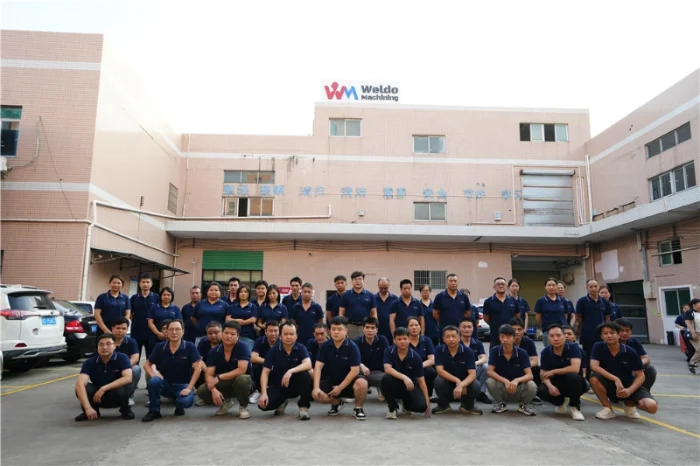
If your project requires guidance on selecting or applying an electroplate crafts—from material choice to cost control and quality expectations—Weldo Machining can support you with integrated machining and surface treatment solutions. Contact us to discuss your requirements and request a detailed quotation.