A rapid prototyping CNC machining manufacturer enables companies to transform digital designs into functional physical parts within days. In fast-moving industries, rapid prototyping is no longer optional—it is a critical step for validating design, performance, and manufacturability before full production.
This article explains the meaning and importance of rapid prototyping, typical total cost ranges, supported CNC machining processes, material options, and proven methods to reduce prototyping cost through process optimization.
What Is Rapid Prototyping CNC Machining?
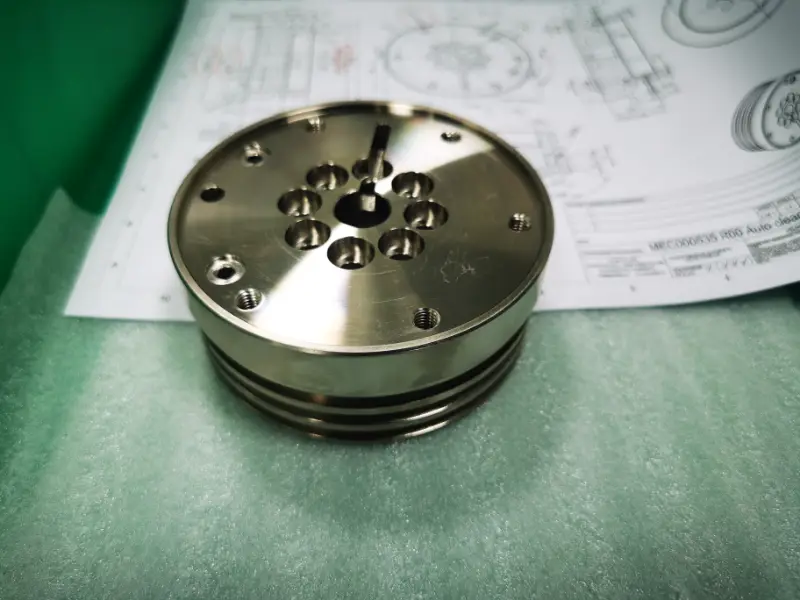
Rapid prototyping CNC machining is a manufacturing approach that produces prototype parts using CNC milling, turning, and related processes with very short lead times. A rapid prototyping CNC machining manufacturer focuses on speed, flexibility, and functional accuracy rather than mass production efficiency.
Unlike additive prototyping, CNC-based rapid prototyping delivers parts made from production-grade materials with real mechanical properties.
The Importance of Rapid Prototyping
Working with a rapid prototyping CNC machining manufacturer provides significant strategic advantages:
- Design validation: Verify form, fit, and function early
- Risk reduction: Identify design flaws before tooling investment
- Faster time-to-market: Shorten product development cycles
- Manufacturability testing: Confirm CNC feasibility and tolerances
- Cost control: Avoid expensive design changes in later stages
For engineering-driven products, rapid prototyping CNC machining is essential for making confident design decisions.
Overall Rapid Prototyping CNC Machining Cost Range
When sourcing from a rapid prototyping CNC machining manufacturer, customers typically focus on the total prototype cost, rather than per-process pricing.
Typical Total Price Range (Per Prototype Part)
- Simple plastic or aluminum prototypes:
$50 – $150 per part - Medium-complexity metal prototypes:
$150 – $400 per part - High-complexity stainless steel, titanium, or PEEK parts:
$400 – $800+ per part
Final pricing depends on material, geometry complexity, tolerance level, and surface finishing requirements.
Supported CNC Processes for Rapid Prototyping
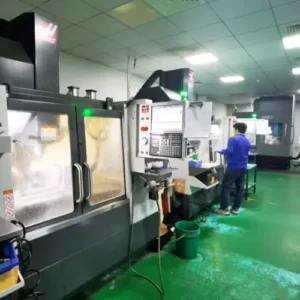
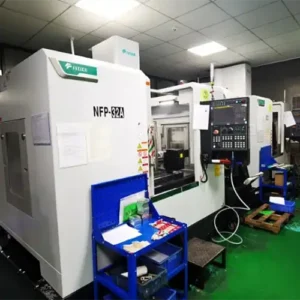
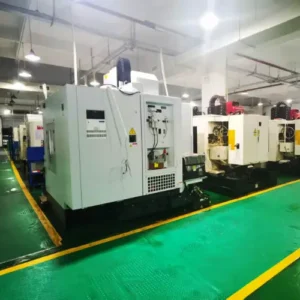
A professional rapid prototyping CNC machining manufacturer integrates multiple processes to meet tight schedules.
Common CNC Processes
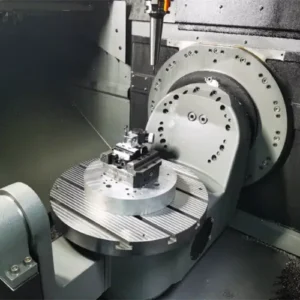
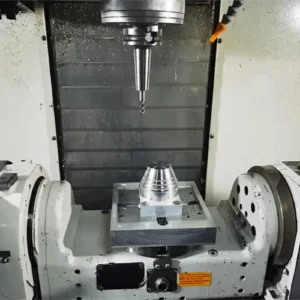
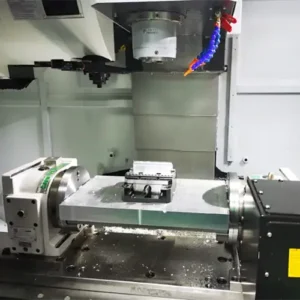
- CNC milling (3-axis to 5-axis) for complex geometries
- CNC turning for round and rotational parts
- Drilling and tapping for threaded features
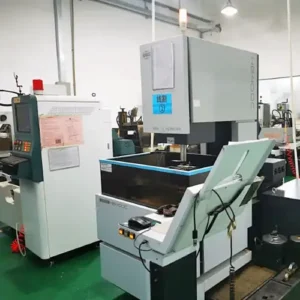
- EDM machining for sharp internal corners and deep cavities
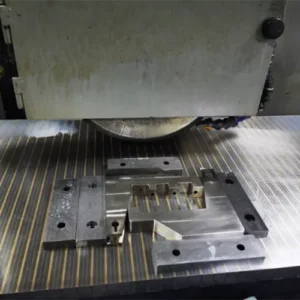
- Light grinding for precision surfaces
Process integration reduces setup time and accelerates prototype delivery.
Material Options and Prototyping Cost Characteristics
Material choice has the strongest influence on rapid prototyping cost.
Aluminum Alloys (6061, 7075)
- Total prototype cost: $80–200
- Common finishes: Anodizing, bead blasting
- Best for: Housings, brackets, functional testing
Stainless Steel (304, 316, 17-4PH)
- Total prototype cost: $200–600
- Common finishes: Passivation, electropolishing
- Best for: Strength-critical and corrosion-resistant parts
Carbon and Alloy Steel
- Total prototype cost: $150–450
- Common finishes: Black oxide, zinc plating
- Best for: Structural and load-bearing prototypes
Brass and Copper Alloys
- Total prototype cost: $200–500
- Common finishes: Polishing, nickel plating
- Best for: Electrical and fluid components
Engineering Plastics (ABS, POM, Nylon, PEEK)
- ABS / POM / Nylon: $50–180
- PEEK: $300–800
- Common finishes: Vapor polishing (ABS), as-machined
- Best for: Lightweight, non-metal functional testing

How Rapid Prototyping Is Achieved Quickly
A rapid prototyping CNC machining manufacturer delivers fast turnaround through disciplined workflows, not by sacrificing quality.
Key speed enablers include:
- Standard tooling and fixturing
- Automated CAM programming
- In-house surface finishing
- Parallel machining and inspection
These methods allow prototypes to be delivered in 1–5 working days.

How to Reduce Rapid Prototyping Cost
Cost reduction comes from simplifying and optimizing the production process.
Design Simplification
Savings: 10–30%
- Relax non-critical tolerances
- Avoid deep pockets and thin walls
Material Substitution
Savings: 20–40%
- Use aluminum instead of stainless steel for early testing
- Replace metal with POM or ABS where possible
Process Consolidation
Savings: 15–25%
- Combine milling and turning in one setup
- Reduce repositioning using multi-axis machining
Practical Example
A prototype enclosure originally specified in 316 stainless steel was redesigned in 6061 aluminum with anodizing. The rapid prototyping CNC machining manufacturer reduced total cost by 35% and shortened lead time from 6 days to 3 days.
Conclusion
A reliable rapid prototyping CNC machining manufacturer enables faster design validation, lower development risk, and controlled prototyping cost. By selecting appropriate materials, consolidating CNC processes, and simplifying part design, companies can achieve fast, cost-effective prototypes that closely reflect final production parts.
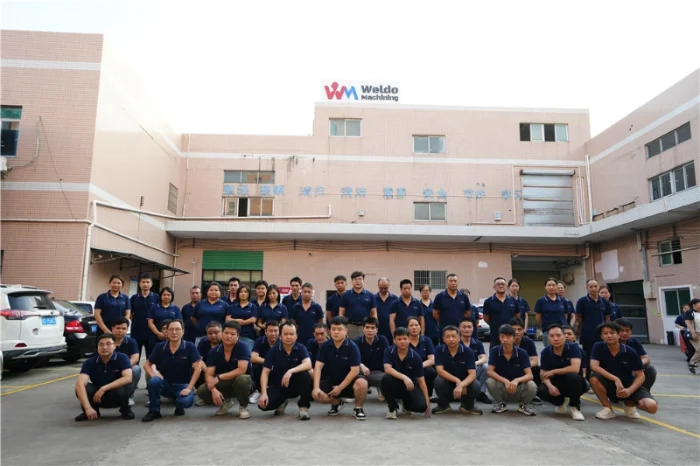
If you are evaluating prototype pricing or lead times, Weldo Machining provides rapid CNC prototyping support with transparent pricing and engineering guidance. Contact Weldo Machining to discuss your prototype requirements and receive a customized quotation based on your project goals.