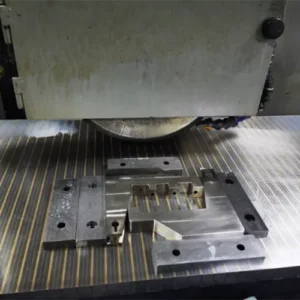
Medical device development requires speed, precision, and regulatory control. A qualified custom medical cnc machining supplier enables medical manufacturers to produce complex components without the long lead times and high risks associated with tooling-based manufacturing.
Medical Manufacturing Demands That Shape Supplier Selection
Medical products differ fundamentally from consumer or automotive parts. A medical cnc machining supplier must support frequent design changes, low-to-medium production volumes, and strict quality documentation.
Key manufacturing challenges in the medical industry include:
- Continuous design iteration
- Regulatory validation and traceability
- Tight tolerances with biocompatible materials
- Short product life cycles
These requirements strongly influence why medical companies choose CNC machining over traditional molding processes.

Why Medical Manufacturers Choose CNC Machining Instead of Tooling
CNC Machining vs Mold-Based Manufacturing
For many medical applications, CNC machining offers clear advantages over injection molding or die casting. A custom medical cnc machining supplier provides flexibility that tooling cannot match.
CNC Machining Advantages
- No mold or tooling investment
- Faster production start
- Easy design changes without retooling
- Ideal for low-volume and pilot production
- Better control of tolerances and surface finish
Tooling-Based Manufacturing Limitations
- High upfront mold cost
- Long tooling lead times
- Costly design changes
- Economic only at very high volumes
- Limited material flexibility
For medical manufacturers managing evolving designs, a custom medical cnc machining supplier reduces both financial risk and time-to-market.
When CNC Machining Is the Better Choice for Medical Devices
Early-Stage and Pre-Clinical Devices
Medical startups and R&D teams rely on a custom medical cnc machining supplier to support rapid prototyping and functional testing before regulatory submission.
CNC machining allows:
- Immediate production from CAD files
- Fast iteration during design validation
- Accurate simulation of final-use materials
Low-to-Medium Volume Medical Production
Many medical devices never reach volumes that justify tooling. A custom medical cnc machining supplier supports sustainable production without locking manufacturers into rigid tooling strategies.
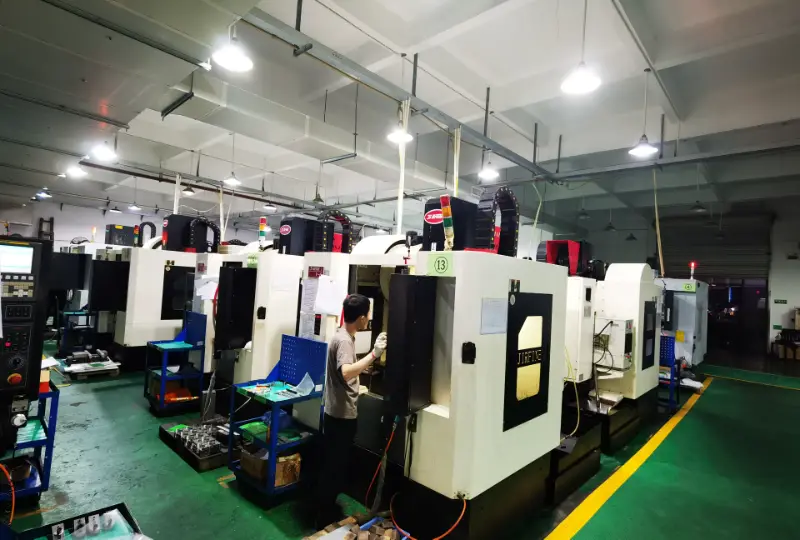
Types of Medical Parts Made by a Custom Medical CNC Machining Supplier
Precision Mechanical Medical Components
A custom medical cnc machining supplier produces components where mechanical accuracy directly impacts clinical performance.
Typical parts include:
- Device housings
- Alignment blocks
- Structural frames
- Precision brackets
Implantable and Surgical Device Parts
CNC machining enables accurate control of geometry and surface quality. A custom medical cnc machining supplier supports implant and surgical components requiring high repeatability.
Applications include:
- Orthopedic fixation parts
- Surgical tool interfaces
- Implant support structures

Materials Supported by a Custom Medical CNC Machining Supplier
Medical-Grade Metals for Structural Integrity
A custom medical cnc machining supplier works with certified materials suitable for medical use.
Common choices:
- Stainless steel (202,304,316,316L, 17-4PH)
- Titanium alloys
- Aluminum for non-implant housings
Engineering Plastics for Medical Devices
Plastic machining is often preferred over molding during early and mid-stage production. A custom medical cnc machining supplier supports materials such as:
These materials are ideal for CNC machining due to stability and clean surface finish.
Precision and Tolerance Control Without Tooling Constraints
Unlike molded parts, CNC-machined components maintain tight tolerances without compensation for shrinkage or mold wear. A custom medical cnc machining supplier ensures dimensional accuracy through direct machining and controlled inspection.
Benefits include:
- Predictable tolerances
- Reduced variation between batches
- Simplified validation documentation
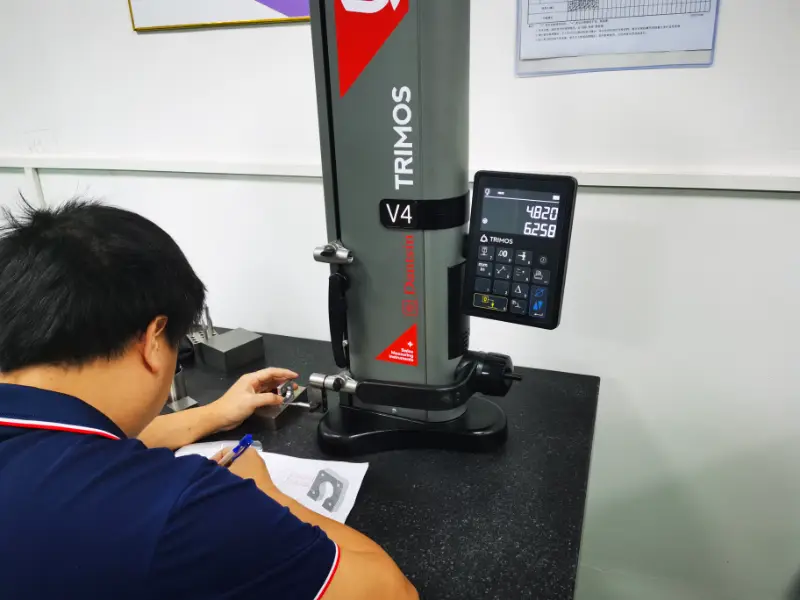
Quality Systems Expected From a Custom Medical CNC Machining Supplier
Medical manufacturers expect a medical cnc machining supplier to operate under controlled quality systems that support audits and compliance.
Standard practices include:
- First Article Inspection (FAI)
- CMM measurement
- Material traceability
- Revision and change control
These systems are critical when transitioning from development to regulated production.
Cost Considerations: CNC Machining vs Tooling
Although CNC machining has a higher per-part cost, a custom medical cnc machining supplier often delivers lower total project cost when tooling is unnecessary.
CNC machining reduces:
- Upfront capital expenditure
- Risk of obsolete tooling
- Cost of engineering changes
For many medical programs, CNC machining remains the most economical choice.
How to Evaluate a Custom Medical CNC Machining Supplier
Before selecting a custom medical cnc machining supplier, medical manufacturers should assess:
- Experience with medical components
- Material certification capability
- Inspection and documentation processes
- Ability to support design changes
Supplier flexibility is often more valuable than maximum production volume.
The Strategic Role of CNC Machining in Medical Innovation
As medical technology advances, CNC machining remains essential for producing customized, high-precision components. A custom medical machining supplier enables innovation by removing manufacturing constraints during critical development stages.
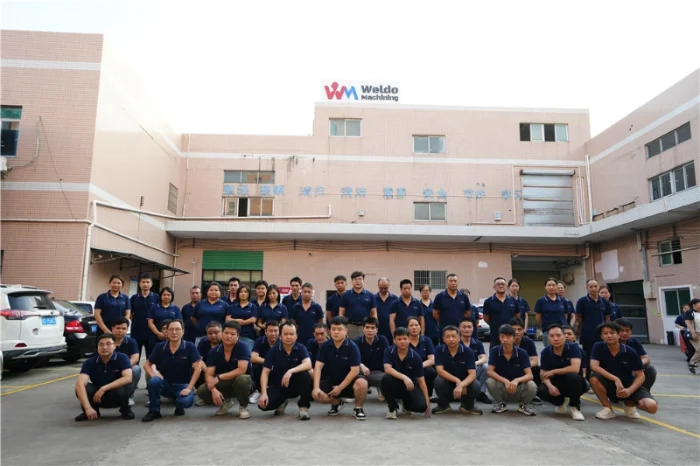
Work With Weldo Machining as Your Custom Medical CNC Machining Supplier
If your medical project requires precision, flexibility, and controlled quality, Weldo Machining is a trusted custom medical cnc machining supplier supporting medical manufacturers from prototype through stable production.
Contact us today to discuss your application, material requirements, and receive a tailored CNC machining quotation.