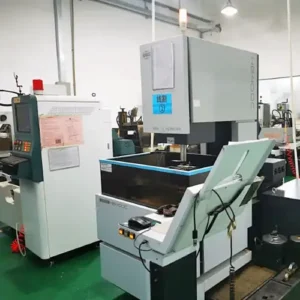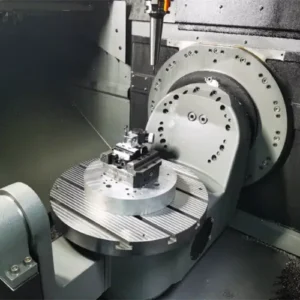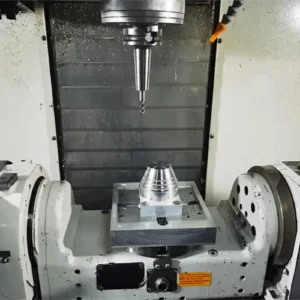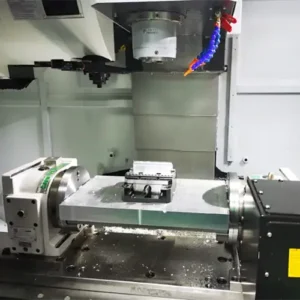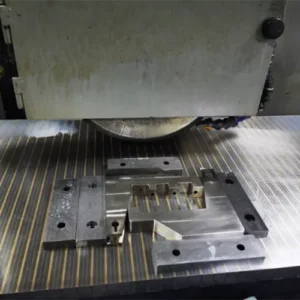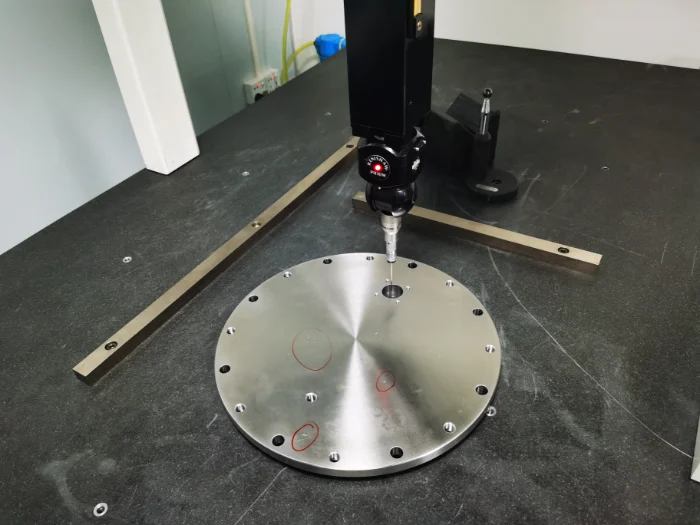









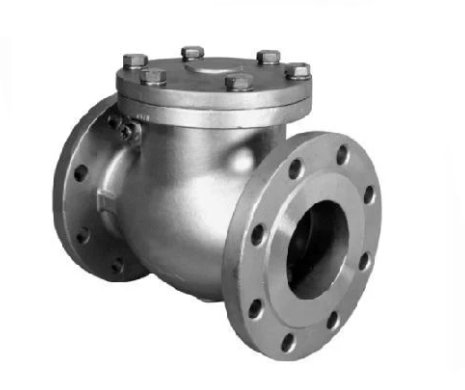
A 316L check valve is a one-way flow control component used in systems where backflow, contamination, or pressure instability is not acceptable. When manufactured by CNC machining, this type of valve offers much higher dimensional accuracy, surface quality, and sealing reliability than general-purpose or cast alternatives.
From an engineering perspective, a check valve is not a simple piping accessory, but a precision functional component whose performance depends on material selection, machining quality, surface treatment, and overall process control.
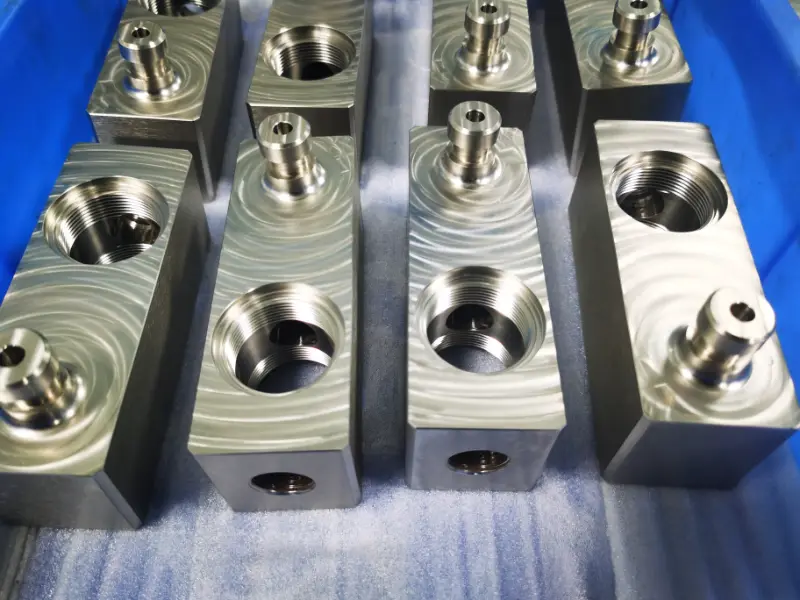
Why 316L Is Used for Check Valve Components
Before discussing structure and manufacturing processes, it is important to understand why 316L stainless steel is so widely specified for check valves. In real industrial systems, the material must withstand corrosion, pressure, temperature variation, and long-term cyclic loading, and 316L provides a reliable balance of corrosion resistance, mechanical stability, and long-term durability.
316L stainless steel is widely used because of:
- Excellent resistance to chemical and chloride corrosion
- Low carbon content, reducing intergranular corrosion risk after machining or welding
- Stable mechanical properties under pressure and thermal cycling
This is why 316L is commonly specified in pharmaceutical equipment, chemical systems, high-purity pipelines, and food-grade machinery.
Other Common Materials for Check Valves and Their Applications
Although 316L is a very capable and widely used material, it is not always the most economical or necessary choice. In real projects, engineers select materials based on media type, pressure, temperature, cleanliness requirements, cost targets, and acceptable risk level.
- 304 stainless steel: Used in water treatment, food equipment, HVAC, and general industrial systems with mild corrosion. It is more economical but significantly less resistant to chlorides than 316L.
- Brass: Widely used in water, air, and light-duty systems due to good machinability and low cost, but not suitable for aggressive, high-temperature, or high-purity environments.
- Carbon steel: Common in oil & gas, steam, and hydraulic systems where strength and pressure resistance are critical, but it requires coating or treatment for corrosion protection.
- Special alloys (Duplex, Inconel, Hastelloy, Monel): Used in extreme environments where standard stainless steels are insufficient, despite their high cost and machining difficulty.
- Engineering plastics (PVC, PVDF, PTFE, PEEK): Used in chemical dosing and ultra-pure systems for chemical resistance and non-contamination,
Except for PTFE, which has higher material adhesion and requires dedicated cutting tools and parameters, PVC, PVDF, and PEEK exhibit excellent machinability. Using CNC lathes and machining centers, high-precision milling, turning, boring, and grooving can be achieved to manufacture complex valve structures such as sealing cones, flow channels, flanges, threads, and valve chambers. These materials allow tight dimensional tolerances and well-controlled surface finishes, making them ideal for customized and small-batch non-standard valve production.
Excellent Chemical Resistance
- PVC: Cost-effective and resistant to common acids, alkalis, and inorganic salt solutions; suitable for general chemical and water supply valves.
- PVDF: Resistant to strong oxidizing media and some organic solvents, with better mechanical strength and weather resistance than PVC; widely used in fine chemical and dosing valve systems.
- PTFE: Offers near-universal chemical resistance to strong acids, alkalis, and organic solvents; a classic material for valve seats and sealing components.
- PEEK: Withstands high temperatures, high pressures, and aggressive chemicals; mechanical properties close to metal, suitable for high-end chemical and high-pressure precision valves.
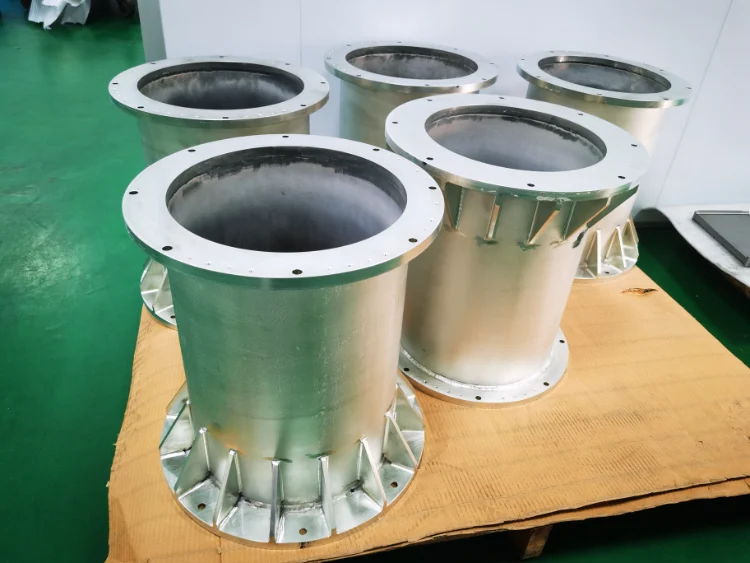
Machining of large Valves made from these materials do not react with the conveyed media, do not rust, and do not suffer from corrosion flaking, outperforming conventional metal valves in highly corrosive environments.
High Purity and Cleanliness for Sanitary Systems
These materials are chemically stable, with no ionic leaching or contamination. CNC-machined surfaces are smooth and free of dead corners, easy to clean, and residue-free, making them well suited for pharmaceutical, semiconductor ultrapure water, food and beverage, and electronic-grade chemical systems.
Self-Lubricating and Low-Friction Performance
PTFE, PVDF, and PEEK feature inherent self-lubricating properties. When machined into valve seats, cores, and seals, they enable low operating torque, smooth actuation, and minimal wear, maintaining reliable long-term sealing even in oil-free and clean operating conditions.
Why CNC Machining Is Preferred for Valve Components
Once the material is chosen, the manufacturing process becomes the next critical decision, because it directly determines accuracy, sealing reliability, and long-term consistency. For demanding applications, CNC machining is preferred over casting or simple forming.
CNC machining directly controls:
- Sealing surface geometry:
The flatness, roundness, and profile accuracy of the sealing surface determine whether the valve can achieve stable, repeatable, long-term leak-free sealing. Even small geometric deviations can lead to micro-leakage, uneven contact stress, and accelerated wear. - Coaxiality and concentricity:
Proper alignment between the valve body, seat, and moving components ensures smooth opening and closing motion and prevents side loading, vibration, and abnormal wear during operation. - Internal flow path finish:
A smooth and well-controlled internal surface reduces flow resistance, turbulence, and particle accumulation, which is especially critical in high-purity, hygienic, or high-efficiency flow systems. - Thread and connection accuracy:
Accurate threads and connection interfaces ensure reliable assembly, stable sealing with mating components, and long-term resistance to loosening caused by vibration or thermal cycling.
Compared with cast parts, CNC-machined components have denser structure, tighter tolerances, and far more predictable long-term performance.
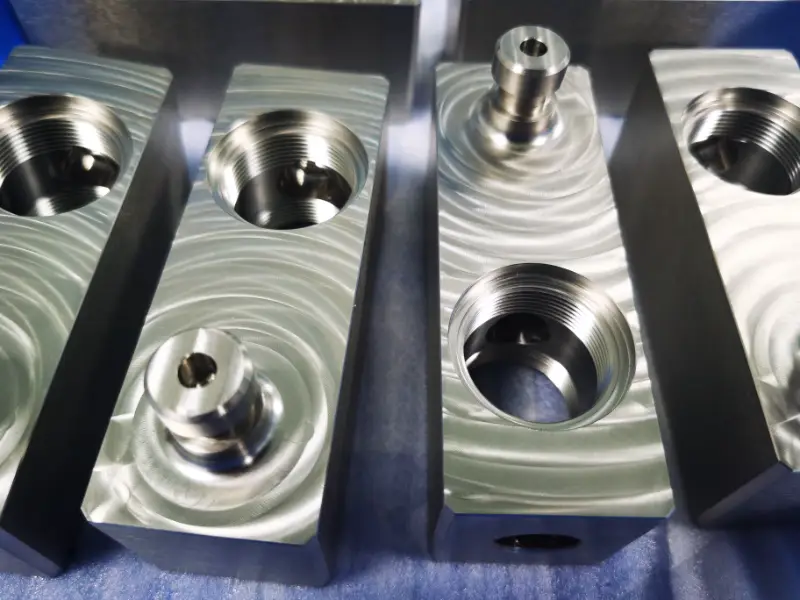
Typical CNC-Machined Structure of a 316L Check Valve
To understand how machining quality affects performance, it is useful to look at what a typical CNC-machined check valve is made of and which parts are function-critical.
A CNC-machined 316L check valve typically consists of:
- Valve body: The main pressure-bearing structure defining strength, pressure rating, and internal flow path geometry.
- Valve seat: The core sealing interface whose surface finish and concentricity directly determine long-term leakage performance.
- Disc / ball / poppet: The moving element that controls opening and closing, influencing response speed, stability, and wear behavior.
- Spring (if applicable): Defines cracking pressure and closing force, and its fatigue life directly affects long-term consistency.
- Connection ends: Threaded or flanged features that influence installation stability, vibration resistance, and sealing reliability.
Performance Factors Determined by Machining Quality
Even with the right material and structure, final performance is still determined by machining accuracy and process control, and many field failures can be traced back to small but critical manufacturing deviations.
Key factors include:
- Seat surface roughness → affects sealing tightness and leakage risk
- Guiding diameter tolerance → affects motion stability and wear rate
- Geometric accuracy → affects service life and long-term reliability
- Internal surface finish → affects flow resistance, cleanliness, and particle accumulation
Poor control in any of these areas can lead to early leakage, unstable opening pressure, or premature failure.
Where CNC Machined Check Valves Are Used
Because CNC machining significantly improves both accuracy and reliability, this type of check valve is typically used in systems where leakage, contamination, or failure would cause serious safety, quality, or economic consequences.
Typical applications include:
- Chemical and petrochemical systems
- Pharmaceutical and biotech equipment
- Food and beverage processing lines
- High-purity water and gas systems
- Marine and offshore equipment
CNC Machined vs Cast Check Valve Components
In many projects, engineers and buyers must decide between CNC-machined and cast valve components, and this choice directly affects reliability, service life, and long-term maintenance cost.
| Item | CNC Machined | Cast |
|---|---|---|
| Dimensional accuracy | High | Medium |
| Internal structure | Dense | Possible porosity |
| Sealing reliability | High | Medium |
| Surface finish | Good | Rougher |
| Process stability | High | Lower |
| Typical use | Critical systems | General systems |
Surface Treatment Options for Valves Made from Different Materials
After machining, surface treatment becomes a critical step because it directly affects corrosion resistance, wear behavior, cleanability, and long-term stability, especially in chemical, food, and pharmaceutical environments.
- Stainless steel (316L, 304, Duplex): Mechanical polishing, electropolishing, passivation, pickling to improve corrosion resistance and cleanability.
- Carbon steel: Painting, epoxy coating, phosphating, black oxide, zinc or nickel plating for corrosion protection.
- Brass: Nickel plating, chrome plating, clear coating to improve oxidation resistance and surface hardness.
- Aluminum: Anodizing or hard anodizing, painting or powder coating for wear and corrosion resistance.
- Special alloys: Mainly polishing and passivation to restore corrosion resistance after machining or welding.
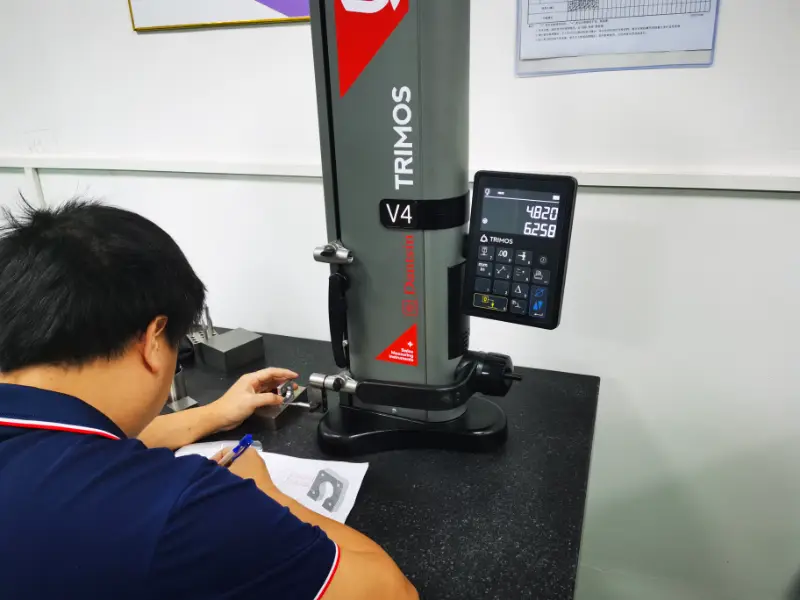
CNC Machined Valve Inspection Items
Quality inspection ensures CNC machined valves meet design, material, and international standard requirements for reliable sealing and safe operation.
Dimensional & Geometrical Accuracy
Inspect critical dimensions such as valve body bore, seat bore, stem hole, and flange hole spacing. Key controls include concentricity, roundness, flatness, and fit tolerances (commonly H7/h6), measured by calipers, bore gauges, or CMM.
Surface Quality
Check surface roughness on sealing surfaces, stem mating areas, and internal flow passages. Valve seat sealing surfaces typically require Ra 0.4–1.6 μm, while non-sealing machined surfaces are usually Ra 3.2–6.3 μm. Visual inspection is required for tool marks, burrs, scratches, and damage.
Material & Hardness
Verify material grade (e.g. 304, 316, WCB, Brass). PMI spectrometer testing is commonly required for export valves. Hardness testing is performed on valve stems and seats to ensure wear resistance meets design requirements.
Sealing Performance
Conduct air or hydrostatic leakage tests, focusing on valve seat sealing, packing area, and flange connections. This is the most critical functional inspection for valves.
Pressure & Body Strength Test
Perform shell strength testing under rated pressure or 1.5 times rated pressure for a specified holding time to confirm no leakage, cracks, or deformation of the valve body.
Assembly & Functional Check
Verify smooth opening and closing, operating torque within design limits, correct stem alignment, proper installation of seals, and stable overall valve operation.
Visual & Marking Inspection
Inspect for surface defects such as porosity, sand holes, or cracks, and verify valve size, pressure rating, material grade, flow direction, and identification markings are clear and correct.
Inspection Documentation
Provide dimensional reports, pressure test reports, material certificates, and final inspection reports for delivery and export compliance.
What Affects the Price of CNC Machined Valves?
When sourcing CNC machined valves, buyers often see large price differences between suppliers, and these differences usually reflect real differences in manufacturing depth, quality level, and risk control rather than simple profit margin.
The price is mainly influenced by:
- Material type:
316L, Duplex, or special alloys such as Inconel and Hastelloy are not only more expensive per kilogram, but also much harder to machine, which increases both raw material cost and machining time. - Part complexity and tolerance requirements:
Valves with complex internal flow paths, multiple sealing surfaces, or tight tolerances require more machining steps, longer cycle times, and more inspection operations. - Surface finish and functional requirements:
Requirements such as low Ra values on sealing surfaces, electropolishing, or special cleanliness standards add extra processing steps and stricter quality control. - Production volume:
Low-volume or prototype orders have much higher unit cost because programming, setup, tooling, and validation costs are spread over fewer parts. - Testing, inspection, and documentation requirements:
Pressure testing, leakage testing, material traceability, and quality documentation all require additional labor, equipment, and time.
How to Find the Right CNC Factory to Manufacture Valves
Choosing the right CNC factory is often more important than negotiating price, because a wrong supplier can create long-term risks in quality stability, delivery reliability, and engineering support.
A suitable CNC factory should have:
- Experience with valve or sealing components:
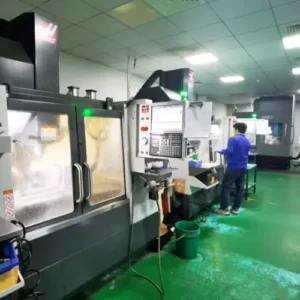
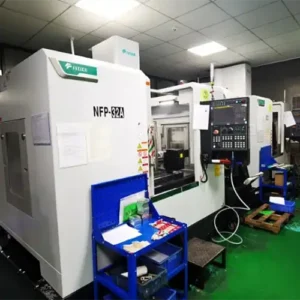
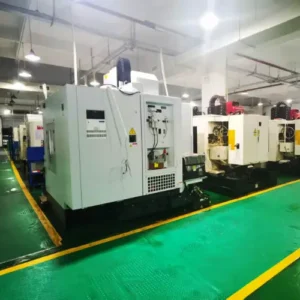
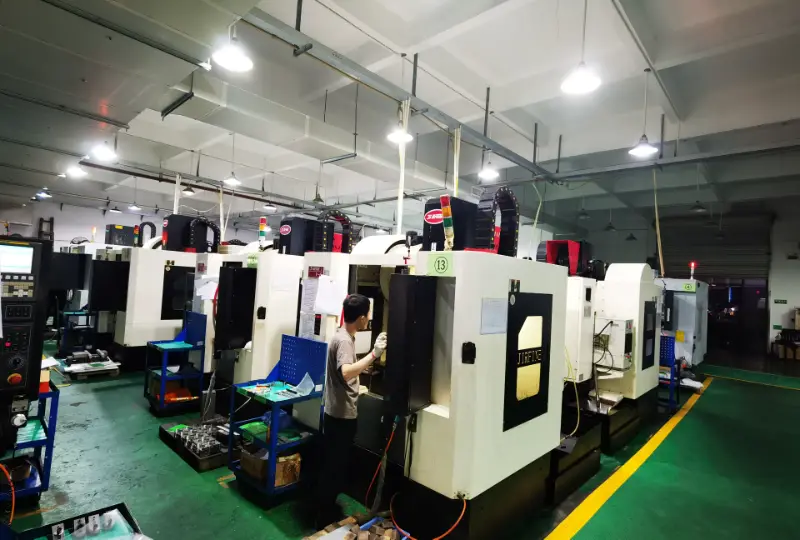
Valves are not simple structural parts. The factory must understand sealing surfaces, flow paths, and functional tolerances, or problems will appear only after assembly or field use. - Stable CNC equipment and process capability:
The supplier should have suitable multi-axis machines and proven processes to hold tight tolerances consistently, not just occasionally in samples. - Clear inspection and quality control system:
A reliable factory can explain exactly how dimensions, surface finish, and functional features are inspected, instead of only saying “we check everything.” - Material certification and traceability:
Especially for 316L and special alloys, the factory must be able to provide material certificates and link finished parts to raw material batches. - Engineering communication and DFM capability:
A good supplier should review drawings, point out risks, and suggest manufacturability or reliability improvements, not just passively follow files.
Other Manufacturing Processes for Valve Components
In real industrial production, CNC machining is often combined with other processes to balance cost, mechanical strength, and structural complexity.
Common combinations include:
- Casting + machining:
Casting is used to create complex or low-cost rough shapes, while CNC machining is used to finish sealing surfaces and critical interfaces. - Forging + machining:
Forging provides denser internal structure and higher mechanical strength, especially for high-pressure valves, but final accuracy still relies on CNC machining. - MIM + secondary machining:
Metal injection molding is suitable for small, complex parts in high volume, but critical functional surfaces still require CNC finishing. - Welding + machining:
For large or special structures, multiple parts may be welded together first and then finish-machined to achieve final accuracy and alignment.
What to Check When Sourcing a CNC Machined Check Valve
Before placing long-term or large-volume orders, buyers should evaluate suppliers based on system capability and consistency, not just on samples or quotations.
Key checkpoints include:
- Material certificate and traceability:
Ensures the valve is truly made from the specified material and that quality can be traced back to the raw material batch. - Machining tolerance capability:
The supplier must be able to repeatedly hold tolerances on sealing and guiding surfaces, which directly affect leakage performance and service life. - Surface finish specification of sealing areas:
Poor surface finish is one of the most common root causes of early leakage and unstable sealing. - Inspection and pressure testing process:
A reliable supplier should perform dimensional and functional testing to verify performance before shipment. - Production consistency and batch control:
The manufacturer must demonstrate stable process control and the ability to deliver the same quality level across long-term repeated orders.
Conclusion
A 316L check valve produced by CNC machining is a precision functional component, not a generic fitting. Its reliability depends on material selection, machining accuracy, surface treatment, and process control, so for critical fluid systems, choosing the right design and the right manufacturer is an engineering decision, not just a purchasing one.