








Choosing the right ABS CNC machining manufacturer is essential for projects that require lightweight, durable, and cost-efficient plastic components. ABS is one of the most widely machined engineering plastics due to its good dimensional stability, toughness, and low processing cost. In this article, we explore how to reduce machining expenses, how to select the right machining partner, common machined ABS parts and their tolerance requirements, and how options like abs cnc machining prototype, small batch abs cnc machining, and abs shell cnc machining work in real production environments.
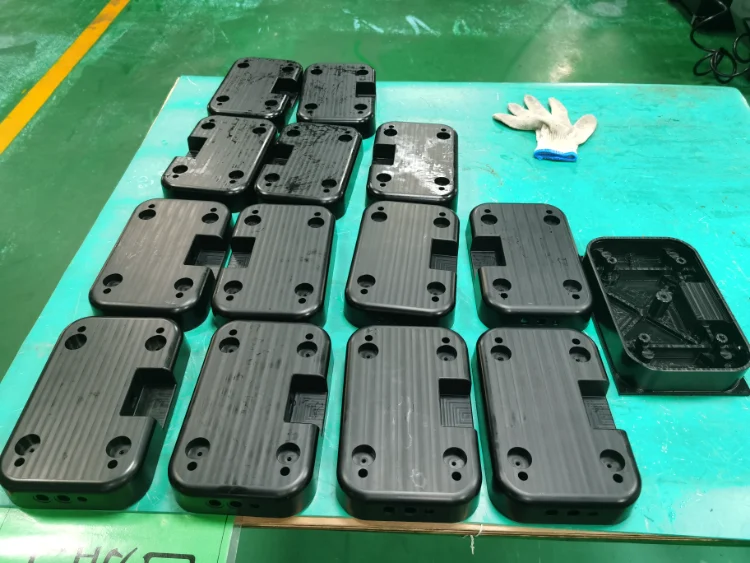
Understanding the Advantages of Choosing an ABS CNC Machining Manufacturer
Working with a specialized ABS CNC machining manufacturer ensures accurate dimensions, consistent surface finishing, and stable material performance across prototypes and production runs. ABS is well-known for its machinability, which allows manufacturers to maintain precise tolerances without causing material cracking or melting. Because ABS is softer than metals and many engineering plastics, tool wear is lower, cutting speeds are higher, and the overall machining cycle time is reduced.
Additionally, ABS is suitable for a wide array of applications—from consumer electronics housings to automotive interior components—making it an ideal choice for functional prototypes and scaled production. This is why manufacturers often offer services such as abs cnc machining prototype, abs cnc machining supplier support, and high-volume part machining.
Material Characteristics and Why ABS Is Ideal for CNC Machining
ABS resin exhibits several beneficial characteristics:
- Excellent rigidity and impact resistance
- Stable machining performance with predictable chip removal
- Low internal stress and reduced warping tendency
- Compatibility with polishing, vapor smoothing, drilling, threading, and painting
- Good electrical insulation characteristics
These features allow an experienced ABS CNC machining manufacturer to maintain stable dimensional accuracy while achieving smooth surface finishes. Machinists can typically hold tolerances of ±0.02 mm for precision features and ±0.05 mm for general geometries.
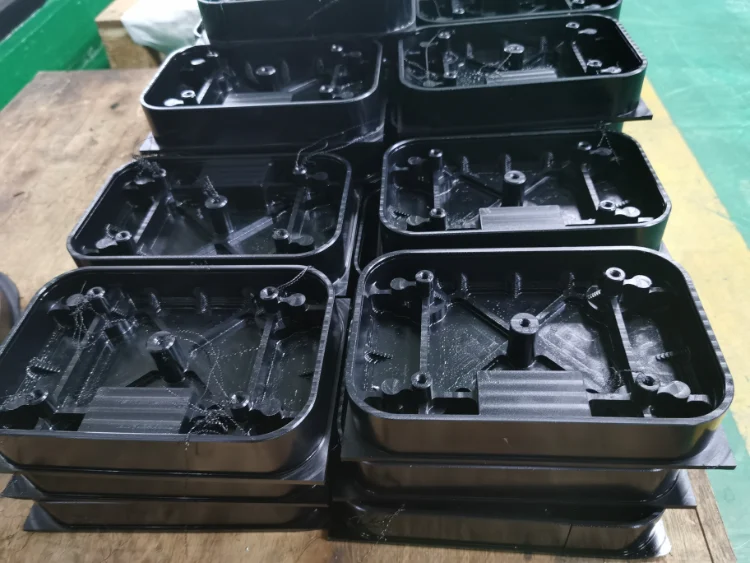
Common ABS CNC-Machined Parts and Required Tolerances
A professional ABS CNC machining manufacturer handles a wide range of ABS parts. Below are common examples and their typical tolerance expectations:
1. ABS Structural Housings
Used in consumer electronics, routers, handheld devices, measuring instruments, and IoT enclosures.
Typical tolerance: ±0.05–0.1 mm
Notes: Large flat surfaces may require post-machining sanding or vapor polishing.
2. ABS Mechanical Fixtures and Mounting Brackets
Used in robots, testing instruments, small machinery, and automation tooling.
Typical tolerance: ±0.03 mm
Notes: Threaded inserts may require heat-set brass inserts.
3. ABS Prototype Components
Used for functional testing, concept validation, and pre-production engineering builds.
Typical tolerance: ±0.02–0.05 mm depending on geometry.
4. ABS Shell CNC Machining
Used for lightweight covers, housings, and cosmetic shells.
Typical tolerance: ±0.05 mm
Notes: Secondary painting and blush-free finishing may be required.
5. ABS Connectors, Holders, and Mounting Bases
Used in automotive interiors, medical devices (non-implant), and consumer tools.
Typical tolerance: ±0.02–0.04 mm
These tolerances depend largely on machine stability, cutting tools, fixture design, and the experience level of the ABS CNC machining manufacturer.

How to Reduce ABS CNC Machining Costs
Saving costs does not require compromising quality. Instead, optimization comes from good design practices and selecting a professional ABS CNC machining manufacturer with the right capabilities. Below are proven strategies:
1. Simplify Geometry
Complex pockets, deep cavities, and thin walls significantly increase machining time. ABS performs best when:
- Wall thickness is ≥1.5 mm
- No ultra-deep cavities requiring long tools
- Corners have radius ≥1 mm
This reduces tool stress, improves part stability, and cuts machining hours.
2. Reduce Tight Tolerances Where Not Needed
Unnecessarily tight tolerances increase cycle time. Use the following rule:
- ±0.05 mm only for critical functions
- ±0.1 mm for non-critical surfaces
Keeping tolerances realistic allows a manufacturer to deliver parts quicker and cheaper.
3. Optimize Toolpaths for ABS
A good ABS CNC machining manufacturer uses:
- High-speed milling
- Sharp cutting tools with high rake angles
- Coolant-free machining or minimal mist cooling
This avoids melting, improves surface quality, and reduces tool wear.
4. Compare Prototype vs. Small Batch vs. Mass Production
Different production styles affect cost:
- abs cnc machining prototype → Highest cost per unit due to setup
- small batch abs cnc machining → Optimal balance between cost and flexibility
- Large-volume machining → Lowest unit cost but requires upfront process planning
Understanding your production volume ensures you select the most cost-efficient option.
5. Use an Experienced Supplier
A professional abs cnc machining supplier with multi-axis machines optimizes:
- Fixturing
- Tooling
- Machine programming
- Surface finishing
This efficiency directly translates to cost savings.

How to Select the Best ABS CNC Machining Manufacturer
Choosing the right supplier determines part quality, project speed, and long-term stability. Below are selection criteria recommended by engineering teams worldwide:
1. Evaluate Machine Capability
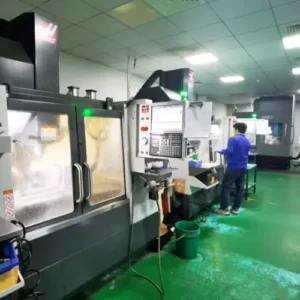
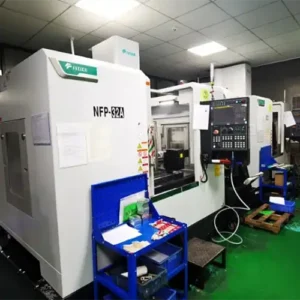
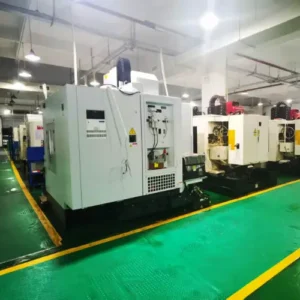
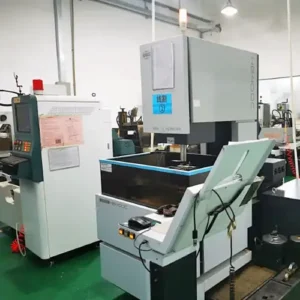
The manufacturer must have:
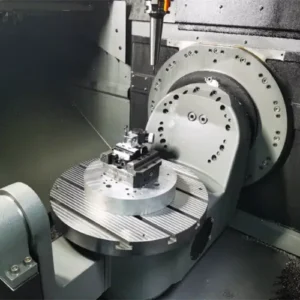
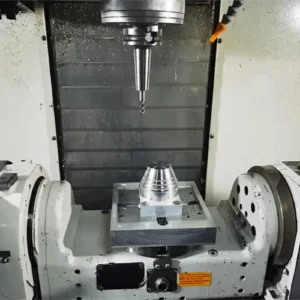
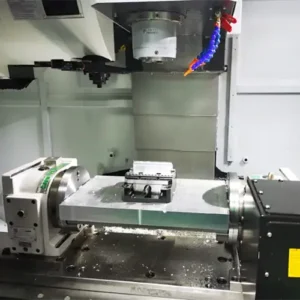
- 3-axis and 5-axis CNC machining centers
- High-speed milling capability suitable for plastics
- Proper dust extraction systems
- Dedicated fixture development experience
2. Confirm ABS Machining Experience
Ask the supplier:
- How many ABS projects they complete per year
- Whether they handle abs shell cnc machining
- Whether they offer abs cnc machining prototype support
- Whether they can maintain ±0.02 mm tolerances
3. Inspect Surface Finishing Options
A strong manufacturer should offer:
- Polishing
- Sanding
- Vapor smoothing
- Painting / silk printing
- Assembly of inserts
4. Check Their Engineering Support
Professional suppliers provide:
- DFM (Design for Manufacturability) feedback
- Material grade recommendations
- Cost optimization suggestions
- Quick response and quotation
5. Review Small Batch Capabilities
If you need 10–500 units, ensure they support small batch abs cnc machining, allowing flexible order sizes at competitive prices.
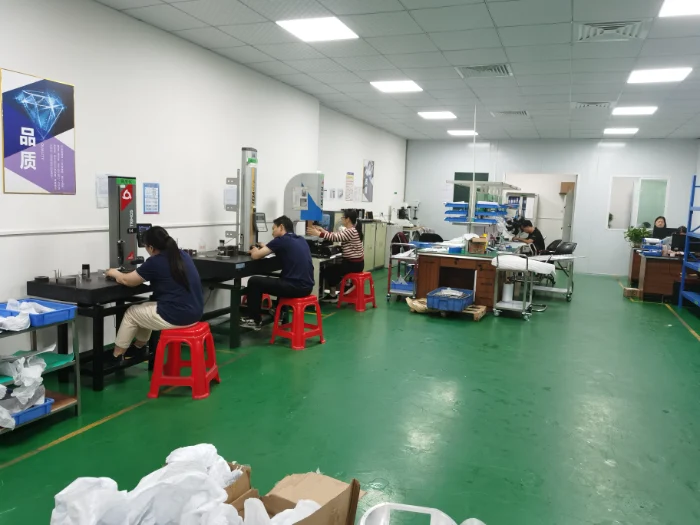
ABS CNC Machining Manufacturer for Prototypes, Shells, and Functional Parts
Today’s product development cycles require suppliers who can deliver high accuracy, short lead times, and consistent ABS machining performance. Whether you need abs cnc machining prototype, ABS shells, mechanical components, or structural covers, choosing an experienced manufacturer ensures dimensional stability, good surface quality, and competitive pricing.
Why Many Engineers Choose Weldo Machining
If you are looking for stable tolerances, fast lead times, and flexible low-volume ABS manufacturing, Weldo Machining offers:
- Precision ABS CNC machining from prototype to mass production
- Tight tolerance support down to ±0.02 mm
- Small batch machining for 10–500+ units
- Custom ABS shell machining with finishing options
- Fast quoting and engineering assistance
For accurate pricing or technical guidance, feel free to contact us about abs cnc machining manufacturer solutions—Weldo Machining will support your project from start to finish.
FAQ of abs cnc machining manufacturer
What does an ABS CNC machining manufacturer do?
They specialize in producing precision ABS components using CNC milling and turning machines.
What tolerances can be achieved when machining ABS?
Most manufacturers can hold ±0.05 mm, while ±0.02 mm is possible for critical features.
Is ABS suitable for CNC prototype machining?
Yes, ABS is ideal for abs cnc machining prototype due to its stability and toughness.
What is the cost advantage of small batch ABS CNC machining?
Small batch abs cnc machining reduces setup cost while offering flexible order quantities.
How do I choose the right ABS CNC machining supplier?
Look at machining capability, ABS experience, surface finishing options, and engineering support.