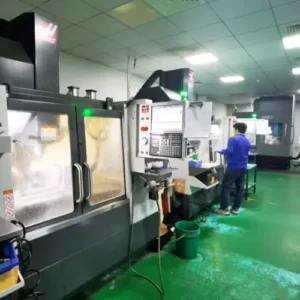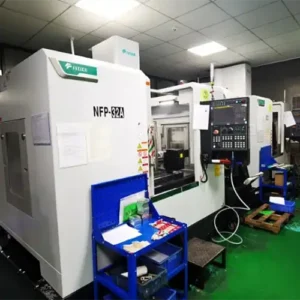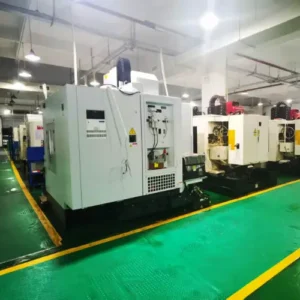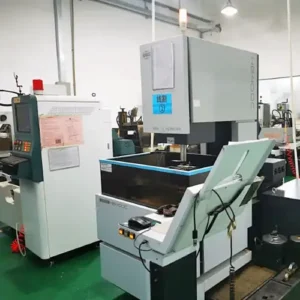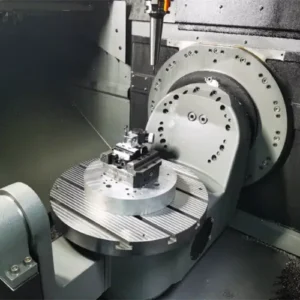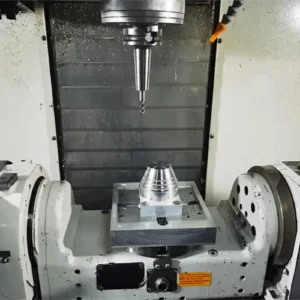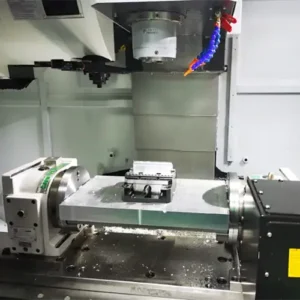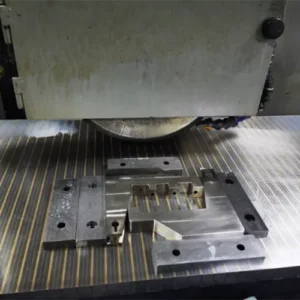









In many industries—ranging from consumer electronics to medical devices and retail display manufacturing—acrylic has become one of the most popular plastic materials for precision machining. Its optical clarity, lightweight structure, and excellent machinability make it ideal for prototypes, functional parts, and transparent enclosures. As demand for acrylic components continues to grow, understanding acrylic CNC machining cost becomes essential for designers, engineers, and purchasing teams who want to control budgets while achieving high-quality results.
This guide explains the factors that affect acrylic machining pricing, the role of different material grades, and how CNC service providers optimize efficiency.

Why Acrylic CNC Machining Is Increasingly Popular
Acrylic, also known as PMMA, offers a unique balance of strength, clarity, and machining stability. Unlike polycarbonate, acrylic is more scratch-resistant and delivers a glass-like surface when polished. These properties make CNC machining an ideal process for manufacturing acrylic lighting components, display covers, instrument panels, optical housings, laboratory parts, and product prototypes.
However, many buyers underestimate how many variables influence acrylic CNC machining cost. While acrylic is generally easier to machine than metals, precision requirements, part complexity, and surface finish expectations can significantly change the final price. Understanding these factors helps companies reduce waste, improve predictability, and build more accurate project quotations.
Key Factors Affecting Acrylic CNC Machining Cost
Material Selection and Acrylic Grade
The first major cost driver is the type of acrylic chosen. Different acrylic grades have different machining properties and prices, which directly affect acrylic CNC machining cost.
Common options include:
- Cast acrylic sheets – Higher optical clarity, superior machining quality
- Extruded acrylic sheets – Lower cost, less stable under cutting
- UV-resistant acrylic – For outdoor products
- Anti-static acrylic – For electronics and semiconductor applications
Cast acrylic usually costs more upfront but reduces tool wear and improves surface quality, lowering secondary finishing costs.
CNC Acrylic Machining Services and Complexity
Another cost factor is the complexity of the machining process. Professional CNC acrylic machining services provide milling, turning, drilling, engraving, and polishing for different shapes and designs.
Common complexity influences include:
- Tight tolerance specifications
- Deep pockets or thin-walled structures
- Threaded holes or internal channels
- Multi-sided machining setups
- Transparent or optical-grade finishing requirements
The more complex the shape, the more machine time required, increasing acrylic CNC machining cost accordingly.
Custom Acrylic CNC Machining Requirements
Sometimes, customers need custom acrylic CNC machining for specialized components. These customizations may involve advanced finishing processes such as:
- Vapor polishing
- Flame polishing
- Diamond edge polishing
- Optical surface grinding
Custom features require skilled technicians and additional machine passes, contributing to higher overall project pricing.
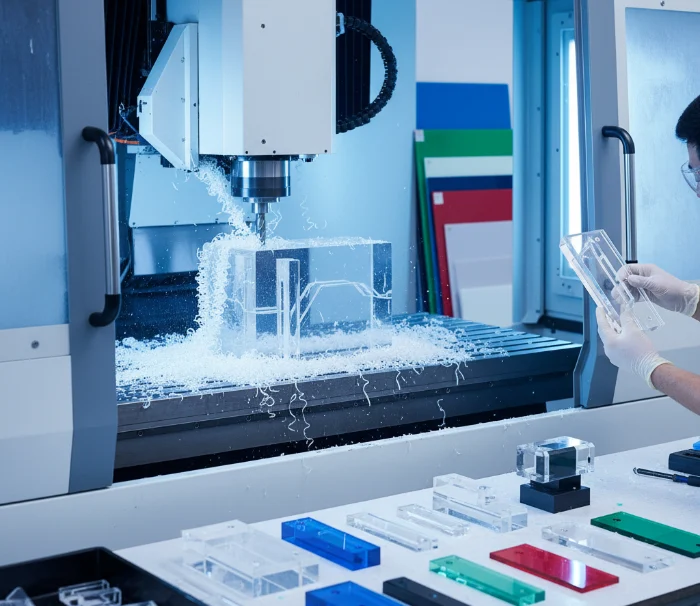
CNC Machining Acrylic Sheets: Process Overview
Machining Workflow for Acrylic Sheets
When machining acrylic sheets, manufacturers follow a structured process to ensure precision:
- Material Cutting and Preparation
Sheets are pre-cut to rough size before CNC setup. - Toolpath Programming
High-quality toolpaths reduce heat buildup and prevent cracking. - Rough Milling and Shaping
Performed at controlled feed rates to minimize surface stress. - Finishing Passes
Light cuts ensure smooth, clear edges. - Polishing and Post-Processing
Essential for transparent or optical components.
Each step affects time and cost, contributing to overall acrylic CNC machining cost.

Acrylic Machining Price Factors You Should Know
Machine Time and Cutting Speed
Machine runtime is one of the largest contributors to acrylic CNC machining cost. Acrylic requires moderate cutting speeds to avoid melting or burning, which increases machining time compared to metals like aluminum. Features requiring multiple passes or slow feed rates cost more due to extended machine occupancy.
Labor Time and Technical Expertise
Although CNC machining is automated, skilled technicians are essential for programming, setup, inspection, and polishing. Higher labor involvement—especially for transparency polish or prototype refinement—raises the acrylic machining price factors considerably.
Quantity and Production Scale
Order quantity directly impacts cost. For small orders, setup time represents a significant share of the total cost. Larger volume manufacturing reduces the unit cost due to:
- Distributed programming time
- Optimized batch machining
- More efficient material usage
Bulk orders often result in lower acrylic CNC machining cost per unit, making them ideal for consumer product manufacturing.
Acrylic Prototype Machining for Product Development
Why Acrylic Is Ideal for Prototypes
For early-stage product development, many companies rely on acrylic prototype machining due to the material’s clarity and durability. It allows engineers to visualize internal structures, build functional parts, and create display-ready samples.
Prototype machining cost depends on:
- Speed of delivery
- Required surface finish
- Number of iteration cycles
- Dimensional accuracy
Although prototypes are more expensive per piece, they help reduce errors during mass production.
How to Reduce Acrylic CNC Machining Cost
Buyers can reduce project costs by focusing on simple design principles:
- Avoid extremely tight tolerances unless necessary
- Round internal corners to reduce cutting time
- Use cast acrylic for better machinability
- Limit deep cavities that require slow cutting
- Combine features to lessen multiple setups
- Choose polishing only where visibility matters
Collaborating early with machining engineers significantly lowers acrylic CNC machining cost by reducing complexity and machining risk.
Conclusion: Understanding Acrylic CNC Machining Cost for Better Decision-Making
The demand for precise, transparent acrylic components continues to rise across multiple industries. By understanding the variables that influence acrylic CNC machining cost, businesses can more accurately estimate budgets, choose the right materials, and optimize production quality. Whether you need custom acrylic CNC machining, prototype parts, or large-scale manufacturing, selecting the right machining strategy ensures both efficiency and consistent performance.
Acrylic remains one of the most versatile and visually appealing materials, and with careful planning, companies can achieve high-quality components at a competitive cost.if you want get an instant quote or more details,you can contact with us Weldo now.