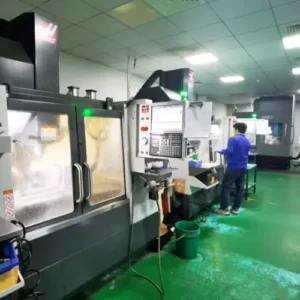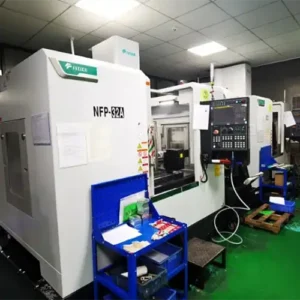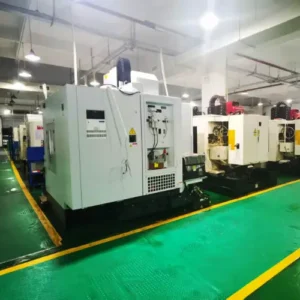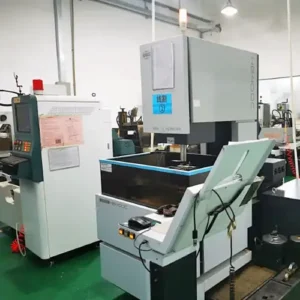

Aluminium CNC service is an essential solution for creating high-precision, high-performance aluminium components across various industries. From prototyping and small batches to mass production, aluminium CNC machining offers a versatile, cost-effective method for creating intricate parts. This article will explore the different types of aluminium CNC services, factors affecting costs, material choices, and tips on how to select the right service provider for your needs.
What is Aluminium CNC Service?
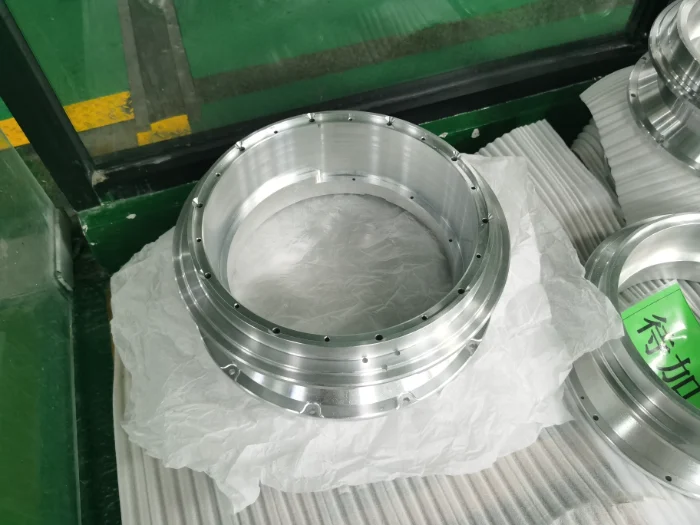
Aluminium CNC service refers to the use of computer-controlled machines to mill, drill, turn, or cut aluminium into precise parts. The versatility of aluminium CNC service makes it suitable for a wide variety of applications, from engineering prototypes to production runs in industries like automotive, aerospace, electronics, and more. Aluminium’s lightweight and durable properties, combined with its ease of machinability, make it one of the most popular materials for CNC machining.
Types of Aluminium CNC Services
There are several types of aluminium CNC service that manufacturers can choose from, depending on the part geometry, material, and manufacturing requirements. These include:
- CNC Milling
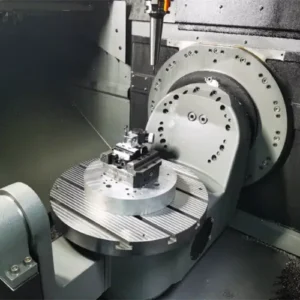
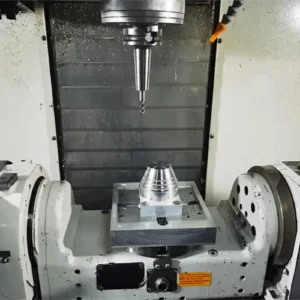
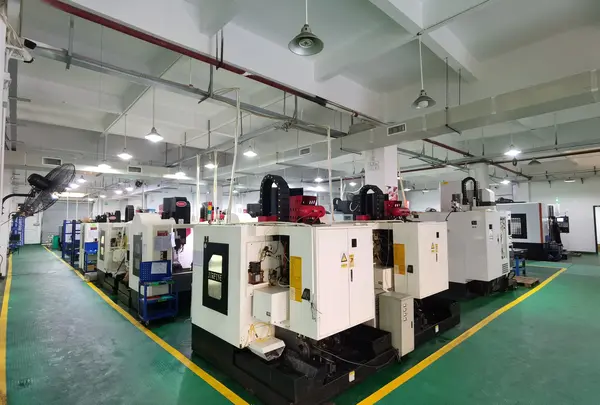
CNC milling is one of the most common machining methods used for aluminium. It involves using rotating cutting tools to remove material and create precise shapes, such as slots, holes, and complex 3D surfaces. CNC milling is ideal for both prototyping and low-volume production runs. - CNC Turning
CNC turning involves rotating the aluminium part against a fixed cutting tool. It is best for creating cylindrical parts such as shafts, rods, and bushings. This service is often used for functional parts with high precision and smooth finishes. - CNC Drilling
CNC drilling is a critical part of the machining process, especially when creating holes or cavities in parts. Aluminium CNC service for drilling ensures accuracy, whether for simple holes or more complex multi-axis drilling requirements. - CNC Grinding and Polishing
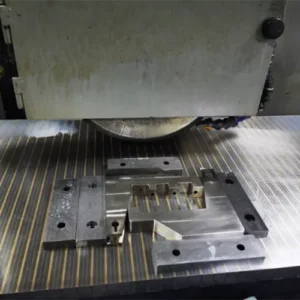
After machining, aluminium parts may need grinding or polishing to achieve the desired surface finish. This service is especially important when creating high-quality finishes for components used in the automotive or aerospace industries. - CNC Aluminium Casting Machining
For certain projects, casting aluminium into a desired shape and then machining it further is a cost-effective solution. This process allows for near-net shapes, saving time and material costs before performing detailed CNC machining on critical areas.
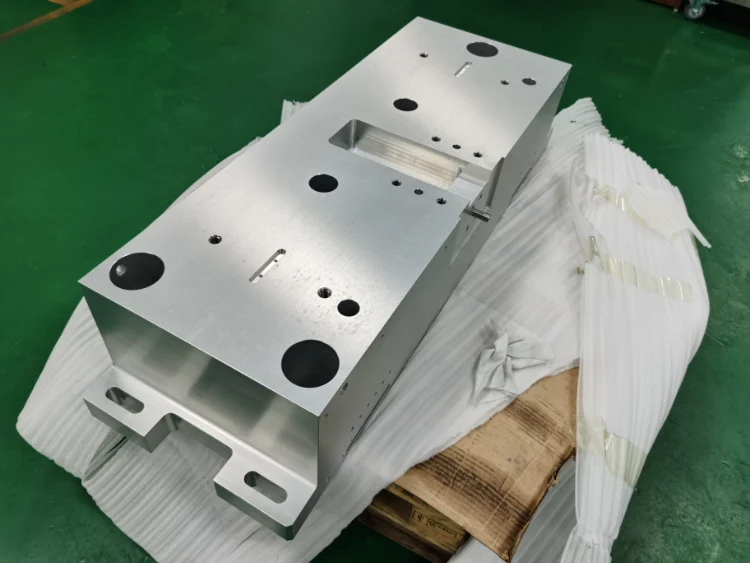
Each of these services plays a crucial role in producing high-quality aluminium CNC machining parts with precise dimensions and surface finishes.
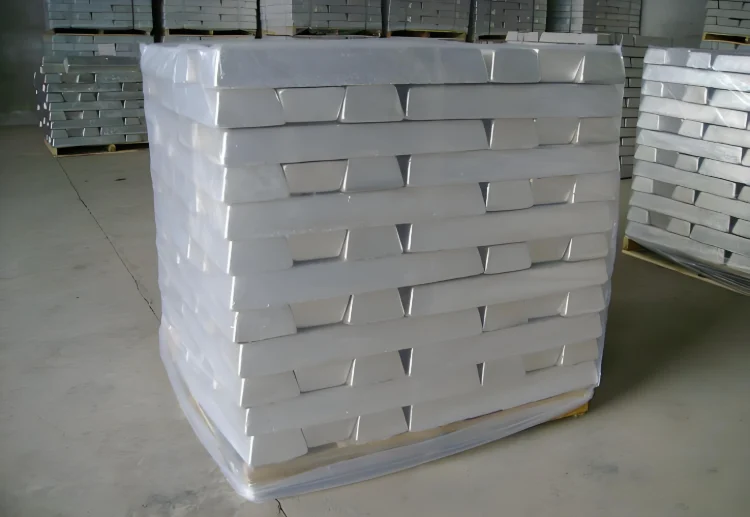
Common types of aluminium for cnc machining service
1. 6061 Aluminum Alloy
- Characteristics: 6061 is the most commonly used aluminum alloy for CNC machining. It has good mechanical properties, corrosion resistance, and weldability.
- Applications: Used in structural components, frames, automotive parts, aerospace parts, etc.
- Machinability: Easy to machine, commonly used for rapid prototyping and small-batch production.
- Corrosion Resistance: Strong, suitable for outdoor applications.
2. 7075 Aluminum Alloy
- Characteristics: 7075 is a high-strength aluminum alloy often used for applications that require higher strength and durability. It is close to the strength of some steels but lighter.
- Applications: Mainly used in aerospace, military equipment, sports gear, etc.
- Machinability: More difficult to machine, requiring higher cutting forces and precision tools.
- Corrosion Resistance: Poorer, often requiring additional surface treatment (such as anodizing) to enhance corrosion resistance.
3. 5052 Aluminum Alloy
- Characteristics: 5052 aluminum has excellent corrosion resistance, especially in marine environments.
- Applications: Widely used in marine applications, fuel tankers, construction, and other high-corrosion resistance fields.
- Machinability: Good machinability, suitable for creating complex shapes.
- Corrosion Resistance: Excellent, especially in marine environments.
4. 2024 Aluminum Alloy
- Characteristics: 2024 aluminum alloy is one of the strongest aluminum alloys, often used in aircraft structures and other parts requiring high strength.
- Applications: Aerospace, military, racing, and other high-performance industries.
- Machinability: Relatively difficult to machine, requiring more precise equipment.
- Corrosion Resistance: Poor, usually needing surface treatment.
5. 6063 Aluminum Alloy
- Characteristics: 6063 is commonly used for architectural and decorative applications. It has good corrosion resistance and high surface quality.
- Applications: Doors, windows, architectural frames, aluminum furniture, decorations, etc.
- Machinability: Easy to machine, suitable for medium to low strength applications.
- Corrosion Resistance: Excellent, suitable for outdoor and architectural environments.
6. 1100 Aluminum Alloy
- Characteristics: 1100 aluminum is a pure aluminum alloy, with excellent formability, weldability, and electrical conductivity.
- Applications: Food and chemical industries, water pipes, decorative uses, electrical components, etc.
- Machinability: Very easy to machine but has low strength.
- Corrosion Resistance: Excellent, but low tensile strength.
7. 3003 Aluminum Alloy
- Characteristics: 3003 is a common aluminum alloy with good corrosion resistance, typically used in applications requiring light weight and corrosion resistance.
- Applications: Commonly used to manufacture kitchen equipment, automotive shells, pressure vessels, storage tanks, etc.
- Machinability: Easy to machine but has low strength.
- Corrosion Resistance: Good, suitable for humid environments.
Why Choose Aluminium for CNC Machining?
Aluminium offers many advantages, making it one of the most common materials for CNC machining:
Lightweight and Strong
Aluminium has a great strength-to-weight ratio, making it ideal for applications where weight reduction is critical, such as in aerospace, automotive, and military applications.
Excellent Machinability
Aluminium is easy to machine and offers excellent surface finishes without excessive tool wear. This makes it cost-effective for both prototyping and production runs.
Corrosion Resistance
The natural oxide layer that forms on aluminium makes it highly resistant to corrosion, ideal for parts that will be exposed to moisture or harsh environments.
Good Thermal Conductivity
Aluminium’s ability to dissipate heat makes it a popular choice for parts like heat sinks and engine components, where thermal management is crucial.
Factors That Influence Aluminium CNC Service Cost
The cost of aluminium CNC service is affected by several factors, including material, part complexity, machine type, and order volume. Here’s a breakdown of the most significant cost drivers:
Material Type
The specific aluminium alloy chosen for the job can greatly affect the cost. Alloys like 6061 are less expensive and easier to machine, while alloys like 7075 or 2024 are more expensive due to their higher strength and machining difficulty.
Part Complexity
Parts with intricate geometries, tight tolerances, or multiple features require more machine time and setup, which increases the overall cost. Simple, prismatic parts are faster and more cost-effective to machine.
Tolerances and Surface Finish
Tighter tolerances (such as ±0.01 mm) and premium surface finishes (e.g., anodizing or polishing) require more precise machining, additional tools, and possibly post-processing, which increases the cost.
Order Volume
Small batch or prototype orders often have a higher cost per unit because of the setup time and limited quantity. Larger orders, however, can spread setup costs over more units, reducing the per-piece price.
Machine Type and Setup
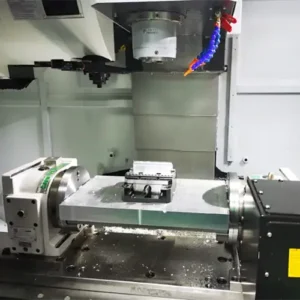
The type of CNC machine used (3-axis, 4-axis, 5-axis) and the time required to set up the machine for each part will affect the cost. More advanced machines capable of multi-axis machining are typically more expensive but are necessary for complex parts.

How to Choose the Right Aluminium CNC Service Provider
Choosing the right aluminium CNC service provider is key to getting the best quality parts at the best price. Here are some important factors to consider:
Capabilities of the CNC Machines
Ensure the provider has the right machines for your needs. If your part requires complex features or multi-axis machining, make sure the manufacturer has the necessary equipment.
Expertise with Aluminium Alloys
Look for a supplier with experience working with the specific aluminium alloys you need for your project. This expertise ensures the best finish, performance, and cost-effectiveness.
Lead Time and Communication
A reliable supplier should be able to meet your lead time and communicate effectively throughout the process. Transparency regarding timelines and project updates is crucial for meeting deadlines.
Quality Control
Verify that the supplier adheres to industry standards and offers inspection reports to ensure the parts meet your exact specifications. Quality certifications like ISO 9001 can provide confidence in their manufacturing processes.
Customization Options
If you require custom finishes, such as anodizing or painting, ensure the manufacturer can provide these services or work with trusted partners. Custom branding and packaging might also be essential for some clients.
How to reduce CNC Aluminium Service Prototyping Cost
When working with aluminium CNC service, there are several strategies you can implement to optimize cost without sacrificing quality:
Simplify Part Design
The simpler the design, the lower the machining cost. Avoid deep pockets, thin walls, and tight tolerances unless absolutely necessary.
Use Standard Alloys
Using alloys such as 6061 is more cost-effective for prototyping, as it is easier to machine and readily available.
Reduce Setups and Tool Changes
Minimize part handling and machine setups by grouping similar parts together or using fixtures that can accommodate multiple parts at once.
Aluminium CNC Service Pricing at Weldo Machining
At Weldo Machining, we offer a range of aluminium CNC services, including CNC milling, turning, and casting. Our expertise in aluminium CNC machining parts ensures precision, quality, and cost-effectiveness. Whether you need a prototype or a batch of functional parts, we provide fast, reliable service to meet your needs. Contact us today for accurate pricing and more information about aluminium CNC service.
FAQ of aluminum cnc service
Why choose aluminium for CNC machining?
Aluminium is lightweight, strong, corrosion-resistant, and easy to machine, making it ideal for a wide range of industries such as aerospace, automotive, and electronics.
How much does aluminium CNC machining cost?
The cost is determined by factors such as material type, part complexity, tolerance requirements, order volume, and surface finishes. Contact Weldo machining for an accurate quote.
Can I use aluminium CNC service for prototyping?
Yes, aluminium CNC service is ideal for prototyping due to its fast turnaround times, precision, and ability to produce functional parts that can be tested in real-world conditions.