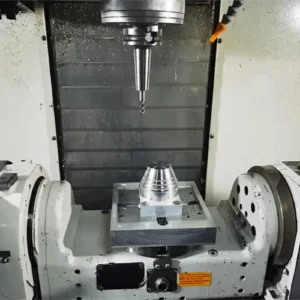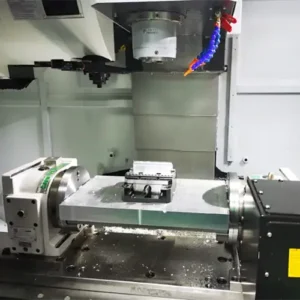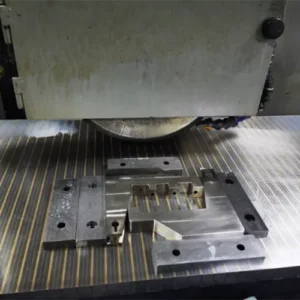









Aluminum CNC machining price is one of the most discussed topics among engineers, product developers, and manufacturers. Known for its lightweight structure, excellent machinability, and competitive strength-to-weight ratio, aluminum remains one of the most economical metals for CNC production. However, determining the final price of aluminum machined parts involves more than just the raw material cost. Factors such as design complexity, machining time, surface finishing, and production quantity all influence the overall aluminum CNC machining price.
In this guide, we break down the major cost drivers and explain how businesses can optimize their budget while maintaining product quality.
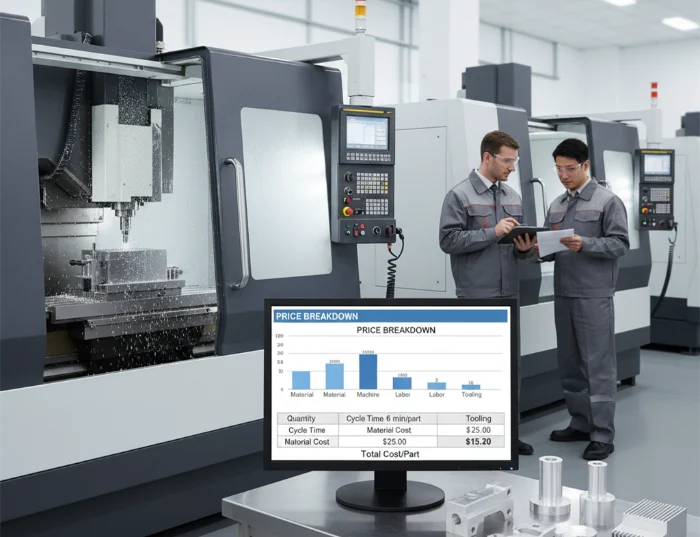
Key Factors That Influence Aluminum CNC Machining Price
Material Grades and Their Impact on Aluminum CNC Machining Price
Different aluminum grades play a significant role in determining aluminum CNC machining price. Some of the most common grades include:
- 6061 aluminum – highly machinable and cost-effective
- 7075 aluminum – stronger and more expensive, often used in aerospace
- 5052 aluminum – corrosion-resistant but slightly harder to machine
- 6082 aluminum – excellent strength, commonly used in structural components
Higher strength alloys or specialty grades often increase aluminum CNC machining cost due to slower cutting speed and greater tool wear.
How Part Design Affects Aluminum CNC Machining Cost
Complexity and Geometry
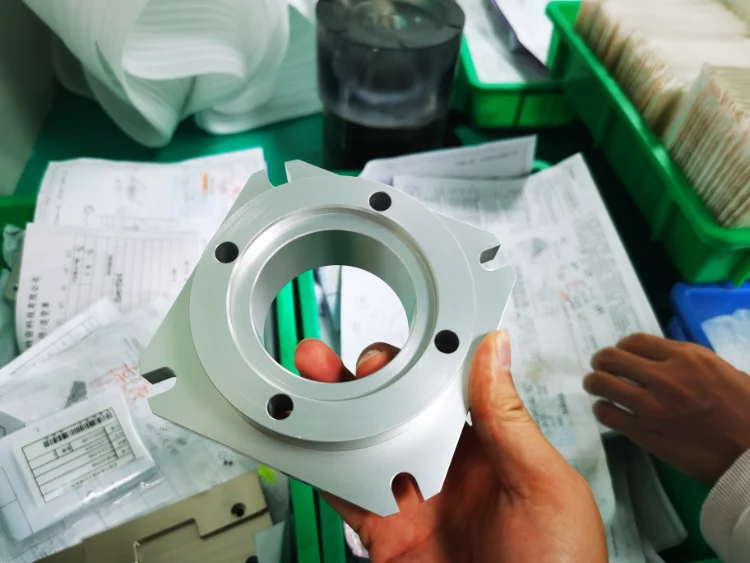
Parts with deep pockets, tight radii, thin walls, or multiple setups require longer machining time. This directly raises aluminum CNC machining cost because the machine must operate more slowly, change tooling more frequently, and follow more complex tool paths.
Simple geometry = faster machining
Complex geometry = higher aluminum CNC machining price
Dimensional Tolerances
The tighter the tolerance, the higher the cost. Ultra-precise machining demands slower feeds, special tools, and additional inspection procedures. While aluminum is easier to machine than steel, achieving ±0.01 mm tolerances significantly increases aluminum CNC machining price.
Production Volume and Its Influence on Aluminum CNC Machining Price
Low-Volume vs. High-Volume Manufacturing
Low-volume orders (1–20 pieces) typically have higher aluminum CNC machining cost per unit because setup time, programming, and fixturing are distributed over fewer parts.
High-volume runs benefit from:
- Reduced programming cost per part
- Optimized machining strategy
- Lower tool wear cost per unit
This volume-based pricing is one of the biggest determinants of aluminum CNC machining price in industrial manufacturing.
Additional Cost Elements in Aluminum CNC Machining
Surface Finishing
Aluminum supports various surface treatments, including:
- Anodizing
- Sandblasting
- Powder coating
- Polishing
- Chromate conversion
Each process adds time and labor, making finishing a significant part of total aluminum CNC machining cost. Anodizing, for example, may increase the aluminum CNC machining price by 10–40% depending on thickness and cosmetic requirements.
Tooling and Machine Time
Even though aluminum is easier on cutting tools, high-speed CNC machining still requires:
- Carbide end mills
- Specialized coatings
- Continuous coolant flow
Longer machine time and tool wear inevitably increase aluminum CNC machining cost.
Inspection and Quality Control
Precision parts used in aerospace, robotics, or automation require CMM inspection, testing, and certification. These added tasks contribute to the total aluminum CNC machining price.

How to Reduce Aluminum CNC Machining Price
Optimize Your Design
Simplify features where possible and avoid unnecessary deep pockets or undercuts. Design for manufacturability (DFM) can easily reduce aluminum CNC machining cost by 10–25%.
Choose the Right Aluminum Grade
Use 6061 aluminum unless performance requirements demand advanced alloys. Material optimization significantly impacts aluminum CNC machining price.
Increase Order Quantity
Batch production allows faster machining strategies and better pricing per unit. Even increasing your order from 10 to 50 pieces can noticeably reduce aluminum CNC machining cost.
Work with an Experienced CNC Supplier
Knowledgeable machinists understand optimal speeds, tool strategies, and fixture arrangements. Their expertise keeps aluminum CNC machining price consistent and eliminates costly mistakes.
Applications That Justify Aluminum CNC Machining Price
Aerospace and Aviation Components
7075 and 6061 aluminum parts offer exceptional weight savings and durability. Higher aluminum CNC machining cost is justified due to safety and performance standards.
Automotive Performance Parts
Lightweight parts improve efficiency and reduce energy consumption, making aluminum machining a cost-effective investment.
Electronics and Enclosures
Aluminum offers excellent heat dissipation, and CNC machining allows for precise housings with clean edges.
Automation and Robotics
Robots and smart devices rely on lightweight structural parts that are quick to machine and easy to assemble.
Conclusion
Aluminum CNC machining price depends on multiple factors including material grade, design complexity, tolerances, surface finishing, tool wear, and production volume. While aluminum is naturally economical and easy to machine, understanding these price drivers allows engineers and buyers to efficiently manage budgets and improve product outcomes. By optimizing design, choosing the right alloy, and partnering with experienced suppliers, you can significantly reduce aluminum CNC machining cost while maintaining high-quality performance.
if you want get an instant quote or more details,you can contact with us Weldo now.
FAQ of aluminum cnc machining price
What is the typical aluminum CNC machining price per part?
Most aluminum CNC parts range from $10 to $120+, depending on geometry, alloy grade, machining time, and finishing requirements.
Is aluminum cheaper to machine than stainless steel?
Yes. Aluminum machines faster, produces less tool wear, and requires lower cutting force, making aluminum CNC machining cost significantly lower.
How can I lower aluminum CNC machining price for my project?
Simplify non-critical features, increase your order quantity, choose 6061 aluminum when possible, and work with an experienced CNC machining supplier.