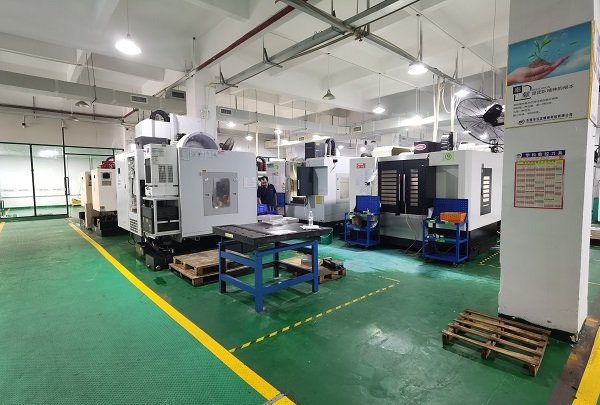
Aluminum salvage price per pound is an important cost reference in the scrap aluminum market. However, for CNC machining and aluminum extrusion enterprises, price is only the starting point. Whether the material has undergone effective sorting and alloy control, and whether it can meet precision and surface treatment requirements, is the key. Therefore, when evaluating scrap aluminum prices per pound or aluminum recycling price per pound, alloy grade and actual application should be considered comprehensively.
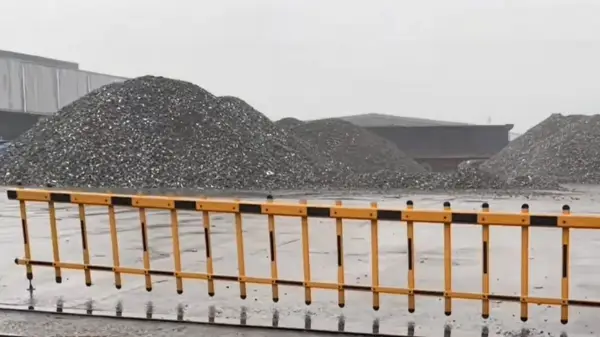
Global Aluminum Salvage Price Per Pound (USD/lb)
United States
| Scrap Type | Price Range |
|---|---|
| Clean Aluminum Rims | $0.75 – $0.90 |
| 6063 Extrusion Scrap | $0.80 – $1.00 |
| Cast Aluminum | $0.45 – $0.60 |
| Aluminum Cans | $0.55 – $0.75 |
Scrap recycling prices fluctuate over time, and different scrap types determine the subsequent alloy production direction.
High-purity scrap is more suitable for structural components and precision machining applications.
Main Source Types of Aluminum Recycling
1. Industrial Production Scrap (New Scrap / Prompt Scrap)
Source Description:
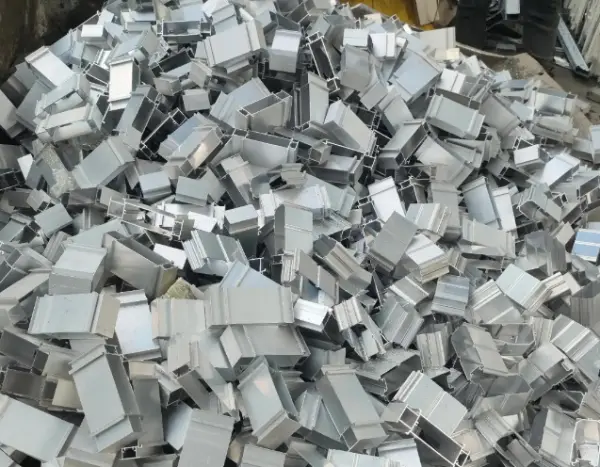
CNC machining aluminum chips
Aluminum extrusion offcuts
Stamping trimming scrap
Remaining factory production materials
Characteristics:
Clear alloy composition, low impurity ratio, not oxidized through long-term use.
This type of scrap has high purity.
Usually corresponds to a higher aluminum recycling price per pound.
Application Direction:
Can be directly remelted into standard alloys such as 6061 and 6063
Suitable for precision CNC machining
Suitable for high-quality aluminum extrusion profiles
For manufacturing enterprises, this is the most ideal recycling source.
2. Automotive and Transportation Industry Scrap
Source Description:
Aluminum rims scrap
Engine housings
Body structural parts
Transmission housings
Characteristics:
Mostly aluminum-silicon or aluminum-magnesium alloys, relatively high strength, may contain steel parts or rubber residues.
This type of scrap affects aluminum rims scrap price.
Requires sorting and impurity removal treatment.
Application Direction:
Can be used for ADC12 die casting alloy
Can be adjusted into 6061 structural alloy
Suitable for automotive parts remanufacturing
Automotive scrap aluminum accounts for a high proportion in the global supply chain.
3. Construction and Engineering Demolition Scrap
Source Description:
Door and window profiles
Curtain wall structures
Architectural decorative materials
Characteristics:
Mostly 6063 alloy, with anodized or coated surfaces, may contain contaminants.
Requires thermal paint removal or chemical cleaning.
Processing quality affects aluminum salvage price per pound.
Application Direction:
Reproduction of 6063 extrusion profiles
Construction and industrial frame applications
Anodized products
This type of source is suitable for aluminum extrusion enterprises.
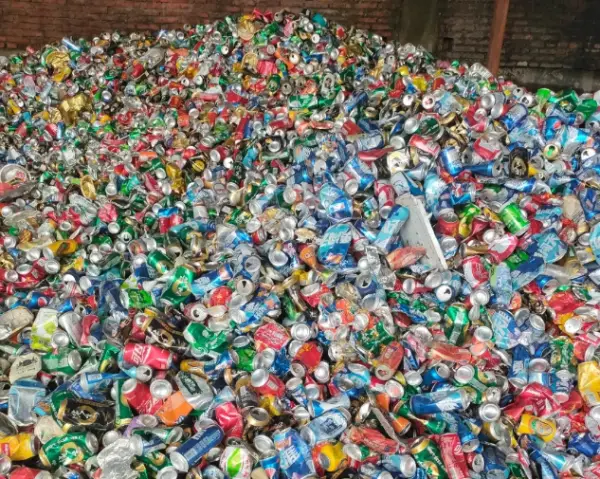
4. Packaging and Consumer Product Scrap
Source Description:
Aluminum cans
Aluminum foil
Food packaging
Characteristics:
Thin-wall materials, relatively low strength, relatively single composition.
This type of scrap aluminum prices per pound is usually lower.
Suitable for large-scale remelting.
Application Direction:
Recycled aluminum ingots
Secondary structural materials
Non-high-strength components
Not recommended for direct use in high-precision CNC structural components.
5. Electronic and Industrial Equipment Scrap
Source Description:
Electronic housings
Heat sinks
Industrial equipment frames
Characteristics:
Various alloys, may contain copper or other metals, requires fine sorting.
If properly controlled, high value-added alloys can be produced.
Application Direction:
CNC machined parts
Electronic structural components
Industrial equipment parts
How Source Type Affects Aluminum Salvage Price Per Pound
Different sources determine:
Alloy grade
Melting loss rate
Impurity control difficulty
Final processing direction
Industrial scrap usually corresponds to a higher aluminum recycling price per pound.
Mixed construction scrap and consumer product scrap prices are relatively lower.
For manufacturing enterprises,
The key is not the lowest scrap aluminum prices per pound,
But whether the material can stably support CNC, extrusion, or die-casting production.
From Aluminum Scrap to Industrial Alloy Grades
Recycled aluminum, after spectral sorting, melting refinement, and alloy adjustment, can be converted into various standard industrial grades.
Alloy composition control directly affects tensile strength, yield strength, and ductility.
Trace element fluctuations may change machining performance and heat treatment response.
Therefore, aluminum salvage price per pound not only reflects raw material cost, but also affects the final alloy material manufacturing grade of parts.
6061 Aluminum – CNC Structural & Mechanical Grade
Technical Characteristics:
Magnesium-silicon alloy system
Heat treatable strengthening (T6 condition is common)
Good machinability
Application Fields:
CNC precision structural parts, automation equipment parts, industrial machinery components, automotive structural brackets
6061 alloy is widely used in recycling systems.
Its cutting performance is stable and suitable for high-precision machining.
Because magnesium content control affects cutting smoothness.
Grain structure uniformity affects surface roughness.
6063 Aluminum – Extrusion & Architectural Profiles
Technical Characteristics:
Good extrusion fluidity
Excellent surface quality
Stable anodizing performance
Application Fields:
Door and window profiles, curtain wall systems, industrial frames, photovoltaic brackets
6063 recycled aluminum is suitable for aluminum extrusion production.
Its recycling price is usually higher than mixed scrap.
During extrusion, temperature control affects dimensional stability of profiles.
Aging treatment can improve hardness and strength.
ADC12 / A383 – Die Casting Alloy
Technical Characteristics:
High silicon content
Strong fluidity
Suitable for complex mold structures
Application Fields:
Automotive engine housings, motor housings, electronic heat dissipation structures, industrial equipment housings
Silicon content affects casting wear resistance and shrinkage rate.
Hydrogen content control can reduce internal porosity.
Cast aluminum scrap is commonly used for this type of alloy production.
Scrap aluminum prices per pound are relatively low, but suitable for mass manufacturing.
5052 / 3003 Aluminum – Sheet & Fabrication Grade
Technical Characteristics:
Good corrosion resistance
Excellent bending performance
Moderate strength
Application Fields:
Sheet metal cabinets, industrial housings, storage tanks and containers, equipment structural covers.
Suitable for sheet metal fabrication and welding.
Magnesium content control affects formability.
7075 Aluminum – High Strength Engineering Alloy
Technical Characteristics:
High strength
Heat treatable strengthening
Suitable for high-load applications
Application Fields:
Aerospace structural parts, high-end mechanical components, high-precision industrial equipment.
This grade requires strict composition control.
Impurity ratio directly affects fatigue strength.
Manufacturing Integration: From Alloy to Finished Parts
Based on stable aluminum salvage price per pound raw material control, we provide integrated manufacturing services.
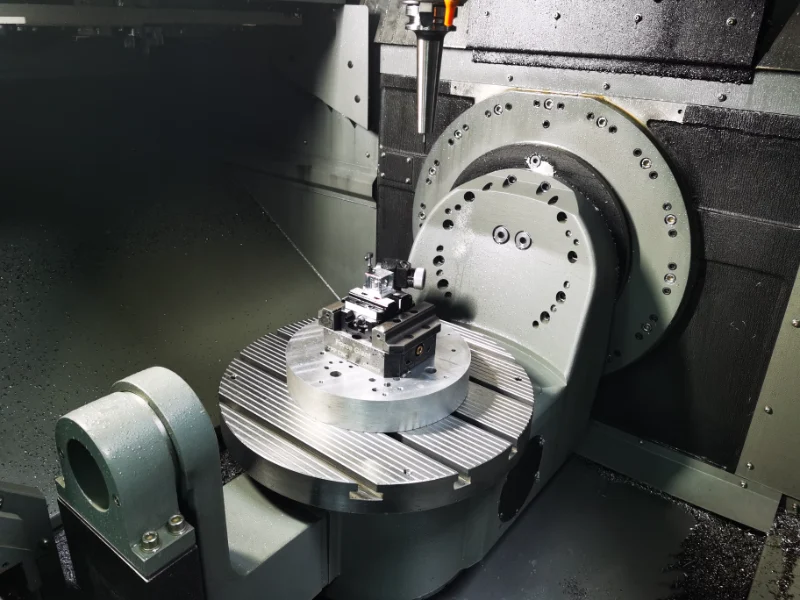
CNC Machining
Qualified machining service providers support 3-axis / 4-axis / 5-axis machining.
Tolerance can reach ±0.005mm, precision within ±0.005mm.
Can support small batch and mass production.
Stable material supply improves yield rate.
Tool life monitoring and machining efficiency are more controllable.
Aluminum Extrusion
Using customized mold development can achieve faster processing speed.
Through extrusion production combined with heat treatment and surface treatment.
Material structure uniformity affects extrusion forming quality.
Dimensional stability determines subsequent assembly accuracy.
Injection Molding
Using pre-high-standard mold design.
Conduct small batch trial production. If assembly has no issues, large-scale mass production can be considered.
Suitable for aluminum-plastic composite structures.
Optimizes product weight and cost structure.
If there are higher assembly and precision requirements, it can be transferred to secondary CNC precision machining to achieve high-precision standard machining of grooves, cavities, chamfers, fillets, curved surfaces and other features.
Sheet Metal Fabrication
Using laser cutting, bending, welding and assembly processes to process aluminum alloy sheets, mainly used for equipment housings and industrial frames.
Quality Control & Process Reliability
We implement:
Spectral composition testing
Batch traceability management
Melting temperature control
Hydrogen content testing
In-process quality verification
Material traceability
Process verifiability
We focus not only on aluminum salvage price per pound.
We focus more on how aluminum alloy materials can be stably processed and manufactured to meet global customers’ customized aluminum alloy processing and assembly requirements.
Conclusion
Aluminum salvage price per pound determines raw material cost, and recycled aluminum, through precise sorting and alloy adjustment, can produce standard grades such as 6061, 6063, ADC12, 5052, and 7075. Each alloy supports different CNC machining, extrusion, and sheet metal applications. Only with strict composition control and strong processing capability can scrap aluminum prices per pound be converted into high-precision parts and reliable industrial products, enabling the upgrade from scrap resources to high-value manufacturing.
If you want know more details or get quote about aluminum machining price,you can contact us.