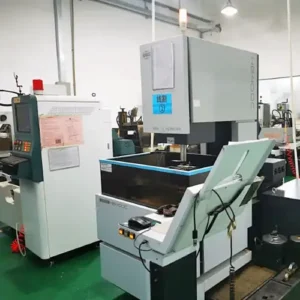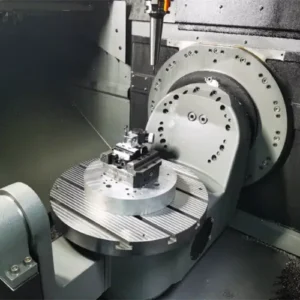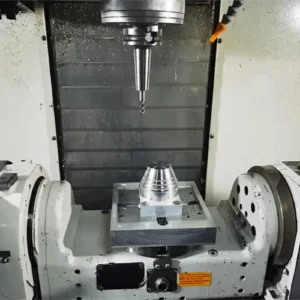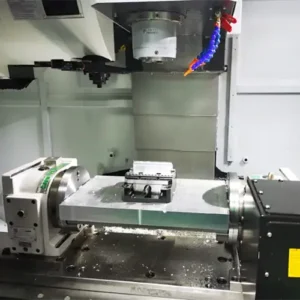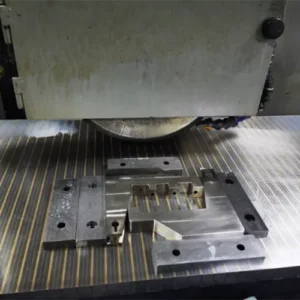
Boring and threading are two essential precision operations in CNC machining that directly determine assembly accuracy, mechanical strength, and functional reliability. In modern manufacturing, boring and threading are often performed in a single CNC setup to achieve tight tolerances, consistent thread quality, and high-efficiency production for complex metal and plastic parts.
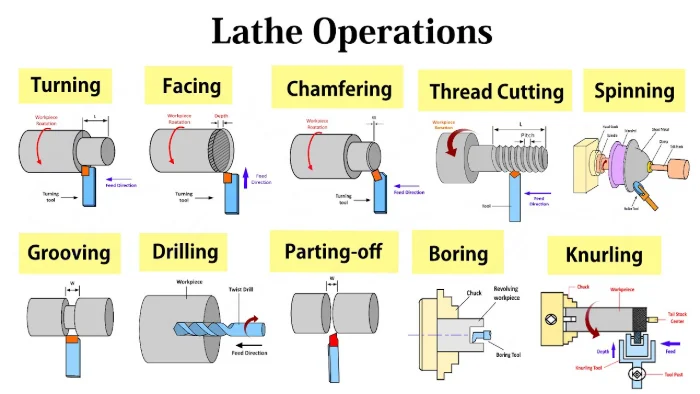
Understanding Boring and Threading in CNC Machining
Boring and threading are closely related machining processes used to refine internal features after drilling or rough machining.
- Boring enlarges and trues existing holes to precise diameters, concentricity, and surface finish
- Threading creates internal or external threads that allow reliable fastening and load transfer
In CNC environments, boring and threading are frequently combined to ensure that hole geometry and thread alignment meet engineering specifications. Proper coordination between boring threading minimizes misalignment, reduces tool wear, and improves overall part quality.
Relationship Between Boring and Threading Operations
In CNC machining, boring threading are sequential processes that must be engineered together.
Why Boring Matters Before Threading
- Ensures correct minor diameter for threading
- Improves hole roundness and straightness
- Reduces thread pitch error and chatter
When boring threading are performed with optimized parameters, the resulting threads achieve higher pull-out strength, smoother engagement, and longer service life.
Key CNC Parameters for Boring and Threading
Optimizing CNC parameters is critical for stable boring threading results.
Core Machining Parameters
- Spindle speed and feed rate
- Tool nose radius and insert geometry
- Thread pitch and depth control
- Coolant strategy (flood, MQL, or dry)
Incorrect parameter selection during boring threading can lead to oversized holes, poor thread fit, or surface tearing—especially in hard metals or engineering plastics.

Machining Difficulty in Boring and Threading Processes
The difficulty of boring threading increases significantly with tighter tolerances and challenging materials.
Common Difficulty Factors
- Deep hole boring with high length-to-diameter ratios
- Fine-pitch or micro-threading requirements
- Hard materials such as stainless steel, titanium, or hardened steel
- Soft materials prone to deformation, such as aluminum or plastics
Experienced CNC programmers carefully balance cutting forces to maintain dimensional stability throughout boring threading cycles.
Boring and Threading Cost Drivers in CNC Machining
The cost of boring threading depends on multiple production variables.
Main Cost Factors
- Tolerance requirements (±0.01 mm vs. ±0.005 mm)
- Tooling complexity and tool life
- Cycle time and number of passes
- Material machinability
High-precision boring threading typically require slower feeds, additional inspection steps, and specialized tooling, which directly affect per-part cost.
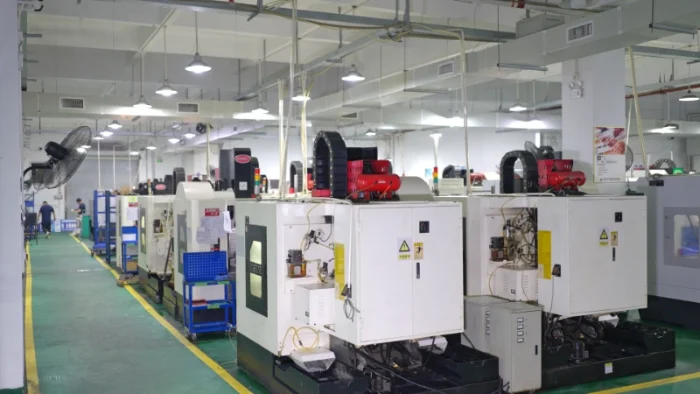
CNC Boring and Threading Experience Guidelines
At professional CNC shops, proven experience is essential for consistent boring and threading quality.
Best-Practice Guidelines
- Always match boring diameter to thread minor diameter standards
- Use rigid tool holders to minimize deflection
- Program multi-pass threading for deep or hard materials
- Validate thread quality with go/no-go gauges
Years of machining experience allow operators to predict how materials behave during boring threading and proactively adjust parameters.
Common Boring and Threading Problems and How to Overcome Them
Even with advanced CNC machines, boring threading present recurring challenges.
Typical Problems and Solutions
- Thread chatter → Reduce spindle speed and increase rigidity
- Oversized holes → Adjust boring bar deflection compensation
- Poor surface finish → Optimize insert geometry and coolant flow
- Thread tearing → Modify feed rate and cutting depth
A systematic troubleshooting approach ensures stable boring threading performance across both prototype and production runs.
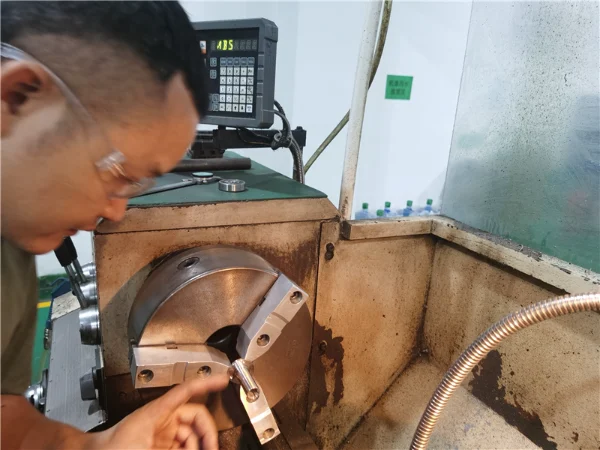
Applications Requiring High-Precision Boring and Threading
High-accuracy boring threading are critical across many industries:
- Aerospace structural components
- Automotive engine and transmission parts
- Industrial equipment housings
- Medical and instrumentation components
In these applications, boring and threading directly influence safety, reliability, and long-term performance.
Why Choose Weldo Machining for Boring and Threading
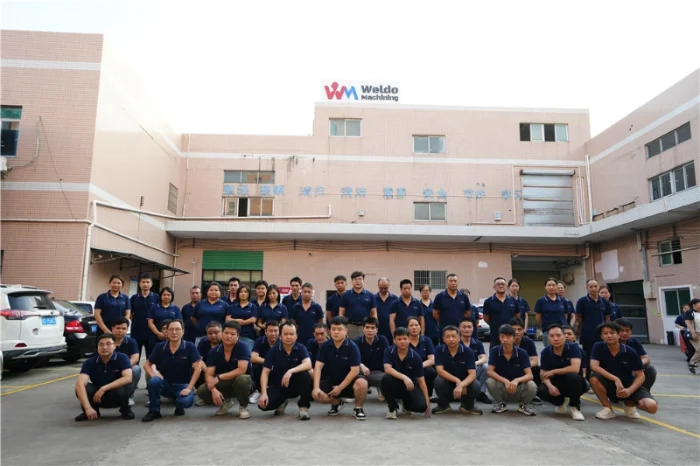
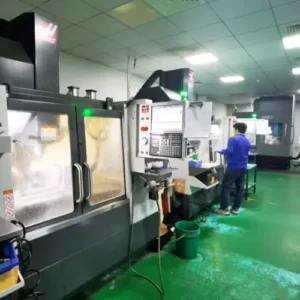
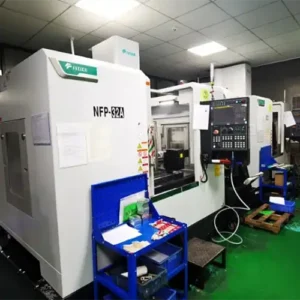
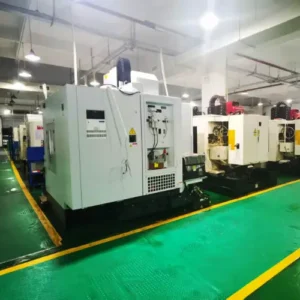
Weldo Machining delivers advanced boring threading services using modern CNC milling and turning centers. Our team combines optimized process parameters, skilled programming, and rigorous inspection to ensure repeatable precision across all production volumes.
Whether you require prototype-level boring and threading or high-volume CNC production, we provide reliable solutions tailored to your design and budget. Contact Weldo Machining today for detailed process guidance, technical support, and competitive pricing.